Bed Bug Eggs: How to Identify and Prevent Infestations

Published: November 26, 2024
Introduction
Bed bugs are one of the most difficult household pests to deal with, largely because they reproduce quickly and hide exceptionally well. While many people focus on adult bed bugs and the bites they leave behind, the true warning sign of a growing infestation often starts much smaller. Understanding what bed bug eggs look like can help homeowners identify a problem early, before it spreads throughout the home.
This article explains how to identify them, where they are commonly found, how long they take to hatch, and why their presence often signals the need for professional level solutions. Knowing what to look for can help protect your home, your comfort, and your peace of mind.
Why Is It Important to Know What Bed Bug Eggs Look Like?
They are the starting point of every infestation. Once bed bugs begin laying eggs, the population can increase rapidly in a matter of weeks. Many infestations worsen because these eggs go unnoticed until they hatch and new bed bugs begin feeding.
Knowing how to recognize them allows homeowners to:
- Detect infestations earlier
- Understand how established the problem may be
- Avoid confusing eggs with lint or debris
- Take action before bed bugs spread to additional rooms
According to research from the Virginia Department of Agriculture and Consumer Services, bed bugs thrive in indoor environments where warmth and reliable food sources allow eggs to hatch quickly and survive at high rates. You can review their bed bug biology overview here: https://www.vdacs.virginia.gov/pdf/bb-biology1.pdf.

What Do Bed Bug Eggs Look Like?
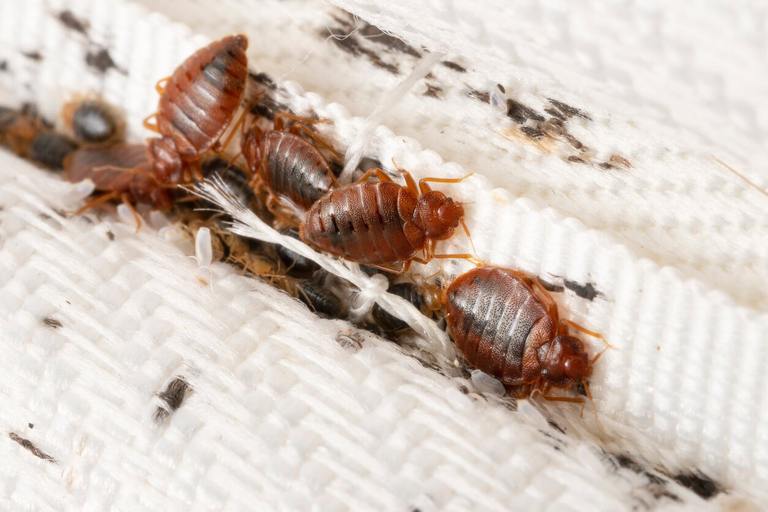
Bed bug eggs are extremely small and easy to miss without close inspection, which is why infestations often grow unnoticed in the early stages. They are commonly compared to tiny grains of rice or salt because of their shape, size, and pale coloring. Most of them measure about 1 millimeter in length, making them difficult to spot unless you know exactly where to look and what you are looking for.
Unlike dirt or debris, they are intentionally placed by female bed bugs in protected locations. Their appearance is subtle by design, helping them blend into common household materials such as fabric seams, wood grain, and textured surfaces. This camouflage allows bed bug eggs to remain undisturbed until they hatch.
Key Characteristics of Bed Bug Eggs
- Oval shaped with slightly elongated ends
- Pearl white or translucent in color
- About 1 millimeter long, similar to a grain of salt
- Smooth surface with a faint sheen
- Firmly attached to surfaces with a sticky coating
Fresh bed bug eggs often appear slightly shiny. This is because female bed bugs coat each egg with a natural adhesive that helps it stick securely to surfaces. This adhesive not only keeps eggs from falling but also makes them difficult to remove through routine cleaning, shaking bedding, or light vacuuming.
Are Bed Bug Eggs Visible to the Naked Eye?
Yes, they are visible to the naked eye, but they are very easy to overlook without careful inspection. Their tiny size combined with their white or translucent color allows them to blend into mattress seams, furniture joints, wall cracks, and other textured areas.
Homeowners are more likely to notice them when:
- Inspecting slowly and closely with a flashlight
- Checking mattress seams, piping, and tags
- Looking along dark or contrasting surfaces where white eggs stand out
- Finding empty eggshells left behind after hatching
After they hatch, the empty shells often remain attached to surfaces. These shells look like tiny white flakes or casings and are commonly mistaken for lint or dust. However, their consistent shape and firm attachment are strong indicators that bed bugs are actively reproducing inside the home.
Where Are Bed Bug Eggs Commonly Found?
Female bed bugs lay eggs in hidden, protected areas close to where people sleep or rest. These locations provide warmth, shelter, and immediate access to a blood meal once the eggs hatch.
Common Places to Find Them
- Mattress seams, tufts, and tags
- Box spring edges and fabric folds
- Bed frames and headboards
- Inside screw holes and furniture joints
- Behind baseboards
- Under carpeting near beds
- Inside nightstands, sofas, and upholstered furniture
- Behind electrical outlet covers

In more advanced infestations, they may also be found in curtains, drawer tracks, closets, and along wall cracks farther away from sleeping areas.
The Florida Department of Agriculture and Consumer Services provides additional information on bed bug behavior and common hiding places here: https://www.fdacs.gov/Consumer-Resources/Health-and-Safety/Protect-Your-Home-from-Pests/Bed-bugs.
How Long Does It Take for Bed Bug Eggs to Hatch?
Under typical indoor conditions, they usually hatch within 6 to 10 days. While this window may seem short, it is one of the main reasons bed bug infestations escalate so quickly. In a comfortable indoor environment, eggs can develop rapidly without interruption, allowing new bed bugs to emerge before homeowners even realize eggs are present.
Temperature plays the most significant role in how quickly bed bug eggs hatch. Warm, climate controlled homes provide ideal conditions for egg development, especially in bedrooms where heat, carbon dioxide, and regular human activity are present. In these environments, hatching often occurs closer to the shorter end of the timeline.
Factors That Affect Hatching Time
- Warm temperatures speed up development and shorten the hatching window
- Cooler temperatures slow egg growth and delay hatching
- Stable humidity improves egg survival rates
- Minimal disturbance allows eggs to remain intact until hatching
Even when conditions are less than ideal, they are resilient. They can survive mild temperature fluctuations and remain viable as long as they are not directly treated or removed. This durability makes early identification especially important.
Research from the University of Florida IFAS Extension explains that once they hatch, the young nymphs must feed soon in order to continue developing. If food is readily available, development continues quickly. You can learn more about the bed bug life cycle here: https://edis.ifas.ufl.edu/publication/IN297.
What Happens After They Hatch?
When bed bug eggs hatch, tiny nymphs emerge that are barely visible at first glance. These newly hatched bed bugs are pale, almost translucent, and significantly smaller than adult bed bugs. Because of their size and coloring, they often go unnoticed during routine inspections.
Shortly after hatching, nymphs must take their first blood meal in order to survive and continue developing. Once they feed, their bodies darken slightly and become more visible. Nymphs then progress through several molting stages, shedding their skin each time as they grow larger and more resilient.
As nymphs mature, their hiding behavior mirrors that of adult bed bugs. They remain close to sleeping areas, retreat into cracks and seams during the day, and emerge primarily at night to feed. This allows the infestation to quietly expand without drawing immediate attention.
If bed bug eggs are present, it usually means:
- Adult bed bugs are actively feeding and reproducing
- Multiple life stages are already present in the home
- Additional eggs and nymphs may be hidden nearby
This is why finding bed bug eggs often signals a well established infestation rather than an isolated issue. By the time eggs are visible, the bed bug population has typically progressed beyond the earliest stage, making thorough treatment essential.

Can Bed Bug Eggs Spread Throughout a Home?
Bed bug eggs do not move on their own, but they can still spread throughout a home as part of normal bed bug behavior. Female bed bugs often lay eggs in multiple locations as they travel to feed and return to hiding areas. This means eggs are not always confined to one room, especially once an infestation becomes established.
As adult bed bugs move between sleeping areas, furniture, and wall voids, they may deposit eggs along the way. Over time, this behavior creates several small pockets of infestation rather than a single obvious source. These scattered egg locations make detection more difficult and allow the problem to grow quietly.
Bed bug eggs can also be transported accidentally through everyday activities, including:
- Clothing and linens moved from room to room
- Luggage after travel or overnight stays
- Used or secondhand furniture brought indoors
- Bags, backpacks, and purses placed near infested areas
Because bed bug eggs are small and coated with a sticky substance, they can cling to fabric seams, creases, and hidden surfaces. This allows them to remain unnoticed during normal cleaning, packing, or moving, increasing the risk of spreading the infestation to new areas of the home.
Why Are Bed Bug Eggs So Difficult to Remove?
Bed bug eggs are naturally resistant to many common treatment methods, which makes them one of the most challenging parts of a bed bug infestation to address. Their protective outer shell helps shield the developing bug inside, while the adhesive coating used to attach the egg keeps it firmly in place.
Unlike adult bed bugs, eggs do not move or react to disturbances. This means surface sprays, quick cleaning, or light vacuuming often fail to affect them. Even when adult bed bugs are killed, untreated eggs can remain hidden and hatch days later, restarting the infestation.
Common challenges homeowners face include:
- Eggs hidden deep in cracks, seams, and tight crevices
- Resistance to many over the counter sprays and foggers
- Adhesive coating that prevents eggs from being easily dislodged
- Vacuuming that removes debris but leaves eggs behind
- New nymphs emerging days or weeks after initial treatment
Because of these challenges, infestations often seem to return after DIY efforts. Addressing bed bug eggs requires thorough inspection and targeted treatment methods designed to reach deep hiding areas and disrupt the entire bed bug life cycle.
How Can You Tell Bed Bug Eggs Apart From Other Household Debris?
Bed bug eggs are often mistaken for lint, dust, or crumbs. However, there are several features that help distinguish them from common debris.
How Bed Bug Eggs Differ
- Smooth and oval rather than fibrous
- Consistently white or translucent
- Firmly attached to surfaces
- Found in clusters or hidden seams rather than open areas
When in doubt, suspected bed bug eggs should always be taken seriously.
Do Bed Bug Eggs Mean Professional Help Is Needed?
Finding bed bug eggs almost always indicates an active infestation rather than a single, isolated issue. Eggs only appear after adult bed bugs have fed, settled in, and begun reproducing. By the time eggs are visible, it usually means bed bugs have already established multiple hiding areas within the home.
Because bed bug eggs are difficult to remove and resistant to many DIY treatments, professional pest control is often the most reliable way to fully resolve the issue. Many over the counter sprays and home remedies focus on killing visible bugs but fail to address hidden eggs, allowing the infestation to restart days or weeks later.
Professional solutions are designed to address the entire infestation, not just what can be seen on the surface. This typically includes:
- Locating hidden egg clusters in cracks, seams, and wall voids
- Treating areas where eggs are likely to hatch
- Eliminating adults, nymphs, and eggs at the same time
- Breaking the bed bug life cycle to prevent reinfestation
This comprehensive approach reduces the chance of repeated outbreaks and ongoing frustration. When bed bug eggs are present, professional level treatment is often the most effective path toward long term relief and peace of mind.

How Can You Reduce the Risk of Bed Bug Eggs in Your Home?
While no prevention method is guaranteed, certain habits can significantly reduce the likelihood of bringing bed bugs and their eggs into your home. Prevention focuses on limiting exposure, catching problems early, and removing opportunities for bed bugs to settle and reproduce.
Bed bugs are most commonly introduced through travel or secondhand items, which makes awareness and routine inspection especially important. Small changes in daily habits can go a long way toward lowering risk.
Prevention Tips
- Inspect hotel mattresses, headboards, and furniture seams when traveling
- Keep luggage elevated and away from beds and walls
- Wash and dry clothing on high heat immediately after returning from trips
- Avoid bringing discarded or curbside furniture indoors
- Carefully inspect secondhand furniture before bringing it inside
- Reduce clutter to limit hiding spots and make inspections easier
Heat remains one of the most effective tools for destroying bed bug eggs when applied correctly. High heat from dryers or professional heat treatments can eliminate eggs that would otherwise survive surface level cleaning. Staying vigilant and proactive is key to keeping bed bug eggs from gaining a foothold in your home.
Final Thoughts: Why Identifying Bed Bug Eggs Early Matters
Understanding what bed bug eggs look like gives homeowners an important advantage. These tiny white eggs may seem harmless, but they are a clear sign that bed bugs are breeding nearby.
Because bed bug eggs are easy to miss and difficult to remove, early detection combined with professional level treatment is often the most effective way to regain control. Acting quickly helps protect your home, your sleep, and your peace of mind.