Buzz Off, Stripes: Outsmarting Asian Tiger Mosquitoes in SWFL

Published: April 25, 2025
Introduction
Bug season is here in Southwest Florida, and with it comes a surge of unwelcome pests that thrive in our warm temperatures, frequent rainfall, and lush landscaping. One particularly aggressive and invasive species homeowners need to be aware of is the Asian tiger mosquito. This mosquito has become increasingly common in residential neighborhoods across SWFL, where it takes advantage of everyday outdoor features like patios, pool cages, gardens, and shaded yards.
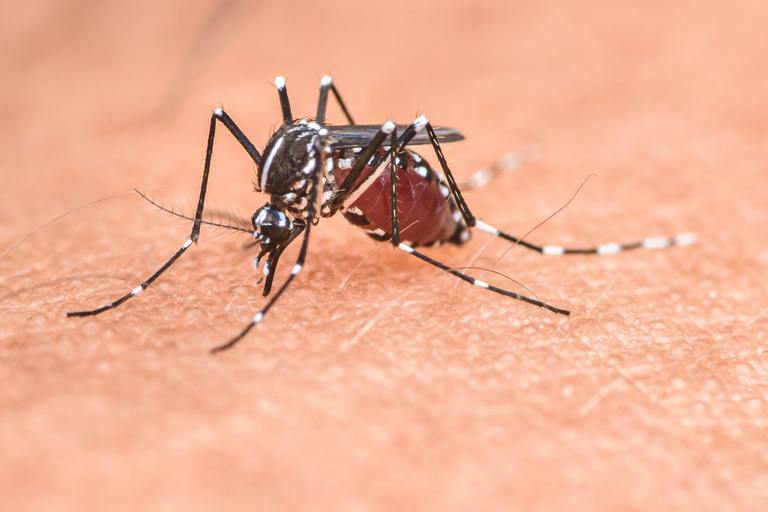
Known for its distinctive black and white striped legs and body, this tiny mosquito is not just an irritating nuisance that leaves behind itchy welts. The Asian tiger mosquito is also recognized by public health officials as a species of concern due to its ability to live close to people and bite frequently throughout the day. Its presence can quickly turn enjoyable outdoor spaces into areas homeowners avoid altogether, especially during peak mosquito season.
At All U Need Pest Control, we understand how frustrating mosquito season can be, especially when invasive species thrive in Florida’s humid climate. Many homeowners feel like they are constantly battling mosquitoes with little relief. In this updated guide, we break down what makes the Asian tiger mosquito unique, why it has become such a persistent problem in Southwest Florida, the risks it poses to families and pets, and practical ways to reduce its presence around your home.
What Is the Asian Tiger Mosquito?
The Asian tiger mosquito, scientifically known as Aedes albopictus, is an invasive mosquito species originally native to Southeast Asia. It was first detected in the United States during the mid 1980s and is believed to have arrived through shipments of used tires that contained standing water and mosquito eggs. Once introduced, the species spread quickly thanks to its ability to adapt to new environments and reproduce rapidly.
Today, the Asian tiger mosquito is firmly established throughout much of Florida. Unlike some mosquito species that prefer wetlands or rural areas, this mosquito thrives in urban and suburban settings. It is commonly found around homes, apartment complexes, parks, and commercial properties where small water sources are readily available.
According to research published by the University of Florida IFAS Extension, the Asian tiger mosquito is highly adaptable and capable of surviving in both natural and man made environments. One of the biggest reasons it spreads so easily is its ability to breed in extremely small amounts of water, sometimes no more than a bottle cap. This trait allows populations to establish quickly in residential neighborhoods before homeowners even realize there is a problem.

How Can You Identify an Asian Tiger Mosquito?
One reason the Asian tiger mosquito stands out compared to other local species is its unmistakable appearance and behavior. Being able to correctly identify this mosquito can help homeowners understand why biting activity may be happening during the daytime and why the problem seems persistent.
Key Identification Traits
- Bold black body with bright white stripes on the legs that resemble a tiger pattern
- A single white stripe running down the center of the back, which is a key identifying feature
- Smaller size compared to many native mosquito species commonly found in Florida
- Active during daytime hours rather than only at dawn or dusk
Beyond its appearance, behavior is another strong indicator. Unlike many mosquitoes that prefer early morning or evening feeding times, the Asian tiger mosquito is a persistent daytime biter. It often targets people multiple times in a short period and is known to aggressively seek out hosts rather than waiting passively. This makes everyday activities like gardening, grilling, walking pets, or relaxing outdoors far less enjoyable and often leads homeowners to notice the problem sooner than with other mosquito species.
Why Asian Tiger Mosquitoes Are a Major Problem in SWFL
Southwest Florida offers nearly perfect conditions for the Asian tiger mosquito to thrive year round. Warm temperatures, high humidity, frequent rain events, and dense residential landscaping all contribute to rapid population growth. Unlike some mosquito species that peak only during certain times of the year, the Asian tiger mosquito can remain active for much longer stretches of the season in SWFL.
What makes this species especially problematic is how closely it lives alongside people. Asian tiger mosquitoes prefer shaded areas near homes, patios, pool cages, and vegetation lines. This puts them in constant proximity to humans and pets, increasing the likelihood of repeated bites and ongoing frustration for homeowners.
Aggressive Daytime Biting
One of the biggest reasons Asian tiger mosquitoes are so disruptive in Southwest Florida is their daytime biting behavior. While many mosquitoes are most active at dawn and dusk, this species feeds throughout the day, especially during early morning and late afternoon hours.
Because they do not limit their activity to specific windows of time, Asian tiger mosquitoes interfere with everyday routines. Outdoor chores, yard work, kids playing outside, walking pets, and relaxing on patios are all common moments when bites occur. Their aggressive nature means they will often bite multiple times, making them far more noticeable than other mosquito species.
Rapid Reproduction Cycles
Asian tiger mosquitoes reproduce quickly and efficiently, which allows populations to explode in a short period of time. They lay their eggs in small amounts of standing water that are common in residential environments.
Common breeding sites include:
- Flowerpots and plant saucers
- Bird baths and pet water bowls
- Gutters and downspouts
- Buckets, toys, tarps, and pool covers
- Even bottle caps and discarded cans
A single female Asian tiger mosquito can lay hundreds of eggs during her lifetime. These eggs are incredibly resilient and can survive dry conditions for months before hatching once water becomes available. In Southwest Florida, frequent rain means these eggs are often activated quickly, making consistent prevention essential.
Public Health Concerns
Beyond discomfort, Asian tiger mosquitoes present legitimate public health concerns. This species is recognized as a capable disease vector due to its feeding habits and close contact with humans.
According to municipal and public health sources, including the City of Jacksonville, the Asian tiger mosquito is known to transmit viruses such as dengue, Zika virus, chikungunya, and West Nile virus. Its tendency to bite multiple hosts in a short timeframe increases the potential for disease spread within communities.

Health Risks for Families and Pets
While not every Asian tiger mosquito carries disease, the risk is still present and should not be ignored. Florida has documented cases of mosquito borne illnesses transmitted locally, and invasive species like the Asian tiger mosquito increase the likelihood of exposure due to their aggressive biting behavior and close proximity to people.
Unlike mosquitoes that feed primarily at night, the Asian tiger mosquito bites throughout the day. This increases the chances of repeated exposure, especially for families who spend time outdoors during daylight hours. Even when disease transmission does not occur, frequent bites can significantly impact quality of life.
Children, seniors, and individuals with weakened immune systems are especially vulnerable to mosquito related health issues. Repeated bites can lead to intense itching, allergic reactions, swelling, and redness. In some cases, excessive scratching may cause secondary skin infections that require medical attention. For young children who may not recognize the importance of avoiding bites, the discomfort can be especially distressing.
Pets are not immune either. While mosquitoes are most commonly associated with spreading heartworm disease, heavy mosquito activity can also cause irritation, anxiety, and behavioral changes in dogs and cats that spend time outdoors. Pets that are constantly bitten may scratch excessively, become restless, or avoid outdoor areas altogether, signaling a larger mosquito problem around the home.
How Asian Tiger Mosquitoes Spread in Residential Areas
The success of the Asian tiger mosquito lies in its remarkable adaptability and ability to thrive in close association with human activity. Unlike floodwater mosquitoes that rely on large ponds, ditches, or wetlands, this species prefers man made environments where small, overlooked water sources are abundant.
Asian tiger mosquitoes commonly spread through residential areas by laying eggs in everyday items that collect water. Anything that can hold water for several days can become a breeding site, allowing populations to establish quietly and rapidly.
The Center for Invasive Species Research explains that this mosquito spreads efficiently through urban and suburban neighborhoods by exploiting small water sources and hitchhiking through human movement. Eggs and larvae can be transported in items like plant containers, buckets, tires, and outdoor equipment.
Because Asian tiger mosquitoes tend to live and breed close to homes, infestations often go unnoticed at first. Homeowners may not realize there is a problem until biting activity becomes persistent and severe, at which point populations may already be well established. This is why early prevention and routine property awareness are so important in Southwest Florida.

A Smarter Approach to Asian Tiger Mosquito Control
When it comes to managing the Asian tiger mosquito, a reactive approach is rarely effective, especially in Southwest Florida where environmental conditions allow mosquito populations to rebound quickly. Swatting mosquitoes, lighting citronella candles, or relying on occasional store bought sprays may offer short term relief, but these methods do little to address breeding sites or long term population growth. In many cases, they only treat the symptom, not the source of the problem.
A proactive and integrated mosquito management strategy is far more effective. This approach focuses on prevention, targeted treatment, and ongoing monitoring to reduce mosquito activity over time. By addressing both adult mosquitoes and the environments they rely on to reproduce, this layered strategy helps disrupt the life cycle of invasive species like the Asian tiger mosquito and creates more consistent results for homeowners.
Professional Property Inspections
A thorough property inspection is the foundation of effective mosquito control. Asian tiger mosquitoes are experts at exploiting hidden or overlooked areas, so identifying these problem zones early can make a significant difference. During an inspection, attention is given to common breeding and resting areas such as clogged gutters, shaded corners of the yard, dense vegetation, poorly draining landscaping, and areas around pool cages or patios.
Inspections also help uncover less obvious water sources like plant saucers, decorative features, or items stored outdoors. By identifying these conditions, a control plan can be tailored to the specific layout and risk factors of the property rather than relying on a one size fits all solution.
Mosquito Barrier Treatments
Mosquito barrier treatments are designed to create a protective zone around outdoor living spaces. These applications focus on areas where mosquitoes commonly rest during the day, including shrubs, hedges, shaded structures, and other vegetation close to the home.
By targeting adult mosquitoes in these resting areas, barrier treatments help reduce the active population and limit biting activity throughout the yard. When applied consistently and correctly, these treatments support a more comfortable outdoor environment and complement other prevention efforts by reducing the number of mosquitoes capable of reproducing.
Ongoing Maintenance and Monitoring
Because Asian tiger mosquito populations can rebound quickly, especially after rain events, ongoing maintenance is often key to long term success. Scheduled treatments help maintain consistent control throughout peak mosquito season and adjust for changing conditions around the property.
Routine monitoring also allows mosquito management strategies to evolve as needed. Many homeowners find that pairing mosquito control with general pest control services provides an added layer of protection, supporting a healthier and more comfortable outdoor space over time rather than relying on temporary fixes.
What Homeowners Can Do to Reduce Asian Tiger Mosquito Breeding
Professional support is most effective when paired with consistent homeowner participation. Because the Asian tiger mosquito relies so heavily on small, man made water sources, everyday habits around the home play a major role in limiting breeding opportunities. Even simple weekly routines can significantly reduce the number of mosquitoes able to develop on your property.
Many homeowners are surprised to learn how quickly mosquito populations can grow when small water sources are left unchecked. In Southwest Florida’s warm and rainy climate, it does not take much for eggs to hatch and larvae to mature. Staying proactive helps break this cycle before it becomes a larger issue.
Helpful Prevention Tips
- Empty standing water from containers at least once a week, including flowerpot saucers, pet bowls, kiddie pools, and decorative items
- Clean gutters and downspouts regularly to prevent clogs that allow water to pool near the roofline
- Store buckets, toys, tarps, and containers upside down when not in use so they cannot collect rainwater
- Trim dense vegetation and overgrown landscaping where mosquitoes like to rest during the day
- Repair or replace damaged window and door screens to prevent mosquitoes from entering the home
These steps may seem small, but when practiced consistently, they reduce the resources Asian tiger mosquitoes need to survive and reproduce. When combined with professional mosquito management, homeowner prevention efforts can greatly improve overall results.
Why Asian Tiger Mosquitoes Are Hard to Eliminate in Florida
Florida’s climate makes complete mosquito elimination unrealistic, especially for invasive species like the Asian tiger mosquito. Warm temperatures allow mosquitoes to remain active for much of the year, while frequent rainstorms continually replenish breeding sites. Even during drier periods, eggs can remain dormant until moisture returns.
In addition to climate, the abundance of residential landscaping, irrigation systems, and outdoor features creates countless opportunities for mosquitoes to thrive. Because Asian tiger mosquitoes can breed in extremely small amounts of water, eliminating every potential source is nearly impossible.
The goal of effective mosquito management is not total eradication, but meaningful reduction. By lowering population levels, targeting breeding areas, and interrupting life cycles, homeowners can dramatically decrease biting pressure and disease risk. This approach makes outdoor spaces safer, more comfortable, and far more enjoyable throughout mosquito season.

Enjoy Your Yard Again This Bug Season
The Asian tiger mosquito is far more than a simple backyard nuisance. Its aggressive daytime biting, rapid reproduction, and ability to transmit disease make it one of the most disruptive mosquito species facing SWFL homeowners today. Left unchecked, these mosquitoes can quickly take over outdoor spaces and make routine activities uncomfortable or even stressful.
Taking a proactive approach early in the season can make a noticeable difference. Reducing breeding opportunities, maintaining your yard, and addressing mosquito activity before populations peak helps limit bites and long term pressure. When smart homeowner prevention is paired with professional mosquito management, outdoor spaces become far more usable and enjoyable.
With the right strategy in place, patios, pool areas, and yards do not have to be off limits during bug season. Consistent mosquito control helps restore comfort, supports healthier outdoor living, and allows families and pets to spend more time outside without constant irritation.
If you are ready to enjoy your yard with fewer bites and less worry, All U Need Pest Control is here to help. Reach out today to request a free quote and take the next step toward a more comfortable and pest free home.