
Introduction
If you have ever spotted a large brown insect crawling across the floor or darting along a wall late at night, you may have immediately wondered what it was. Many homeowners quickly assume it is a "waterbug," while others call it a cockroach. The truth is that these two terms are often used interchangeably, especially throughout the southern United States, but they do not always describe the same insect.
The confusion surrounding cockroach vs waterbug is extremely common. In fact, many people who believe they are seeing waterbugs inside their homes are actually encountering a species of cockroach. This misunderstanding happens because certain cockroach species are large, dark in color, and frequently found around moisture sources such as bathrooms, kitchens, and drains. Because of these habits, they earned the nickname "waterbug" in everyday language.
However, from a scientific perspective, cockroaches and true waterbugs are very different insects. They belong to separate insect orders, live in different environments, and behave in completely different ways. Understanding those differences can help homeowners better identify what they are seeing and determine whether the insect is simply a harmless outdoor visitor or a potential indoor pest problem.
Knowing the distinction in the cockroach vs waterbug debate is especially important for homeowners in warm climates like Florida, Texas, and South Carolina where cockroach activity can be more common due to heat and humidity. When people can accurately identify the insect they are seeing, it becomes much easier to recognize early warning signs and take steps that help prevent larger pest issues from developing.
In this guide, we will break down the key differences between cockroaches and waterbugs, explain why people often confuse the two, and highlight the behaviors that separate these insects. We will also cover what homeowners should watch for if these insects begin appearing indoors and why proper identification can make a major difference in how pest problems are handled.

What Is the Difference Between a Cockroach vs Waterbug?
The phrase cockroach vs waterbug is frequently searched online because the two insects can appear similar at first glance. Both may have flattened bodies, dark brown coloring, and the ability to move quickly when disturbed. For someone unfamiliar with insect identification, these similarities can make it difficult to immediately tell them apart.
Despite these surface similarities, cockroaches and true waterbugs are biologically very different insects. Cockroaches belong to the order Blattodea, a group that includes thousands of species adapted to living on land. Many cockroach species prefer warm, humid environments and are commonly associated with human structures where food, water, and shelter are available.
Waterbugs, on the other hand, belong to the order Hemiptera and are aquatic insects. True waterbugs spend most of their lives in freshwater environments such as ponds, lakes, marshes, and slow moving streams. Instead of scavenging like cockroaches, waterbugs are predators that hunt other aquatic creatures.
Because of this major biological difference, the insects people see indoors are almost always cockroaches rather than true waterbugs.
According to research from the University of Florida IFAS Extension, many large roaches found around homes in Florida are American cockroaches. These insects are commonly referred to as waterbugs even though they are not true aquatic insects. This nickname has contributed heavily to the long standing confusion between the two pests.

Quick comparison
Cockroaches:
- Live primarily on land
- Thrive in warm, humid environments
- Often enter homes searching for food or shelter
- Common species include American, German, and Smokybrown cockroaches
True waterbugs:
- Live in water such as ponds, lakes, or slow moving streams
- Are predators that feed on other aquatic insects
- Rarely infest homes
- Are sometimes called giant water bugs or toe-biters
Understanding the cockroach vs waterbug difference begins with recognizing that many insects people call waterbugs indoors are actually cockroaches. Proper identification helps determine whether the insect is simply an occasional outdoor invader or a sign that cockroach activity may be developing nearby.
Why Do People Call Cockroaches Waterbugs?
One of the biggest reasons for confusion in the cockroach vs waterbug debate is regional language and long standing local habits of naming pests. In many parts of the southeastern United States, especially in warm and humid states like Florida, Texas, and South Carolina, large roaches are commonly referred to as waterbugs. Over time the nickname became so widely used that many homeowners assume the insects they see indoors are actually waterbugs rather than cockroaches.
This nickname likely developed because American cockroaches are frequently found in damp environments. These insects are strongly attracted to moisture and often live in areas where water is present. As a result, people naturally began associating them with water related environments.
Common locations where these roaches are found include:
- Basements
- Bathrooms
- Kitchens
- Drain systems
- Crawl spaces
- Utility rooms
Because these insects are frequently associated with moisture, people began referring to them as waterbugs. The name stuck and eventually became part of everyday language in many regions. However, entomologists and pest professionals make a clear distinction between cockroaches and true waterbugs because they are completely different types of insects.
American cockroaches in particular are known for living in sewer systems, storm drains, and other damp underground environments. From these locations they can travel through plumbing systems, pipe chases, or structural gaps and eventually appear inside homes.
The University of Florida notes that American cockroaches commonly live in sewers, storm drains, and other moist environments before moving into nearby structures. Because people often encounter these insects near sinks, tubs, or drains, the nickname waterbug continued to spread.
Understanding this regional naming habit is important in the cockroach vs waterbug discussion. When homeowners say they have waterbugs in the house, they are usually describing a species of cockroach rather than a true aquatic insect.

What Does a Cockroach Look Like?
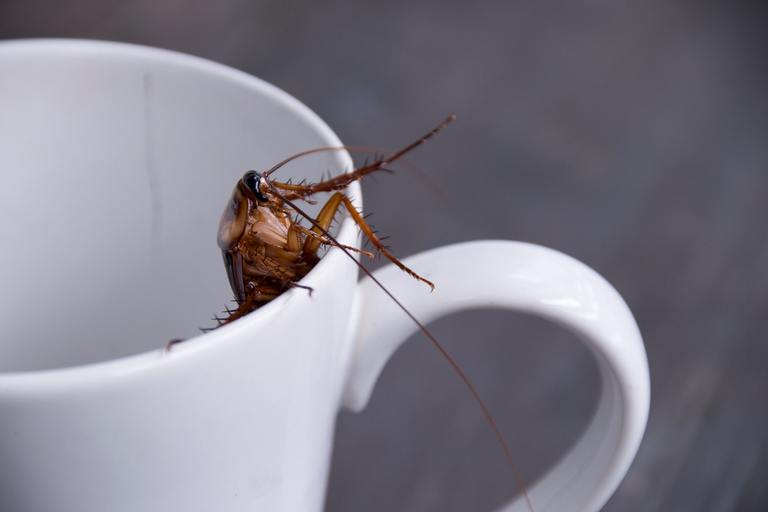
When comparing cockroach vs waterbug, appearance is one of the easiest ways to tell them apart. Cockroaches have several distinct physical features that make them recognizable once you know what to look for.
Cockroaches typically have the following characteristics:
- Oval shaped or slightly flattened bodies
- Long, thin antennae that constantly move as they explore their surroundings
- Six spiny legs that allow them to run quickly
- Wings that usually lie flat over the back
- Fast, darting movement when disturbed
One of the most noticeable traits of cockroaches is their speed. When exposed to light or movement, they often run quickly toward dark hiding areas. This behavior is a strong indicator that the insect is likely a cockroach rather than a waterbug.
Cockroaches also tend to prefer tight hiding spaces. During the day they often remain hidden behind appliances, inside cabinets, under sinks, or inside wall voids. They become more active at night when they search for food and moisture.
Several cockroach species are commonly found around homes in the southern United States.
American Cockroach
Often called a waterbug, the American cockroach is one of the largest cockroach species in North America. Adults can grow longer than two inches and are typically reddish brown with a pale yellow band behind the head.
American cockroaches are commonly found in warm, humid environments such as sewer systems, crawl spaces, basements, and utility rooms. Because they often travel through drains and plumbing areas, they are frequently mistaken for waterbugs when they appear indoors.
German Cockroach
German cockroaches are much smaller than American cockroaches and are usually light brown in color. They have two dark stripes behind the head, which is one of the easiest ways to identify them.
This species is strongly associated with indoor infestations. German cockroaches reproduce quickly and often hide in kitchens, bathrooms, and areas where food is prepared or stored.
Smokybrown Cockroach
The smokybrown cockroach is another species commonly found in warm climates like Florida. These cockroaches are dark brown to nearly black in color and are strong fliers.
They typically live outdoors in tree holes, mulch, and leaf litter but may enter homes when conditions are favorable. Lights, moisture, and shelter can attract them indoors.
Recognizing the physical traits and behaviors of these species can help homeowners better understand the cockroach vs waterbug confusion and determine what type of insect they are dealing with.
More information about cockroach identification and behavior can be found here.

What Does a True Waterbug Look Like?
True waterbugs belong to a group of aquatic insects called Belostomatidae. These insects live almost entirely in freshwater environments and behave very differently from cockroaches. While cockroaches are land dwelling scavengers, waterbugs are aquatic predators that spend most of their lives hunting other organisms in ponds, lakes, marshes, and slow moving streams.
Research on aquatic insects shows that waterbugs actively prey on small fish, tadpoles, aquatic insects, and even tiny amphibians. Because they are predators, their bodies are designed for capturing and subduing prey rather than scavenging for food like cockroaches.
Adult giant waterbugs can grow surprisingly large, sometimes reaching more than two inches in length. Their size and dark coloring are one of the main reasons they are sometimes confused with large cockroach species.
Physical traits of waterbugs include:
- A flattened oval shaped body that helps them move easily through water
- Powerful front legs designed for grabbing and holding prey
- Shorter antennae compared to cockroaches
- A beak-like mouthpart used for piercing and feeding
- Wings that allow them to fly between bodies of water
Unlike cockroaches, waterbugs spend much of their time either swimming or resting among aquatic vegetation. They often hide beneath rocks, plant material, or debris in shallow water while waiting for prey to pass by.
Because of their size and appearance, giant waterbugs are sometimes mistaken for cockroaches when they are found near outdoor lights, pools, ponds, or water features. They may occasionally fly toward lights at night, which can cause them to land on patios, sidewalks, or exterior walls.
However, unlike cockroaches, they are not household pests and do not establish infestations inside buildings. Most encounters with waterbugs occur outdoors near natural water sources.
Are Waterbugs Dangerous to Humans?
In the cockroach vs waterbug comparison, true waterbugs have a defensive capability that cockroaches do not. These insects can deliver a painful bite if they are handled or accidentally stepped on. This is why they are sometimes referred to as toe-biters.
Waterbugs use a sharp, beak-like mouthpart called a rostrum. This structure allows them to pierce their prey and inject digestive enzymes that break down internal tissues. Once the prey is immobilized, the waterbug consumes the liquified contents.
While this feeding method sounds alarming, waterbugs rarely bite humans unless they feel threatened or trapped. Most bites occur when someone picks up the insect or accidentally presses against it while swimming or walking in shallow water.
If a bite does occur, the symptoms can include:
- Sudden sharp pain at the bite site
- Temporary swelling
- Localized redness
- Mild irritation or tenderness
The bite is typically not medically dangerous for most people, but it can be surprisingly painful for a short period of time. Fortunately, encounters between humans and waterbugs are relatively uncommon.
Despite their intimidating reputation, waterbugs are not aggressive toward people and generally avoid contact. They prefer to remain hidden in aquatic environments where they hunt smaller prey.
Encounters with waterbugs inside homes are extremely rare because these insects depend on water to survive. If a large insect appears inside a home, it is far more likely to be a cockroach rather than a true waterbug.
Why Do Cockroaches Enter Homes?
When homeowners search for cockroach vs waterbug, they are often trying to identify insects that have appeared inside their homes. In most cases, these sightings involve cockroaches rather than waterbugs.
Cockroaches are highly adaptable insects that are capable of surviving in many environments. Homes provide the exact conditions they need to survive and reproduce, including food, moisture, warmth, and shelter.
Cockroaches typically enter homes for three primary reasons.
1. Food sources
Cockroaches are opportunistic scavengers and will eat almost anything that contains organic material. Even small amounts of food residue can attract them.
Common food sources include:
- Food crumbs on floors or countertops
- Grease buildup around stoves
- Pet food left out overnight
- Unsealed pantry items
- Trash and food waste
- Paper, cardboard, and glue
Because cockroaches can survive on extremely small amounts of food, even clean homes can occasionally attract them if access points are available.
2. Moisture
Like many pests, cockroaches need water to survive. Moisture is one of the strongest attractants for these insects.
Sources of moisture that may attract cockroaches include:
- Leaky plumbing
- Condensation around pipes
- Dripping faucets
- Damp crawl spaces
- Bathroom humidity
Areas with consistent moisture often become hiding spots for cockroaches because they provide both water and shelter.
3. Shelter
Cockroaches prefer dark, protected spaces where they can remain hidden during the day. These tight spaces allow them to avoid predators and stay close to food and water sources.
Typical cockroach hiding areas include:
- Behind refrigerators and appliances
- Inside kitchen cabinets
- Inside wall voids
- Under sinks
- Behind baseboards
- Inside cluttered storage areas
If a property provides these conditions, cockroaches may begin to establish themselves indoors. Over time, populations can grow quickly because many cockroach species reproduce rapidly.
Understanding these attractants can help homeowners recognize why cockroach activity occurs and why the cockroach vs waterbug confusion often begins with an indoor sighting.
How Can You Tell If You Have a Cockroach Problem?
Identifying the difference in the cockroach vs waterbug discussion can also help determine whether there may be a larger pest issue.
Seeing a single insect does not always mean there is an infestation, but certain warning signs may suggest cockroaches are present.
Common indicators include:
- Droppings that resemble black pepper or coffee grounds
- Egg cases called oothecae
- Musty odors in cabinets or hidden areas
- Smear marks along walls
- Increased activity at night
When multiple signs appear together, it often indicates that cockroaches have established themselves inside a structure.
Why Are Cockroaches Considered a Health Concern?
Another important aspect of the cockroach vs waterbug comparison is the potential health risk associated with cockroaches.
Cockroaches can carry bacteria and pathogens on their bodies because they frequently travel through unsanitary environments such as garbage areas and sewer systems. Studies have linked cockroach exposure to allergy and asthma symptoms in sensitive individuals. Because of this, cockroach activity inside homes is generally considered a sanitation and health concern.
What Preventative Steps Help Reduce Cockroach Activity?
Preventative measures can help reduce the likelihood of cockroaches entering homes.
Some common steps include:
- Sealing cracks and entry points
- Repairing plumbing leaks
- Keeping kitchens clean
- Storing food in sealed containers
- Removing clutter
These steps can reduce attractants, but cockroaches are resilient insects that can survive in many environments. More information about cockroaches and similar pests can be found here.
Why Do Large Cockroaches Appear Suddenly?
Many homeowners notice large roaches appearing suddenly in bathrooms, kitchens, or laundry rooms and assume the insects have just arrived out of nowhere. In the cockroach vs waterbug discussion, these sightings are most often American cockroaches traveling indoors from outdoor environments or sewer systems.
American cockroaches are highly mobile insects that commonly live outside around homes. They often inhabit storm drains, sewer systems, mulch beds, leaf piles, and other warm, damp environments. When conditions change outdoors, these roaches may wander into nearby structures while searching for food, water, or shelter.
Several environmental factors can cause large cockroaches to suddenly appear inside a home.
Weather changes
Heavy rainfall is one of the most common triggers. Stormwater can flood sewer systems, underground drains, and outdoor hiding areas where cockroaches normally live. When these environments become saturated, roaches are forced to move upward and may enter buildings through plumbing lines, cracks, or foundation gaps.
Plumbing connections
Many cockroach sightings occur near drains or plumbing fixtures. Because American cockroaches often live in sewer systems, they can travel through pipe networks and emerge through floor drains, sink drains, or damaged plumbing seals.
Seasonal population growth
Outdoor cockroach populations naturally increase during warm months. When populations grow larger, it becomes more likely that some individuals will wander indoors while exploring new food sources or shelter.
Lights and warmth
Exterior lights can attract flying cockroach species such as the smokybrown cockroach. Once they land near doors or windows, small openings can allow them to slip inside structures.
Because American cockroaches prefer humid environments, they are frequently seen in rooms that contain plumbing or moisture, including:
- Utility rooms
- Bathrooms
- Laundry rooms
- Kitchens
Outdoor populations can easily wander indoors when conditions change. When homeowners see large insects appear suddenly in these areas, it often creates the impression that the pests came from inside the home when they may actually have traveled in from outside environments.
Understanding these patterns helps explain why the cockroach vs waterbug confusion often begins with a sudden indoor sighting.
What Is the Best Way to Address Cockroach Activity?
Once cockroaches begin appearing indoors, controlling them can become challenging without a structured approach. Many store bought treatments may eliminate individual insects, but they often fail to address the underlying conditions that allow cockroaches to survive and reproduce.
Effective pest management usually involves several coordinated steps that focus on both removing active insects and reducing the conditions that attract them.
Accurate identification
The first step in addressing cockroach activity is determining which species is present. Different cockroach species behave differently and may require different control strategies. Identifying the species involved helps guide the most effective treatment approach.
Locating hiding areas
Cockroaches spend most of their time hidden in protected spaces. Locating these hiding areas is essential for effective control.
Common hiding locations include:
- Behind refrigerators and kitchen appliances
- Inside cabinets and pantries
- Inside wall voids
- Under sinks and plumbing areas
- Around utility lines and pipe openings
Reducing moisture and food sources
Because cockroaches depend on food and water, removing these attractants can significantly reduce their activity. Fixing plumbing leaks, improving ventilation, and maintaining clean kitchen areas can help limit the resources cockroaches need to survive.

Targeted treatment strategies
Professional pest management programs often use a combination of monitoring tools, targeted treatments, and preventative strategies designed to interrupt cockroach activity and reduce the likelihood of future infestations.
When these steps are combined, they create a more complete strategy that addresses both the insects themselves and the environmental factors that allow them to thrive. Professional pest management strategies are designed to address these factors together rather than relying on temporary solutions.
Final Thoughts: Understanding the Cockroach vs Waterbug Confusion
The cockroach vs waterbug confusion is common, especially in regions where large cockroaches are often called waterbugs. In reality, the insects people see inside their homes are usually cockroaches rather than true aquatic waterbugs.
Understanding the differences between these insects can help homeowners better identify potential pest activity and respond appropriately.
While true waterbugs are aquatic predators that rarely enter homes, cockroaches are adaptable pests that can thrive in many environments when food, moisture, and shelter are available.
Learning how to recognize the signs of cockroach activity and addressing conditions that attract them can make a significant difference in maintaining a pest free environment.