Crickets in House: Why They Come Indoors and How to Keep Them Out

Published: July 29, 2026
Introduction
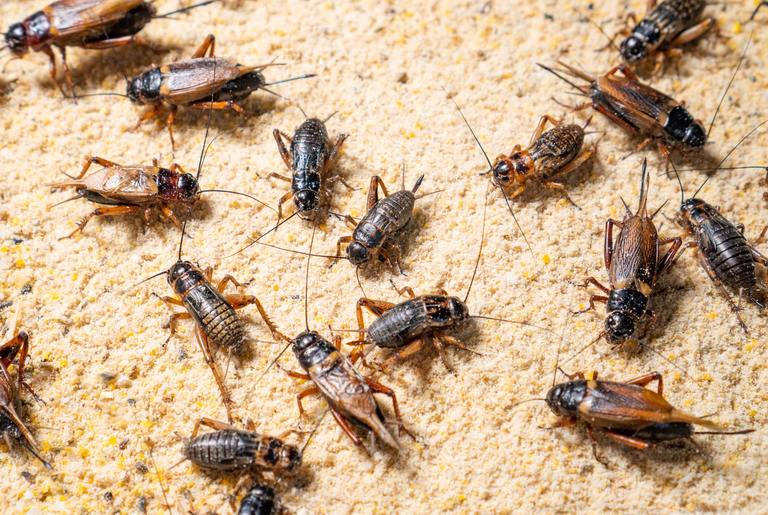
Finding a cricket indoors is usually more annoying than alarming, especially when the chirping starts after the house gets quiet. One cricket in a garage or laundry room may simply be an accidental visitor. Several crickets in house spaces, however, can point to moisture, exterior lighting, thick vegetation, or small entry gaps that are making your home easier to invade.
Crickets do not infest homes the same way German cockroaches or bed bugs do, but they can still become a frustrating nuisance. They hide in dark areas, move quickly, chew on some fabrics or papers when conditions allow, and attract predators that feed on insects. For homeowners in warm, humid regions, crickets can also be part of a larger pattern: pests moving from the yard, mulch, foundation, garage, or crawl space into cooler indoor shelter.
The good news is that cricket problems are usually manageable when you understand what is attracting them. This guide explains why crickets come inside, where they hide, what warning signs matter, and when a professional inspection is worth it.a

Why Are Crickets in House Areas All of a Sudden?
Crickets usually come indoors because the conditions outside push them toward shelter or because the home is unintentionally inviting them in. They are drawn to damp, protected places with food, cover, and easy entry points.
Common triggers include:
- Heavy rain that floods mulch beds, leaf litter, crawl spaces, or foundation gaps
- Hot, dry weather that sends insects searching for moisture
- Bright exterior lights near doors, garages, and patios
- Thick grass, weeds, stacked firewood, or clutter close to the foundation
- Torn door sweeps, cracked weatherstripping, open garage gaps, or utility penetrations
- Damp basements, crawl spaces, laundry rooms, and storage areas
Crickets are also more noticeable at night because many species are nocturnal. A homeowner may not see much during the day, then hear chirping from a wall edge, garage corner, or appliance gap after dark. That timing can make the problem feel sudden even when the insects have been around the exterior for a while.
The University of Minnesota Extension recommends caulking cracks, reducing weeds near the foundation, removing debris, and adjusting outdoor lighting as key steps for keeping crickets from entering homes. Those same steps help with many other occasional invaders, which is why a broader home general pest control plan often focuses heavily on the exterior before pests move inside.
What Kind of Cricket Is Getting Indoors?
Homeowners often use the word cricket for several insects that jump, hide, or appear around damp areas. Correct identification matters because a field cricket in a garage, a camel cricket in a crawl space, and a mole cricket in the lawn all call for different expectations.
House crickets and field crickets
House crickets and field crickets are the classic chirping insects people imagine first. Field crickets are often dark brown to black and may gather around lights before slipping indoors. House crickets are lighter and can live near buildings where warmth and food are available. Both have strong hind legs, long antennae, and chewing mouthparts. Purdue Extension describes crickets and related insects as having chewing mouthparts and enlarged hind legs used for jumping, which helps explain why they can move so quickly when disturbed.
Camel crickets and spider crickets
Camel crickets, often called spider crickets, look more alarming because of their humped backs, long legs, and habit of jumping toward movement. They do not chirp like common house crickets. They prefer dark, humid places such as crawl spaces, basements, garages, sheds, and cluttered storage rooms. If you are seeing them repeatedly, moisture is usually part of the story.
Mole crickets outdoors
Mole crickets are a lawn and soil concern, not a typical indoor cricket problem. They have shovel-like front legs and spend much of their time tunneling through turf or soil. If the insect is damaging grass, creating raised tunnels, or showing up near thinning lawn patches, the issue may be a turf pest rather than an indoor nuisance pest.

Are Crickets in House Spaces Dangerous?
Most crickets are not dangerous to people. They are not known for spreading disease indoors like some filth-associated pests, and they are not aggressive. The bigger concern is what their presence says about conditions around the home.
A few crickets in house areas may mean nothing more than a gap under a garage door. Repeated activity can point to moisture, food debris, clutter, or outdoor harborage that is also attractive to other pests. The same damp storage room that supports camel crickets can also draw spiders, silverfish, cockroaches, ants, and other insects.
Crickets can cause minor damage if they chew fabrics, paper, wallpaper glue, cardboard, or natural fibers. This is usually not widespread structural damage. It is more common when insects have access to stored materials in quiet, humid areas. The nuisance factor is often larger than the damage itself: chirping, jumping insects, and repeated sightings can make a clean home feel unsettled.
Crickets may also become part of the food chain inside and around the home. Spiders, scorpions, rodents, lizards, and some wasps feed on insects. If cricket activity is high around exterior lights or damp foundation edges, it can support other pest activity nearby. That is one reason professional spider control often includes attention to the insects that spiders are feeding on, not just the webs a homeowner can see.
Where Do Crickets Hide Indoors?
Crickets look for quiet, protected spaces where they are less likely to be disturbed. Indoors, that usually means the edges of rooms rather than open floors.
Check these areas first:
- Garage corners, especially near the overhead door
- Utility rooms, laundry rooms, and water heater closets
- Crawl space entrances and vents
- Basements or lower-level storage areas
- Behind appliances, shelving, boxes, and pet food storage
- Under sinks where plumbing creates moisture
- Around patio doors, sliding doors, and threshold gaps
- Attics or wall edges if insects are entering near soffits or roofline openings
If chirping seems to come from a wall, the cricket may be tucked into a gap at the baseboard, behind a cabinet, or near a pipe opening. Sound can bounce around hard surfaces, so the loudest spot is not always the exact hiding place.
Why do crickets keep showing up in the garage?
Garages are one of the most common places to find crickets because they combine three things pests like: easy entry, shelter, and clutter. The rubber seal at the bottom of a garage door often wears down or leaves side gaps. Cardboard boxes, stored tools, pet food, grass seed, and outdoor gear create hiding places. If the garage stays humid after rain or irrigation, crickets may linger instead of leaving.
A garage cricket problem can also be a warning that other pests have a route inside. Gaps large enough for insects can sometimes become access points for larger pests if ignored. If you notice droppings, gnawing, nesting material, or scratching sounds in addition to insects, it may be time to look at rat and rodent control rather than treating the situation as a cricket-only issue.

What Attracts Crickets Around the Outside of the Home?
Indoor cricket control starts outdoors. Most crickets begin in the yard, landscape beds, or foundation zone before they cross the threshold.
Moisture and dense vegetation
Crickets need moisture to survive. Overwatered landscaping, clogged gutters, poor drainage, dense ground cover, and thick weeds can create ideal hiding areas. Mulch beds that stay wet against the foundation are especially inviting because they provide cover and humidity.
Moisture also attracts other insects. That matters because pest problems rarely exist in neat categories. The same conditions that make crickets comfortable can also support ants, roaches, mosquitoes, and spiders. If you are already dealing with damp landscape beds, improving drainage can support both cricket prevention and mosquito control by reducing places where pests rest or breed.
Outdoor lighting
Crickets are often drawn toward bright exterior lights. Porch lights, garage lights, landscape lighting, and security lights can pull insects toward doors and windows. Once they are gathered near the structure, even a small gap can become an entry route.
Consider using warm-colored bulbs, motion sensors, or lower-intensity fixtures near entrances. The goal is not to make the outside pitch dark. It is to avoid creating a nightly insect gathering point right beside your door.
Food and organic debris
Crickets feed on a mix of plant material, organic debris, and sometimes other small insects or stored materials. Leaf piles, grass clippings, fallen fruit, pet food, garbage residue, and clutter around the foundation can all keep insects close to the home.
When sanitation and exclusion are ignored, cricket activity may overlap with pests that are more concerning indoors. For example, food debris and moisture that keep insects active near the kitchen or garage can also create pressure from roaches. A targeted cockroach control inspection looks at those attractants because roaches, like crickets, take advantage of food, water, and hidden access points.
How Can Homeowners Get Rid of Crickets in House Areas?
The best approach is to remove the conditions that brought the crickets inside, then close the routes they used. Spraying visible insects without correcting moisture, lights, clutter, or gaps usually leads to repeat sightings.
Start with these steps:
- Vacuum or sweep up visible crickets. Empty the vacuum outside right away.
- Move boxes, bags, and stored items away from walls so hiding places are easier to inspect.
- Repair torn screens, loose door sweeps, and cracked weatherstripping.
- Seal gaps around pipes, cables, vents, thresholds, and foundation openings.
- Trim grass and weeds near the foundation.
- Move firewood, bricks, boards, and stored items away from exterior walls.
- Reduce bright lighting near doors or switch to less attractive warm bulbs.
- Correct damp areas with drainage improvements, ventilation, or a dehumidifier.
The broader principle is simple: make the home harder to enter and less comfortable once pests get there. Extension guidance on household nuisance insects supports controlling insects when necessary, especially by addressing the conditions that allow them to persist.
Should you use sticky traps?
Sticky traps can help you monitor where crickets are traveling, especially in garages, closets, basements, and utility rooms. Place them along walls, behind appliances, near doors, or close to suspected entry points. They are not a complete solution, but they can help confirm whether activity is increasing, decreasing, or concentrated in one area.
Avoid placing sticky traps where children or pets can reach them. If traps fill quickly or continue catching crickets after you make basic repairs, the exterior source may still be active.
Should you use indoor sprays?
Be careful with indoor pesticide use. More product does not mean better control, and applying products in the wrong places can create unnecessary exposure without solving the source. Always follow label directions. Do not apply outdoor-only products indoors, and do not treat food-contact surfaces, pet areas, or bedding.
If crickets are appearing in large numbers, an exterior-focused treatment combined with exclusion and moisture correction is usually more effective than chasing individual insects inside. This is especially true when crickets are entering from landscape beds, crawl spaces, garages, or foundation gaps.
When Do Crickets Point to a Bigger Pest Issue?
Crickets are often a symptom pest. They may not be the most damaging pest in the home, but they can reveal a condition that deserves attention.
Consider a professional inspection if you notice any of the following:
- Crickets appearing daily or in several rooms
- Persistent chirping from walls, garages, or crawl spaces
- Moisture problems, musty odors, or damp storage materials
- Spider activity increasing at the same time
- Roach sightings near the same rooms or entry points
- Ant trails near exterior walls, kitchens, or bathrooms
- Chewed boxes, gnaw marks, or rodent-like droppings
- Crickets returning soon after DIY treatment
This is where a trained eye helps. A professional can identify the insect, trace likely entry points, check moisture-prone areas, and determine whether the problem is limited to occasional invaders or tied to a broader pest pattern. If ants are also entering through the same damp foundation zone, for instance, the right next step may include ant control services along with exterior exclusion work.
How Professionals Approach a Cricket Problem
A professional cricket service should not be a quick spray-and-leave visit. The most useful inspection looks at the whole pressure zone around the home.
A complete approach may include:
- Identifying whether the pest is a house cricket, field cricket, camel cricket, mole cricket, or lookalike
- Inspecting door thresholds, garage seals, utility openings, crawl space vents, and foundation gaps
- Checking mulch, debris, leaf litter, drainage, lighting, and vegetation near the structure
- Looking for related pest activity such as roaches, spiders, ants, rodents, or silverfish
- Applying targeted treatments where appropriate and allowed by the product label
- Recommending exclusion, moisture reduction, and sanitation changes that lower future pressure
For homeowners, this matters because cricket problems often come back when treatment ignores the cause. If the garage door still has a side gap, the crawl space is still damp, and bright lights still pull insects to the entry, the next wave of crickets can arrive as soon as the weather shifts.
How to Prevent Crickets Before They Get Indoors
Prevention works best when it becomes part of normal home maintenance. You do not need to turn your property upside down. Focus on the few areas where insects are most likely to gather and enter.
What should you do outside first?
Start with the foundation zone. Keep grass trimmed, reduce weeds, rake out thick leaf litter, and avoid stacking wood or storage bins against the house. If mulch stays wet for days after rain, pull it back from siding and consider whether drainage needs attention.
Walk the perimeter in daylight and look for simple entry points: gaps under doors, missing caulk, cracked vent screens, loose utility plates, and daylight showing around the garage door. Many cricket issues are won or lost at these small openings.
What should you change indoors?
Reduce clutter along walls in garages, closets, and storage rooms. Store pet food, bird seed, and grass seed in sealed containers. Run a dehumidifier in damp areas when needed. Fix plumbing leaks quickly, especially under sinks or near laundry equipment.
If you hear chirping at night, resist the urge to rely only on sound. Inspect with a flashlight along baseboards, behind stored items, under appliances, and near exterior walls. You are looking for the pathway as much as the insect.
Crickets in House: What Is the Bottom Line?
Crickets in house spaces are usually a nuisance, but repeated sightings should not be ignored. They often point to moisture, lighting, clutter, or entry gaps that make the home easier for pests to access. A few practical changes can make a big difference: seal openings, reduce exterior hiding places, adjust lighting, dry out damp areas, and monitor where insects are moving.
When the problem continues, professional help can save time by finding the source instead of treating one cricket at a time. All U Need Pest Control approaches these issues the way experienced pest professionals should: by identifying the pest, reading the conditions around the home, and building a prevention plan that helps keep insects outside where they belong.