Earwigs in the House: Why They Come Inside and How to Keep Them Out

Published: August 11, 2026
Introduction
Finding a dark, narrow insect with a pair of pincers at the back of its body can be unsettling. The good news is that earwigs are usually accidental indoor invaders, not a sign that your home is being damaged from the inside. They prefer cool, damp, protected places outdoors and often wander into buildings when weather, moisture, or nearby shelter makes the foundation attractive.
Still, repeated sightings deserve attention. These insects can point to wet mulch, drainage trouble, plumbing moisture, foundation gaps, or other conditions that also support less obvious pest activity. Understanding what draws them close to the house is the first step toward a lasting solution.
This guide explains how to identify these insects, why they move indoors, what homeowners can safely do, and when a professional inspection makes sense.
What Are Earwigs?
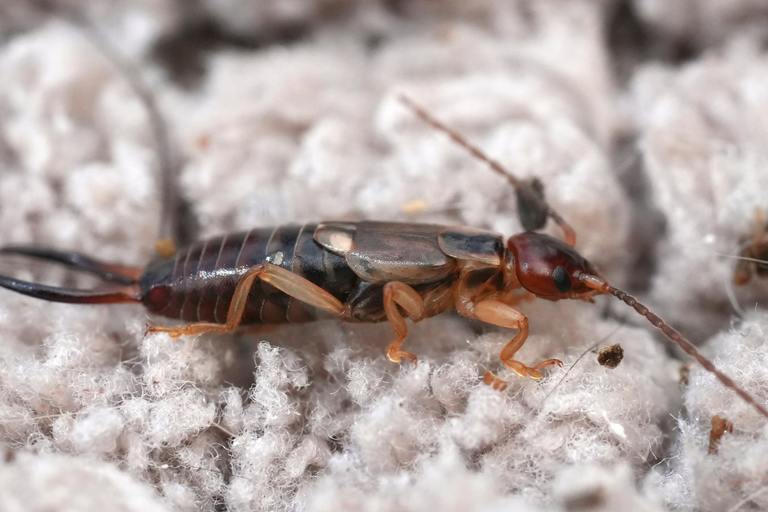
Earwigs are elongated insects in the order Dermaptera. Their most recognizable feature is a pair of forceps-like appendages, called cerci, at the end of the abdomen. Depending on the species and sex, those pincers may look curved or nearly straight. Most adults are brown to reddish brown and have flattened bodies that let them slip beneath bark, stones, mulch, planters, and narrow exterior gaps.
They are mostly active at night. During daylight hours, they hide in cool, dark, moist spaces. The common hiding and feeding habits of these insects explain why homeowners may find them beneath wet landscape material during the day and near doors, bathrooms, garages, or utility rooms after dark.
These insects eat a varied diet. Depending on the species and available food, they may feed on decaying plant material, fungi, small insects, seedlings, flowers, or soft fruit. A few in the landscape are part of the normal outdoor ecosystem. Large numbers near the foundation, recurring indoor sightings, or visible plant damage create a different situation.
Why Are Earwigs Coming Into the House?
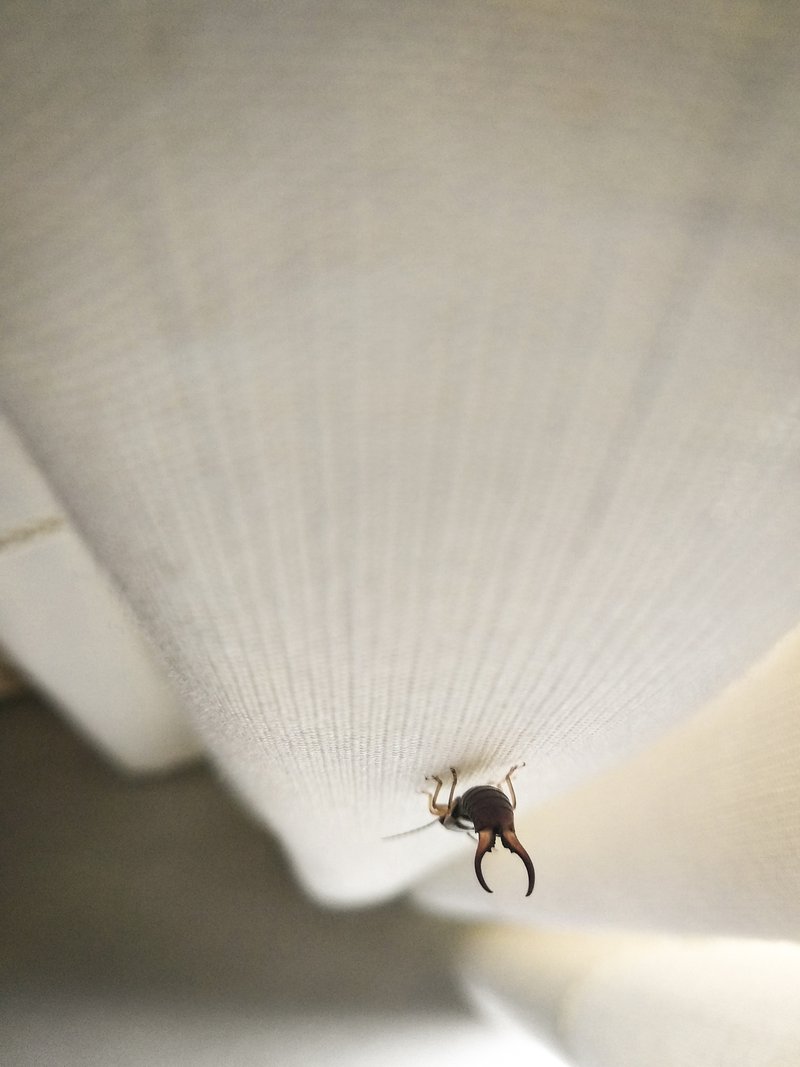
They enter because the structure offers shelter, moisture, or a convenient opening. A home does not need to be dirty to have this problem. Weather patterns and exterior conditions are often more important than indoor housekeeping.
Common drivers include:
- Heavy rain that saturates soil and pushes insects out of their usual hiding places
- Hot, dry weather that makes cooler indoor spaces more attractive
- Damp mulch, leaf litter, ground cover, or boards beside the foundation
- Leaking hose bibs, irrigation overspray, clogged gutters, or poor drainage
- Gaps beneath exterior doors and around utility penetrations
- Bright exterior lighting that increases insect activity near entry points
- Cardboard, stored pots, firewood, or clutter in garages and covered patios
Earwigs do not typically establish large, long-lived colonies inside a dry home. If you are seeing them day after day, the source is often close to the exterior. They may be hiding in mulch, under planters, beside an air-conditioning pad, in a damp garage, or near a doorway with a worn sweep.
An effective response therefore looks beyond the individual insect. It examines the moisture, shelter, and access route supporting the pattern. That same broad approach is central to home and general pest control, especially when occasional invaders keep returning despite indoor cleanup.
Are Earwigs Dangerous to People or Pets?
Despite the old story behind their name, these insects do not seek out human ears, burrow into people, or lay eggs in the body. They are not known for transmitting disease to people, and they are not venomous.
The rear pincers are mainly used for defense, handling food, and interactions with other members of their species. A handled or trapped insect may try to pinch. For most people, that is unlikely to break the skin or cause more than brief discomfort. Pets may investigate one, but an isolated encounter is generally more startling than dangerous.
Homeowners should still avoid picking up unfamiliar insects with bare hands. Use a vacuum, tissue, cup, or another simple barrier for removal. If a person or pet has a significant reaction after contact with any unidentified pest, seek advice from an appropriate medical or veterinary professional rather than assuming the cause.

How Can You Tell Them From Similar Household Pests?
Correct identification matters because several moisture-loving or fast-moving pests require different control strategies. Focus on body shape, appendages, movement, and where the insect was found.
Earwig Versus Silverfish
Both favor humid, protected spaces and may appear in bathrooms, garages, or storage areas. A silverfish has a tapered, carrot-shaped body with three long tail filaments. An earwig has a more parallel-sided body and two obvious pincers. Homes with persistent humidity may support either pest, which is why professional silverfish control in moisture-prone areas can involve inspection of ventilation, leaks, and indoor harborage as well as treatment.
Earwig Versus Small Roach
A small cockroach has long antennae and paired appendages at the rear, but it does not have the large forceps associated with an earwig. Roaches also leave other evidence, such as droppings, egg cases, or repeated nighttime activity near food and water. When those clues are present, the problem needs a species-specific cockroach inspection and control plan rather than occasional-invader advice.
Earwig Versus Millipede
Millipedes have cylindrical or slightly flattened bodies made of many visible segments with numerous legs. They often move indoors after prolonged rain or when outdoor moisture becomes excessive. Like earwigs, they commonly signal a moisture and entry-point issue. A millipede control assessment can help distinguish a weather-driven migration from conditions that keep supporting activity around the structure.
If the insect is crushed, blurry, or missing key features, save an intact specimen in a sealed container or take a clear photograph beside a coin for scale. Reliable identification prevents wasted effort and unnecessary product use.
Where Should You Look for Them?
Start outside, then work inward from the rooms where you have seen activity. A flashlight and a careful visual inspection are usually more useful than immediately applying a spray.
Outdoor Inspection Areas
Check places that stay shaded, protected, or damp:
- Lift planters, saucers, doormats, landscape stones, and loose boards.
- Look beneath dense ground cover and wet mulch near the foundation.
- Inspect around irrigation heads, downspouts, hose connections, and air-conditioning drain lines.
- Check stacked firewood, cardboard, stored lawn items, and debris along garage walls.
- Examine door thresholds, weep holes, damaged screens, siding gaps, and utility penetrations.
- Look for plant injury on tender leaves, seedlings, blossoms, and soft fruit, especially when feeding appears overnight.
University guidance notes that dense ground cover, debris, and overly wet areas can provide daytime shelter. The goal is not to make a yard sterile. It is to reduce concentrated shelter directly against the building.

Indoor Inspection Areas
Look along baseboards and beneath stored items in garages, laundry rooms, bathrooms, mudrooms, utility spaces, and first-floor rooms near exterior doors. Check under sinks for leaks and around floor drains or condensate lines for persistent moisture. A few dead insects near a threshold may reveal an entry point. Live insects appearing in several rooms may indicate multiple gaps or a larger outdoor population.
Sticky monitors can help show where activity is concentrated, but place them where children and pets cannot reach them. Monitoring is most useful when paired with notes about date, weather, room, and number found. A pattern that increases after irrigation or storms gives the inspection valuable direction.
How Do You Get Rid of Them Indoors?
Begin with removal and correction of the conditions that brought them in. A single wandering insect rarely calls for broad indoor treatment.
Remove the Insects You Can See
Vacuum visible insects and empty the vacuum contents into a sealed outdoor trash container. Wipe the area afterward and inspect the nearby wall edge, door, pipe, or stored item for a likely route. Avoid crushing them on fabric or porous surfaces, since the result can be messy and may leave an odor.
Dry Damp Areas
Repair plumbing leaks, improve bathroom ventilation, dry wet garage corners, and address condensation. Outdoors, redirect downspouts, correct irrigation overspray, and avoid keeping the soil beside the foundation constantly wet. Water plants early enough for surfaces to dry before nightfall when practical.
Close Access Points
Replace damaged door sweeps, repair screens, and seal appropriate gaps around pipes, cables, windows, and trim. Weatherstripping should make continuous contact when a door closes. Because some openings serve drainage or ventilation purposes, do not seal weep holes, vents, or other building features without understanding their function.
Reduce Nearby Shelter
Rake heavy leaf litter away from the house, thin dense ground cover where it touches the structure, and keep mulch from piling against siding. Store firewood off the ground and away from exterior walls. Move unused pots, boards, cardboard, and other moisture-holding items out of foundation zones.
Landscape changes should remain sensible for plant health. The role of ground-level pest management is to address active areas and likely travel routes as part of a larger plan, not to apply products indiscriminately across every part of the yard.
What Should You Avoid When Trying to Control Them?
Quick fixes can create unnecessary exposure without correcting the source. Avoid these common mistakes:
- Do not rely on repeated indoor aerosol spraying as the main strategy.
- Do not mix pesticides or use a product in a place not allowed by its label.
- Do not place homemade liquid traps where children, pets, or wildlife can reach them.
- Do not apply outdoor products before checking weather, drainage, and label restrictions.
- Do not assume every narrow brown insect is the same pest.
- Do not seal functional drainage or ventilation openings just because insects are nearby.
Pesticide labels are legal directions, not suggestions. If a product is used, follow all instructions for the target pest, site, protective equipment, application rate, and reentry time. When the source is unclear, an inspection is safer and usually more efficient than experimenting with several products.
Can They Damage a House or Garden?
They do not eat structural wood like termites, and they do not normally damage wiring, framing, or household contents. Their presence indoors is mainly a nuisance and a clue that moisture or access conditions need attention.
In gardens, the answer is more nuanced. They may feed on decaying material and other small organisms, but high numbers can also chew tender plants, flowers, seedlings, and ripening produce. Ragged holes alone do not prove the cause because slugs, caterpillars, beetles, and other nighttime feeders can create similar injury.
Inspect plants after dark with a flashlight and check beneath nearby shelter during the day. The relationship between earwig numbers and plant injury is easier to judge when you confirm the insect at the damaged plant rather than relying on the damage pattern alone.
If most sightings are indoors, focus on foundation moisture and openings. If damage is concentrated in a garden bed, focus on plant-level confirmation, nearby hiding places, irrigation habits, and an integrated plan that protects beneficial organisms.

When Is Professional Earwig Control Worth It?
Professional help is reasonable when sightings continue after basic moisture reduction and exclusion, when insects appear in several rooms, or when the source cannot be safely accessed. It is also useful when identification is uncertain or when activity occurs alongside roaches, ants, silverfish, millipedes, or other moisture-associated pests.
A thorough service should do more than treat the insects visible that day. The technician may:
- Confirm the pest and rule out important lookalikes
- Trace activity from indoor rooms to likely exterior harborages
- Check doors, utility penetrations, foundations, mulch lines, and moisture zones
- Identify sanitation, drainage, landscape, or exclusion changes that support control
- Select targeted products and application sites based on the property and label
- Explain what activity may continue temporarily and what improvement should look like
- Recommend follow-up when weather or heavy exterior pressure warrants it
This property-level approach matters because regional homes can face several occasional invaders under the same humid conditions. Reviewing the most common bugs found around Southwest Florida homes can help homeowners understand why accurate identification and site-specific prevention are more dependable than treating every insect the same way.
How Can You Prevent Them From Returning?
Prevention is a combination of moisture management, exterior housekeeping, exclusion, and periodic inspection. The most useful routine is simple enough to maintain:
- Walk the foundation after heavy rain and look for puddling, saturated mulch, or overflowing gutters.
- Check door sweeps and weatherstripping every few months.
- Keep plant growth, stored objects, and firewood from pressing against exterior walls.
- Repair leaks and aim irrigation away from doors, walls, and utility penetrations.
- Reduce unnecessary nighttime lighting near entrances or use fixtures and placement that draw fewer insects toward doors.
- Vacuum occasional indoor invaders and record where they appear.
- Request an inspection if the pattern grows, persists, or involves an uncertain species.
Weather can temporarily increase activity even at a well-maintained home. The goal is not a promise that no outdoor insect will ever cross a threshold. It is to make the property less supportive, reduce entry opportunities, and catch changing conditions before a small nuisance becomes a recurring problem.
A Practical Final Takeaway
An occasional earwig indoors is usually an accidental visitor. Repeated activity, however, often points toward a correctable combination of moisture, nearby shelter, and small exterior openings. Start by removing visible insects, checking damp areas, inspecting the foundation, and reducing protected hiding places close to the structure.
If those steps do not improve the pattern, a professional can identify the insect, trace the source, and build a targeted plan around the property rather than relying on repeated indoor spraying. That measured approach protects the home while addressing the conditions that allowed the problem to develop.