Cockroach Infestation: 9 Signs Roaches Are Hiding in Your Home

Published: August 3, 2026
Introductions
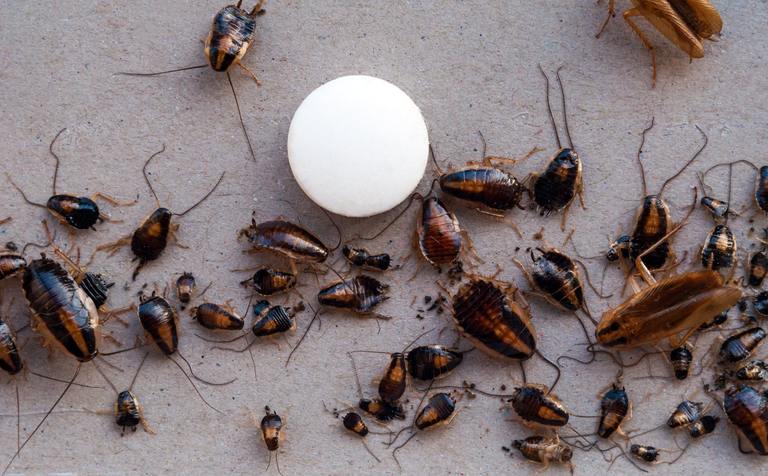
Seeing one roach race across the kitchen floor is unsettling. The harder question is whether that insect wandered in from outdoors or belongs to a population already living behind cabinets, inside appliances, or near plumbing. A cockroach infestation often stays hidden until food, water, crowding, or treatment disturbs the insects. By the time roaches are active in open areas, there may be more activity nearby than a homeowner can see.
The good news is that roaches leave clues. Droppings, egg cases, odors, shed skins, nighttime movement, and repeat sightings can help reveal where they are hiding and how established the problem may be. Knowing what those signs mean helps you respond early, avoid spreading roaches to new rooms, and give a pest control professional better information during an inspection.
What Counts as a Cockroach Infestation?
A single cockroach does not always prove that a colony is living indoors. Large outdoor species may enter through a door, drain opening, garage, or damaged screen, especially after heavy rain or extreme heat. An infestation is more likely when roaches are feeding, sheltering, and reproducing inside the structure.
The strongest evidence is a pattern, not one isolated event. Multiple sizes of roaches, recurring droppings, egg cases, and sightings in the same area over several nights point to ongoing activity. Our cockroach identification guide can help homeowners compare common species and understand why correct identification matters before control begins.
Indoor infestations are often associated with smaller species that live close to food and moisture. German cockroaches are especially well suited to kitchens, bathrooms, break rooms, and utility areas. Larger American cockroaches often develop around sewers, drains, crawl spaces, basements, and other warm, damp locations before moving into living spaces.

What Are the Most Common Signs of a Cockroach Infestation?
No single clue tells the whole story. Look at the location, frequency, and combination of evidence. The following nine signs deserve attention.
1. Roaches Appear Repeatedly After Dark
Cockroaches are generally most active when a home is quiet and lights are off. A homeowner may enter the kitchen at night, switch on a light, and see insects scatter under the refrigerator or into cabinet gaps. Repeated nighttime sightings in the same room are more meaningful than one insect found near an exterior door.
Try observing without moving appliances or spraying chemicals. Note the time, room, and direction the insects travel. These details can help an inspector identify likely harborages without pushing roaches deeper into walls.
2. You See Roaches During the Day
Daytime activity can occur when a hiding area is crowded, food or water is scarce, or the insects have been disturbed. It does not provide an exact population count, but it can indicate meaningful pressure, particularly when several roaches are visible in open areas.
A daytime sighting is more concerning when the insect is small, lacks fully developed wings, or appears near a kitchen appliance. Those clues may indicate a juvenile roach living and developing indoors.
3. Droppings Collect Near Food, Water, or Hiding Places
Small cockroach droppings can resemble black pepper, coffee grounds, or dark specks. Larger species may leave cylindrical droppings that can be confused with rodent evidence. Common collection points include cabinet corners, drawer tracks, shelf edges, wall junctions, appliance motors, and areas beneath sinks.
Do not identify droppings by appearance alone. Their size, distribution, and surrounding evidence all matter. A closer look at what cockroach droppings can mean can help you recognize why recurring specks should lead to inspection rather than casual cleanup alone.
Wear disposable gloves when cleaning suspect debris, avoid stirring dust, and wash the area afterward. If the material could be rodent waste, pause and seek proper cleanup guidance because the precautions differ.
4. Egg Cases Appear in Protected Areas
Cockroach egg cases, called oothecae, are small capsules that hold multiple eggs. Their color, shape, size, and placement vary by species. They may be tucked into cabinet joints, cardboard folds, furniture, wall gaps, or other protected areas. Some species carry the case until close to hatching, while others deposit it earlier.
Finding an egg case is important because it points to reproduction, not just an accidental visitor. The guide to identifying cockroach egg cases explains how they differ from droppings, seeds, and ordinary household debris.
5. Small Roaches or Shed Skins Are Present
Young cockroaches, called nymphs, are smaller than adults and do not have fully developed wings. As they grow, they shed their outer covering. Finding several sizes of roaches or multiple cast skins suggests that insects are completing their life cycle nearby.
Homeowners sometimes mistake nymphs for beetles, bed bugs, or other small household insects. Baby cockroach identification clues can help narrow the possibilities, but a photo or captured specimen is often more useful than a description from memory.
6. A Persistent Musty or Oily Odor Develops
Heavy roach activity can create a noticeable stale, musty, or oily smell. The odor may be strongest inside cabinets, pantries, utility spaces, or rooms that stay warm and humid. Spoiled food, plumbing problems, mold, and other conditions can smell similar, so odor alone is not proof.
When a strange smell occurs alongside droppings, live insects, or egg cases, it strengthens the case for a focused inspection. Cleaning may reduce the odor temporarily, but it will not resolve hidden activity by itself.
7. Smear Marks Show Up Along Travel Routes
In damp areas, cockroach fecal material can leave irregular dark smears along walls, baseboards, cabinet edges, and other surfaces. These marks often occur where insects repeatedly move between shelter, food, and water.
Before cleaning, take a clear photo and note the location. A technician may use the pattern to decide where monitors or targeted treatments should go. Never taste, touch, or smell unknown residue closely to identify it.
8. Food Packaging or Stored Items Show Activity
Roaches can shelter in corrugated cardboard, paper bags, grocery packaging, stored appliances, and cluttered cabinets. You may notice droppings in box seams, feeding damage on paper labels, or insects emerging when an item is moved.
Discard contaminated food in a sealed outdoor trash container. Move unaffected pantry goods into hard-sided containers with tight lids. Inspect deliveries and secondhand appliances before bringing them into food-storage areas, since roaches and egg cases can travel with belongings.
9. Monitoring Traps Keep Catching Roaches
Sticky monitors do not eliminate an established population, but they can reveal where insects travel. Place them according to label directions along wall edges, beneath sinks, behind appliances, and near suspected shelter. Date each monitor so changes can be compared over time.
Several catches in one zone, repeated catches after cleaning, or a mix of adults and nymphs can help confirm a cockroach infestation. Keep traps out of reach of children and pets, and do not place them where they will become wet or contaminated with food.

Where Do Cockroaches Hide Inside a House?
Roaches survive by staying close to shelter, food, water, and warmth. Their flat bodies allow them to use narrow cracks that are easy to overlook. According to guidance on cockroach biology and management, different species favor different environments, which is one reason identification should guide the treatment plan.
Common indoor hiding areas include:
- Behind refrigerators, ranges, dishwashers, and microwaves
- Around warm appliance motors and electrical voids
- Beneath sinks and around leaking supply lines
- Inside cabinet seams, drawer tracks, and wall gaps
- Near floor drains, plumbing penetrations, and utility chases
- In cardboard boxes, paper clutter, and stored equipment
- Around pet-feeding areas and recycling containers
- In garages, crawl spaces, attics, and damp storage rooms
Do not pull apart electrical equipment or reach blindly into voids. A flashlight inspection from a safe position is enough for a homeowner. Professional technicians have tools and training to inspect difficult areas without creating unnecessary exposure.
Why Does a Cockroach Infestation Keep Returning?
Recurring activity usually means at least one part of the problem remains unresolved. Roaches may still have access to moisture, food residue, hidden shelter, or an entry route. In apartments and attached homes, they may also travel through shared walls, plumbing lines, or utility openings.
The most common contributing conditions are straightforward:
- Water is available. Leaking pipes, condensation, wet sponges, pet bowls, and poorly ventilated rooms can sustain roaches.
- Food residue remains overnight. Grease beneath appliances, crumbs in cabinet joints, recycling residue, and pet food are easy to miss.
- Harborage is abundant. Cardboard, paper bags, clutter, loose trim, and gaps around plumbing provide protected spaces.
- Entry points remain open. Door gaps, torn screens, drain openings, utility penetrations, and cracks can allow new insects inside.
- Treatment is incomplete. Spraying only the roaches you see may miss egg cases and hidden insects. Some products can also scatter activity if used incorrectly.
The principles of integrated pest management emphasize inspection, prevention, monitoring, and carefully selected controls. This layered approach is more useful than relying on one product or treating every room in the same way.

Can a Clean House Still Have Cockroaches?
Yes. Sanitation influences how much food and water are available, but roaches can enter clean homes through packages, shared walls, gaps, drains, and used appliances. A small plumbing leak or a warm appliance cavity may provide enough moisture and shelter even when counters and floors look spotless.
Cleaning is still important because it removes competing food sources and makes monitoring and bait-based strategies more effective. The point is not to assign blame. It is to identify the exact resources and routes sustaining the activity.
Is a Cockroach Infestation a Health Concern?
Cockroaches move through waste, drains, food residue, and other unsanitary materials. They can mechanically transfer contaminants onto surfaces and stored food. Their body parts, saliva, and droppings can also contribute to indoor allergens. Information about cockroaches as asthma triggers is especially relevant for households with sensitive individuals.
Practical precautions include storing food in sealed containers, cleaning food-contact surfaces, washing hands after handling suspect materials, and discarding exposed food that may be contaminated. People with asthma or significant allergies should follow their medical care plan and speak with a qualified healthcare professional about symptoms.

What Should You Do After Finding Signs?
Start with documentation and source reduction. These steps make a professional inspection more productive and can reduce the resources available to roaches.
Safe First Steps for Homeowners
- Photograph the insect or evidence before cleaning it.
- If practical, capture the insect in a sealed container without touching it.
- Record where and when sightings occur.
- Remove trash and recycling regularly.
- Clean grease, crumbs, and spills, including beneath movable appliances.
- Repair accessible leaks and dry wet surfaces.
- Store dry goods and pet food in sealed containers.
- Reduce cardboard and clutter near kitchens and bathrooms.
- Check door sweeps, screens, and visible utility gaps.
Avoid mixing pesticides, applying products to food-contact surfaces, or using more than the label allows. Foggers are rarely a good answer for hidden roach populations because the material may not reach the deepest harborages and can drive insects into other areas. Product labels are legal instructions and must be followed exactly.

How Does Professional Cockroach Control Work?
Professional service should begin with identification and inspection. A technician looks at the species, life stages, evidence, moisture conditions, likely harborages, and routes between rooms. This information shapes the placement and type of control methods used.
A plan may include:
- Targeted monitoring to locate the heaviest activity
- Crack-and-crevice treatments in appropriate sites
- Baits selected and placed for the species and setting
- Insect growth regulators when appropriate
- Removal of accessible egg cases and contaminated debris
- Recommendations for moisture repair, sanitation, and exclusion
- Follow-up visits to assess activity and adjust the plan
Results are not always immediate. Roaches hidden deep in wall voids or appliances may continue to emerge for a period after service. Egg cases can also produce new nymphs after the initial visit. Monitoring and follow-up help distinguish expected short-term activity from a treatment area that needs adjustment.
Homeowners can review how professional pest control services fit into a broader prevention plan, particularly when several pest pressures share the same moisture or entry conditions.
When Should You Call for Help?
Arrange an inspection promptly when you find egg cases, nymphs, repeated droppings, daytime activity, or roaches in several rooms. Professional help is also appropriate when the problem returns after careful cleaning, involves an attached structure, or affects a household with asthma or allergies.
German cockroaches deserve quick attention because they reproduce indoors and can use very small harborages. The German cockroach profile explains the traits that make these small indoor roaches difficult to manage with surface cleaning alone.
Larger roaches may point to drains, crawl spaces, sewer connections, or exterior moisture sources. The American cockroach profile provides useful identification context for those sightings.
A Lasting Solution Starts With the Source
A cockroach infestation is not defined by panic after one sighting. It is identified through repeated evidence, life-stage clues, and the conditions that let roaches survive. Early documentation, careful cleaning, moisture correction, and monitoring can make the source easier to find.
When signs persist, an inspection can replace guesswork with a plan built around the species and the home. That combination of informed homeowner action and targeted professional service offers the best path toward reducing current activity and making the structure less inviting to future roaches.