Horse Fly Bite: How to Reduce the Risk Around Your Home

Published: March 31, 2026
Introduction
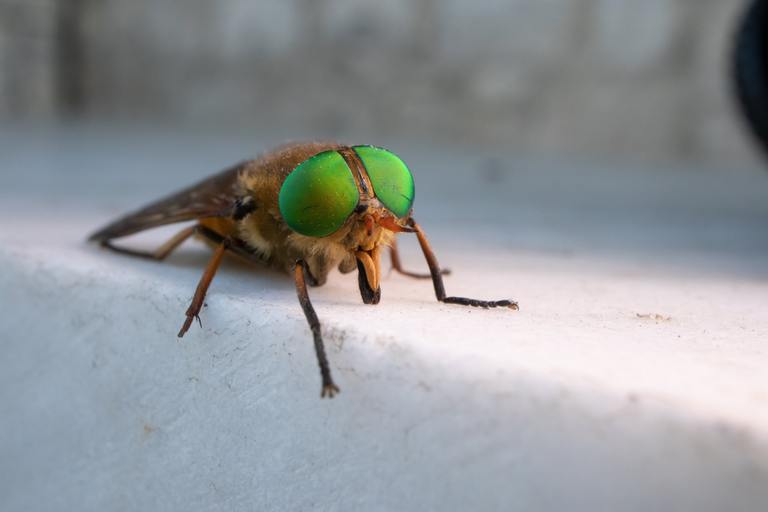
Horse flies are among the most frustrating outdoor pests people encounter during warm months. Their bites are painful, sudden, and often leave behind swelling that can last for days. If you spend time outdoors in regions like Florida, Texas, or South Carolina, chances are you have experienced a horse fly bite at least once.
Unlike many other insects that quietly feed without being noticed, horse flies are aggressive. Their bites can interrupt outdoor activities, affect pets and livestock, and quickly turn a relaxing afternoon outside into a stressful experience.
Understanding why these insects bite, how to identify the symptoms, and what attracts them to your property can help you reduce encounters. It also highlights why managing the environment around your home plays a key role in long term pest prevention.
What Is a Horse Fly Bite and Why Is It So Painful?
A horse fly bite occurs when a female horse fly cuts into the skin to feed on blood. Unlike mosquitoes that use a needle like mouthpart, horse flies use blade shaped mouthparts to slice the skin and create a small pool of blood.
These mouthparts act almost like tiny serrated knives. Instead of piercing the skin cleanly, the insect tears the surface tissue and then drinks the blood that pools in the wound. Because of this method, the bite immediately damages more skin tissue than a mosquito bite would.
This cutting action is what makes a horse fly bite so painful. People often describe the sensation as sharp, stinging, or burning the moment the insect lands. Many individuals instinctively swat the fly immediately because the pain is felt right away.
Another reason the bite hurts is because horse flies inject saliva into the wound. Their saliva contains compounds that prevent blood from clotting so the insect can continue feeding. These chemicals can also irritate the skin and trigger inflammatory reactions. Horse fly bites can cause swelling, itching, redness, and irritation that may last several days.
Common symptoms may include:
- Immediate sharp pain
- Red or raised skin
- Local swelling
- Persistent itching
- In some cases blistering
For some people, the swelling can become quite noticeable. The bite area may expand for several hours after the initial attack as the body's immune system reacts to the insect saliva.
Scratching the bite can worsen irritation and may slow the healing process. Because the skin is already damaged by the cutting mouthparts, scratching can also introduce bacteria into the wound.
Some individuals may also experience stronger allergic reactions depending on their sensitivity to insect saliva. Medical research has shown that certain proteins in horse fly saliva can trigger immune responses in susceptible individuals.
In rare situations, people may experience symptoms such as:
- Significant swelling around the bite
- Hives or skin irritation beyond the bite area
- Dizziness or weakness
- Difficulty breathing
Although these reactions are uncommon, they highlight why horse fly bites can sometimes be more serious than other insect bites.

Why Do Horse Flies Bite Humans?
Horse flies do not bite randomly. Female horse flies require blood in order to reproduce. The nutrients from blood meals allow them to develop eggs that will eventually be laid in moist environments.
Because egg production requires a high level of protein, female horse flies actively search for animals or humans that can provide that blood source. Livestock such as horses and cattle are common targets, which is how these insects earned their name.
Male horse flies do not bite. They feed on nectar and plant sugars instead. Their role in the environment is largely limited to pollination and reproduction.
Female horse flies, however, are persistent hunters. A horse fly bite typically happens when the insect detects several environmental cues that signal the presence of a host.
These cues include:
- Carbon dioxide from breathing
- Body heat
- Dark colored clothing
- Movement
- Moist environments
Carbon dioxide plays a major role in helping the insect locate potential hosts. As people and animals breathe out carbon dioxide, horse flies can detect the gas and follow it toward its source.
Movement also attracts these flies. Many people notice horse flies circling around them repeatedly before landing. The insect is visually tracking movement and searching for a place to land where it can feed. These insects are extremely responsive to movement and contrast, which explains why they often circle people repeatedly before landing.
Dark clothing can also make someone more noticeable to horse flies. Dark colors absorb more heat and create stronger visual contrast against the surrounding environment. This can make the person appear more attractive as a target.
Because of this behavior, outdoor areas near water, livestock, wooded edges, or marshy ground often experience higher horse fly activity. These environments provide both breeding habitats and frequent access to hosts.
For homeowners, this means that certain landscapes naturally attract more biting flies than others. Properties located near ponds, wetlands, irrigation systems, or dense vegetation may see more frequent encounters.
Understanding why these insects seek out certain environments can help explain why a horse fly bite seems to happen repeatedly in the same locations.
Are Horse Fly Bites Becoming More Common?
Many people feel like they are seeing more horse flies than in previous years. While regional populations fluctuate, some studies suggest that changing environmental conditions may influence horse fly activity.
The Natural History Museum has reported increased public concern about horse fly bites during warm seasons as outdoor recreation continues to grow.
Several factors may contribute to noticeable increases in encounters:
- Warmer temperatures that extend breeding seasons
- Increased standing water after storms
- Expanding suburban development near wetlands
- Outdoor recreational activities in rural areas
When these factors overlap, properties located near water sources or wooded areas may see more consistent fly activity.

How Can You Identify a Horse Fly Bite?
Many insect bites look similar, which can make identification difficult. However, a horse fly bite often stands out because of its immediate pain.
Typical characteristics include:
- A red raised welt
- A central puncture or small cut
- Swelling that expands over several hours
- A burning sensation followed by itching
Unlike mosquito bites, which may go unnoticed initially, a horse fly bite is usually felt the moment it happens.
If scratching occurs, the skin can become irritated or infected. In rare cases, individuals may experience more significant reactions that require medical attention.
Why Are Horse Flies Attracted to Certain Properties?
Horse flies tend to gather in environments that support their breeding cycle. These flies lay eggs in moist soil or vegetation near water sources. While the adult flies are what people notice buzzing around patios, yards, and outdoor spaces, the conditions that support their population usually begin long before the adult stage appears.
Female horse flies look for damp areas where their eggs will have the best chance of surviving. After the eggs hatch, the larvae drop into the surrounding soil or vegetation and begin developing in moist environments. These early stages often go unnoticed because they occur below the surface or in thick vegetation.
Areas that often support horse fly populations include:
- Pond edges
- Marshy ground
- Irrigated lawns
- Wet ditches
- Livestock areas
- Dense vegetation near water
These environments provide consistent moisture, shade, and organic material that help the larvae survive. Standing water is not always required. In many cases, consistently damp soil or thick plant growth can provide enough moisture for the larvae to develop.
Larvae develop in moist environments where they feed on organic material and small organisms. These immature stages can live in wet soil for extended periods before emerging as adult flies.
Because the early life stages develop out of sight, people often notice adult flies without realizing the breeding conditions nearby. A property may appear clean and well maintained while still being close to a habitat that supports horse fly development.
This is especially common in neighborhoods near retention ponds, drainage areas, lakes, canals, or wooded wetlands. Even properties several hundred yards away from these environments can experience noticeable fly activity during peak seasons.
Understanding these habitat preferences helps explain why some properties consistently experience more biting flies than others.
What Makes Horse Flies Difficult to Control?
Horse flies are not easy pests to manage because they travel significant distances. Adult flies are strong fliers and may travel miles from their breeding sites while searching for hosts.
This ability allows them to move between wetlands, wooded areas, livestock fields, and residential properties with ease. Because of this movement, the source of a horse fly bite problem may not always be located directly on the property where the bites occur.
For example, a neighborhood that borders a marsh, river, or pasture may experience recurring horse fly activity even if individual yards are well maintained. The insects may simply be flying in from nearby breeding habitats.
Other factors that complicate control include:
- Their ability to travel long distances
- Limited effectiveness of standard fly traps
- Their daytime feeding behavior
- Their attraction to moving hosts
Unlike some nuisance flies that gather around garbage or food waste, horse flies actively hunt for hosts during daylight hours. They rely heavily on vision and movement to locate animals or people.
This makes them much harder to control with traditional bait traps because they are not strongly attracted to food sources. Instead, they focus on movement, heat, and carbon dioxide signals when selecting a host.
Another challenge is that horse flies are persistent. If they are interrupted while feeding, they often circle back repeatedly until they are able to bite. This persistence is one reason a single fly can create multiple bite attempts in a short period of time.
Because of these factors, controlling horse flies often requires looking at the broader environment rather than focusing on a single location. Understanding nearby habitats, water sources, and landscape conditions is often key to reducing long term fly pressure.
What Can You Do Immediately After a Horse Fly Bite?
If you receive a horse fly bite, there are several steps that may help reduce irritation and promote healing. Because the bite involves a small cut in the skin rather than a simple puncture, proper cleaning of the area is especially important.
Basic care steps include:
- Wash the area with soap and water
- Apply a cold compress to reduce swelling
- Use anti itch creams if needed
- Avoid scratching the bite
Washing the bite helps remove bacteria that may have been introduced during the bite. A cool compress can help reduce inflammation and provide relief from the burning or throbbing sensation that sometimes follows the bite.
Over the counter antihistamine creams or oral antihistamines may also help reduce itching and swelling for some people. These treatments work by calming the body's immune response to the insect saliva.
Most bites improve within a few days. However, swelling may last longer depending on how sensitive the person is to insect bites.
It is also important to monitor the bite for signs of infection. Excessive redness, warmth, pus, or increasing pain may indicate that bacteria entered the wound.
In rare situations, individuals may experience stronger allergic reactions. If symptoms such as severe swelling, dizziness, or difficulty breathing occur, medical attention should be sought immediately.

Why Prevention Matters More Than Treatment
Treating a horse fly bite helps relieve symptoms, but prevention is the most effective way to avoid repeated encounters.
Reducing the conditions that attract biting flies can significantly lower activity around homes and outdoor living spaces.
Prevention strategies often focus on:
- Reducing standing water
- Managing vegetation
- Improving drainage
- Monitoring pest activity
Many modern pest strategies rely on Integrated Pest Management principles, which focus on long term prevention through environmental awareness and targeted solutions .
How Does Property Maintenance Affect Horse Fly Activity?
Properties that manage moisture and vegetation effectively often see fewer pest issues overall. Horse flies rely heavily on damp environments and shaded vegetation during parts of their life cycle, which means the condition of the surrounding landscape can influence how frequently these insects appear around a home.
Simple environmental adjustments can help reduce conditions that attract biting flies. While these changes may not eliminate horse flies entirely, they can significantly lower the number of insects drawn to outdoor spaces.
Examples include:
- Trimming dense vegetation
- Improving drainage around the yard
- Managing irrigation carefully
- Removing unnecessary organic debris
Dense vegetation provides shade and moisture that many insects depend on for survival. When shrubs, hedges, or tall grasses grow unchecked, they can create cool pockets of humidity where flies rest during the hottest parts of the day. Regular trimming allows more sunlight and airflow into these areas, making them less attractive to insects.
Drainage also plays a major role. Low spots in the yard that remain damp after rainfall or irrigation can create favorable conditions for many insects. Improving drainage through grading, soil adjustments, or proper gutter runoff can reduce persistent moisture that attracts pests.
Careful irrigation management is another important factor. Overwatering lawns or landscape beds can leave soil consistently damp, especially during warm seasons when insect activity is already high. Adjusting watering schedules and monitoring sprinkler systems can help prevent unnecessary moisture buildup.
Removing organic debris such as fallen leaves, grass clippings, or decaying plant matter can also make a difference. These materials trap moisture and create hiding places for insects during their development stages.
Together, these small adjustments help create an outdoor environment that is less favorable for biting flies and other pests. Over time, consistent property maintenance can play a meaningful role in reducing the likelihood of encountering a horse fly bite while spending time outside.
What Other Pests Thrive in Similar Conditions?
The same conditions that support horse flies can also support other nuisance pests. Moist soil, dense vegetation, and organic debris create an ecosystem where many insects are able to thrive.
Moist environments and organic matter can attract insects such as:
- Flies
- Mosquitoes
- Beetles
- Maggots
Mosquitoes are particularly common in areas where standing water collects. Even small amounts of water in clogged gutters, plant saucers, or yard containers can support mosquito breeding. These insects often appear alongside horse flies because they depend on similar moisture levels in the environment.
House flies and other nuisance flies may also become more active when organic waste accumulates around a property. Food scraps, pet waste, compost piles, and decaying vegetation provide ideal breeding material for these species.
Beetles are another group of insects that may take advantage of damp soil and organic material. Some species feed on plant roots or decomposing organic matter, while others prey on smaller insects living in the same environment.
Maggots, which are the larval stage of many fly species, can develop rapidly in areas where organic material accumulates. Warm temperatures and moisture accelerate their development, allowing fly populations to grow quickly if sanitation conditions are poor.
When organic material accumulates, fly larvae may develop rapidly. Understanding how these life cycles work helps explain why sanitation and environmental awareness are important for pest prevention.
Because multiple pests thrive under similar conditions, improving sanitation and moisture control can reduce pressure from several insect species at once.

How Do Professionals Evaluate Horse Fly Activity?
When evaluating properties with repeated biting fly issues, pest professionals often look at the surrounding environment rather than focusing only on the visible insects. A horse fly bite problem is rarely caused by a single factor. Instead, it usually results from a combination of nearby habitats, environmental conditions, and seasonal insect activity.
Professionals typically begin by examining the broader landscape to identify conditions that may support horse fly populations. This approach helps determine whether the activity is originating on the property itself or from nearby areas.
Common evaluation steps may include:
- Identifying nearby breeding habitats
- Examining moisture conditions
- Reviewing landscape features
- Assessing nearby water sources
Nearby breeding habitats may include wetlands, ponds, irrigation canals, drainage systems, or wooded areas with damp soil. Even if these locations are not directly on the property, their proximity can influence how frequently adult horse flies appear in the area.
Moisture conditions are another major factor. Pest professionals may evaluate how water moves through the landscape, where runoff collects, and whether irrigation systems are creating overly damp areas in the yard.
Landscape features also matter. Dense vegetation, shaded areas, livestock presence, or nearby agricultural land can all influence insect activity.
Water sources receive particular attention during inspections. Retention ponds, lakes, marshes, and stormwater systems often provide ideal habitats for many insects during their development stages.
Understanding how horse flies behave helps determine which preventative strategies may be most effective. When environmental factors are identified early, it becomes easier to recommend steps that reduce future pest pressure. Detailed insights into their behavior patterns can also help explain why certain locations consistently attract biting flies.
What Are the Long Term Risks of Ignoring Horse Fly Activity?
While a single horse fly bite is usually just a painful nuisance, repeated exposure can make outdoor spaces uncomfortable.
Persistent fly activity may:
- Interrupt outdoor recreation
- Affect pets and livestock
- Make yard spaces less enjoyable
Over time, people often begin adjusting how they use their outdoor areas simply to avoid biting insects.
Addressing the environmental factors that support fly populations helps restore comfort and usability to outdoor spaces.
How Can You Reduce the Chances of Getting a Horse Fly Bite?
Reducing your risk of a horse fly bite often involves a combination of personal protection and environmental awareness. Because horse flies rely on visual cues, body heat, and carbon dioxide to locate hosts, small adjustments in behavior and surroundings can make a noticeable difference in how often these insects approach.
Helpful steps include:
- Wearing lighter colored clothing outdoors
- Avoiding heavily wooded or marshy areas during peak fly activity
- Using fans in outdoor seating areas
- Monitoring standing water around the property
Lighter colored clothing can help because horse flies are strongly attracted to dark objects that create visual contrast in the landscape. Dark clothing absorbs heat and stands out against the surrounding environment, which may make a person appear more noticeable to a hunting fly.
Avoiding marshy areas, wetlands, and dense wooded edges during peak activity hours can also reduce exposure. Horse flies are most active during warm, sunny parts of the day when they can easily spot movement. If you are spending time near lakes, rivers, canals, or livestock areas, wearing protective clothing such as long sleeves may help reduce the chance of a bite.
Using fans in outdoor seating areas can be surprisingly effective. Horse flies are strong fliers but they struggle in constant airflow. A steady breeze from outdoor fans can make it harder for them to land and may discourage them from lingering around patios, decks, or pool areas.
Monitoring standing water around the property is another useful preventative step. While horse flies do not always require open standing water to breed, damp soil and consistently moist vegetation can create suitable habitats for their development. Checking for areas where water collects after rainfall or irrigation can help reduce favorable conditions.
Additional preventative practices may also help lower the chances of receiving a horse fly bite:
- Keep outdoor trash and organic waste sealed
- Maintain trimmed landscaping and remove excess vegetation
- Avoid wearing strongly scented lotions or perfumes outdoors
- Stay aware of fly activity when working near water or livestock
While these strategies may help reduce encounters, long term results usually depend on understanding the larger pest environment around the home. Properties located near wetlands, drainage systems, agricultural areas, or retention ponds may naturally experience higher fly pressure. Recognizing these environmental factors can help homeowners take proactive steps to make outdoor areas less attractive to biting insects.
Why Understanding Local Pest Behavior Matters
In regions like Florida, Texas, and South Carolina, warm temperatures allow many pests to remain active for long periods throughout the year. Unlike colder climates where winter slows insect populations, southern environments often provide the warmth and humidity that insects need to remain active for extended stretches of time.
This means biting insects such as horse flies may appear earlier in the season and remain active longer than expected. In some areas, activity may begin in late spring and continue well into fall. During especially warm years, populations may increase quickly because breeding cycles can occur more frequently.
Local climate patterns also influence where these insects thrive. Coastal humidity, wetlands, irrigation systems, and seasonal rainfall all contribute to the conditions that allow biting flies and other pests to flourish. Communities near lakes, canals, livestock areas, or dense wooded landscapes may notice higher fly pressure simply because the surrounding environment naturally supports these insects.
Understanding local pest pressures helps homeowners make informed decisions about maintaining their property and protecting outdoor spaces. When people recognize the environmental factors that influence pest activity, they can make adjustments to landscaping, drainage, and sanitation that reduce the likelihood of insects gathering near the home.
Local knowledge is especially valuable because pest behavior varies by region. The insects that thrive in Florida may behave slightly differently from those found in Texas or South Carolina due to differences in rainfall patterns, soil moisture, and surrounding wildlife habitats.
When pest pressures are monitored consistently, it becomes much easier to prevent recurring issues before they escalate. Regular awareness of seasonal insect activity, moisture conditions, and nearby habitats can help homeowners stay ahead of potential problems and maintain more comfortable outdoor living areas throughout the year.
Final Thoughts on Horse Fly Bites and Outdoor Comfort
A horse fly bite is one of the most painful insect bites people encounter outdoors. While the bite itself usually heals within a few days, repeated encounters can quickly disrupt outdoor activities.
Understanding what attracts horse flies, how their life cycle works, and why certain environments support their populations helps explain why prevention is often the most effective strategy.
When outdoor environments are maintained with pest awareness in mind, it becomes much easier to reduce biting insect pressure and maintain comfortable outdoor living spaces.
With the right knowledge and proactive attention to environmental conditions, homeowners can significantly reduce the likelihood of experiencing another horse fly bite.