
Introduction
Fire Ants are one of the most aggressive and frustrating pests homeowners deal with across the southern United States, especially in Florida. Known for their painful stings and fast-growing colonies, these ants can quickly turn a healthy lawn into a hazardous space for families, pets, and guests.
What makes them even more challenging is how quickly a small issue can escalate. A single colony can contain hundreds of thousands of ants, and when left untreated, Fire Ants can spread across an entire yard or even neighboring properties. Their underground tunnel systems allow them to stay protected while continuing to expand, making them difficult to eliminate without a strategic approach.
If you are noticing mounds popping up in your yard or experiencing frequent stings, it is important to act quickly. Early intervention is one of the most effective ways to prevent a full-scale infestation. In this updated 2025 guide, we will walk through how to identify, prevent, and treat Fire Ants effectively while keeping your property protected long term.
What Are Fire Ants and Why Are They a Problem?
Fire Ants, also known as red imported fire ants, are invasive pests that build large underground colonies. These ants thrive in warm climates and are especially common in lawns, parks, and open outdoor areas.
Unlike many native ant species, Fire Ants are highly aggressive and territorial. When their nest is disturbed, they respond quickly and in large numbers, climbing vertically and stinging almost simultaneously. This behavior is what often catches homeowners off guard.
What makes Fire Ants particularly dangerous is their ability to:
- Sting multiple times when disturbed
- Attack in large numbers within seconds
- Build large, hidden colonies underground that are difficult to reach
- Reproduce quickly and spread across properties through satellite colonies
Their stings often result in painful, itchy bumps that can develop into white pustules. In some cases, allergic reactions can occur, making them more than just a nuisance.
In addition to physical discomfort, Fire Ants can also damage landscaping and outdoor spaces. Their mounds can disrupt lawn equipment, create uneven ground, and interfere with root systems. Over time, this can lead to both safety hazards and costly lawn repairs if the infestation is not addressed.

How Do You Identify a Fire Ant Infestation?
The first step in controlling Fire Ants is proper identification. Many homeowners mistake them for other ant species, which can lead to ineffective treatment methods and wasted time.
Fire Ants have a few distinct traits that set them apart once you know what to look for. They are typically reddish-brown in color and vary in size within the same colony, which is different from many other ant species that appear more uniform.
Common signs include:
- Loose dirt mounds in lawns or garden beds, often appearing suddenly
- Increased ant activity after rain or irrigation
- Aggressive behavior when disturbed, with ants quickly swarming upward
- Visible reddish-brown ants moving in large numbers along surfaces
One of the most recognizable signs of Fire Ants is their mound structure. These mounds can range from a few inches to over a foot wide and are often found in open, sunny areas like lawns, sidewalks, and driveways.
Additional signs to watch for:
- Mounds appearing in clusters across your yard
- Ant trails leading to food sources or structures
- Sudden stings when walking through grass or landscaping
- Pets avoiding certain areas of the yard
Unlike other ants, Fire Ants do not always have a visible entry hole in their mound. This makes their nests harder to detect until activity increases. In many cases, the colony is much larger beneath the surface than what you see above ground.
Because of this, disturbing a mound without proper treatment can actually cause the colony to split and spread, making the infestation worse.
Why Are Fire Ants So Common in Florida?
Florida provides the ideal environment for Fire Ants due to its warm climate, sandy soil, and frequent rainfall. These conditions allow colonies to grow rapidly and relocate when disturbed.
Fire Ants thrive in temperatures that remain warm for most of the year, which gives them a longer breeding cycle compared to colder regions. This means colonies can grow larger, faster, and more aggressively over time.
Research from the USDA highlights how resilient and adaptive these ants are.
Why Florida conditions accelerate infestations:
- Sandy soil makes it easier for colonies to tunnel and expand
- Frequent rain forces colonies to move and create new mounds
- Mild winters allow Fire Ants to remain active year-round
- Urban development creates ideal open spaces for nesting
Another major factor is how Fire Ants spread. During heavy rain or flooding, colonies can form floating rafts and relocate to new areas. This allows them to invade new properties quickly and makes them especially difficult to control in coastal and flood-prone regions.
Because of these environmental advantages, Fire Ants are not just common in Florida, they are persistent. Without ongoing prevention and treatment, they are likely to return even after temporary control measures are applied.

What Attracts Fire Ants to Your Yard?
Understanding what draws Fire Ants to your property is key to preventing future infestations. These ants are constantly searching for food, moisture, and safe places to expand their colonies, which means even well-maintained yards can become a target under the right conditions.
Common attractants include:
- Food scraps and sugary residues left on patios or outdoor areas
- Pet food left outdoors for extended periods
- Moist soil and overwatered lawns that create ideal nesting conditions
- Open spaces with little disturbance, especially sunny areas
Fire Ants are opportunistic feeders. They consume both sugary foods and proteins, making almost any outdoor space a potential target.
Additional factors that attract Fire Ants:
- Garbage cans that are not sealed properly
- Fallen fruit from trees or plants
- Irrigation systems that keep soil consistently damp
- Bare or thinning grass areas where soil is exposed
One of the biggest reasons Fire Ants show up is moisture. After rain or heavy watering, colonies often move and rebuild, which is why new mounds seem to appear overnight. Keeping moisture levels balanced can make your yard less appealing.

How to Get Rid of Fire Ants Effectively
Eliminating Fire Ants requires a combination of strategies. Focusing on just one method often leads to temporary results because the colony beneath the surface often remains intact.
For long-term success, it is important to target both the visible ants and the hidden queen responsible for reproduction.
1. Eliminate Food Sources
Start by removing anything that could attract Fire Ants. Clean outdoor areas regularly and avoid leaving food or trash exposed.
To improve results:
- Wipe down outdoor tables and cooking areas
- Store trash in sealed containers
- Avoid leaving pet food out overnight
- Rinse sugary spills immediately
2. Use Bait Treatments
Baiting is one of the most effective ways to control Fire Ants. Worker ants carry the bait back to the colony, which helps eliminate the queen and the rest of the nest.
This method works best because it targets the source of the infestation rather than just the surface activity.
For best results:
- Apply bait when ants are actively foraging, typically in the early morning or evening
- Avoid applying before rain, as moisture can reduce effectiveness
- Use fresh bait products for better attraction
- Be patient, as baiting can take several days to fully impact the colony
3. Apply Direct Mound Treatments
For visible infestations, treating individual mounds can provide faster relief. Liquid or granular insecticides labeled for Fire Ants can be applied directly to the mound.
This approach is useful for high-traffic areas where immediate control is needed, such as near walkways, patios, or play areas.
However, this method may not eliminate the entire colony if not done properly. In some cases, disturbing the mound can cause the colony to relocate and form new mounds nearby.
4. Use Broadcast Treatments for Large Areas
If your yard has multiple mounds, a broadcast treatment can help control Fire Ants across the entire property. This approach targets both visible and hidden colonies.
Broadcast treatments are especially effective for:
- Large lawns with widespread activity
- Preventative control before peak season
- Areas where new mounds frequently appear
Combining baiting with broadcast treatments often produces the best long-term results, as it addresses both active colonies and prevents new ones from forming.
When Should You Call a Professional for Fire Ants?
If Fire Ants keep returning or the infestation is widespread, professional treatment may be the best solution. While DIY methods can help in the early stages, they often fail to eliminate the entire colony, especially when queens remain active underground.
Fire Ants are known for forming multiple colonies across a single property. This means what looks like a small issue on the surface could actually be a much larger infestation below ground.
Signs it is time to call a professional:
- Fire Ant mounds keep reappearing after treatment
- You are seeing multiple mounds across your yard
- Stings are becoming more frequent for family or pets
- DIY products are not delivering long-term results
- Ant activity is spreading closer to your home or structure
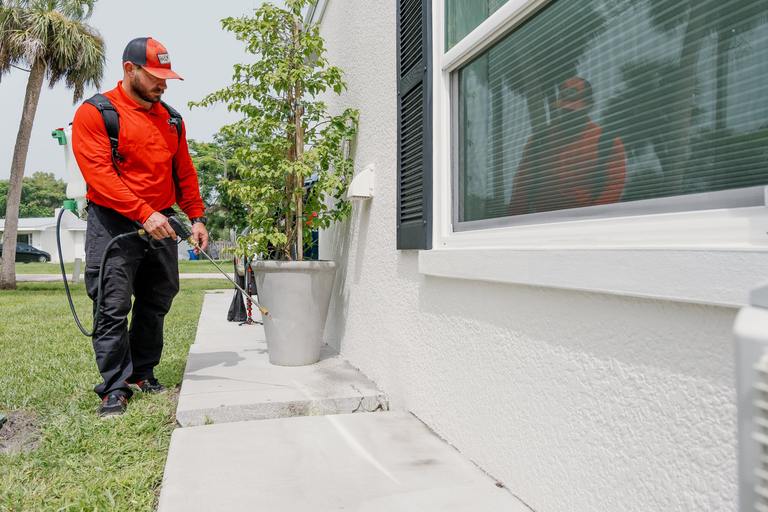
Pest control experts use targeted methods that go beyond store-bought products. They can identify colony locations, apply the correct treatments, and help prevent reinfestation.
Professional services often include:
- Property-wide inspections to locate hidden colonies
- Strategic baiting programs that eliminate the queen
- Long-lasting barrier treatments to prevent new infestations
- Ongoing maintenance plans for year-round protection
This level of treatment is especially important in Florida, where Fire Ants remain active for most of the year and can quickly return without proper pest control measures in place.
How to Prevent Fire Ants from Coming Back
Prevention is just as important as treatment when it comes to Fire Ants. Once an infestation has been eliminated, taking proactive steps can significantly reduce the chances of them returning.
Simple prevention tips:
- Keep lawns properly maintained and free of debris
- Reduce excess moisture in soil by adjusting irrigation
- Seal cracks and entry points around your home’s foundation
- Schedule routine pest inspections to catch activity early
Additional prevention strategies:
- Apply seasonal bait treatments as a preventative measure
- Maintain healthy, thick grass to limit exposed soil
- Keep outdoor trash sealed and away from the home
- Address drainage issues that create damp environments
Consistency is key when it comes to preventing Fire Ants. Even small changes in your yard maintenance routine can make a big difference over time.
Seasonal pest activity also plays a role. Fire Ants tend to become more active during warmer months, especially after rain, which makes routine monitoring essential.
Learn what to watch for throughout the year: https://alluneedpest.com/blog/common-spring-pests-what-to-watch-for-as-temperatures-rise/
By combining prevention with ongoing awareness, you can create an environment that is far less inviting to Fire Ants and maintain long-term control.
Are Fire Ants Dangerous to Pets and Children?
Yes, Fire Ants can pose a serious risk to both pets and children. Their aggressive nature means they will swarm quickly when disturbed, often delivering multiple stings within seconds.
Children and pets are especially vulnerable because they are more likely to come into direct contact with mounds while playing or exploring outdoors. In many cases, they may not recognize the danger until it is too late.
Risks include:
- Multiple painful stings that can occur all at once
- Allergic reactions ranging from mild swelling to severe responses
- Infection from scratching bites, especially in younger children
- Secondary irritation from pustules that form after stings
Why Fire Ants are especially dangerous:
- They latch onto skin with their jaws before stinging repeatedly
- They attack in groups rather than individually
- Mounds are often hidden in plain sight, making accidental contact common
For pets, Fire Ants can be just as dangerous. Dogs and cats may step on or disturb a mound, leading to stings on their paws, face, or underside. In more serious cases, repeated stings can cause distress, swelling, or even require veterinary attention.
Safety tips for families and pet owners:
- Regularly inspect your yard for new mounds
- Keep children away from visible ant activity
- Avoid letting pets dig or linger in infested areas
- Treat problem areas promptly before activity spreads
Keeping outdoor areas treated and monitored is essential for safety. The sooner Fire Ants are addressed, the lower the risk of harmful encounters.

Final Thoughts: Taking Control of Fire Ants
Fire Ants are more than just a lawn nuisance. Their ability to spread quickly, adapt to their environment, and deliver painful stings makes them a pest that should not be ignored.
The key to long-term success is consistency. Occasional treatments may provide short-term relief, but without a complete strategy, Fire Ants are likely to return. That is why combining prevention, proper treatment methods, and professional support when needed is so important.
Taking control of Fire Ants means:
- Identifying infestations early before they spread
- Using the right treatment methods for your specific situation
- Maintaining your yard to make it less attractive to colonies
- Staying proactive with ongoing monitoring and prevention
If Fire Ants are becoming a recurring problem, it may be time to take a more proactive approach. Long-term control is always more effective than temporary fixes.
With the right strategy in place, you can protect your home, your family, and your outdoor spaces from the ongoing threat of Fire Ants. A well-maintained and properly treated yard is not just more comfortable, it is safer for everyone who uses it.