
Introduction
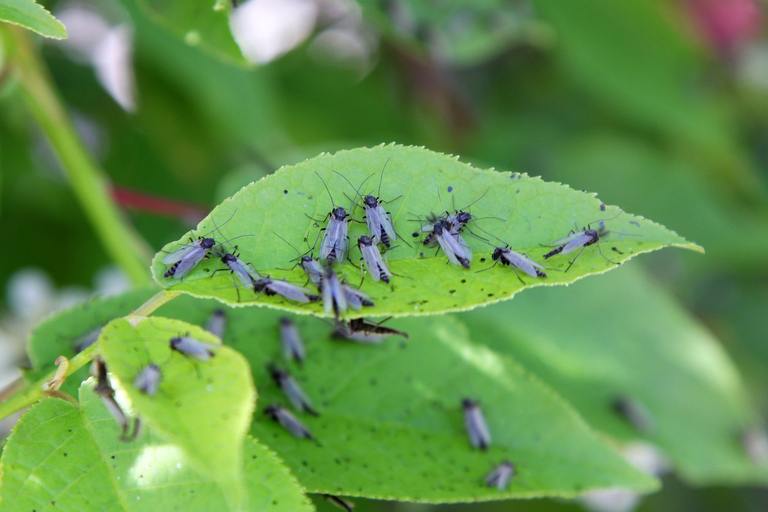
Gnats can be more than just a minor annoyance. When left unchecked, they can quickly turn into a persistent household problem that affects the comfort and cleanliness of your living space. These tiny flying insects often appear around fruits, indoor plants, sinks, and drains, making them both frustrating and difficult to ignore during everyday activities like cooking or relaxing at home.
What makes a gnat problem especially challenging is how quickly it can escalate. A few flying insects can soon turn into dozens if the underlying conditions are not addressed. Understanding why gnats show up, how they reproduce, and what attracts them to your home is the first step toward effective control and long-term prevention.
This guide explains gnat behavior in detail, outlines the most common causes of infestations, and shares proven strategies to eliminate them while also helping prevent future outbreaks. By learning how these pests operate, homeowners can take proactive steps before a small issue becomes a widespread infestation.
Understanding Gnat Behavior
Gnats are small, winged insects that belong to several different families, each with slightly different habits and preferences. While they may look similar at first glance, their behavior can vary significantly depending on the species. Some are primarily drawn to food sources, while others rely heavily on moisture and organic debris to survive.
What all gnats have in common is their strong attraction to moisture and organic material. This is why residential environments often provide ideal conditions. Kitchens, bathrooms, laundry rooms, and areas with houseplants tend to offer warmth, humidity, and food sources that support their short but highly productive life cycle.
A single gnat problem can grow quickly if the conditions are right. Because their life cycle is short and efficient, populations can multiply in a matter of days. Eggs hatch rapidly, larvae feed on organic matter, and new adults emerge ready to reproduce. Many homeowners do not realize they have a developing infestation until adult gnats become visible throughout the home.
Fungus gnats are particularly common indoors due to their close association with moist soil and decaying organic matter in houseplants. These gnats often lay eggs in damp potting soil, where larvae feed on fungi and organic debris before emerging as flying adults.

Common Types of Gnats Found Indoors
Understanding which type of gnat you are dealing with helps determine the most effective control method. While they are often grouped together, different gnats have distinct behaviors, breeding habits, and preferred environments inside the home.
Fruit Flies
Fruit flies are typically found hovering near overripe or rotting fruits and vegetables, though they may also gather around sugary spills, recycling bins, or empty beverage containers. Kitchens are the most common hotspot, especially when food is left uncovered or trash is not removed regularly.
These insects reproduce quickly, laying eggs directly on fermenting food sources. Even small amounts of residue can support a growing population, which is why fruit flies often seem to appear overnight.
Fungus Gnats
Fungus gnats are often seen around houseplants, windows, and light sources. They thrive in damp soil and feed on fungi and organic matter found in potting mixes. Overwatering plants is one of the most common reasons these gnats appear indoors.
The larvae live in the soil and can sometimes damage plant roots when populations grow large. Adult fungus gnats are weak flyers but can spread throughout the home as they search for moisture-rich areas.
Drain Flies
Drain flies are usually found near sinks, drains, garbage disposals, showers, and bathrooms. They breed in the organic buildup that accumulates inside pipes, feeding on decomposing material stuck to drain walls.
These gnats are often mistaken for moths due to their fuzzy appearance and slow, fluttering flight. While they do not bite, their presence often indicates a sanitation or plumbing issue that needs attention.
Why Gnats Are Attracted to Homes
Homes naturally provide everything gnats need to survive and reproduce, often without homeowners realizing it. When food sources, moisture, and warmth are consistently available, infestations can develop quickly and persist without proper intervention. Even small lapses in sanitation or moisture control can create ideal conditions for these pests.
Indoor environments offer protection from outdoor predators, temperature swings, and weather changes. This allows gnats to remain active year-round instead of dying off seasonally as they might outdoors. Kitchens, bathrooms, laundry rooms, and plant areas are especially attractive because they combine humidity with organic material.
Even well-maintained homes can unknowingly support gnat activity. Overwatering plants, infrequently cleaned drains, or forgotten food residue can all provide the resources gnats need to breed and multiply.
Common attractants include:
- Moisture from overwatered houseplants, leaky pipes, condensation, or standing water in sinks and trays
- Organic matter such as rotting fruits, vegetables, food residue, compost, or spilled beverages
- Poor sanitation in drains, garbage disposals, recycling bins, or trash areas where buildup occurs
- Warm indoor temperatures that support continuous breeding cycles throughout the year

How Fast a Gnat Infestation Can Spread
The life cycle of a gnat is surprisingly efficient, which is why infestations can appear to explode in a short amount of time. Female gnats are capable of laying hundreds of eggs at once on moist surfaces rich in organic material. These eggs often hatch within just a few days.
Once hatched, the larvae immediately begin feeding on decaying matter. Because food sources are often abundant indoors, larvae can develop rapidly and transition to the next stage without interruption.
The typical life cycle includes:
- Eggs laid in damp organic matter such as soil, drain buildup, or food residue
- Larvae feeding on decaying material and microorganisms
- Pupation in soil, plant pots, or inside drain walls
- Emergence of adult gnats ready to reproduce and continue the cycle
In favorable conditions, this entire process can repeat multiple times in a single month. Because the cycle is so short, infestations can escalate rapidly if breeding sites are not identified and eliminated early.
Factors That Contribute to Gnat Infestations
Several household habits can unintentionally encourage gnat activity, even in homes that are otherwise clean and well maintained. Understanding these contributing factors makes it easier to correct problem areas before infestations grow out of control.
Overwatering Plants
Fungus gnats thrive in constantly moist soil, making overwatered houseplants one of the most common causes of indoor infestations. When soil never has a chance to dry out, it creates the perfect environment for larvae to develop and feed on organic material.
In many cases, homeowners may not realize they are overwatering, especially with decorative plants or those kept indoors year-round. Poor drainage and heavy potting soil can further trap moisture and worsen the problem.
Improper Food Storage
Leaving fruits and vegetables exposed on countertops attracts fruit flies, which are often mistaken for other gnats. Even produce that appears fresh can emit sugars and odors that attract these insects.
Open containers, unsealed trash bags, and food residue on counters or inside recycling bins can all provide breeding opportunities. Regular cleaning and proper food storage play a key role in limiting access to these food sources.
Clogged or Dirty Drains
Organic buildup inside drains creates an ideal breeding site for drain flies and other moisture-loving pests. Grease, food particles, and soap residue can collect along drain walls, providing both moisture and nutrition for larvae.
Because this buildup is often hidden inside pipes, infestations may continue until drains are thoroughly cleaned and maintained.
Standing Water
Leaky pipes, pet water bowls, condensation pans, and forgotten containers of water can all serve as breeding grounds. Even small amounts of stagnant water can support egg-laying and larval development.
Addressing leaks promptly and regularly checking areas where water may collect helps reduce the risk of ongoing gnat activity.
Effective Strategies for Getting Rid of a Gnat Infestation
Successfully eliminating gnats requires a combination of immediate action and long-term prevention. Focusing only on killing adult insects may provide temporary relief, but it does not address the underlying conditions that allow gnats to reproduce.
The most effective strategies target both visible gnats and the hidden breeding sites where eggs and larvae develop. By combining sanitation, moisture control, and targeted treatment methods, homeowners can break the gnat life cycle and prevent recurring infestations.
Immediate Actions to Take
Taking quick, targeted action is essential when dealing with a gnat infestation. These steps focus on reducing the current population while eliminating the conditions that allow gnats to reproduce.
Identify the Source
Carefully inspect your home to locate where gnats are breeding. This step is critical, as treating only the visible insects without addressing their source will lead to continued problems.
Pay close attention to:
- Potted plants, especially those with consistently damp soil
- Fruit bowls or countertops where produce is stored
- Trash cans, recycling bins, and compost containers
- Drains and garbage disposals with organic buildup
- Areas with standing or pooled water, including under sinks
Identifying the primary breeding site allows you to focus your efforts where they will be most effective.
Eliminate Breeding Grounds
Once the source is identified, take action immediately to disrupt the gnat life cycle. Removing breeding sites prevents new gnats from emerging and helps bring the infestation under control faster.
Effective steps include:
- Disposing of overripe fruits and vegetables and wiping down nearby surfaces
- Allowing plant soil to dry out between watering sessions to reduce moisture
- Removing standing water from sinks, trays, and pet bowls
- Thoroughly cleaning drains to remove organic residue where larvae develop
Consistency is key, as even small amounts of moisture or debris can support continued breeding.
Use Traps
Traps are useful for reducing the number of adult gnats while long-term solutions take effect. Although traps alone will not eliminate an infestation, they can significantly lower visible activity.
Common trapping methods include:
- Vinegar traps made with apple cider vinegar and a few drops of dish soap to break surface tension
- Yellow sticky traps placed near houseplants, windows, or other high-activity areas
Research has been made studying the effectiveness on fly trapping and behavior.

Long-Term Prevention Measures
Preventing gnats from returning is just as important as eliminating them.
Maintain Proper Hygiene
- Wipe down kitchen counters regularly
- Take trash out frequently
- Store food in sealed containers
Improve Drain Maintenance
- Clean drains periodically with enzymatic cleaners
- Avoid pouring grease or food scraps down sinks
- Flush drains with hot water regularly
Manage Plant Care
- Avoid overwatering houseplants
- Use well-draining soil
- Empty excess water from saucers
Monitor High-Risk Areas
Check kitchens, bathrooms, and plant areas regularly for early signs of gnat activity.
When DIY Methods Are Not Enough
While home remedies can be effective for small or newly discovered infestations, persistent or widespread gnat problems often require professional attention. If gnats continue to appear despite consistent cleaning, moisture control, and trapping, this is usually a sign that breeding sites are hidden or more extensive than they seem.
Gnats commonly reproduce in places that are difficult for homeowners to access, such as inside plumbing systems, beneath appliances, behind walls, or deep within potting soil. In these situations, DIY solutions may only reduce visible adult gnats while larvae and eggs remain untouched, allowing the infestation to continue.
Professional pest control services are equipped to identify and treat these hidden breeding areas. Using specialized tools, targeted treatments, and industry knowledge, professionals can address both adult gnats and the underlying sources that support their life cycle. This comprehensive approach not only eliminates the current infestation but also significantly reduces the risk of reinfestation over time.

Conclusion
Gnats may be small, but they can quickly disrupt the comfort, cleanliness, and overall enjoyment of your home. What often begins as a minor nuisance can escalate into a persistent problem if breeding conditions are not properly addressed.
By understanding what attracts gnats, how they reproduce, and where they tend to hide, homeowners can take effective steps to eliminate existing infestations and prevent new ones from developing. Managing moisture, maintaining good sanitation habits, and storing food properly all play a major role in long-term control.
When gnats persist despite your best efforts, professional pest control support can provide a more thorough and lasting solution. With targeted treatments and preventative strategies in place, you can maintain a healthier, gnat-free living environment and avoid recurring infestations.