
Introduction
If you’ve ever flipped on a bathroom light at night and seen a tiny, silvery insect dart across the floor, you’re not alone. Silverfish are one of the most common household pests in Florida and across the southern United States. They thrive in humidity, hide in dark spaces, and can quietly damage paper goods, fabrics, and more.
This guide breaks down exactly how to get rid of silverfish, why they show up in the first place, and what actually works long term. If you’re dealing with a recurring issue, understanding the root cause is the difference between temporary relief and a real solution.
What Are Silverfish and Why Are They in Your Home?
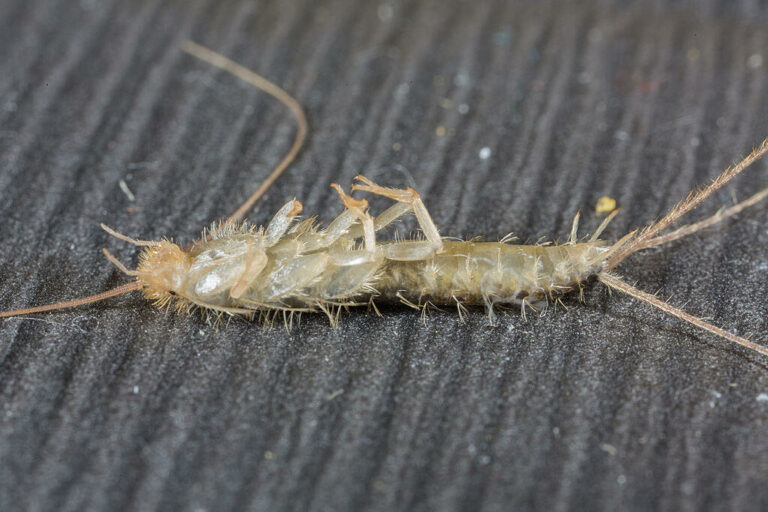
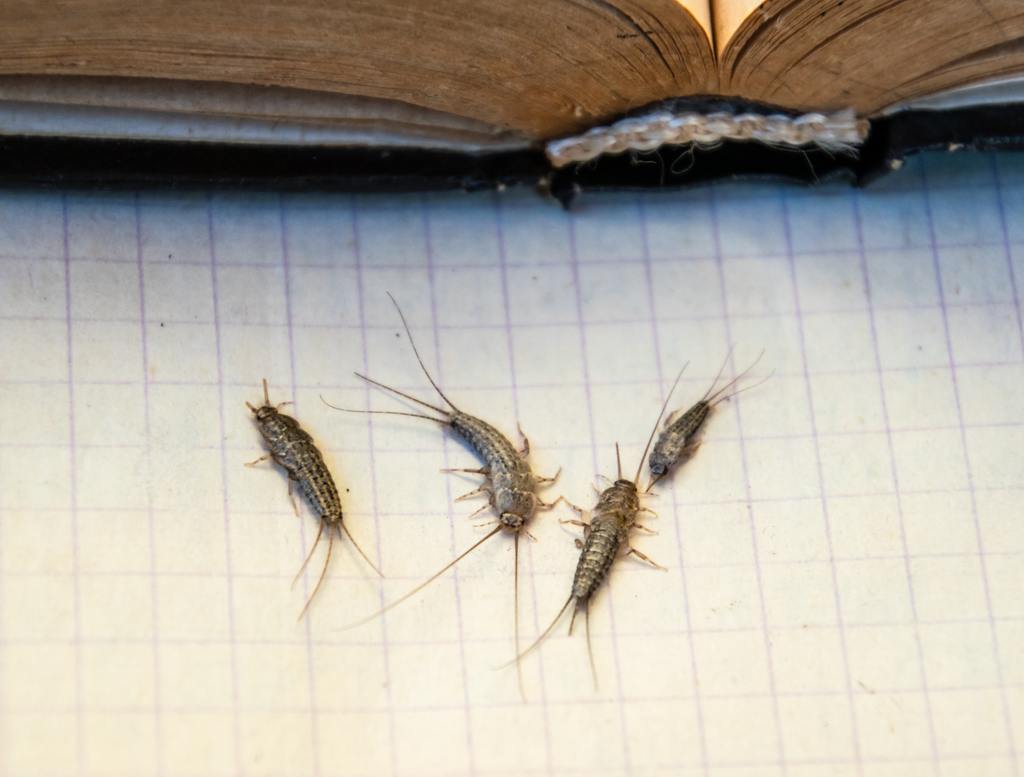
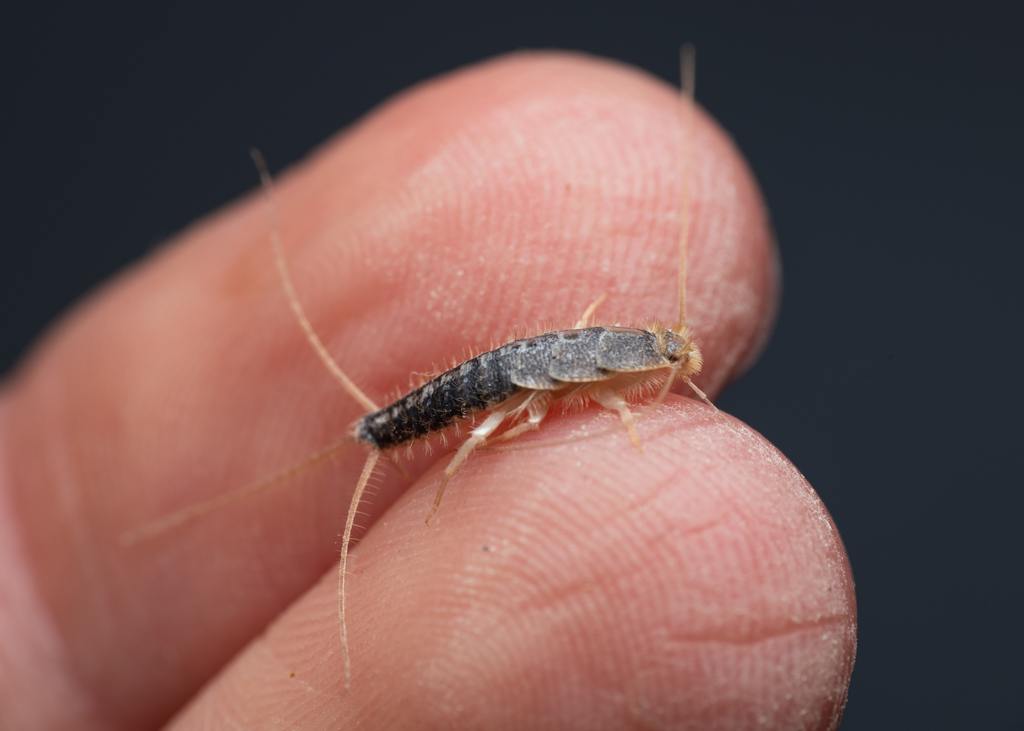
Silverfish are small, wingless insects known for their shiny, metallic appearance and fish-like movement. While they may look harmless at first glance, their ability to hide, reproduce, and survive in tough conditions makes them a frustrating pest for homeowners.
They are considered moisture-loving insects, which means they are naturally drawn to environments where humidity is high and airflow is limited. In Florida homes, this creates the perfect storm for infestation.
Why are silverfish entering your home in the first place?
Understanding this is a key step in learning how to get rid of silverfish effectively.
They typically enter homes because of:
- Excess humidity from showers, leaks, or poor ventilation
- Easy access to food sources like paper, glue, and pantry items
- Dark, undisturbed hiding places where they can breed
Common places you’ll find silverfish:
- Bathrooms and showers where moisture builds up daily
- Kitchens and under sinks with hidden leaks or condensation
- Laundry rooms with warm, damp air
- Attics and crawl spaces with limited airflow
- Closets with stored paper, cardboard, or fabric items
In many cases, seeing silverfish is just the surface issue. The real problem is the environment inside your home that allows them to thrive.
They are not dangerous to humans, but they are destructive and persistent. While silverfish rarely bite, it is still helpful to understand their behavior and risks: Over time, they can quietly damage personal belongings and stored items without being noticed until the problem grows.
How to Get Rid of Silverfish Quickly and Effectively?
If you are searching for how to get rid of silverfish, it is important to understand that there is no single quick fix. The most effective approach combines immediate action with long-term environmental control.
Many homeowners focus only on killing what they see, but that rarely solves the problem. Silverfish often live in hidden areas, so visible activity is only a small part of the infestation.
What should you do first?
Start with these immediate steps to reduce activity:
- Vacuum visible silverfish, eggs, and debris from baseboards and corners
- Wipe down surfaces to remove food residue and dust buildup
- Reduce clutter, especially paper and cardboard that provide hiding spots
- Seal obvious cracks, gaps, and entry points around walls and flooring
What actually makes these steps effective?
Each action targets a different part of the problem:
- Cleaning removes their food sources
- Decluttering eliminates hiding areas
- Sealing cracks limits where they can travel and reproduce
This layered approach is essential when learning how to get rid of silverfish in a way that actually lasts.
However, these steps mainly address surface-level activity. If moisture issues or hidden nesting areas are not resolved, the infestation can return.
That is why long-term success depends on going beyond quick fixes and addressing the conditions that allowed silverfish to thrive in the first place.
Why Do Silverfish Keep Coming Back?
One of the biggest frustrations homeowners face is recurring infestations. Understanding why they return is a critical part of learning how to get rid of silverfish permanently.
Silverfish are not random invaders. If they keep showing up, your home is providing exactly what they need to survive.
What conditions allow silverfish to thrive?
Silverfish rely on three main factors:
- Moisture
- Food sources
- Hidden shelter
If even one of these is consistently available, the infestation can continue.
How quickly can a silverfish population grow?
This is something many homeowners overlook when trying to understand how to get rid of silverfish.
- Silverfish can live for several years
- Females lay eggs in hidden cracks and crevices
- Eggs can hatch in just a few weeks depending on conditions
Because of this, a small unnoticed issue can slowly turn into a larger infestation over time.
Why does moisture play such a big role?
Unlike many pests, silverfish depend heavily on humidity to survive. Even if food is limited, they can live for weeks or months as long as moisture is present.
Common moisture issues include:
- Leaky pipes under sinks
- Poor ventilation in bathrooms
- Humid air trapped in closets or storage areas
- Condensation around windows or appliances
What hidden areas are most often missed?
Even homeowners who know how to get rid of silverfish often miss these problem zones:
- Behind baseboards and trim
- Inside wall voids and insulation
- Under cabinets and appliances
- Attics and crawl spaces with poor airflow
These areas allow silverfish to survive without being seen, which is why infestations seem to come back out of nowhere.
Why don’t DIY treatments always work?
Many homeowners think they understand how to get rid of silverfish after using sprays or traps, but the problem returns because:
- The root moisture issue was never fixed
- Eggs were left behind in hidden areas
- Silverfish are nesting inside walls or insulation
Even if you eliminate visible insects, the environment itself may still support their survival. Silverfish are highly adaptable and can live in wall voids, insulation, and other hidden areas.
What is the key takeaway?
If you want to truly understand how to get rid of silverfish, you need to shift your focus from just killing the bugs to removing the conditions that allow them to live in your home.
What should you do differently moving forward?
To stop the cycle, focus on these long-term actions:
- Identify and fix moisture sources first
- Reduce clutter and stored materials that attract them
- Monitor activity regularly instead of waiting for visible sightings
- Treat both visible areas and hidden spaces
When these steps are combined, you are no longer just reacting to the problem. You are actively preventing it, which is the real key to learning how to get rid of silverfish for good.
What Do Silverfish Eat and Why Does It Matter?
To fully understand how to get rid of silverfish, you need to know what attracts them and keeps them coming back.
Silverfish are not picky eaters. In fact, they are attracted to many everyday household materials, which makes them harder to control.
What do silverfish commonly feed on?
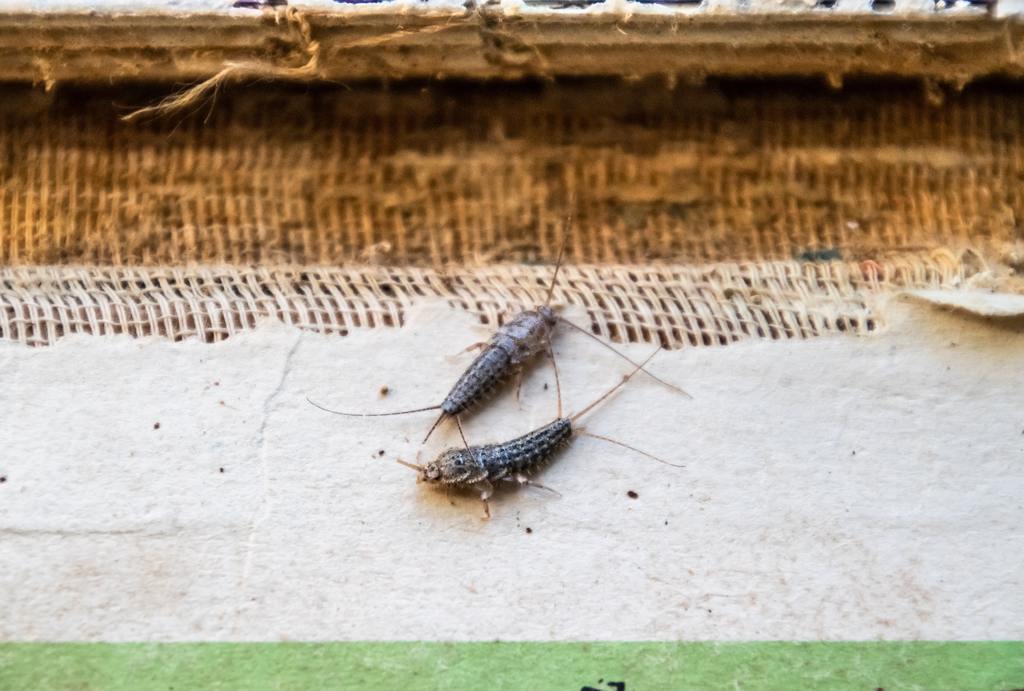
- Paper and cardboard, especially stored boxes
- Book bindings, glue, and wallpaper paste
- Fabrics like cotton, linen, and even some synthetics
- Dry pantry foods such as flour, cereals, and grains
- Dead skin cells, dust, and debris found in corners
Why does their diet make infestations worse?
Because their food sources are so common, most homes unknowingly provide a constant supply. This means even a clean home can still support silverfish activity.
They are especially drawn to:
- Storage areas with old boxes or papers
- Closets with undisturbed clothing
- Pantries with improperly sealed food
How does this connect to getting rid of them?
If you are trying to figure out how to get rid of silverfish, removing food sources is just as important as treating the insects themselves.
Simple changes can make a big difference:
- Store paper items in sealed plastic containers
- Use airtight containers for dry food goods
- Regularly clean dust and debris from baseboards and corners
Why are they often found in unexpected places?
This is why they often show up in places you wouldn’t expect, like bookshelves, storage bins, or even inside wall cavities. As long as food and moisture are present, silverfish will continue to return.
Understanding what they eat gives you a major advantage in learning how to get rid of silverfish in a way that actually prevents future infestations.
How Can You Naturally Get Rid of Silverfish?
If you prefer non-chemical methods, there are several natural approaches that can help reduce populations. These methods are especially useful for early-stage infestations or as part of a long-term prevention plan.
Do natural methods actually work?
They can be effective when used consistently and in combination. However, they typically do not eliminate larger infestations on their own.
Natural remedies include:
- Diatomaceous earth: Damages their outer shell and causes dehydration
- Cedar oil or shavings: Acts as a natural repellent in closets and storage areas
- Sticky traps: Helps monitor and reduce activity over time
- Essential oils: Lavender and citrus can deter them from certain areas
How should you apply these methods for best results?
To improve effectiveness when learning how to get rid of silverfish naturally:
- Apply diatomaceous earth in cracks, baseboards, and hidden crevices
- Place cedar in enclosed spaces like drawers or closets
- Use sticky traps near suspected activity zones to track movement
- Reapply essential oils regularly since they lose strength over time
What are the limitations of natural treatments?
While these methods can help, they often work best for small infestations because:
- They do not reach deep nesting areas
- They rely on consistent application
- They do not address moisture issues directly
This means they are most effective when paired with environmental changes, not used as a standalone solution.
How to Get Rid of Silverfish in Bathrooms and Kitchens?
These are the most common hotspots, especially in Florida homes where humidity is high year-round.
Why are these areas so attractive to silverfish?
Bathrooms and kitchens provide everything silverfish need:
- Constant moisture from water use
- Easy access to food particles and organic debris
- Plenty of hidden spaces behind cabinets and fixtures
Focus on moisture control first
If you want to understand how to get rid of silverfish in these areas, moisture is always the first priority.
- Use exhaust fans during and after showers or cooking
- Fix leaks immediately, even small drips
- Install a dehumidifier if humidity stays high
- Wipe down wet surfaces to reduce lingering moisture
Clean strategically to remove food sources
- Wipe down sinks and counters nightly to remove residue
- Store food in airtight containers to limit access
- Avoid leaving paper or cardboard in damp areas
- Regularly clean under appliances and inside cabinets
What small changes make the biggest difference?
When learning how to get rid of silverfish in bathrooms and kitchens, consistency matters more than intensity:
- Daily drying of surfaces reduces survival conditions
- Weekly deep cleaning removes hidden food sources
- Routine inspection helps catch problems early
Why do infestations often start here?
These spaces are used frequently but rarely cleaned in hidden areas. That combination allows silverfish to stay out of sight while still having everything they need to survive.
Learning how to get rid of silverfish in these rooms often comes down to controlling moisture first, then eliminating access to food and shelter.
If outdoor pest pressure is contributing to indoor issues, consider broader treatments like lawn pest control.
What Are the Signs of a Silverfish Infestation?
You may not always see the insects themselves. Instead, look for subtle signs that point to hidden activity. Catching these early is one of the most important steps in learning how to get rid of silverfish before the problem spreads.
Common indicators:
- Small holes in paper or fabric, especially along edges
- Yellow stains on books, wallpaper, or clothing
- Shed skins that look like thin, translucent shells
- Tiny black droppings that resemble pepper flakes
- Sightings at night when lights are turned on
What are the early warning signs most people miss?
Many infestations start quietly. Before you ever see a live insect, you may notice:
- Damage to stored boxes or old documents
- Musty odors in closets or storage spaces
- Increased dust or debris buildup in corners
These small clues often appear weeks before visible activity increases.
Why are silverfish hard to detect?
Silverfish are nocturnal and avoid light, which means they stay hidden during the day. They also prefer tight cracks and undisturbed areas where they are unlikely to be noticed. Silverfish are nocturnal and tend to hide during the day, which makes early infestations easy to miss.
When should you take action?
If you notice more than one of these signs, it is a strong indicator that activity is already established. At that point, learning how to get rid of silverfish becomes more urgent, since the population may already be growing behind the scenes.
How to Get Rid of Silverfish in Walls and Hidden Areas?
This is where most DIY approaches fall short and where many infestations continue to survive unnoticed.
Silverfish often live in protected areas that are difficult to access with standard cleaning or spray treatments.
Where do silverfish hide inside your home?
- Behind baseboards and trim where gaps exist
- Inside wall voids and insulation
- Under flooring or subfloor areas
- In attic insulation with warm, humid conditions
- Around plumbing penetrations and utility lines
Surface treatments may not reach these areas, which is why infestations can persist even after visible activity decreases.
Why are hidden infestations harder to eliminate?
When figuring out how to get rid of silverfish, it is important to understand that:
- Eggs are often laid deep inside cracks and voids
- Silverfish can travel between rooms through wall cavities
- Standard sprays rarely penetrate these protected spaces
This allows populations to rebuild even after initial treatments.
To address hidden infestations:
- Seal entry points and cracks along baseboards, pipes, and walls
- Use targeted dust treatments designed for voids and crevices
- Monitor activity with traps placed near suspected hiding spots
- Reduce moisture in hidden areas using ventilation or dehumidifiers
What makes this step critical?
If you skip treating hidden areas, you are only addressing part of the problem. This is why many homeowners feel like they know how to get rid of silverfish, yet continue to see them weeks later.
Understanding and targeting these nesting areas is what separates short-term relief from long-term control.
When should you consider a more advanced approach?
If activity continues despite repeated efforts, it often means the infestation is deeply established within walls or structural areas. At that point, more thorough solutions may be needed to fully resolve the issue.
Understanding hidden nesting areas is critical when figuring out how to get rid of silverfish for good.
Are Store-Bought Sprays Effective Against Silverfish?
Over-the-counter sprays can kill silverfish on contact, but they have limitations that many homeowners do not realize until the problem returns.
How do these sprays actually work?
Most store-bought products are designed to provide quick results by killing insects on contact or shortly after exposure. This can make it feel like the problem is solved, especially in the early stages.
However, this only addresses what you can see.
Pros:
- Quick knockdown of visible insects
- Easy to apply without professional equipment
- Widely available and relatively inexpensive
Cons:
- Do not reach hidden nests inside walls or insulation
- Limited residual effect, meaning they stop working quickly
- Can require frequent reapplication to maintain control
Why do sprays often fail long term?
If you are trying to understand how to get rid of silverfish, this is where many approaches fall short.
Sprays typically fail because:
- Silverfish spend most of their time in hidden areas, not exposed surfaces
- Eggs remain untouched and continue to hatch
- Moisture conditions that support survival are not addressed
When are sprays actually useful?
They can be helpful as a short-term solution to reduce visible activity or as part of a larger plan. But relying on them alone rarely leads to full elimination.
This is why many homeowners find themselves repeatedly searching for how to get rid of silverfish after temporary results.
How Long Does It Take to Eliminate Silverfish?
The timeline depends on the severity of the infestation, how early it is caught, and how well environmental conditions are addressed.
What factors affect how long it takes?
When learning how to get rid of silverfish, timing is influenced by:
- The size of the existing population
- The level of humidity inside the home
- Whether hidden nesting areas are treated
- Consistency of cleaning and prevention efforts
Typical timeline:
- Light infestation: 1–2 weeks with proper cleaning and moisture control
- Moderate infestation: 3–6 weeks with combined methods
- Severe infestation: Several months without targeted treatment
Why do some infestations take longer than expected?
Even when homeowners take action, silverfish can continue to appear because:
- Eggs hatch in cycles, leading to new activity
- Hidden populations remain untouched
- Environmental conditions still support survival
What speeds up the process?
If you want faster results when figuring out how to get rid of silverfish, focus on:
- Reducing humidity as quickly as possible
- Treating both visible and hidden areas at the same time
- Staying consistent with cleaning and monitoring
What slows the process down?
- Treating only visible insects
- Ignoring moisture issues
- Inconsistent application of solutions
Consistency is key. Skipping steps or only treating symptoms will prolong the problem and allow silverfish to return.
What Makes Silverfish So Hard to Eliminate?
Silverfish are resilient pests with unique survival traits that allow them to outlast many common treatment methods. This is why so many homeowners struggle when trying to figure out how to get rid of silverfish for good.
Why are silverfish more difficult than other pests?
Unlike ants or roaches that actively search for food, silverfish are survival-focused insects. They hide, adapt, and wait, which makes them harder to detect and eliminate.
Key challenges:
- Can survive months without food, relying on minimal resources
- Thrive in hidden environments where treatments rarely reach
- Lay eggs in hard-to-reach areas that go unnoticed
- Require moisture more than food, making humidity the real driver
How does their behavior make control harder?
Silverfish are experts at staying out of sight. They move quickly, avoid light, and prefer tight spaces where they are protected.
This means:
- You may only see a small percentage of the population
- Most activity is happening behind walls or under surfaces
- Infestations can grow without obvious warning signs
Why does moisture make such a big difference?
If there is one factor that makes learning how to get rid of silverfish challenging, it is moisture.
Even if you remove food sources, silverfish can continue to survive as long as humidity remains high. This is why infestations are so common in Florida homes and coastal regions.
What is the biggest mistake homeowners make?
Many people focus only on killing visible insects. But with silverfish, the real issue is the environment, not just the pest.
If moisture, shelter, and hidden access points remain, the infestation will continue regardless of how many insects are removed.
What does this mean for long-term control?
To truly understand how to get rid of silverfish, you have to approach the problem from multiple angles:
- Eliminate moisture sources
- Treat hidden areas, not just open surfaces
- Stay consistent with prevention and monitoring
This combination is what makes the difference between temporary relief and lasting results.
When Should You Be Concerned About Damage?
While silverfish do not bite or spread disease, they can cause noticeable damage over time, especially when infestations go unnoticed.
What kind of damage do silverfish cause?
Silverfish feed on materials that contain starches and adhesives, which are found in many everyday household items.
Items at risk:
- Books, documents, and important paper records
- Wallpaper, glue, and cardboard storage boxes
- Clothing and fabrics, especially natural fibers
- Stored food products like grains and cereals
How does the damage typically appear?
The damage is often subtle at first, which is why it is easy to overlook:
- Irregular holes or notches in paper and fabric
- Yellowish stains or discoloration
- Surface scraping on book pages or packaging
Why does damage get worse over time?
Because silverfish are nocturnal and hidden, they can feed undisturbed for long periods. This allows damage to accumulate slowly until it becomes noticeable. Visual reference of silverfish.
When should you take damage seriously?
If you notice repeated damage in multiple areas or ongoing signs like shed skins and droppings, it is a sign that the infestation is active and spreading.
At this point, understanding how to get rid of silverfish becomes more urgent, since the longer they remain untreated, the more damage they can cause to your home and belongings.
What is the long-term risk?
While the damage may seem minor at first, over time it can impact valuable items, stored memories, and even structural materials like wallpaper and insulation.
The longer they remain untreated, the more damage they can cause.

How to Prevent Silverfish From Coming Back?
Prevention is just as important as removal. In fact, most long-term success comes from changing the conditions inside your home so silverfish cannot survive.
Why is prevention the most important step?
Even after you learn how to get rid of silverfish, they can return if the environment still supports them. Prevention removes the reasons they showed up in the first place.
Long-term prevention tips:
- Keep humidity below 50 percent using fans or dehumidifiers
- Store paper goods, books, and documents in sealed containers
- Declutter storage areas to eliminate hiding spots
- Regularly inspect hidden spaces like closets, attics, and under sinks
- Maintain routine cleaning habits to remove dust and debris
What additional steps make prevention stronger?
- Seal cracks and gaps around baseboards, pipes, and entry points
- Improve ventilation in bathrooms, kitchens, and laundry rooms
- Rotate and check stored items instead of leaving them untouched for long periods
How often should you monitor for silverfish?
Consistency is key when maintaining a pest-free home:
- Weekly quick checks in high-risk areas
- Monthly deeper inspections in storage and hidden spaces
- Immediate action if new signs appear
What is the goal of prevention?
The goal is not just to reduce activity, but to create an environment where silverfish cannot survive at all.
Prevention is the final step in mastering how to get rid of silverfish and keeping them gone.
Is There a Point Where DIY Isn’t Enough?
If you have tried multiple methods and still see activity, the issue may be deeper than surface-level.
How do you know when DIY methods are no longer working?
You may notice:
- Silverfish continuing to appear after repeated treatments
- Activity spreading to new areas of the home
- Signs of infestation returning shortly after cleaning or spraying
What do persistent infestations usually indicate?
Persistent infestations often mean:
- Nesting inside walls, insulation, or structural voids
- Moisture problems you cannot easily see or access
- Entry points that have not been sealed properly
Why are these problems harder to solve on your own?
When learning how to get rid of silverfish, hidden infestations are the most challenging because:
- Standard products do not reach deep nesting areas
- Identifying moisture sources can require specialized tools or experience
- Silverfish can move between rooms through unseen pathways
What happens if the problem is left untreated?
- Populations can slowly grow over time
- Damage to belongings can increase
- Infestations can spread to multiple areas of the home
What is the next step when DIY is not enough?
At that stage, solutions need to go beyond basic treatments and focus on a more complete approach that targets both visible activity and hidden sources.
Understanding when to shift your approach is an important part of fully solving the problem and ensuring it does not return.
Final Thoughts: The Smarter Way to Handle Silverfish
Silverfish are not the most dangerous pests, but they are among the most persistent. Knowing how to get rid of silverfish is not just about killing what you see. It is about removing what attracts them, eliminating where they hide, and preventing them from returning.
What is the biggest takeaway for homeowners?
If there is one thing to remember, it is this: silverfish problems are rarely surface-level. What you see is only a small part of what is happening behind walls, under floors, and in hidden areas.
That is why learning how to get rid of silverfish requires a complete approach, not just quick fixes.
Why do most solutions fail long term?
Most homeowners start with DIY methods, which can help in the early stages. But when the problem continues or spreads, it usually means something deeper is sustaining the infestation.
In many cases, that includes:
- Ongoing moisture issues that were never fully addressed
- Hidden nesting areas that were never treated
- Recurring conditions that continue to attract silverfish
What actually creates long-term results?
A more thorough approach focuses on three key areas:
- Eliminating moisture so silverfish cannot survive
- Targeting hidden areas where they live and reproduce
- Creating a long-term prevention plan that keeps them from returning
This is where the difference lies between temporary relief and a home that stays protected.
When should you take the next step?
If you have tried multiple methods and still find yourself searching for how to get rid of silverfish, it may be a sign that the issue is deeper than it appears.
At that point, a more complete solution becomes necessary to fully resolve the problem and protect your home long term.
Because at the end of the day, it is not just about getting rid of silverfish. It is about making sure they do not come back.
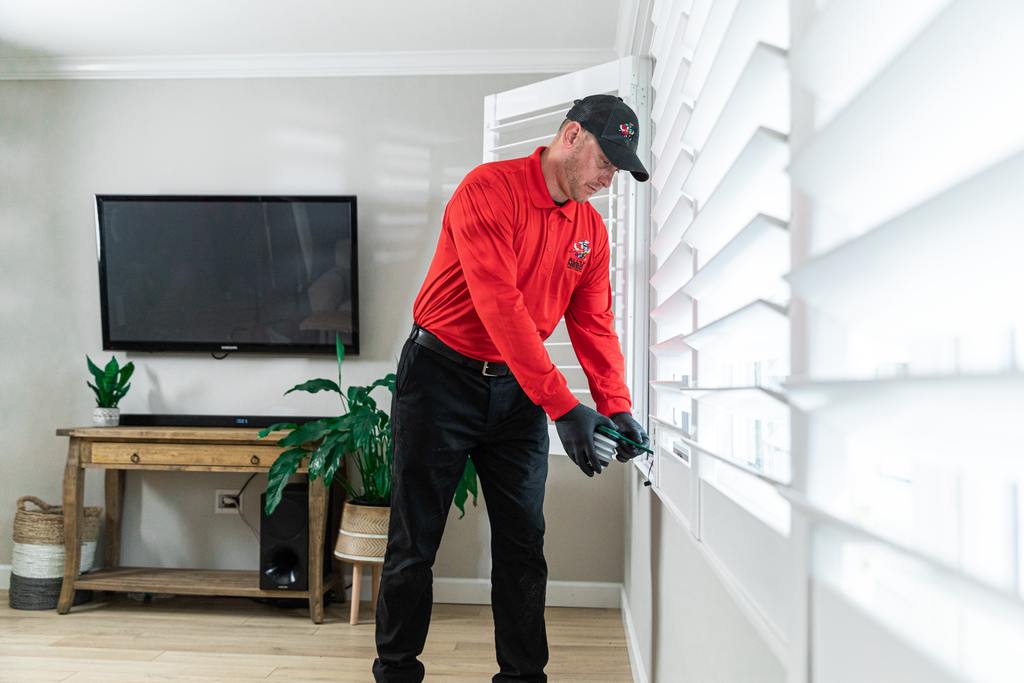
If you are ready for a more complete solution, explore professional pest control options here. Or reach out directly to get expert help tailored to your home.