
Introduction
Stink bugs are one of the most frustrating seasonal pests for homeowners across Florida and the Southeast. They often appear without warning, sometimes by the dozens, and immediately draw attention due to the strong odor they release when threatened or crushed. Many homeowners begin searching for how to get rid of stink bugs after noticing them crawling on walls, clustering near windows, hiding in curtains, or collecting on ceilings. While stink bugs do not bite or sting, their sudden presence and unpleasant smell can quickly disrupt daily comfort inside the home.
What makes stink bugs especially frustrating is their persistence. Even after removing the visible bugs, more often appear days or weeks later. This cycle leaves many homeowners feeling like the problem never truly goes away. Understanding the reasons behind these invasions is essential for long term control rather than relying on short term fixes.
This guide explains how to get rid of stink bugs effectively while helping you understand why they show up, where they hide, and what attracts them in the first place. By learning how stink bugs behave and what conditions encourage them, you can take proactive steps to reduce activity and keep your home protected year round.
What Are Stink Bugs and Why Are They a Problem?
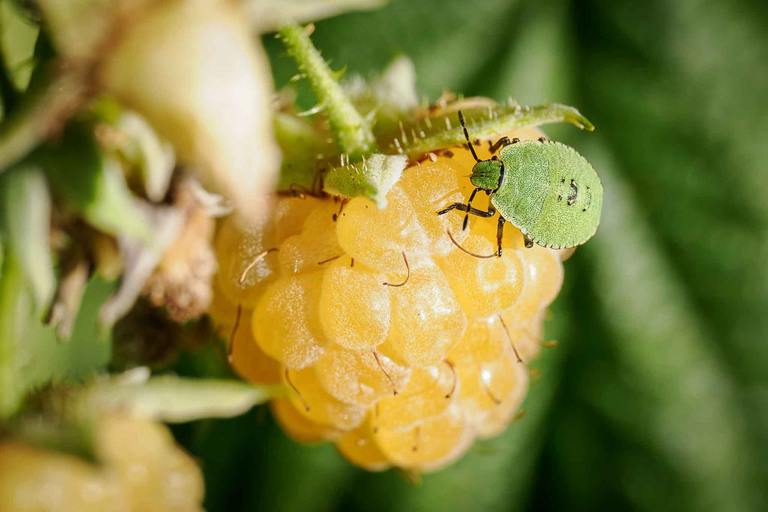
Stink bugs are shield shaped insects named for the foul smelling chemical they release as a natural defense mechanism. Stink bugs are common seasonal invaders in Florida homes and landscapes. This odor is designed to deter predators, but it becomes a major issue when stink bugs enter homes in large numbers. In Florida, the southern green stink bug is one of the most commonly encountered species, although several other stink bug species are capable of invading residential structures. The southern green stink bug, Nezara viridula, is well documented for its impact on plants and its tendency to move between outdoor and indoor environments.
Stink bugs become a problem for homeowners for several reasons:
- They invade homes in large numbers during seasonal changes
- They gather near windows, doors, and light sources where they are easily noticed
- They release a lingering odor when stressed, handled, or crushed
- They are difficult to remove completely once they gain entry
Unlike many household pests, stink bugs do not breed indoors or cause structural damage. However, their repeated seasonal invasions create ongoing frustration. Each year, homeowners find themselves searching again for how to get rid of stink bugs as new populations attempt to enter the same structures. Without proper prevention, stink bugs often return to homes where they have successfully sheltered before.

Understanding why stink bugs enter your home is the first step toward long term prevention. These insects are not randomly wandering indoors. Their behavior is driven by environmental changes, survival instincts, and the structure of modern homes.
When stink bugs find a building that offers protection, they tend to return to the same location year after year. This is why some homes experience recurring seasonal invasions while neighboring houses may see very little activity.
Are Stink Bugs Looking for Shelter?
Yes. Stink bugs are primarily outdoor insects, but they move indoors when conditions outside become unfavorable. Cooler temperatures, sudden weather changes, and heavy rain all trigger stink bugs to search for sheltered environments where they can survive.
Homes provide:
- Stable indoor temperatures
- Protection from predators and weather
- Dark, undisturbed hiding areas
Stink bugs commonly enter through small, often unnoticed openings such as:
- Cracks around doors and windows
- Gaps in siding, fascia, or soffits
- Attic vents and roofline openings
- Utility and plumbing entry points
Once inside, stink bugs do not roam constantly. They hide in wall voids, attics, basements, and quiet corners where they can remain undisturbed for long periods. As temperatures rise, they become active again, leading homeowners to suddenly notice stink bugs indoors.
Are Lights Attracting Stink Bugs?
Lighting plays a larger role in stink bug activity than many homeowners realize. Stink bugs are attracted to light sources, particularly at night, which draws them toward homes and increases the likelihood of entry.
Bright white or blue toned lights near doors, windows, and garages are especially attractive. As stink bugs gather around these light sources, they naturally find nearby gaps and openings that allow them inside.
Switching to warmer toned outdoor bulbs may reduce some attraction, but lighting changes alone rarely eliminate the problem. When combined with existing entry points and shelter opportunities, lights can continue to contribute to ongoing stink bug invasions without proper exterior protection.
How to Get Rid of Stink Bugs Inside the House
Many homeowners focus on how to get rid of stink bugs once they are already indoors because that is when the problem becomes impossible to ignore. Seeing stink bugs crawling on walls, ceilings, or windows can be alarming, especially when they appear day after day. While removal is possible, it must be done carefully to avoid spreading odors or attracting even more stink bugs into the same space.
Indoor control should always be viewed as short term relief. Without addressing how stink bugs entered the home in the first place, indoor sightings often continue throughout the season.
Should You Squish Stink Bugs?
No. Squishing stink bugs is one of the most common mistakes homeowners make. Crushing them releases their defensive odor, which can linger in fabrics, carpets, and furniture. Even worse, this odor can act as a signal that attracts additional stink bugs to the same area.
The smell can be difficult to remove and may remain noticeable long after the bug itself is gone. For this reason, physical removal without direct contact is always recommended.
Instead of squishing stink bugs, focus on methods that remove them intact and prevent odor release.
What Is the Best Way to Remove Stink Bugs?
Vacuuming is widely considered the safest and most effective method for removing stink bugs indoors. A vacuum allows you to capture the insect quickly without triggering its odor response.
The most effective indoor removal options include:
- Vacuuming stink bugs using a shop vacuum or handheld vacuum
- Emptying the vacuum contents immediately after use
- Using a vacuum with a disposable bag to limit lingering smells
Some homeowners choose to dedicate a specific vacuum solely for stink bug removal. This prevents odors from transferring to other areas of the home and makes repeated cleanups easier during peak seasons.
When vacuuming, focus on areas where stink bugs commonly gather, such as windowsills, curtains, light fixtures, and corners near ceilings.
Do Homemade Traps Work?
Homemade traps can help reduce the number of visible stink bugs indoors, but they should not be relied on as a complete solution. These traps work best for capturing individual bugs rather than addressing the source of the infestation.
Common homemade trap methods include:
- Shallow pans of soapy water placed under light sources at night
- Sticky traps positioned near windows, doors, and other entry points
While these traps can catch stink bugs that are already active, they do not affect stink bugs hiding inside walls, attics, or structural voids. As a result, new stink bugs often continue to appear even when traps are in place.

How to Get Rid of Stink Bugs Naturally
Natural solutions are often appealing, especially for households with children, pets, or individuals sensitive to strong chemicals. Many homeowners prefer to avoid chemical sprays indoors and look for gentler ways to manage stink bugs. While natural methods can help reduce activity and discourage lingering, it is important to understand their limitations.
Natural approaches work best as part of a broader strategy. On their own, they rarely eliminate stink bugs entirely, especially if the home has multiple entry points or strong exterior pressure. When combined with exclusion, outdoor management, and regular monitoring, natural methods can play a helpful supporting role.
Do Essential Oils Repel Stink Bugs?
Some essential oils are believed to repel stink bugs when applied around potential entry points or areas where stink bugs are frequently seen. These strong scents can interfere with a stink bug’s ability to navigate and may make treated areas less appealing.
Commonly used essential oils include:
- Peppermint oil
- Clove oil
- Lemongrass oil
To use essential oils effectively, they must be diluted with water and applied to door frames, window sills, baseboards, and other suspected entry points. Even with proper application, essential oils require frequent reapplication, especially after cleaning, rain, or changes in humidity.
While essential oils may help deter occasional stink bugs, they are unlikely to stop determined bugs from entering a home that offers warmth, shelter, and easy access. For this reason, essential oils should be viewed as a supplemental deterrent rather than a standalone solution.
Can Vinegar Kill Stink Bugs?
Direct contact with vinegar can kill stink bugs, but spraying them often causes the insects to release their defensive odor. This can make the smell linger and potentially attract other stink bugs to the area.
Vinegar is more useful as a cleaning agent after stink bugs have been removed. Wiping down surfaces where stink bugs were present may help neutralize lingering odors and remove scent trails. However, vinegar should not be relied on as a primary method for controlling stink bug infestations.
How to Get Rid of Stink Bugs Outside Your Home
Effective stink bug control begins outdoors. Reducing exterior populations and limiting shelter opportunities lowers the chance of stink bugs finding their way indoors. Homes with unmanaged landscaping or heavy plant growth near the structure often experience higher stink bug activity.
Where Do Stink Bugs Live Outside?
Stink bugs spend most of their lives outdoors feeding on plants, fruits, and vegetables. Species such as the southern green stink bug are considered agricultural pests and thrive in landscapes that provide abundant food sources. They are especially attracted to areas that provide both food and shelter.
Common outdoor locations include:
- Shrubs and ornamental plants near walls and windows
- Gardens and fruit trees that produce food sources
- Weeds, tall grass, and dense vegetation near the foundation
Stink bugs may also hide under bark, leaf litter, and outdoor debris. Managing these areas can significantly reduce stink bug pressure and make your home less attractive to invading populations.
How to Get Rid of Stink Bugs Outside Your Home
Effective stink bug control begins outdoors. Reducing exterior populations lowers the chance of indoor invasions and helps prevent stink bugs from ever reaching your walls, doors, and windows. Homes with heavy landscaping, abundant plant life, or unmanaged yard debris tend to experience higher stink bug pressure throughout the year.
Outdoor control is especially important because stink bugs spend most of their lives outside. By making the exterior environment less attractive, you reduce the likelihood that stink bugs will attempt to move indoors when temperatures change.
Where Do Stink Bugs Live Outside?
Stink bugs feed on a wide variety of plants, fruits, and vegetables, which is why they are commonly found in residential yards and landscaped areas. They look for locations that provide both food sources and shelter from weather and predators.
Stink bugs often gather on:
- Shrubs and ornamental plants planted close to the home
- Gardens, citrus trees, and fruit bearing plants
- Weeds, tall grass, and unmanaged vegetation near the foundation
In addition to living on plants, stink bugs may hide under loose bark, mulch, leaf litter, and outdoor debris. These sheltered areas allow them to remain protected until conditions drive them closer to the structure. Reducing these hiding spots can significantly lower stink bug activity around your home.

Should You Remove Certain Plants?
You do not necessarily need to remove all plants, but managing vegetation near your home is critical. Overgrown plants that touch exterior walls or windows create easy pathways for stink bugs to reach entry points.
Trimming vegetation back from the structure helps eliminate shelter and limits access. Particular attention should be given to dense shrubs, climbing plants, and areas where moisture tends to collect.
Simple outdoor steps include:
- Keeping bushes and hedges trimmed away from walls
- Removing fallen leaves, mulch buildup, and yard debris
- Avoiding dense plant growth directly next to entry points
Consistent yard maintenance reduces the number of stink bugs near the home and lowers the pressure on doors, windows, and siding.
How to Get Rid of Stink Bugs by Sealing Entry Points
One of the most effective long term solutions for stink bug control focuses on exclusion. Even with outdoor management, stink bugs will continue to attempt entry if gaps and openings are available.
What Gaps Should You Seal?
A thorough inspection of the exterior of your home can reveal hidden access points that stink bugs use repeatedly. These openings are often small and easy to overlook.
Common areas to inspect include:
- Cracks and gaps around windows and doors
- Open seams in siding or trim
- Openings around pipes, cables, and utility lines
- Damaged screens, vents, or weather stripping
Sealing these areas helps create a physical barrier that prevents stink bugs from entering, even during peak seasons.
Does Caulking Really Help?
Yes. High quality caulking and proper sealing play a major role in long term stink bug prevention. When applied correctly, caulking blocks the narrow gaps that stink bugs rely on to enter homes year after year.
Combined with exterior treatments and routine maintenance, sealing entry points greatly reduces indoor sightings and helps prevent recurring seasonal infestations.
Why Stink Bugs Keep Coming Back Every Year
Many homeowners wonder why stink bugs return year after year, even after they believe the problem has been resolved. The answer lies in stink bug behavior and how homes unintentionally become reliable seasonal shelters.
Stink bugs are seasonal invaders that actively seek protected structures when outdoor conditions become unfavorable. Once they find a home that offers warmth, shelter, and easy access points, they mark that location using pheromones. These chemical signals attract other stink bugs, increasing the likelihood that the same home will be targeted again in future seasons.
This is why simply removing visible stink bugs rarely solves the problem long term. Without addressing how they are entering and what is attracting them, stink bugs will continue to return to familiar structures.
Homes without a consistent exterior barrier, proper sealing, and routine monitoring are especially vulnerable. Over time, stink bug activity often increases as each new season brings additional bugs attempting to access the same shelter.

How to Get Rid of Stink Bugs Without Making the Problem Worse
Improper control methods can unintentionally worsen stink bug infestations. Many common DIY approaches focus on quick removal rather than long term prevention, which can lead to repeated sightings and stronger odors.
Common mistakes to avoid include:
- Crushing stink bugs indoors, which releases odor and attracts others
- Using random insect sprays that do not target stink bug behavior
- Ignoring exterior entry points where stink bugs are gaining access
- Waiting too long to address early warning signs of activity
When stink bugs are handled incorrectly, odors linger and pheromone trails may remain, increasing the chances of continued infestations. Effective control focuses on stopping stink bugs before they enter rather than reacting after they are already inside.
When Should You Worry About a Stink Bug Infestation?
Seeing a single stink bug indoors does not always indicate a serious infestation. Occasional sightings can happen during seasonal transitions. However, repeated or ongoing sightings often signal a larger underlying issue.
Signs that stink bug activity may require professional attention include:
- Daily or frequent stink bug sightings indoors
- Strong or persistent odors in specific rooms or areas
- Stink bugs appearing in upper floors, attics, or wall voids
- Seasonal surges that occur at the same time each year
These patterns suggest stink bugs are entering through hidden access points and using the structure as a regular shelter. Addressing the issue early can prevent the problem from escalating.
How to Get Rid of Stink Bugs Long Term
Long term stink bug control requires a layered and proactive approach. Because stink bugs rely on exterior access and seasonal movement, successful control focuses on prevention rather than constant removal.
An effective long term strategy includes:
- Exterior treatments designed to reduce stink bug populations near the home
- Sealing entry points to block access
- Monitoring high risk areas such as windows, doors, and rooflines
- Seasonal maintenance to address changes in pest pressure
Homes that follow this approach experience fewer invasions, shorter stink bug seasons, and less disruption indoors.
Why Prevention Is More Effective Than Removal
Once stink bugs are inside the home, removal becomes a reactive process. While removing visible bugs may provide short term relief, it does nothing to stop additional stink bugs from entering through the same access points. This often leads to a cycle where homeowners repeatedly deal with sightings, odors, and frustration throughout the season.
Preventive measures focus on stopping stink bugs before they ever make it indoors. By addressing the root causes of infestations, prevention reduces the need for constant cleanup and minimizes the chances of repeated invasions.
Preventive pest management focuses on:
- Creating a protective exterior barrier that deters stink bugs from approaching the structure
- Addressing seasonal pest pressure before bugs begin seeking shelter indoors
- Monitoring environmental and structural changes that create new entry opportunities over time
This proactive approach provides long term protection. It reduces stress, minimizes odors caused by indoor encounters, and protects your home not only from stink bugs but from a wide range of other seasonal pests that follow similar invasion patterns.

How to Get Rid of Stink Bugs the Smart Way
If you are still searching for how to get rid of stink bugs, the most effective answer usually lies in consistent, preventive pest management rather than temporary fixes. Quick DIY solutions often address what you can see, while leaving the underlying causes untouched.
A smarter approach focuses on reducing stink bug pressure around the home and limiting the conditions that allow them to enter in the first place. This results in fewer surprises and far less disruption during peak stink bug seasons.
Homes protected with routine pest management experience:
Support from trained professionals who understand seasonal pest behavior, such as our team at All “U” Need Pest Control who specialize in seasonal exterior protection
- Fewer indoor pests overall
- Reduced seasonal stink bug invasions
- Less reliance on repeated DIY treatments
- Greater long term peace of mind
Stink bugs may seem harmless at first, but their persistence can quickly turn into ongoing frustration when prevention is overlooked.
Final Thoughts on How to Get Rid of Stink Bugs
Learning how to get rid of stink bugs begins with understanding their behavior, seasonal movement, and attraction to sheltered structures. These pests are not random intruders. They are driven by environmental changes and will repeatedly target homes that offer easy access, warmth, and protection. While DIY methods can reduce visible stink bugs for short periods, they rarely address the underlying causes of recurring infestations.
Long term control requires a more comprehensive approach. Addressing the exterior of the home, sealing entry points, managing landscaping, and reducing attractants all play a critical role in preventing stink bugs from returning year after year. When these steps are taken consistently, homeowners experience fewer surprises and far less frustration during peak seasons.
With the right prevention plan in place, often guided by ongoing professional monitoring and exterior protection, stink bugs become far less of a problem rather than a recurring nuisance. A proactive strategy helps keep your home comfortable, clean, and pest free throughout the year while reducing the need for constant reactive treatments.