Huntsman Spider Bite: What You Need to Know to Stay Safe at Home

Published: April 7, 2026
Introduction
When people spot a large spider moving quickly across a wall or ceiling, it often causes immediate concern. That sudden movement combined with their size can make anyone stop in their tracks. One of the most common questions that follows is whether a huntsman spider bite is dangerous and what to do if it happens.
Huntsman spiders are known for their size, speed, and ability to appear suddenly in homes, especially in warmer climates like Florida. Unlike smaller spiders that stay hidden, these spiders are often seen out in the open, which can make encounters feel more intense.
While these spiders are not considered highly dangerous, their presence can still be unsettling for homeowners. Understanding the facts about a huntsman spider bite can help reduce unnecessary fear while also making sure you respond correctly if a situation does occur.
Why Are People So Concerned About a Huntsman Spider Bite?
There are a few key reasons these spiders get so much attention:
- Their large size makes them look more dangerous than they are
- Their speed can catch people off guard
- They are often found inside the home rather than outside
- Many people are unsure how their bite compares to other spiders
The good news is that most encounters do not lead to a huntsman spider bite at all. In fact, these spiders prefer to avoid people whenever possible.
This guide will walk you through everything you need to know, including:
- How to identify huntsman spiders
- What a huntsman spider bite feels like
- Symptoms to watch for
- How to prevent them from entering your home

What Is a Huntsman Spider?
Huntsman spiders belong to the Sparassidae family and are known for their long legs and flat bodies. Unlike web-building spiders, they actively hunt their prey instead of waiting for insects to get trapped.
This hunting behavior is one of the main reasons they are sometimes seen moving quickly across walls, ceilings, or floors. They rely on speed and agility rather than webs to catch food.
Key Characteristics
- Large size with leg spans that can reach several inches
- Flattened bodies that allow them to hide in tight spaces
- Brown or gray coloring that blends into walls, bark, and furniture
- Fast movement, especially when disturbed
- Found on walls, ceilings, behind furniture, and even inside vehicles
How Are Huntsman Spiders Different from Other Spiders?
Huntsman spiders are often confused with other large spiders, but a few traits set them apart:
- They do not build traditional webs in living spaces
- Their legs extend outward in a crab-like stance
- They are more likely to run than stay still when approached
Huntsman spiders are widely distributed in warm regions and are generally considered non-aggressive toward humans. Understanding these traits can help homeowners quickly identify what they are dealing with and determine whether a huntsman spider bite is even a realistic concern.
Where Are Huntsman Spiders Found?
Huntsman spiders thrive in warm, humid environments where insect activity is high. While they are more common in tropical and subtropical regions, they have adapted well to certain parts of the United States, including Florida and other southern states.
These spiders are highly adaptable, which is why they can live both outdoors and indoors. Their ability to flatten their bodies allows them to hide in tight spaces, making them harder to detect until they move.
Common Places You May Find Them
- Inside homes, especially in garages, attics, and storage areas
- Behind curtains, wall decor, or picture frames
- Under furniture, appliances, or inside closets
- Inside sheds, barns, or outdoor structures
- Around outdoor lighting where insects gather at night
Why Are They Drawn to These Areas?
Huntsman spiders are usually following one thing: food. If your home or yard has an active insect population, it becomes an ideal hunting ground.
They are also attracted to:
- Dark, undisturbed spaces where they can rest during the day
- Cool indoor environments during extreme outdoor heat
- Moist areas that support insect activity
Many large spiders found in Florida homes are harmless but can still cause concern due to their appearance. Understanding where these spiders hide can help you take steps to limit encounters and reduce the chances of ever dealing with a huntsman spider bite.

Do Huntsman Spiders Bite Humans?
This is one of the most common questions homeowners ask, especially after spotting one indoors. The short answer is yes, a huntsman spider bite is possible, but it is very rare.
Huntsman spiders are not aggressive and prefer to avoid human interaction whenever possible. In most cases, they will run away rather than stand their ground.
A huntsman spider bite typically only occurs when the spider feels threatened or trapped. This means most bites are accidental rather than intentional.
Situations That May Lead to a Bite
- Handling the spider directly or trying to remove it without protection
- Reaching into storage boxes, wood piles, or cluttered areas where they may be hiding
- Putting on clothing or shoes where a spider may be inside
- Accidentally trapping the spider against your skin, such as in bedding or towels
How Likely Is a Huntsman Spider Bite?
The likelihood is extremely low. Most people who see huntsman spiders will never experience a bite.
In fact, understanding their behavior is one of the best ways to avoid issues:
- They are more active at night
- They rely on speed to escape danger
- They do not seek out humans to bite
By being aware of where they hide and how they react, homeowners can significantly reduce the already low chances of a huntsman spider bite occurring in the first place.
What Does a Huntsman Spider Bite Feel Like?
A huntsman spider bite is often described as mildly painful but not severe. The experience can vary depending on the individual, the location of the bite, and how long the spider was in contact with the skin.
In most cases, the sensation is immediate but manageable. Many people notice the bite right away, while others may only become aware of it after mild irritation begins.
Common Sensations
- Mild to moderate pain at the bite site
- Slight redness and swelling
- Localized irritation or sensitivity
- A brief stinging or burning feeling
Most people compare the sensation to a bee sting, though it is usually less intense and fades more quickly.
How Long Does the Pain Last?
For most individuals, discomfort from a huntsman spider bite does not last long.
- Initial pain typically subsides within minutes to an hour
- Mild irritation may continue for several hours
- Any lingering sensitivity usually fades within a day
Because the reaction is localized, it rarely interferes with normal daily activities.
Does Everyone React the Same Way?
Not always. Reactions can vary based on:
- Skin sensitivity
- Immune response
- Location of the bite on the body
Some people may barely notice symptoms, while others experience slightly more irritation. Even then, a huntsman spider bite remains mild compared to more medically significant spider bites.

What Are the Symptoms of a Huntsman Spider Bite?
In most cases, symptoms from a huntsman spider bite are mild, short lived, and limited to the area of the bite. Understanding what is normal can help you avoid unnecessary concern and respond with confidence.
Because these spiders are not considered medically significant, the body typically reacts in a very localized way. This means most symptoms stay around the bite area rather than spreading throughout the body.
Typical Symptoms
- Redness around the bite area
- Minor swelling
- Itching or irritation
- Mild pain that fades within hours
These symptoms are part of the body’s natural immune response. Your skin reacts to the bite much like it would to other minor insect bites, and in most cases, symptoms improve on their own without medical treatment.
What Does the Bite Area Look Like?
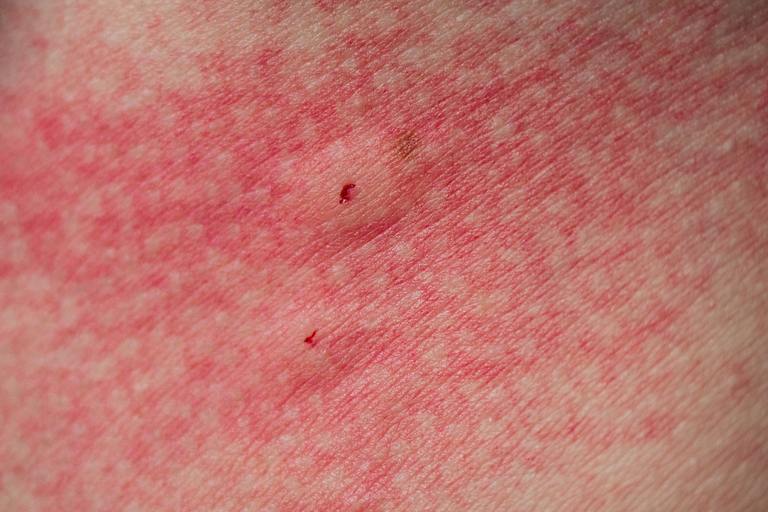
A huntsman spider bite usually appears as a small, slightly raised red mark. In some cases, you may notice:
- A single bite point or small cluster
- Light swelling around the area
- Slight warmth to the touch
Unlike more serious spider bites, there is typically no blistering or tissue damage.
Less Common Symptoms
While uncommon, some individuals may experience additional mild effects depending on their sensitivity:
- Headache
- Nausea
- Fatigue
- Slight dizziness
These symptoms are usually temporary and resolve without intervention. They may be more noticeable in individuals who are more sensitive to bites in general.

Signs You Should Pay Closer Attention
Although rare, it is important to monitor the bite area and your overall condition to rule out complications or misidentification.
Watch for:
- Increasing redness or swelling after 24 hours
- Pain that becomes more intense instead of improving
- Signs of infection such as warmth, pus, or worsening irritation
- Allergic reactions such as hives, swelling beyond the bite area, or difficulty breathing
Srious reactions from non-venomous spiders are uncommon, but individuals should monitor symptoms and seek medical attention if necessary.
How Do Symptoms Progress Over Time?
A typical huntsman spider bite follows a predictable and mild progression:
- Immediate mild discomfort or stinging sensation
- Development of slight redness and localized swelling
- Gradual reduction in irritation over several hours
- Full resolution within one to two days
In most cases, symptoms improve steadily without worsening. This predictable pattern is one of the key indicators that you are dealing with a huntsman spider bite rather than a more serious spider encounter.
When Should You Be More Concerned?
If symptoms fall outside of the normal pattern described above, it may indicate another type of bite, a secondary skin reaction, or even an unrelated issue.
While a huntsman spider bite is usually mild, it is still important to pay attention to how your body responds over time.
You should take extra caution if:
- The bite becomes increasingly painful after the first day instead of improving
- You notice spreading redness, darkening skin, or unusual discoloration
- Swelling continues to expand beyond the immediate bite area
- Systemic symptoms such as nausea, dizziness, or fatigue continue or worsen
What Could These Symptoms Mean?
In some cases, symptoms that seem unusual may point to:
- A bite from a different spider species
- A secondary bacterial infection from scratching
- An allergic reaction to the bite itself
Because many bites can look similar at first, changes over time are often the most important clue.
Quick Self Check Guide
If you are unsure whether you are dealing with a huntsman spider bite, ask yourself:
- Is the pain getting better or worse after 24 hours?
- Is the reaction staying localized or spreading?
- Are new symptoms appearing instead of fading?
If the answer raises concern, it is always best to seek medical advice.
Understanding these differences can help homeowners quickly assess whether a huntsman spider bite is truly the cause and decide if further action is needed.
Is a Huntsman Spider Bite Dangerous?
For most people, a huntsman spider bite is not considered dangerous. These spiders are not classified among the medically significant venomous spiders in Florida, which means their venom is not known to cause serious harm in typical cases.
That said, perception often differs from reality. Because huntsman spiders are large and fast, many homeowners assume their bite carries significant risk.
Why a Huntsman Spider Bite Is Usually Low Risk
- Their venom is mild compared to medically significant spiders
- Bites are rare and typically defensive
- Symptoms are usually localized and short lived
This combination makes serious complications highly unlikely for the average person.
When to Be Cautious
Even though risk is low, there are still situations where extra attention is important:
- If you have known allergies to insect or spider bites
- If symptoms worsen instead of improving over time
- If signs of infection appear such as increased warmth, redness, or discharge
- If the bite occurs in sensitive areas like the face or neck
Who May Be More Sensitive?
Some individuals may experience stronger reactions than others, including:
- Children
- Older adults
- Individuals with compromised immune systems
- People with sensitive skin or allergy history
While this does not make a huntsman spider bite dangerous, it can mean symptoms feel more noticeable or last slightly longer.
When Should You Seek Medical Attention?
Although uncommon, you should consider professional care if:
- Pain becomes severe or persistent
- Swelling spreads significantly beyond the bite site
- You experience difficulty breathing or signs of an allergic reaction
- The bite shows signs of infection after a day or two
While rare, any unusual reaction should be evaluated by a medical professional to rule out other causes and ensure proper treatment.
How Do You Treat a Huntsman Spider Bite?
Treating a huntsman spider bite is usually simple and can be done at home.
Basic First Aid Steps
- Wash the area with soap and water
- Apply a cold compress to reduce swelling
- Use over the counter pain relief if needed
- Avoid scratching the bite area
When to Seek Medical Attention
- Severe pain or spreading redness
- Signs of infection such as pus or warmth
- Allergic reactions like difficulty breathing
Prompt care can help prevent complications and ensure proper healing.
How Can You Tell If a Spider Bite Is Not from a Huntsman?
Not all spider bites are the same, and misidentification is very common. Knowing how to distinguish a huntsman spider bite from other spider bites can help you respond appropriately and avoid unnecessary worry.
Key Differences to Watch For
- Huntsman bites are usually mild and stay localized to one area
- More dangerous spider bites may cause intense pain or spreading symptoms
- Blisters, open sores, or tissue damage are not typical of a huntsman spider bite
- Severe swelling or discoloration may indicate another species
What Bites Are Commonly Confused with Huntsman Bites?
Homeowners often mistake other bites for a huntsman spider bite, including:
- Mosquito bites that become irritated
- Flea or bed bug bites that appear in clusters
- Bites from more medically significant spiders
Because many bites look similar at first, it is important to focus on how symptoms change over time rather than just the initial appearance.
Quick Comparison Guide
Here is a simple way to compare:
- Huntsman spider bite: mild pain, small red mark, improves quickly
- Unknown or more serious bite: worsening pain, spreading reaction, unusual skin changes
When Should You Get Help?
If you are unsure about the type of bite, or if symptoms do not follow a mild and improving pattern, it is best to consult a medical or pest professional. Proper identification can provide peace of mind and ensure the right next steps.
Why Are Huntsman Spiders Entering Your Home?
Understanding why huntsman spiders enter your home is one of the most important steps in preventing future encounters and reducing the chances of dealing with a huntsman spider bite.
These spiders do not randomly invade homes. Instead, they are drawn in by specific environmental factors that make your home an ideal place to hunt or hide.
Common Reasons
- Searching for food such as insects
- Seeking shelter from heat, rain, or sudden weather changes
- Entering through gaps, cracks, or poorly sealed openings
The Role of Other Pests
One of the biggest reasons huntsman spiders show up indoors is the presence of other pests. If insects are active in or around your home, spiders will follow.
Common attractors include:
- Ants and roaches
- Flies and moths
- Beetles and other small insects
If you are seeing spiders regularly, it may be a sign that there is a larger pest issue that needs attention.
How Do They Get Inside?
Huntsman spiders can enter your home in several ways:
- Small gaps around doors and windows
- Open garage doors or entry points
- Cracks in the foundation or exterior walls
- Hitching a ride on items brought indoors
Because of their flat bodies, they can squeeze into surprisingly small spaces.
Why Some Homes See More Activity
Certain conditions make homes more attractive to huntsman spiders:
- High humidity levels
- Cluttered storage areas
- Outdoor lighting that attracts insects
- Landscaping that touches or overhangs the home
Homes with active insect populations are far more likely to attract huntsman spiders and increase the chances of indoor encounters.
By addressing these conditions, homeowners can significantly reduce spider activity and lower the likelihood of ever experiencing a huntsman spider bite.

How Do You Prevent Huntsman Spiders Indoors?
Prevention is one of the most effective ways to reduce the chances of dealing with a huntsman spider bite. The goal is not just to keep spiders out, but to eliminate the conditions that attract them in the first place.
Why Prevention Matters
Huntsman spiders are usually following food sources. If you reduce insect activity and limit entry points, you naturally make your home less appealing.
A proactive approach helps:
- Reduce unexpected encounters indoors
- Lower overall pest activity
- Minimize the chances of a huntsman spider bite
Practical Prevention Tips
- Seal cracks and gaps around doors, windows, and foundations
- Install or repair door sweeps and window screens
- Reduce outdoor lighting that attracts insects at night
- Keep indoor spaces clean and clutter free, especially storage areas
- Vacuum regularly to remove insects and hiding spots
- Regularly inspect garages, closets, and attics for activity
High Risk Areas to Focus On
Certain areas of the home are more likely to harbor spiders:
- Garages and sheds
- Attics and crawl spaces
- Behind large furniture and appliances
- Storage boxes and unused items
Paying extra attention to these areas can significantly reduce indoor sightings.
Outdoor Prevention Strategies
- Trim vegetation and tree branches away from the home
- Remove debris, mulch piles, and stacked wood near the structure
- Maintain proper lawn care to reduce insect populations
- Keep gutters clean and free of buildup
- Limit standing water that attracts insects
The Bigger Picture
Prevention is not just about spiders. It is about controlling the entire environment around your home. When insect populations are reduced, spiders have fewer reasons to stay.
Taking these steps consistently can significantly reduce spider activity and help prevent situations where a huntsman spider bite becomes a concern.
Are Huntsman Spiders Common in Florida?
Huntsman spiders are not the most common household spider in Florida, but they do appear in certain regions, particularly in warm, humid environments.
Florida’s climate provides ideal conditions for many types of pests, which indirectly supports spider populations. While homeowners are more likely to encounter other spider species, huntsman spiders can still show up from time to time.
Where Are They Most Likely to Appear?
- Coastal and tropical areas
- Homes near dense vegetation or wooded areas
- Properties with high insect activity
Why They Stand Out
Even though they are less common, huntsman spiders tend to leave a strong impression because:
- They are larger than most household spiders
- They move quickly across visible surfaces
- They are often seen out in the open rather than hiding in webs
Homeowners in Southwest Florida may occasionally encounter large, fast moving spiders that resemble huntsman species, especially during warmer months.
Should You Be Concerned About a Huntsman Spider Bite?
While the idea of a large spider can be unsettling, the actual risk associated with a huntsman spider bite is relatively low. Most concerns come from appearance rather than actual danger. However, consistent sightings should not be ignored.
When It Is Likely Just an Occasional Encounter
- You see a spider once and not again
- There are no other signs of pest activity
- The spider is quickly removed or leaves on its own
When It May Indicate a Larger Issue
Repeated sightings or increased spider activity can point to underlying conditions that are attracting pests into your home.
Signs of a Bigger Problem
- Frequent spider sightings indoors
- Presence of other insects such as ants, roaches, or flies
- Spiders appearing in multiple rooms or areas of the home
- Activity increasing over time rather than decreasing
What This Means for Your Home
These signs suggest that conditions may be attracting pests into your living space. Since spiders rely on insects for food, their presence is often a secondary issue.
Addressing the root cause, rather than just the spider itself, is the most effective way to reduce activity and prevent future encounters that could lead to a huntsman spider bite.
When Should You Consider Professional Help?
While occasional spider sightings are normal, consistent activity may require a more thorough and strategic approach. Seeing one spider every now and then is very different from noticing patterns or repeat encounters.
Why Ongoing Spider Activity Matters
If spiders are showing up frequently, it often means your home is providing what they need to survive. This usually points to:
- A steady food source from other insects
- Easy access points into the home
- Hidden areas where pests can thrive undisturbed
In these situations, simply removing the spider does not solve the underlying problem.
Situations Where Help May Be Needed
- You are seeing spiders regularly in multiple areas of the home
- You are unsure what type of spider is present
- Preventative measures are not working or only working temporarily
- You notice an increase in other pests like ants or roaches
- Spiders are appearing in high traffic areas like bedrooms or living spaces
What Professionals Look For
A professional approach goes beyond what is visible. Trained technicians will:
- Identify entry points around the home
- Inspect for hidden pest activity
- Evaluate environmental conditions that attract spiders
- Determine the root cause of recurring issues
This level of inspection helps create a long term solution rather than a temporary fix.
The Benefit of Acting Early
Addressing the issue early can:
- Prevent infestations from growing
- Reduce repeated encounters
- Lower the chances of ever dealing with a huntsman spider bite indoors
Professionals can identify entry points, reduce insect populations, and create a protective barrier around your home that helps keep pests out consistently.

How Does Pest Control Help Reduce Spider Risks?
Effective pest control focuses on addressing the root cause rather than just the visible problem. Since spiders rely on other insects for food, controlling those populations is one of the most effective ways to reduce spider activity.
Why Pest Control Works
Instead of reacting to spiders after they appear, pest control creates an environment where they are less likely to survive in the first place.
This approach helps:
- Break the food chain that supports spiders
- Reduce hiding and nesting opportunities
- Create long term protection around the home
What a Comprehensive Approach Includes
- Treating both interior and exterior areas for full coverage
- Reducing insect populations that spiders feed on
- Applying targeted treatments to high risk areas
- Sealing or identifying entry points where pests get inside
- Creating protective barriers around the home’s perimeter
Interior vs Exterior Protection
A strong pest control plan focuses on both areas:
- Interior treatments help eliminate active issues
- Exterior treatments help prevent new pests from entering
This combination is key to long term results.
Long Term Impact on Spider Activity
With consistent treatment and monitoring:
- Spider sightings typically decrease over time
- Insect populations are kept under control
- Homes become less attractive to pests overall
By targeting the environment that attracts spiders, homeowners can significantly reduce the likelihood of encountering them indoors and minimize the chances of experiencing a huntsman spider bite.
Conclusion
A huntsman spider bite is typically mild and not considered dangerous for most people. However, the presence of these large spiders inside your home can still be unsettling and may indicate conditions that attract pests.
By understanding how huntsman spiders behave, where they hide, and how to prevent them, you can take proactive steps to protect your home and reduce unwanted encounters.
Staying informed and addressing the root causes of pest activity can make a noticeable difference in maintaining a comfortable and pest free living environment.