Maggots: What Are They and Why Are They in Your Home?

Published: September 17, 2024
Introduction
Maggots: What Are They and Why Are They in Your Home? It is a question many homeowners ask the moment they notice small, white larvae wriggling inside a trash can, along a baseboard, in a garage, or near spoiled food. The sudden appearance of these larvae can feel alarming, especially when they seem to show up overnight. While disturbing, maggots are not random invaders or mysterious pests. Their presence is a direct indicator that adult flies have identified a food source and a safe place to reproduce. In nearly every case, their appearance is connected to sanitation conditions, accessible organic matter, hidden decay, or moisture issues that attract flies in the first place.
Maggots thrive anywhere they can access decomposing food, garbage, compost, pet waste, animal remains, or organic buildup inside drains. Flies are highly efficient at locating these materials, even in small amounts. Flies lay eggs directly on decomposing material, which hatch quickly and begin feeding almost immediately. In warm environments, this process can begin within hours. That speed is why an overlooked trash bag or food spill can quickly turn into a visible infestation. Understanding why they appear, how flies are attracted to certain environments, and what conditions allow larvae to survive is the first and most important step toward removing them and preventing future infestations.

What Are Maggots?
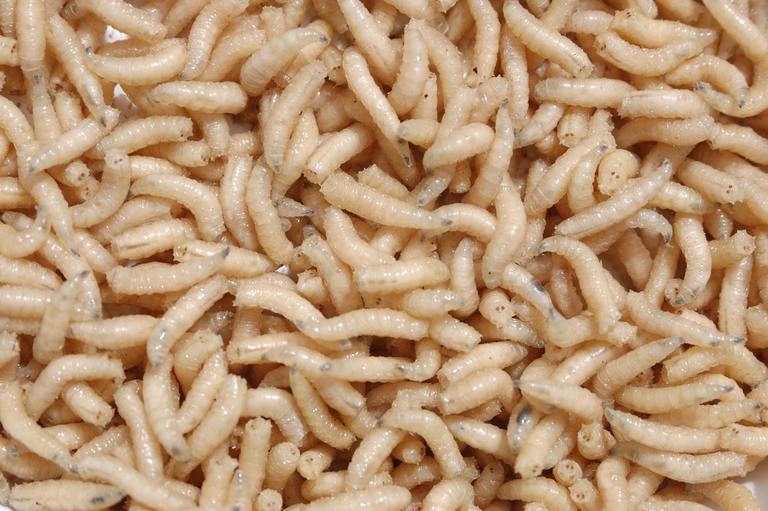
Maggots: What Are They and Why Are They in Your Home? In simple terms, maggots are the larval stage of flies. They are most commonly the offspring of houseflies or blowflies, though other fly species can also produce similar larvae. These soft-bodied, legless organisms are specially designed for feeding and rapid growth. Their tapered shape allows them to burrow into food sources, while their constant feeding enables them to develop quickly before transitioning into the pupal stage.
From a biological standpoint, maggots are highly efficient decomposers. They consume decaying organic matter as part of nature’s recycling system, breaking down waste and accelerating decomposition. Although unpleasant to encounter indoors, they play an essential ecological role outdoors. Research highlighted by health.wusf.usf.edu explains that maggots are especially drawn to the chemical compounds released by rotting food. These odors act as powerful signals that guide adult flies to ideal egg-laying sites.
Inside a home, however, this natural recycling behavior becomes a problem. Their presence signals that flies have found a reliable food source and a protected breeding site. Because flies reproduce rapidly, even a small amount of overlooked organic material can support hundreds of developing larvae. Recognizing maggots for what they are, a stage in the fly life cycle rather than an independent pest, helps homeowners focus on addressing the root cause rather than just the visible symptoms.
Understanding the Fly Life Cycle
To fully answer Maggots: What Are They and Why Are They in Your Home?, it helps to understand just how efficiently and quickly flies reproduce. The fly life cycle is built for speed, especially in warm indoor environments like kitchens, garages, laundry rooms, and trash storage areas. Under ideal conditions, the entire cycle from egg to adult fly can be completed in as little as 7 to 10 days.
Egg Stage
Female flies lay clusters of tiny, rice sized eggs directly on decomposing organic matter. A single female can deposit 75 to 150 eggs at a time, and she may lay multiple batches during her lifespan. These eggs are often placed in protected, moist areas such as garbage bags, food waste, compost piles, pet waste, drain sludge, or even hidden animal carcasses inside walls. Because the eggs are so small and pale, they are rarely noticed before they hatch.
Larval Stage
Within 8 to 24 hours, depending on temperature and humidity, eggs hatch into maggots. This is the primary feeding stage. Larvae immediately begin consuming the surrounding organic material, using specialized mouth hooks to break down soft tissue and waste. During this phase, they grow rapidly and molt several times. Their sole purpose at this stage is to eat and store enough energy to complete their transformation. Large numbers of maggots in one area indicate that a substantial food source is present.
Pupal Stage
After feeding for three to five days, maggots seek out a slightly drier and more protected location to pupate. They may crawl away from the original food source and gather along baseboards, under appliances, or in cracks and crevices. During the pupal stage, they form a hardened outer casing and undergo a complete metamorphosis. Although they appear inactive, dramatic internal changes are occurring as larval tissues reorganize into adult fly structures.
Adult Stage
Adult flies emerge from the pupal case fully formed and ready to reproduce within a short period of time. In warm indoor environments, they can begin laying eggs within a couple of days. A single female fly can lay hundreds of eggs in her lifetime, which explains how minor sanitation oversights can escalate quickly. Once adult flies are present inside the home, the reproductive cycle can continue uninterrupted unless the source is removed.
The speed and predictability of this development process is so consistent that forensic researchers use maggot growth stages to estimate time of death in criminal investigations. That same rapid and temperature dependent development explains why infestations can seem to appear overnight, even when the original problem began only a day or two earlier.
Why Are Maggots in Your Home?
When asking Maggots: What Are They and Why Are They in Your Home?, the answer typically falls into four primary categories. In nearly every situation, flies have located an accessible food source and a protected place to lay eggs. The key to solving the issue is identifying which environmental factor is supporting their reproduction.

1. Poor Sanitation
Flies are strongly attracted to the odors produced by decomposing organic matter. Even small amounts of waste can generate scent cues that draw flies indoors or encourage them to linger around entry points. Uncovered trash bins, food residue, grease buildup, and pet waste create ideal breeding environments because they provide both moisture and nutrition for developing larvae.
Common sanitation issues include:
- Overflowing garbage cans that are not emptied frequently
- Trash bags that are loosely tied or torn
- Food spills beneath appliances such as refrigerators or stoves
- Forgotten leftovers in pantries or storage containers
- Pet waste left in yards, litter boxes, or indoor pads
- Organic sludge buildup inside sink or floor drains
Flies do not need large quantities of waste to begin laying eggs. A small piece of meat, spilled juice, or damp food scrap can support dozens of larvae. Removing the food source is the most important step in eliminating maggots. Without access to organic material, larvae cannot survive, and the life cycle is interrupted.
Consistent sanitation habits are one of the most effective long term defenses against recurring infestations.
2. Improper Food Storage
Maggots: What Are They and Why Are They in Your Home? Improper food storage is another frequent cause. Adult flies are opportunistic and will lay eggs on exposed protein sources such as raw meat, fish, or poultry, as well as on fruits and vegetables that are beginning to soften. Even dry pantry goods can become vulnerable if packaging is damaged or left unsealed.
Flies are capable of detecting food odors quickly, especially in warm conditions. Kitchens, outdoor grilling areas, and garage refrigerators are common risk zones. If flies gain access to food before it is sealed or refrigerated, eggs may already be present before homeowners realize it.
Prevention tips include:
- Store food in airtight glass or plastic containers
- Refrigerate perishable items promptly after purchase or cooking
- Avoid leaving pet food bowls out for extended periods
- Clean countertops and food prep surfaces daily
- Sweep and mop floors to remove crumbs and sticky residue
- Secure trash lids tightly and use liners that fit properly
Even small crumbs or unnoticed spills can attract flies. Maintaining consistent food hygiene not only prevents maggots but also reduces overall fly activity inside the home. By limiting access to food sources, homeowners effectively break the fly life cycle before it progresses to the larval stage.
3. Dead Animals in Hidden Areas
Sometimes, maggots appear far from any obvious trash source. In these cases, the cause may be a deceased rodent, bird, or other small animal inside a wall void, attic, crawl space, or chimney. Flies can enter through small exterior openings, lay eggs on the carcass, and the resulting larvae may migrate outward as they develop.
Warning signs may include:
- A strong, persistent odor that intensifies over time
- Increased fly activity near one specific room or wall
- Maggots emerging along baseboards, vents, or ceiling fixtures
Because these situations involve hidden decomposition, professional inspection is often required to locate and safely remove the source. Simply treating visible maggots will not resolve the problem if the original attractant remains in place.
4. Moisture Problems
Excess moisture creates ideal breeding conditions for flies. Damp environments allow organic material to soften and decompose more quickly, producing stronger odors that attract egg laying adults. Areas with consistent humidity also support larval survival.

Common moisture contributors include:
- Leaky pipes beneath sinks or inside walls
- Clogged drains with organic buildup
- Condensation around HVAC systems
- Standing water in utility rooms or garages
- Poor ventilation in bathrooms or laundry areas
Flies are drawn to damp areas where organic material collects and breaks down. Addressing plumbing leaks, cleaning drains regularly, and improving airflow with proper ventilation reduces the likelihood of infestation. When moisture is controlled and sanitation is maintained, the conditions that support maggot development are significantly minimized.
How to Address a Maggot Infestation
If you discover maggots, immediate action is essential. The longer larvae are allowed to feed, the more likely they are to complete their development and emerge as adult flies, restarting the cycle inside your home. The key is not only eliminating the visible maggots but also removing the source that attracted the flies in the first place.
Thorough Cleaning
- Remove all decaying material from the affected area
- Dispose of contaminated trash in tightly sealed bags and remove it from the home immediately
- Scrub trash bins with hot water and a strong disinfectant, paying close attention to seams and lids
- Sanitize surrounding surfaces, including floors, walls, and nearby cabinets
- Inspect nearby drains, corners, and crevices for overlooked organic buildup
Eliminating the breeding site is critical to stopping the cycle. If even a small amount of decomposing material remains, adult flies may continue to lay eggs. Cleaning should extend beyond the obvious area and include any nearby spaces where liquids or food waste may have seeped.
Use Boiling Water
Pouring boiling water over visible maggots can kill them quickly and is especially effective inside trash bins or outdoor containers. The heat destroys larvae on contact and can help flush them from cracks or drain openings. Use caution to avoid burns, and avoid pouring boiling water onto surfaces that may be damaged by extreme heat.
Natural Remedies
Some homeowners apply salt, vinegar, or baking soda to dehydrate larvae and disrupt their environment. Salt draws moisture from the maggots, while vinegar can help break down organic residue and reduce odor. These methods may help with minor infestations, particularly when combined with thorough cleaning. However, they do not address hidden breeding sites such as wall voids, drain lines, or concealed animal remains.
Chemical Treatments
Insecticides labeled for fly larvae can be used for larger infestations or when maggots are present in hard to reach areas. Products designed for drain treatment may help break down organic buildup that attracts flies. Always follow manufacturer instructions carefully, use proper ventilation, and avoid over application. Chemical treatments should be viewed as a supplement to sanitation, not a replacement for removing the food source.

The Connection Between Flies and Broader Pest Issues
Maggots: What Are They and Why Are They in Your Home? The presence of maggots almost always confirms active adult fly activity nearby. Treating larvae without addressing the adult population may result in repeated infestations. Adult flies can enter through small gaps around doors, windows, vents, or damaged screens, especially if they detect food odors from inside the home.
Understanding fly behavior is essential for long term prevention. Many fly species are drawn to moisture, garbage storage areas, compost bins, and pet waste. Some species are especially persistent around outdoor spaces, which increases the likelihood of indoor migration. For example, certain flies are strongly attracted to organic odors and damp environments.
Addressing fly entry points, sealing cracks and gaps, repairing window screens, and maintaining clean exterior trash areas are critical steps in prevention. Reducing outdoor attractants such as uncovered garbage or standing water significantly lowers the chances of flies moving indoors and laying eggs. By managing both the larvae and the adult flies, homeowners can break the reproductive cycle and prevent recurring problems.
When to Call a Professional
While small infestations can sometimes be managed with cleaning and sanitation, persistent, spreading, or recurring issues often require expert evaluation. If maggots continue to appear after thorough cleaning, if strong odors remain, or if flies are constantly present indoors, there is likely a hidden breeding source that has not been identified. Situations involving wall voids, attic spaces, crawl spaces, or drain systems can be especially difficult for homeowners to inspect safely and effectively.
Professional pest control services provide a more comprehensive and strategic approach, including:
- Detailed interior and exterior inspections to locate both visible and hidden breeding sources
- Identification of contributing factors such as structural gaps, moisture problems, or sanitation vulnerabilities
- Safe and targeted treatments designed to eliminate larvae and reduce adult fly populations
- Recommendations for structural repairs or environmental corrections
- Long term prevention strategies tailored to the specific layout and conditions of the home
Professionals understand fly biology, development timelines, and behavior patterns, which allows them to break the reproductive cycle more efficiently. They also use products and equipment that may not be available to the general public, ensuring treatments are applied safely and effectively.
Reputable providers demonstrate industry leadership and ongoing training. For example, All U Need Pest Control was honored again on the 2025 PCT Top 100 list, reflecting a continued commitment to service excellence and professional standards.
Professional guidance ensures that infestations are fully resolved, that hidden attractants are eliminated, and that homeowners receive clear recommendations to prevent future problems.
Long Term Prevention Strategies
Preventing future infestations requires consistent habits, environmental management, and attention to small details that can easily be overlooked. Because flies reproduce quickly, even minor lapses in sanitation or maintenance can recreate ideal breeding conditions.
Key prevention steps include:
- Take trash out regularly, especially during warmer months when decomposition accelerates
- Wash trash bins weekly and allow them to dry completely before reuse
- Store food securely in sealed containers and refrigerate perishables promptly
- Repair plumbing leaks and address slow drains before organic buildup accumulates
- Improve ventilation in damp areas such as bathrooms, laundry rooms, and garages
- Inspect attics, crawl spaces, and wall penetrations for signs of animal intrusion or moisture problems
- Seal cracks around doors, windows, and utility lines to reduce fly entry points
In addition to indoor practices, outdoor maintenance plays a critical role. Keep garbage lids tightly closed, clean up pet waste promptly, and avoid allowing standing water to collect near the home’s foundation. Compost piles should be properly maintained and positioned away from entry points.
Regular home maintenance significantly reduces the conditions that attract flies and lead to maggot development. By combining sanitation, moisture control, and structural upkeep, homeowners can dramatically lower the risk of future infestations and maintain a healthier living environment.

Conclusion
Maggots: What Are They and Why Are They in Your Home? The answer typically lies in accessible organic material, sanitation issues, hidden animal remains, or excess moisture. In nearly every case, their appearance is not random but the result of conditions that allowed adult flies to locate food, lay eggs, and reproduce without interruption. Maggots themselves are simply a stage in the fly life cycle, but their presence is a clear warning sign that something within the home environment needs attention.
Ignoring the problem can allow the cycle to continue, leading to more adult flies and repeated infestations. Taking swift action by identifying the source, eliminating decaying material, correcting moisture issues, and improving sanitation practices is essential. Small adjustments, such as sealing trash properly, cleaning drains regularly, and repairing minor leaks, can make a significant difference in preventing future outbreaks.
By understanding how flies develop, removing breeding sources, and maintaining consistent sanitation habits, homeowners can stop infestations before they escalate. When problems persist, when odors remain unexplained, or when maggots repeatedly appear despite cleaning efforts, professional pest control services provide the expertise, tools, and inspection experience needed to locate hidden sources and eliminate the issue completely. With the right combination of awareness, prevention, and expert support when necessary, you can restore cleanliness, protect your living space, and maintain long term peace of mind.