
Introduction
When it comes to stinging insects, the comparison of wasp vs hornet often arises. Homeowners frequently use the terms interchangeably, especially when they see a large flying insect near the roofline or buzzing around outdoor gatherings. However, understanding the difference is important for safety, accurate identification, and proper control. While both belong to the Hymenoptera order and share similar characteristics such as wings, segmented bodies, and the ability to sting multiple times, they differ in size, behavior, nesting habits, colony structure, and overall risk level.
Misidentifying a stinging insect can lead to unnecessary panic or, worse, unsafe DIY removal attempts. A small paper wasp nest under an eave requires a different approach than a large hornet colony hidden inside a wall cavity. Knowing how to distinguish wasp vs hornet species allows homeowners to respond calmly and make informed decisions that protect their property and the people around them.
If you have noticed increased flying insect activity around your home, especially during warmer months, paying attention to physical traits and behavior patterns can make a major difference. This guide breaks down the key differences, explains potential risks, and outlines what steps to take if you discover a nest on your property.
Wasp vs Hornet: Key Differences Homeowners Should Know
Understanding the wasp vs hornet comparison helps you identify which insect you are dealing with and determine the appropriate response. While they may look similar at a glance, subtle visual and behavioral cues can help you narrow it down quickly.
Physical Appearance
Physical characteristics are often the easiest way to start distinguishing between the two.
Size
Hornets are generally larger than most wasps, and their size alone can make them appear more threatening. Many common wasp species measure between 1/2 inch and 1 inch long. Hornets often range from 1 inch to more than 2 inches in length. In addition to length, hornets tend to have thicker abdomens and broader heads, giving them a heavier overall appearance.
Coloration
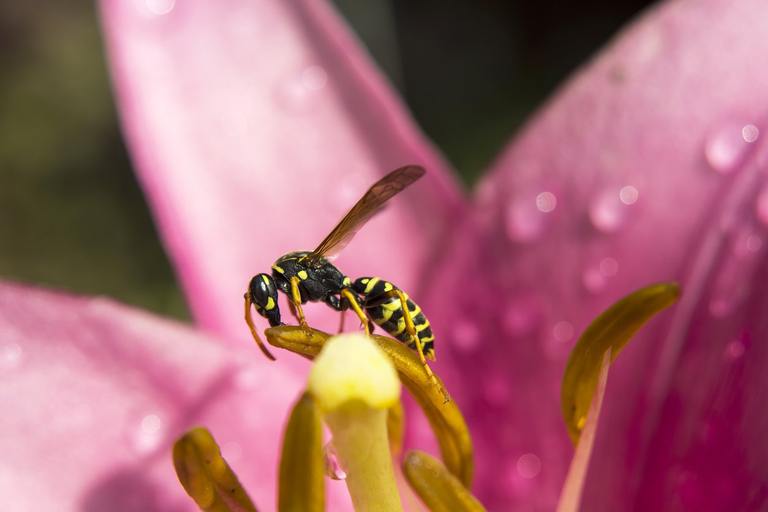
Wasps typically display bright yellow and black striping that serves as a warning signal to predators. Their contrast is usually sharp and easy to spot from a distance. Hornets tend to have darker coloration, often brown, reddish, or black with muted yellow markings. For example, the European hornet has brown and yellow tones, while the invasive yellow legged hornet is darker with distinct yellow legs. Because invasive species are a growing concern, reviewing official identification materials such as the Florida Department of Agriculture guide can help ensure accurate recognition.
Body Shape
Wasps usually have slender bodies with narrow waists and long legs that visibly dangle during flight. Their streamlined build allows for agile movement as they hunt insects or search for food. Hornets appear thicker and more robust, with a stockier build and shorter looking legs during flight. Their heads also tend to look larger in proportion to their bodies, which contributes to their more imposing presence.
By closely observing these three characteristics, size, coloration, and body shape, you can begin to form a clearer understanding in the wasp vs hornet comparison before taking any further action.
Behavioral Traits
Behavior is one of the most important distinctions in the wasp vs hornet comparison because it directly affects how likely you are to experience a sting.
Aggression Levels
In the wasp vs hornet debate, aggression is often misunderstood. Yellow jackets, a common type of wasp, are known for bold and sometimes aggressive behavior. They are especially attracted to food, sugary drinks, trash bins, and outdoor gatherings. If they feel their nest is threatened or compete for food sources, they may sting quickly and repeatedly.
Paper wasps are generally less aggressive but will defend their nest if it is disturbed. Sudden movements, vibrations, or attempts to remove a nest without protection can trigger defensive swarming behavior.
Hornets are typically defensive rather than openly aggressive. They do not usually seek out conflict, but they are highly protective of their colonies. If someone gets too close to a hornet nest, especially within several feet, the colony may respond as a group. Because hornets are larger, their stings are often perceived as more painful, which contributes to their intimidating reputation.
Feeding Habits
Wasps feed on sugary substances such as nectar, fruit juices, and sweet beverages. They are also active hunters, capturing small insects like caterpillars, flies, and spiders to feed developing larvae. This dual diet of sugars and protein explains why wasps are common around outdoor dining areas as well as gardens.
Hornets also consume nectar but tend to prey on larger insects, including bees and other wasps. Their stronger build allows them to subdue bigger prey. This predatory behavior makes hornets effective hunters in natural environments, but it can create concern if they establish nests near homes, gardens, or apiaries. Increased insect traffic around a property is often tied to nearby nesting activity.
Nesting Preferences
Nesting behavior is another critical factor in the wasp vs hornet comparison because nest location often determines how noticeable and how risky a colony becomes.
Location
Wasps often build nests in sheltered areas that provide protection from weather and predators. Common locations include roof eaves, porch ceilings, inside wall voids, dense shrubs, and underground cavities. Ground nesting species are sometimes mistaken for hornets, which can add confusion during identification.
Hornets prefer elevated and concealed spaces such as tree branches, tall shrubs, attic spaces, and wall cavities. Their nests are typically fully enclosed, offering additional protection to the colony. Some species, often referred to as ground hornets, establish nests in soil cavities or abandoned rodent burrows. These ground nests can be especially hazardous because they are difficult to detect before accidental disturbance.
Nest Size
Hornet nests are typically larger due to colony size and seasonal growth patterns. A colony may start small in early spring but expand rapidly through summer as workers increase in number. By late summer, both wasp and hornet nests can grow significantly, sometimes housing hundreds or even thousands of insects.
As nest size increases, so does defensive behavior. Larger colonies respond more aggressively to perceived threats, which increases the likelihood of multiple stings if disturbed. This is why early detection and proper identification are important in any wasp vs hornet situation.

What Are Wasps?
Wasps are a diverse group of insects that include thousands of species worldwide. Some are solitary, while others live in highly organized colonies. In residential areas, the most commonly encountered species are social wasps such as yellow jackets and paper wasps, though many solitary species also exist and rarely interact with people.
Unlike bees, wasps have smooth bodies with very little hair. This physical trait makes them less efficient pollinators but more agile predators. Their ability to both hunt insects and scavenge for sugary foods allows them to adapt easily to suburban and urban environments.
Identification
Wasps share several defining characteristics that make them easier to identify when observed carefully:
- Slender, smooth bodies with minimal hair
- A clearly defined narrow waist between the thorax and abdomen
- Bright yellow and black markings in many common species
- Long legs that often hang down during flight
- Typically 1/2 inch to 1 inch in length
Some species may vary in coloration, but the overall slim profile and visible waist are strong indicators. Observing flight patterns can also help. Wasps tend to move quickly and erratically, especially when searching for food.
Behavior and Colony Structure
Social wasps, such as yellow jackets and paper wasps, build colonies that can number in the hundreds or even thousands by late summer. These colonies operate with a structured hierarchy that includes a queen, workers, and reproductive members. According to research summarized by EBSCO, wasps and hornets exhibit complex social structures and communication systems within their colonies.
Worker wasps are responsible for foraging, nest construction, and defense. The queen focuses primarily on reproduction. As the season progresses, worker populations increase, which often leads to more visible activity around homes.
Wasps can become territorial when defending their nests. Vibrations from lawn equipment, accidental contact with a hidden nest, or even repeated foot traffic nearby can trigger defensive behavior. They are especially active during warmer months, when colony growth peaks. Summer is considered peak season for nest expansion and heightened activity.
Nesting Habits
Wasps construct paper like nests made from chewed wood fibers mixed with saliva. This material dries into a lightweight but durable structure that protects developing larvae.
Common nesting areas include:
- Roof eaves and overhangs
- Porch ceilings and railings
- Tree branches and shrubs
- Wall voids and attic spaces
- Underground cavities, particularly for yellow jackets
Some nests remain small and visible, while others expand behind siding or inside structural voids. Because nests are often hidden, homeowners may not realize a colony is present until activity increases or insects begin entering interior spaces.

What Are Hornets?
Hornets are technically a type of wasp belonging to the genus Vespa. However, their size, behavior, and nesting habits distinguish them clearly in the wasp vs hornet comparison. They are generally larger, more robust, and known for constructing fully enclosed nests that can grow to impressive sizes over the course of a single season. Their physical strength and coordinated colony behavior often make them appear more intimidating than other stinging insects.
Unlike many smaller wasps, hornets have a heavier build that supports their ability to hunt larger prey and defend their colonies aggressively when necessary. While they play an ecological role, their presence near homes, schools, or businesses increases the likelihood of defensive encounters.
Identification
Hornets can be identified by several key features:
- Larger, thicker bodies compared to most wasps
- Muted coloration with brown, red, black, or darker yellow tones
- Often over 1 inch long, with some species exceeding 2 inches
- A broader head and more powerful mandibles
In addition to size, hornets tend to have a more solid and compact appearance. Their wings are proportionally larger, and their flight pattern may appear steadier compared to the quick, darting movement of many wasps.
The yellow legged hornet and European hornet are two examples that have drawn attention in recent years due to ecological and agricultural concerns. The yellow legged hornet, in particular, has raised alarms because of its impact on honey bee populations. Accurate identification is especially important in areas monitoring invasive species, as early detection can reduce environmental and economic damage.
Behavior
Hornets are defensive and highly protective of their nests. While they are less likely to sting without provocation compared to certain wasp species, disturbing a hornet nest can trigger a coordinated and immediate defensive response. Unlike solitary insects, hornets operate as a unified colony. When one hornet detects a threat, it can release alarm pheromones that signal other workers to defend the nest.
This collective response is one reason the wasp vs hornet discussion matters for homeowners. A single visible hornet may indicate a much larger colony nearby. If the nest is accidentally bumped, vibrations are detected quickly and can result in multiple hornets emerging at once.
Hornets often hunt larger insects and may target honey bees, grasshoppers, beetles, and even other wasps. Their strength and size make them efficient predators capable of subduing prey mid flight. This predatory behavior is beneficial in natural ecosystems but becomes concerning when colonies establish themselves close to human activity or near managed bee colonies.
Nesting Habits
Hornet nests are typically large, enclosed, and often shaped like a football or oval structure. The exterior has a layered, paper like texture similar to wasp nests but is usually thicker and more fully sealed. This protective outer shell shields developing larvae and helps regulate internal temperature.
Hornet colonies usually begin in spring when a fertilized queen selects a nesting site and builds the first few cells. As worker hornets mature, they take over nest expansion duties. By mid to late summer, the nest may contain hundreds of individuals.
Common nesting locations include:
- High tree branches
- Dense shrubs or hedges
- Attics and upper wall cavities
- Hollow trees
- Underground spaces in some species
Because hornet nests are frequently elevated or concealed, they may go unnoticed until colony size becomes significant. Homeowners often discover them only after increased aerial activity or after accidentally disturbing the area. By the time activity is obvious, the colony may already be well established, increasing the risks associated with disturbance.
Is Wasp vs Hornet a Safety Concern?
Both insects are capable of delivering painful stings, and understanding the wasp vs hornet risks can help prevent dangerous encounters. While many stings result in temporary discomfort, the context of the sting, such as proximity to a nest or the number of insects involved, can greatly influence severity.
Health Risks
- Immediate pain, swelling, and redness at the sting site
- Multiple stings in defensive swarm situations
- Severe allergic reactions in sensitive individuals
- Risk of anaphylaxis in extreme cases
Unlike bees, wasps and hornets can sting multiple times because they do not lose their stingers. This increases the danger when nests are disturbed accidentally. In a defensive event, several insects may sting at once, compounding the amount of venom delivered.
For most people, symptoms remain localized and improve within hours to days. However, individuals with venom allergies may experience systemic reactions such as hives, difficulty breathing, dizziness, or swelling beyond the sting site. These reactions require immediate medical attention.
Children, pets, outdoor workers, and individuals with known sting allergies are especially vulnerable. Nests located near entryways, garages, decks, mailboxes, playgrounds, or high traffic walkways significantly increase risk. Even routine yard maintenance such as trimming shrubs or mowing grass can unintentionally disturb a hidden nest, triggering defensive behavior.
Understanding the safety implications in any wasp vs hornet situation helps homeowners take proactive steps before a minor issue escalates into a medical emergency.
Do Wasps and Hornets Serve a Purpose?
Despite the fear they cause, both insects play an important and measurable role in the ecosystem. Understanding their environmental value adds helpful context to the wasp vs hornet conversation and explains why these insects are so widespread.
Pollination
Wasps and hornets contribute to pollination, though not as efficiently as bees. As they move from flower to flower feeding on nectar, pollen grains attach to their bodies and are transferred between plants. While their smoother bodies do not carry as much pollen as bees, they still assist in fertilizing certain flowering plants.
Some plant species are even adapted specifically to attract wasps. In natural habitats, this pollination activity supports plant diversity, seed production, and overall ecosystem stability. Gardens, orchards, and wild landscapes all benefit in small but meaningful ways from their movement between blooms.
Natural Pest Control
These insects prey on other pests such as caterpillars, flies, beetles, and spiders. In natural environments, they help maintain ecological balance by controlling insect populations that could otherwise damage vegetation or crops.
Social wasps and hornets collect protein rich prey to feed developing larvae. This constant hunting pressure reduces the number of plant damaging insects in an area. In agricultural settings, this predatory behavior can be beneficial in limiting outbreaks of certain crop pests.
However, when colonies form close to homes, that ecological benefit must be weighed against safety concerns. The proximity to human activity increases the likelihood of defensive stinging incidents. What serves as natural pest control in wooded areas can become a liability when nests are attached to a home, located above doorways, or hidden in high traffic parts of the yard.
What Should You Do If You Find a Nest?
When evaluating a wasp vs hornet situation, safety should always come first. Even if the colony appears small, improper handling can escalate the risk quickly.
Avoid DIY Risks
Attempting to remove a nest without proper equipment can provoke aggressive defensive behavior. Many homeowners underestimate how quickly wasps and hornets respond to perceived threats. Vibrations from ladders, spraying from a close distance, or physically knocking down a nest can trigger a coordinated defensive response.
Store bought sprays may eliminate visible insects but often fail to address the entire colony, especially if the nest extends into wall voids or underground chambers. Incomplete treatment can lead to recurring activity and increased aggression from surviving members. For guidance on safe removal options, review our professional recommendations.
Signs You Need Professional Help
Certain situations increase the urgency of contacting a trained professional:
- Nest located high in a tree, roofline, or structural cavity
- Large number of insects entering and exiting one concentrated area
- Increased activity near doors, windows, or walkways
- History of allergic reactions in the household
- Underground nests in areas frequently used by children or pets
Trained technicians have the protective equipment, treatment products, and species specific knowledge needed to manage the situation effectively. Proper identification is critical in a wasp vs hornet scenario because nesting behavior and defensive patterns differ between species.
Learn more about professional pest control services at All “U” Need Pest Control.
Wasp vs Hornet: Why Proper Identification Matters
The difference between wasp vs hornet species affects how removal should be handled. Although they share similarities, their nesting styles, defensive behavior, and colony size can require very different treatment approaches. A strategy that works for an exposed paper wasp nest may be ineffective or even dangerous when applied to a concealed hornet colony.
Treatment strategies vary depending on:
- Nest location – Exposed aerial nests are handled differently than underground or wall void colonies. Ground nests often require specialized application methods to ensure the entire colony is addressed.
- Colony size – A small early season nest may contain only a developing queen and a few workers, while a late season colony can house hundreds of insects capable of coordinated defense.
- Species specific behavior – Some wasps are highly food aggressive, while certain hornets are intensely territorial around the nest perimeter. Understanding these tendencies reduces sting risk during treatment.
- Structural risks to the home – Nests built inside wall cavities, soffits, or attic insulation may require careful access to prevent property damage.
Misidentification can lead to incomplete control efforts, recurring infestations, or unnecessary exposure to stings. For example, assuming a ground nest is minor when it belongs to a highly defensive species can result in multiple stings if disturbed accidentally. Accurate identification ensures the right solution is applied the first time, minimizing risk and preventing future colony development in the same location.
Seasonal Patterns and Prevention Tips
Both wasps and hornets become more active during warm months, but their life cycle follows a predictable seasonal pattern. Understanding this cycle helps homeowners anticipate when activity is likely to increase.
In early spring, a fertilized queen emerges from overwintering and begins building a small starter nest. At this stage, colonies are relatively small and less noticeable. As temperatures rise, worker populations expand rapidly. By mid to late summer, colonies reach peak size, and visible activity around homes often intensifies. This is typically when most wasp vs hornet concerns arise, as larger colonies are more defensive and more visible.
As fall approaches, reproductive members are produced, and eventually the colony declines with cooler temperatures. However, by that point, nests may have already posed significant seasonal risk.
Prevention Steps
Preventative measures are most effective before colonies reach peak size. Homeowners can reduce the likelihood of nesting by focusing on structural maintenance and habitat management:
- Seal cracks and gaps around siding, rooflines, vents, and utility entry points
- Keep trash containers tightly sealed and clean to reduce food attraction
- Remove fallen fruit and sugary debris from yards and outdoor spaces
- Trim tree branches and shrubs away from structures to limit protected nesting areas
- Inspect eaves, attic spaces, sheds, and play structures regularly during spring and early summer
- Monitor underground burrows or soil openings in high traffic areas
Routine inspections and preventative maintenance reduce the chances of colonies establishing near your home. Early detection, combined with prompt and accurate identification, is one of the most effective ways to manage any wasp vs hornet situation safely.

Conclusion
In the wasp vs hornet comparison, the similarities can be confusing, but the differences matter. Hornets are typically larger and more robust, while wasps often display brighter coloration and more visible aggression around food sources. Both can pose health risks if their nests are disturbed, especially as colonies grow larger and more defensive during peak season.
Understanding appearance, behavior, nesting patterns, and ecological roles allows homeowners to respond appropriately and confidently. The more familiar you are with the warning signs of nest development, increased aerial activity, or territorial behavior, the easier it becomes to intervene early before a minor issue escalates. In many cases, early identification in a wasp vs hornet situation can mean the difference between a simple treatment and a high risk removal scenario.
If you notice persistent stinging insect activity, visible nest construction, or insects entering and exiting a single point on your home, it is wise to seek experienced assistance rather than risk direct contact. Attempting removal without proper knowledge and protective equipment can lead to multiple stings and unnecessary danger.
By recognizing the distinctions in wasp vs hornet species and taking proactive steps throughout the year, you can reduce nesting opportunities, improve safety around your property, and maintain greater peace of mind for your household. Awareness, prevention, and timely action remain the most effective tools for keeping stinging insect activity under control.