
Introduction
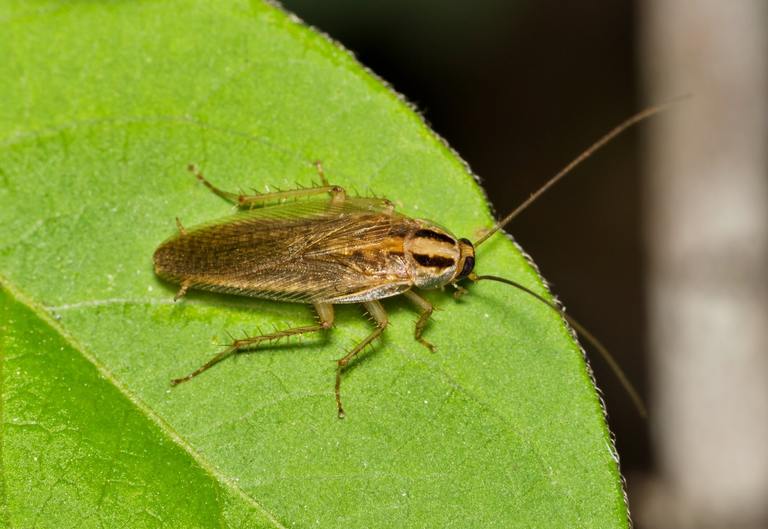
Cockroaches are one of the most common household pests found throughout Florida and across the United States. They are highly resilient, capable of surviving in harsh conditions, and known for reproducing quickly. Because of this, spotting even one cockroach inside your home can be alarming. One of the most common questions homeowners ask is: does killing a cockroach attract more?
You may have heard that crushing a cockroach releases pheromones that summon others, or that dead roaches somehow signal nearby colonies. In this article, we will break down the facts, explain real cockroach behavior, and share the most effective ways to eliminate roaches while sticking closely to proven pest management science.
Understanding Cockroach Behavior
To properly answer the question does killing a cockroach attract more, it helps to first understand how cockroaches behave and survive inside homes.
Cockroaches are nocturnal insects, meaning they are most active at night. During daylight hours, they stay hidden in dark, warm, and protected spaces where they are less likely to be disturbed. Common hiding spots include kitchens, bathrooms, laundry rooms, garages, wall voids, cabinets, under sinks, behind refrigerators, and inside electrical outlets. These areas provide consistent warmth and protection from light, which cockroaches instinctively avoid.
At night, cockroaches emerge to search for food and water. They are opportunistic feeders and will consume almost anything organic, including crumbs, grease residue, pet food, cardboard, and even soap or toothpaste. This adaptability is one of the reasons cockroaches are so difficult to eliminate once they establish themselves indoors.
Cockroaches are primarily drawn to three essential survival needs: food, moisture, and shelter. Homes naturally provide all three, especially when small food spills go unnoticed, plumbing leaks exist, or clutter creates undisturbed hiding areas. Even a clean-looking home can support cockroaches if moisture and shelter are available.
Cockroaches typically enter homes through cracks in foundations, gaps around doors and windows, plumbing penetrations, attic vents, and utility lines. They can also be brought inside accidentally by hitchhiking in grocery bags, cardboard boxes, used furniture, or appliances. Once inside, they establish harborage areas close to reliable food and water sources, often nesting deep within walls or cabinets where they are difficult to reach without professional treatment.
Does Killing a Cockroach Attract More?
Does Killing a Cockroach Attract More Roaches to Your Home?
The simple answer is no. Killing a cockroach does not attract more cockroaches.
This belief is a long-standing myth that has been passed around for years. Many people assume that crushing a cockroach releases pheromones that alert nearby roaches or signal others to gather. In reality, cockroaches do not communicate danger or food sources in the same way ants or termites do.
Entomology research journals show that cockroach aggregation is influenced by environmental conditions such as temperature, moisture, available food, and suitable hiding spaces. Dead cockroaches do not emit a chemical signal that attracts live ones. In other words, there is nothing about killing a cockroach that calls additional roaches into your home.
So if you kill a cockroach with a shoe, paper towel, vacuum, or trap, you are not inviting others inside. However, seeing one cockroach often means others are already present and hiding nearby, which is why the problem can appear to worsen even though killing a cockroach itself does not attract more.

Why It Feels Like More Roaches Appear After You Kill One
Even though killing a cockroach does not attract more, many homeowners feel like additional roaches suddenly show up afterward. This reaction is very common and usually has nothing to do with the dead roach itself. Instead, it is almost always tied to how cockroach infestations function and where they stay hidden.
Cockroaches are extremely good at remaining out of sight. A home can support dozens or even hundreds of roaches long before a homeowner ever sees one. When a roach is finally spotted and killed, it often creates the impression that the problem is getting worse, when in reality the infestation was already well established.
You Are Seeing an Existing Infestation
Seeing a single cockroach is rarely an isolated event. In most cases, it indicates that multiple roaches are already present nearby. Cockroaches avoid light whenever possible, so daytime sightings are especially concerning. When roaches are forced out during the day, it often means hiding spaces are overcrowded or competition for resources has increased.
This is why pest professionals often say that one visible cockroach can represent many more hidden behind walls, inside cabinets, or under appliances. Killing the visible roach does not create more roaches, it simply reveals the extent of an existing infestation.
Roaches Share Common Travel Paths
Cockroaches do not move randomly. They follow established travel routes along baseboards, wall edges, plumbing lines, and the backs of appliances. These paths provide protection and help them move quickly between food, water, and harborage areas.
When you kill a cockroach in one of these high-traffic zones, other roaches may still appear in the same area later because they were already using that pathway. This can make it seem like killing one caused more to show up, even though nothing about the dead roach changed their behavior.
Increased Nighttime Activity
Cockroaches are naturally most active at night. Many homeowners spot and kill a roach in the evening, then notice increased activity later on when the home becomes quiet and dark. This timing can feel connected, but it is simply part of normal cockroach behavior.
As lights go off and human activity slows, roaches emerge from hiding to forage. This is often when infestations become most noticeable, especially in kitchens and bathrooms.
The increase in sightings is a result of existing population levels and natural behavior patterns, not the act of killing a single roach.
The Best Ways to Eliminate Cockroaches
Killing individual cockroaches does not solve the root problem. While it may provide short-term relief, it does nothing to address the hidden nesting areas, egg cases, and conditions that allow cockroaches to thrive. Long-term cockroach control focuses on eliminating entire colonies and removing the food, water, and shelter that attract them in the first place.
Keep Your Home Clean
Cockroaches thrive in environments where food is easily accessible. Even tiny crumbs, grease splatter, or residue left behind on countertops can sustain roaches for days. Unsealed pantry items, pet food left out overnight, and trash that is not emptied regularly all contribute to ongoing infestations.
Consistent cleaning is one of the most important steps in cockroach prevention. Focus on wiping down counters and stovetops daily, sweeping and mopping floors regularly, and cleaning under appliances where food debris often accumulates unnoticed. Store all food, including pet food, in sealed containers and take trash out frequently. Kitchens should receive special attention since they are the primary feeding area for cockroaches.
Remove Sources of Moisture
Water is essential for cockroach survival, and many infestations persist because of hidden moisture problems. Leaky pipes under sinks, condensation from air conditioning systems, dripping faucets, and standing water around appliances create ideal conditions for roaches to survive and reproduce.
Fix plumbing leaks as soon as possible, dry sinks and tubs overnight, and wipe up excess water around sinks and appliances. Using exhaust fans in kitchens and bathrooms helps reduce humidity, while regularly checking areas like laundry rooms and water heaters can prevent moisture from going unnoticed.
Seal Entry Points
Cockroaches can squeeze through extremely small openings, often no wider than a credit card edge. Sealing entry points not only helps prevent new roaches from entering your home but also limits movement between rooms and wall voids.
Seal cracks along baseboards, gaps around plumbing and electrical lines, openings under doors, and window or door frame gaps using caulk or appropriate sealants. This step is especially important in older homes where small structural gaps are more common.
Use Baits and Traps
Baits are one of the most effective tools for cockroach control when used correctly. Modern gel and liquid baits are designed to be slow-acting, allowing roaches to return to their nesting areas before dying. This helps spread the bait throughout the colony, including to roaches that never leave their hiding places.
Research in pest management consistently shows that liquid and gel baits outperform sprays because sprays typically kill only the roaches you see, while baits spread through the colony via shared harborage and feeding behavior (. Baits, when placed properly, target the source of the infestation.
For best results, place baits near hiding areas such as under sinks, behind appliances, and inside cabinets. Avoid using insecticide sprays near bait placements, as sprays can repel roaches and reduce bait effectiveness. Patience is key, as colony elimination takes time.
Use Natural Repellents as Support
Natural repellents such as peppermint oil and neem oil may help deter cockroaches in certain areas of the home. These products can be useful as a supplemental measure, particularly in low-activity areas or as part of an ongoing prevention plan.
While natural repellents rarely eliminate infestations on their own, applying them around sinks, inside cabinets, and near entry points may help discourage roach activity when combined with proper sanitation and professional treatments.
Call Pest Control Professionals
Because cockroaches reproduce so quickly, infestations can escalate rapidly. One pregnant female cockroach can produce hundreds of offspring, making early intervention critical.
If roaches continue appearing despite thorough cleaning, moisture control, and baiting, professional pest control is the safest and most effective option. Professionals understand species-specific behavior, know where roaches hide, and use targeted treatments that eliminate nesting sites rather than just visible insects.

Why Killing Roaches Alone Is Not Enough
Relying solely on physical killing does very little to control a cockroach infestation long term. The roaches you see are only a small fraction of the population. Most cockroaches spend their lives hidden deep inside walls, cabinets, appliances, and voids that are difficult or impossible to reach with household methods.
Cockroaches also protect their egg cases, known as oothecae, in secure locations. These egg cases are highly resistant to sprays and physical crushing. Even if you kill every visible roach you encounter, new roaches can continue to hatch days or weeks later, making it feel like the problem never ends.
In addition, many cockroach populations have developed resistance to common over-the-counter insecticides. Products that once worked may now only repel roaches or kill a small percentage of the population, allowing the infestation to persist. This is one of the reasons infestations often worsen when treatments focus only on killing visible insects instead of targeting nesting areas.
Without addressing harborage areas, removing food sources, correcting moisture issues, and using colony-focused treatments, new roaches will continue to appear regardless of how many are physically killed.
Common Myths About Killing Cockroaches
There are several persistent myths surrounding cockroaches that continue to confuse homeowners and lead to ineffective control efforts. Understanding the truth behind these myths is essential for taking the right action.
- Does killing a cockroach attract more? No. Killing a cockroach does not release pheromones or signals that draw other roaches into your home.
- Do dead roaches release pheromones that call others? No. Cockroach aggregation is driven by environmental conditions like food, moisture, and shelter, not dead insects.
- Does flushing a cockroach down the drain solve the problem? No. Flushing removes one roach but does nothing to address hidden nesting areas or egg cases.
- Does seeing one roach mean it is alone? Rarely. A single roach sighting often indicates a larger hidden population nearby.
By moving past these myths and focusing on proven control methods, homeowners can take effective steps instead of reacting based on fear or misinformation.

Conclusion
Cockroach infestations can be frustrating and stressful, especially when they seem to appear out of nowhere. Understanding the facts makes a major difference. Killing a cockroach does not attract more, but spotting one is often a clear warning sign that a larger, hidden population may already be present inside the home.
Rather than focusing on killing individual roaches as they appear, effective control requires a broader approach. Cockroaches thrive when food, moisture, and shelter are readily available, which is why long-term solutions must address all three. Cleanliness, moisture control, sealing entry points, and strategic use of baits work together to disrupt the conditions that allow roaches to survive and reproduce.
It is also important to recognize when a problem is beyond do-it-yourself solutions. Because roaches hide deep within walls and protected spaces, professional treatment is often necessary to fully eliminate nesting sites and prevent reinfestation. Addressing the source of the infestation, rather than just the symptoms, is the only way to achieve lasting results.
If you are struggling with cockroaches or other pests, All U Need Pest Control is here to help. Our trained professionals understand cockroach behavior, use proven treatment methods, and focus on long-term prevention. If they’re not dead, we’re not done.