Booklice in Your Home: What These Tiny Bugs Reveal About Moisture

Published: August 19, 2026
Introduction
Finding pale specks moving across a windowsill, pantry shelf, cardboard box, or bathroom wall can be unsettling. They may be so small that you need a phone camera or magnifying glass to confirm they are insects at all. In many homes, these nearly microscopic visitors are psocids.
Despite the common name, these pests are not true lice. They do not live on people or pets, and they are not known for biting. Their presence usually points to something else that deserves attention: excess humidity, damp materials, or microscopic mold growth. That makes correct identification especially useful. Killing the insects you can see may provide temporary relief, but drying the affected area is usually what solves the underlying problem.
This guide explains what these pests look like, why they appear, how to find their source, what homeowners can do safely, and when a professional inspection is the sensible next step.
What Are Booklice?
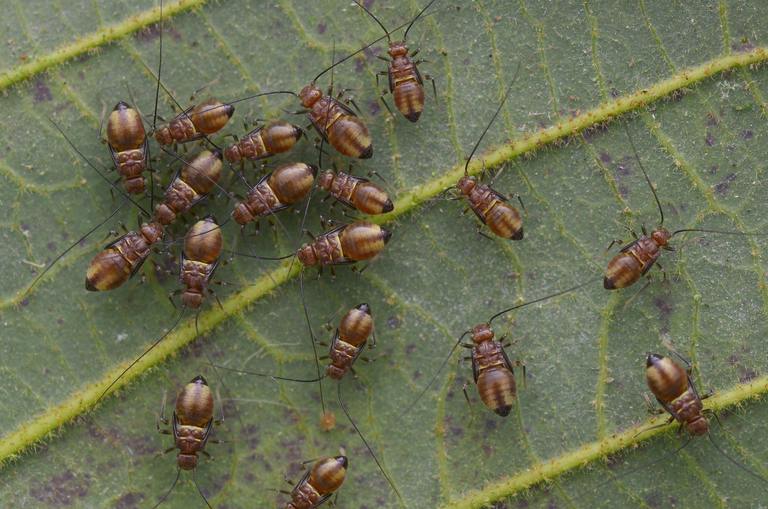
Booklice are tiny insects in a group commonly called psocids. Indoor species are generally soft-bodied, wingless, and only about 1 to 2 millimeters long. Their color may range from nearly clear to gray, tan, or light brown. Under magnification, they often have a relatively broad head and long, threadlike antennae.
Their common name is misleading in two ways. They are not parasitic lice, and books are not their only habitat. They are associated with paper because older books, cardboard, wallpaper paste, and stored documents can hold moisture and support the molds and fungi on which these insects feed. They may also consume other starchy materials or fungal growth on stored foods.
According to university entomologists, indoor psocids favor warm, damp, undisturbed places where mold and fungi can grow. A few individuals are normally a nuisance rather than a threat. A large or recurring population is more important because it suggests that suitable moisture and food have remained available.

Are they dangerous to people, pets, or the house?
For most homeowners, the short answer is no. These insects do not infest hair, feed on blood, or sting. They are not recognized as disease vectors. They also do not chew sound wood or cause the kind of direct paper and fabric damage associated with silverfish.
That does not mean an indoor population should be ignored. Their activity may reveal damp drywall, a plumbing leak, condensation, poor ventilation, wet cardboard, or moldy stored food. Those conditions can affect the home even when the insects themselves are harmless.
If you are unsure what you found, the company’s Florida pest control library can help you compare common household pests before you decide what action makes sense.
Why Are Booklice Showing Up in Your Home?
These pests need moisture. In humid regions, indoor air may stay damp enough for them to survive, especially in rooms with limited airflow. Seasonal rain, air-conditioning problems, roof leaks, pipe condensation, and recently installed building materials can all create pockets of elevated humidity.
Common locations include:
- Bathrooms, laundry rooms, and utility closets
- Kitchen cabinets and pantry shelves
- Window frames with condensation
- Cardboard boxes in garages, closets, or storage rooms
- Attics and crawl spaces with poor ventilation
- Damp books, papers, wallpaper, or framed art
- Areas around leaking or sweating pipes
- Potted plants and trays that stay wet
- Newly built or recently remodeled rooms where materials have not fully dried
In Florida and other warm, humid service areas, the environment can support moisture-related pests for much of the year. Homeowners can review regional pest pressures and residential prevention options when indoor activity keeps returning despite normal cleaning.
Does finding them mean your home is dirty?
No. A clean home can still have a humidity pocket, a slow leak, or a damp box. Psocids eat microscopic fungal growth and other organic material that may be invisible to the naked eye. The issue is often environmental rather than a reflection of housekeeping.
Cleaning still matters because it removes insects, shed material, contaminated food, and potential feeding sites. It simply works best when paired with moisture correction. If the damp condition remains, new activity can continue after the visible insects are vacuumed away.

How Can You Tell Psocids From Other Tiny Bugs?
Accurate identification prevents wasted effort. Several household pests appear as moving specks, but their biology and control needs are different.
Psocids vs. silverfish
Silverfish are much larger, with tapered bodies, silvery scales, and three tail-like filaments. They move quickly and can damage paper, fabrics, wallpaper, and stored items by feeding on starches and cellulose. Psocids are smaller, softer, and more likely to look like pale dots with antennae.
Both pests favor humid areas, so their presence can point to similar conditions. Homeowners who see a larger, fish-shaped insect should consult information about silverfish activity and professional control rather than assuming every insect near a book is the same pest.
Psocids vs. pantry pests
Psocids can occur in flour, cereal, grains, spices, powdered foods, and pet food when a product has absorbed moisture or developed fungal growth. However, pantry moths, weevils, and stored-product beetles leave different evidence, such as webbing, larvae, holes in packaging, or recognizable adult beetles and moths.
If insects are concentrated in food storage, inspect every package and compare the evidence with common signs of a pantry pest infestation. Correct identification matters because a pantry moth developing inside food requires a different response from moisture-loving psocids scattered on shelving.
Psocids vs. springtails
Springtails are also tiny and strongly associated with moisture. The easiest field clue is movement: many springtails jump when disturbed, while psocids normally run or crawl. Springtails often gather near sinks, tubs, drains, windows, damp soil, and exterior foundations after heavy rain.
Psocids vs. cockroach nymphs
Newly hatched cockroach nymphs can be small, but they are typically darker, more robust, and faster. Roach activity may also include droppings, egg cases, odor, or sightings near food, plumbing, and appliances. If the insect has the shape and behavior of a young roach, review cockroach identification and infestation signs promptly.
Could they be mites?
Some mites are similar in size and may also appear around food, mold, plants, or animal material. Their body structure differs, but that difference can be difficult to see without magnification.
When the insects are too small to identify confidently, capture several on clear tape or in a small sealed container. Avoid crushing the specimens. A pest professional can often make a more reliable identification from an intact sample and the location where it was found.
Do Booklice Mean You Have Mold?
Their presence often indicates conditions that support mold, but it does not prove that a serious mold problem exists. They may feed on a thin fungal film that is not visible, particularly on damp paper, wood, food dust, or wall surfaces. A small cluster near a humid windowsill is different from activity emerging across a wall with staining, bubbling paint, or a musty odor.
Look for the source without tearing into walls or disturbing suspected contamination. Useful clues include:
- Condensation on windows, pipes, toilet tanks, or air-conditioning vents
- Water stains on ceilings, baseboards, cabinets, or drywall
- Musty odors in closets, pantries, attics, or crawl spaces
- Soft, swollen, or discolored building materials
- Cardboard, paper, or textiles stored against concrete or exterior walls
- Recurring activity in one location after cleaning
The most effective control is usually reducing moisture or humidity, not simply treating the insects. If you find active leakage, damaged materials, or extensive visible growth, contact the appropriate plumbing, roofing, HVAC, or moisture-remediation professional.
Pest control can address the insect identification and activity, but it does not replace repair of the water source.

How Do You Get Rid of Psocids?
A source-first approach works best. The goal is to remove current insects, lower humidity, discard contaminated material when necessary, and monitor long enough to confirm that the conditions have changed.
1. Confirm where activity is concentrated
Do not assume the first visible group marks the only source. Use a flashlight to inspect shelf edges, cabinet seams, pipe penetrations, window tracks, cardboard, stored papers, plant saucers, and nearby food packages. Note whether the insects are appearing in a single damp object or across several rooms.
Sticky monitors can help reveal movement patterns, but they do not solve the cause. Label each monitor with the date and location so you can compare activity over time.
2. Lower the indoor humidity
Use bathroom and kitchen exhaust fans, improve air circulation, and operate a properly sized dehumidifier where needed. Make sure the clothes dryer vents outdoors and that air-conditioning equipment is draining correctly. Keep furniture and boxes far enough from walls for air to move.
Extension guidance notes that lowering relative humidity below roughly 50 percent prevents the mold growth and development these insects need. A basic hygrometer can help you measure conditions instead of guessing. Because readings vary by room and time of day, check the affected area repeatedly.
3. Repair water and condensation problems
Fix dripping supply lines, drain leaks, roof intrusion, and damaged seals. Insulate cold pipes that sweat, clear blocked HVAC drains, and address bathroom ventilation that leaves walls wet for long periods.
In a crawl space or attic, moisture may require a broader building assessment rather than a portable dehumidifier alone.
4. Remove insects and compromised materials
Vacuum visible insects and the cracks where they collect. Empty the vacuum into a sealed bag outdoors. Wipe hard surfaces with a cleaning product appropriate for that material, then dry them completely.
Discard moldy cardboard and papers that cannot be cleaned or dried. For valuable books, photographs, or records, consult a conservation professional before using heat, household chemicals, or freezing. Those methods can damage delicate materials.
5. Handle food findings carefully
If activity is inside a food package, seal and discard the product. Do not eat food that is visibly moldy or contaminated with insects. Inspect nearby flour, cereal, rice, pasta, baking mixes, spices, pet food, and birdseed. Clean and dry the shelf, then store unaffected goods in tight-fitting glass or durable plastic containers.
These insects do not automatically mean every package must be thrown away. Base disposal on direct evidence, damaged packaging, moisture, odor, or mold. A careful shelf-by-shelf inspection prevents needless waste while keeping contaminated products out of use.
6. Recheck the area
Improvement may not be immediate because hidden individuals can remain after the room begins to dry. Track humidity and sightings for the next several weeks. Falling monitor counts and no new clusters are good signs.
Continued activity suggests that moisture remains, the source was missed, or the pest was misidentified.
What Should You Avoid Doing?
Small pests often trigger an urge to spray every seam, but that can distract from the real cause. Avoid these common mistakes:
- Do not apply pesticides to food, dishes, books, toys, bedding, or other items unless the product label specifically permits that use.
- Do not combine pesticides or use more than the label directs.
- Do not spray suspected mold or water-damaged electrical areas.
- Do not seal wet materials inside plastic before they are properly dried or discarded.
- Do not assume a fogger will reach the moisture source inside a wall, cabinet, or void.
- Do not treat recurring activity as an insect-only problem when humidity remains high.
University extension guidance generally emphasizes drying and source correction because insecticides are often unnecessary when the environment is fixed. Any pesticide considered for use should be labeled for the target pest and application site. When in doubt, let a licensed professional determine whether treatment has a useful role.
When Should You Call a Pest Control Professional?
Professional help is worthwhile when the insects are widespread, keep returning, cannot be identified, or appear to be coming from a wall void, attic, crawl space, or other inaccessible area. It is also sensible when you are dealing with a food-storage concern, a recent leak, or multiple tiny pest types at once.
A good inspection should answer four questions:
- What insect is present?
- Where is the activity concentrated?
- Which moisture, food, or storage conditions support it?
- Does the situation require pest treatment, environmental correction, or both?
All U Need Pest Control builds customized pest control programs around the pest and property conditions rather than relying on a one-step spray. For psocids, that may mean confirming the identification, tracing activity, identifying conducive conditions, and explaining which corrections are most likely to stop recurrence.
Pest technicians do not replace plumbers, roofers, HVAC contractors, or mold specialists. Their value is connecting insect evidence to the locations and conditions that support it, then applying an appropriately targeted pest-control measure if one is actually needed.
Frequently Asked Questions
Can booklice live in a clean, air-conditioned home?
Yes. A localized leak, damp carton, sweaty pipe, plant tray, or poorly ventilated closet may provide enough moisture even when the rest of the home is clean and comfortable. Check the exact area where sightings occur rather than relying only on the thermostat setting.
Will they go away when the weather changes?
Outdoor humidity may affect indoor conditions, but waiting is unreliable. Air-conditioned homes can still have persistent damp zones, and hidden leaks do not resolve with a seasonal change. Measure humidity and correct the source.
Do they eat books?
They are usually attracted to microscopic mold and starchy materials associated with damp books, paper, and bindings. Unlike silverfish, they are not generally considered direct destroyers of dry, sound paper. Their presence around a collection is still a warning that storage conditions need attention.
Can you vacuum them up?
Yes. Vacuuming is a useful way to remove visible insects and monitor whether the population is declining. It will not prevent recurrence if damp conditions and fungal growth remain.
Are they a sign that pest control failed?
Not necessarily. Moisture-loving insects can emerge when a leak, condensation problem, or damp stored item creates a new habitat. Effective management depends on identifying that change and correcting it, sometimes with targeted professional support.

The Most Important Takeaway
Booklice are tiny, harmless insects that often act as a moisture alarm. Their appearance does not mean a home is dirty, and it does not call for indiscriminate spraying. It calls for careful identification, a search for damp materials or high humidity, safe removal of contaminated items, and follow-up monitoring.
When activity is limited, drying and cleaning the area may be enough. When it is widespread or persistent, a professional inspection can separate a simple humidity issue from a hidden leak, a stored-food problem, or a different pest entirely. That measured response protects the home while addressing the condition that allowed the insects to thrive.