Florida Huntsman Spider: How to Identify One and Keep It Out of Your Home

Published: August 18, 2026
Introduction
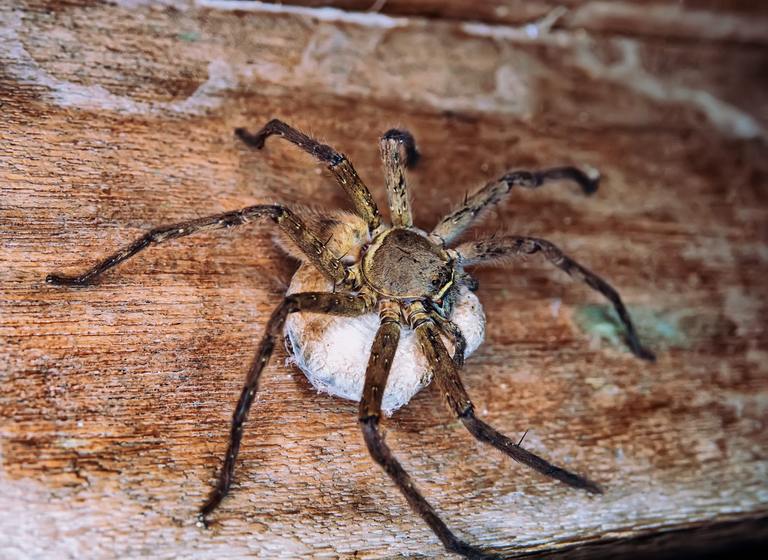
A large, flat spider racing across a wall can make even a calm homeowner take a quick step back. In Florida, that startling visitor may be a huntsman spider, an active hunter known for its wide leg span, crablike posture, and sudden bursts of speed.
The good news is that a Florida huntsman spider is usually more alarming than dangerous. It does not build a prey-catching web, chase people, or look for opportunities to bite. It would rather retreat into a narrow gap than confront you. Still, a huntsman inside the house deserves attention because it may reveal an open entry point or an insect population that is providing food.
This guide explains how to recognize a huntsman, where it hides, why it enters Florida homes, and what to do when one appears. Homeowners who want a broader overview can also review our guide to what a huntsman spider is and how it behaves.
What Is a Florida Huntsman Spider?
The species most often discussed in Florida is the pantropical huntsman, Heteropoda venatoria. It belongs to the family Sparassidae and is sometimes called a giant crab spider because its legs extend outward in a laterigrade, or sideways-oriented, position.
According to a detailed pantropical huntsman spider profile from University of Florida entomologists, this species occurs in tropical and subtropical regions and is established in Florida. It is often associated with buildings, groves, sheds, barns, and other protected places where prey and shelter are available.
Huntsman spiders are active predators. Rather than waiting in a sticky web, they roam at night and use speed to capture insects. Cockroaches, moths, flies, and other arthropods may become prey. That hunting role is useful outdoors, but a large spider moving through a bedroom, garage, or kitchen is understandably unwelcome.
Quick facts for homeowners
- A huntsman is an arachnid with eight legs and two main body sections.
- Its body is relatively flat, allowing it to enter slim cracks and hide behind objects.
- Its legs point outward in a crablike stance.
- It hunts moving prey instead of spinning a web to catch food.
- It is most active after dark and typically hides during daylight.
- It normally tries to escape when disturbed.

What Does a Florida Huntsman Spider Look Like?
A Florida huntsman spider usually has a brown, gray-brown, or tan appearance that blends into bark, wood, walls, and outdoor debris. The body may be only about an inch long, but the extended legs make the spider look much larger. Mature individuals can have an impressive leg span of several inches.
The easiest traits to notice are shape and posture. The body looks flattened rather than tall or bulky. The legs spread broadly to the sides, giving the spider a stance that resembles a crab. Adults may show dark markings, leg bands, or a pale area on the carapace, but color alone is not reliable enough for a confident identification.
Look for this combination:
- A broad, flat profile that stays close to the surface.
- Long legs angled sideways instead of primarily forward and backward.
- Brown or gray camouflage rather than a glossy black body or bright red marking.
- Fast running across walls, ceilings, tree trunks, or floors.
- No prey-catching web surrounding the spider.
A photo taken from a safe distance can help a pest professional evaluate the spider. Do not corner it, pick it up, or put your hand into a hiding place just to get a better picture.
Is a Florida Huntsman Spider Dangerous?
For most people, a Florida huntsman spider is not considered a medically significant threat. Huntsman spiders have venom for subduing prey, as nearly all spiders do, but they are not in the same risk category as Florida's established widow spiders. University of Florida guidance on common Florida spiders and their medical significance notes that widow spiders are the established Florida spiders of primary medical concern.
Huntsman spiders are not aggressive toward people. A bite is most likely when a spider is pressed against skin, trapped in clothing, or handled. The safest approach is simple: give the spider room to escape and avoid direct contact.
What should you do if you may have been bitten?
Spider bites are difficult to identify from skin symptoms alone. Many irritated spots blamed on spiders have another cause, so do not assume the species based only on redness or swelling.
If a bite is suspected, move away from the spider, wash the area gently with soap and water, and use a cool compress for comfort. Our homeowner guide to huntsman spider bite symptoms and safety provides more detail.
Seek prompt medical guidance for severe or worsening pain, spreading swelling, vomiting, muscle symptoms, signs of infection, or any reaction involving trouble breathing. The national Poison Control service explains when an insect or spider bite needs expert help and offers free guidance by phone or online. Call 911 for difficulty breathing, collapse, or another life-threatening reaction.
How Can You Tell a Huntsman From Other Large Florida Spiders?
Florida has hundreds of spider species, and a quick glimpse is not always enough for identification. Size is especially misleading. Several harmless or low-risk spiders appear large when their legs are extended.
Huntsman spider vs. wolf spider
Both are active hunters, and neither depends on a capture web. A huntsman usually looks flatter and wider, with legs extending sideways. A wolf spider generally has a sturdier, hairier body and spends more time at ground level. Wolf spiders also have a distinctive eye arrangement that may reflect brightly in a flashlight beam.
If the spider is robust, running across the floor, or carrying spiderlings on its back, compare it with our Florida wolf spider identification guide.
Huntsman spider vs. brown recluse
Huntsman spiders are much larger as adults and have a wide, flattened posture. A brown recluse is smaller, has six eyes arranged in three pairs, and may have a dark violin-like marking, although markings alone should never be treated as proof.
Misidentification is common. University of Florida experts specifically note that huntsman spiders are sometimes mistaken for brown recluses, even though their size and color pattern differ. Florida homeowners should avoid declaring every brown spider a recluse. Review the traits of a brown recluse spider or ask for professional identification when the distinction matters.
Huntsman spider vs. tarantula
Tarantulas have heavier bodies and much denser hair. Huntsman spiders look flatter, leaner, and more spread out. They are also well adapted to slipping behind trim, furniture, shutters, and wall hangings.

Why Do Huntsman Spiders Enter Florida Homes?
A huntsman does not enter because a home is dirty. It usually gets inside because an opening is available and the structure offers shelter, prey, or a more stable environment.
Common routes and triggers include:
- Gaps beneath exterior doors or garage doors
- Torn screens and poorly sealed window frames
- Openings around pipes, cables, vents, and utility penetrations
- Loose soffits, siding gaps, and roofline openings
- Boxes, outdoor furniture, plants, or stored items carried indoors
- Heavy rain, extreme heat, or other abrupt weather changes
- Outdoor lights that draw moths and other prey close to doors
- Cockroach or flying-insect activity inside the structure
Its flat body lets it disappear into a crack that seems too narrow for such a large animal. Once indoors, it may rest behind a picture frame, beneath a cabinet, inside a garage, above a doorway, or in a quiet storage area.
One sighting does not automatically mean there is an infestation. Huntsman spiders are roaming hunters, and a single spider may simply have wandered in. Repeated sightings, however, suggest that entry points, prey, or suitable hiding places remain available.
Where Should You Look After a Sighting?
Do not dismantle a room or reach blindly into crevices. Start with a calm visual inspection of places that offer darkness, cover, and nearby insect activity.
Check these areas from a safe distance:
- Behind curtains, wall art, mirrors, and large furniture
- Around door frames, window frames, and sliding glass doors
- Along garage walls and behind stored items
- Near exterior lights, lanai screens, and patio doors
- Beneath eaves, shutters, siding edges, and roof overhangs
- Inside sheds, pool equipment areas, and utility rooms
- Around cardboard boxes or items recently brought in from outside
Because huntsman spiders do not leave a large capture web, an absence of webs does not rule them out. A sighting itself, shed skin, or repeated activity near the same gap may be the most useful clue.
What Should You Do When a Huntsman Spider Is Inside?
First, keep children and pets away from the room. Close interior doors if that can contain the spider without approaching it. Put on closed-toe shoes, stay several feet back, and avoid swatting. A frightened huntsman can run quickly and may vanish into a less accessible area.
If you are comfortable with non-contact removal, a large container and a rigid piece of cardboard can sometimes be used to cover and release the spider outdoors. This should only be attempted when the spider is in an open, reachable location and your hands can remain well away from it. Never try to grab it.
Vacuum removal is another option for an isolated spider, but empty the vacuum outdoors promptly according to the appliance manufacturer's directions. Do not use improvised chemical mixtures or apply pesticides in a way that conflicts with the product label.
Contact a pest professional when:
- The spider cannot be identified with reasonable confidence.
- It retreats into a wall void, cabinet, or crowded storage area.
- Large spiders are appearing repeatedly or in multiple rooms.
- A household member has a serious spider phobia or medical vulnerability.
- Other insects are common indoors.
- You suspect a widow or another medically important spider.
Our spider pest control services focus on identification, hiding areas, entry routes, and the insect activity that supports spiders.

How Do You Prevent a Florida Huntsman Spider From Coming Inside?
The strongest prevention plan combines exclusion with prey reduction. Spraying one visible spider does not correct a worn door sweep, an unscreened vent, or the cockroaches and moths that draw hunters toward the home.
1. Close the entry routes
Inspect exterior doors at night with indoor lights on. Visible light beneath a closed door often reveals a gap that needs a properly fitted sweep. Repair torn screens, replace failed weather stripping, and seal appropriate openings around utility lines and window frames. Ask a qualified contractor to address roof, soffit, or structural defects.
2. Reduce insect prey
Keep food sealed, clean crumbs and spills, manage trash, and correct leaks that support insects. Consider switching unnecessary exterior lights off or using fixtures and bulbs designed to be less attractive to nighttime insects. If cockroaches, flies, or moths are active, address those pests rather than treating the spider as an isolated problem.
3. Remove outdoor shelter near the structure
Move firewood, stacked pots, cardboard, and debris away from exterior walls. Trim vegetation so branches and dense foliage do not touch the house. Keep garages, sheds, and lanais orderly enough that inspections are possible.
4. Check items before bringing them indoors
Inspect patio cushions, potted plants, boxes, decorations, and stored equipment before moving them into living areas. Wear gloves when handling outdoor storage, and shake out shoes or work gloves that have been left in a garage or shed.
5. Watch patterns, not just individual spiders
Record where and when sightings occur. A pattern near one garage corner, patio door, or exterior light can point to the true source. Professional customized home pest control can help identify those patterns and reduce both spiders and their prey.
These steps are especially useful in Florida, where warm weather keeps insect populations active for much of the year. Homeowners can learn more about the state's year-round pest pressures through our Florida pest control resources.
Does One Huntsman Spider Mean You Have an Infestation?
Usually, no. One Florida huntsman spider may be a lone wanderer that entered through an open garage or hitched a ride on an outdoor item. Huntsman spiders are solitary predators, so a single sighting does not carry the same meaning as seeing numerous cockroach nymphs or a trail of ants.
The concern rises when sightings repeat. Multiple huntsman spiders, activity in several rooms, frequent insect prey, or recurring appearances near the same opening suggest that the property is consistently supporting spider activity.
A professional inspection can separate an occasional invader from a broader pest problem. The goal is not simply to remove the spider in view. It is to understand how it entered, what it is eating, where it can hide, and which changes will make the home less inviting.
A Calm, Practical Response Works Best
The size and speed of this spider can make an encounter feel urgent, but panic often makes removal harder. Give it space, keep people and pets out of the area, and avoid handling it. Then look beyond the immediate sighting to the conditions that allowed it indoors.
Huntsman spiders are capable outdoor predators and are not looking for conflict with people. Inside a home, however, they can signal gaps, sheltered hiding places, or insect prey that deserve attention. Careful identification, sensible exclusion, and source-focused pest control provide a safer and more lasting answer than chasing one fast-moving spider from room to room.