
Introduction
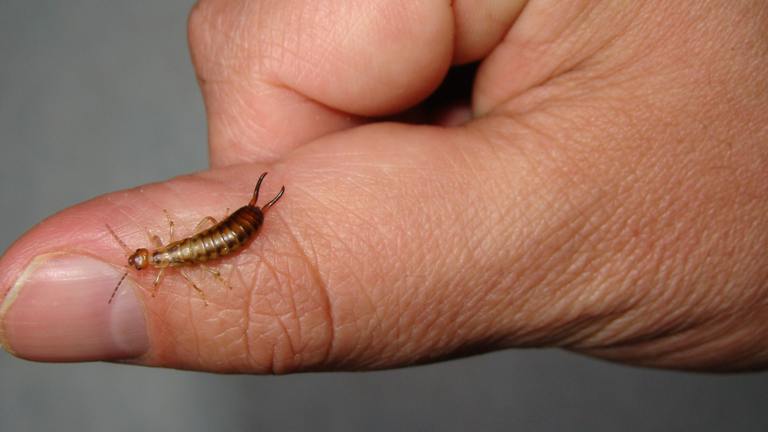
Finding a pincher bug in the bathroom, laundry room, kitchen, garage, or near a sliding glass door is enough to make most homeowners pause. The insect looks intimidating, it moves quickly, and the curved pincers on the back end make it seem more dangerous than it usually is.
Earwigs are common outdoor insects that often become a household nuisance when moisture, landscaping, weather, or small entry points pull them close to the structure. They do not chew through wood like termites, they do not infest food like pantry pests, and they are not looking to attack people. Still, repeated sightings inside your home usually mean something around the property is inviting them in.
The good news is that earwig problems are usually very fixable once you understand where they are coming from. Homeowners can often reduce activity by correcting moisture, cleaning up outdoor hiding places, sealing ground-level gaps, and pairing prevention with a professional inspection when the issue keeps returning.

Why Earwigs Come Inside
Earwig activity usually starts outdoors. These insects prefer cool, damp, protected areas where they can hide during the day and feed at night. They are commonly found under mulch, leaf litter, flowerpots, patio stones, stacked wood, damp cardboard, and dense groundcover.
When conditions outside change, they may move toward the house. Heavy rain can flood their hiding areas. Drought can push them toward irrigation, condensation, or interior humidity. Warm weather can increase activity around foundation edges, patios, and door thresholds. According to university extension guidance, earwig issues are often tied to dark, confined, damp areas, which explains why homeowners frequently spot them near bathrooms, laundry rooms, kitchens, crawl spaces, garages, and slab edges.
Most earwigs enter through small openings rather than establishing a major indoor colony. Common access points include:
- Gaps under exterior doors
- Cracks around foundations or slab edges
- Openings around utility penetrations
- Torn door sweeps or worn weatherstripping
- Gaps around garage doors
- Weep holes, vents, and poorly sealed window frames
- Spaces where siding meets the foundation
If you see one or two after a storm, it may be a temporary intrusion. If you see them every week, especially in the same rooms, the issue is usually connected to moisture, harborage, or an entry route that needs attention.
Are Earwigs Dangerous to People or Homes?
Earwigs look worse than they usually are. The pincers, also called forceps, are used for defense, mating behavior, and handling food. They may pinch if handled or trapped against skin, but they are not venomous and are not considered a serious biting pest.
They also do not damage structural wood. That makes them very different from termites and carpenter ants. If you are finding insects near damaged wood, mud tubes, discarded wings, or sawdust-like debris, it is worth comparing those signs with professional termite treatment warning signs rather than assuming the problem is only pincher bugs.
The bigger concern is nuisance pressure. When the conditions around a home support large outdoor populations, these insects can wander inside in enough numbers to become frustrating. They may show up in towels, storage boxes, pet bowls, laundry areas, garages, patios, and baseboards. They can also damage some soft garden plants and flowers outdoors, although they may also feed on decaying material and small insects.
Do they crawl into ears?
The old story that they crawl into ears and bore into the brain is a myth. They may accidentally wander into odd places the same way many small insects do, but they are not targeting people. Extension resources note that this superstition is not accurate, while also explaining that spring and summer populations build outside when conditions are favorable.
Where Do Earwigs Hide Around a Home?
The best way to understand an indoor sighting is to inspect outdoors first. These insects usually move from exterior hiding places into nearby rooms. If you find them in a bathroom along an exterior wall, look outside that wall for mulch, irrigation overspray, thick vegetation, drainage issues, or gaps under siding. If you find them in the garage, inspect the garage door seal, stored cardboard, damp corners, and nearby landscape beds.
Common outdoor hiding places
Pincher bugs like areas that stay shaded and moist. Around homes, we often check:
- Mulch piled directly against the foundation
- Wet leaf litter under shrubs
- Groundcover pressed against siding
- Flowerpots and saucers that hold water
- Firewood stacked against the home
- Damp doormats and outdoor rugs
- Irrigation zones that wet the foundation
- AC condensate areas
- Poorly draining downspout locations
- Patio furniture cushions stored outside
This is where a broad, inspection-based approach matters. All U Need Pest Control’s customized pest control program considers landscaping, moisture, pest activity, entry points, and seasonal conditions rather than treating every home the same way.
Common indoor hiding places
Inside, these insects usually gather where humidity and darkness meet. Look around:
- Bathroom baseboards
- Laundry room corners
- Under sinks
- Garage storage areas
- Utility rooms
- Sliding glass doors
- Crawl space access points
- First-floor rooms near heavy landscaping
- Damp towels, rags, or floor mats
- Cardboard boxes stored on concrete floors
Indoor sightings do not always mean they are breeding inside. More often, the home is providing temporary shelter while the real source remains outside.

Why Moisture and Mulch Matter So Much
If there is one pattern homeowners should remember, it is this: moisture plus shelter creates pest pressure. Mulch is helpful for landscaping, but when it is too thick or pushed tight against the house, it can hold moisture against the foundation. Leaf litter, weeds, and dense shrubs add more shade and hiding space.
That same moisture pattern can attract other pests too. Roaches, ants, spiders, silverfish, and rodents all respond to shelter, water, food, and access in different ways. That is why earwig activity can sometimes be a clue that the home’s perimeter needs a closer look, not just a one-pest fix.
For example, damp exterior conditions may also support roach activity, especially in warm, humid regions. If you are seeing both pincher bugs and large roaches near garages, drains, or exterior doors, it may be time to review cockroach control support along with perimeter prevention. If moisture-loving insects are appearing in bathrooms, attics, or storage areas, All U Need Pest Control’s silverfish control guidance can also help homeowners understand how humidity shapes indoor pest activity.
How to Reduce Earwigs Around Your Home
The most effective prevention starts outside. Killing the insects you see indoors may offer short-term relief, but it does not address why they are reaching the house in the first place.
Start with moisture control
Walk the outside of your home after rain or irrigation and look for areas that stay wet. Pay close attention to the foundation, patio edges, garage, AC equipment, hose bibs, and downspouts.
Helpful steps include:
- Repair leaking hose bibs, pipes, and outdoor faucets.
- Redirect downspouts away from the foundation.
- Avoid sprinkler overspray against doors, siding, and slab edges.
- Improve drainage in low spots near the home.
- Let the top layer of soil dry between irrigation cycles when possible.
- Remove standing water from plant saucers and outdoor containers.
- Ventilate damp garages, crawl spaces, or utility rooms when practical.
Moisture correction is not just about comfort. It can reduce the conditions that support many household pests.
Clean up outdoor harborage
Next, remove the places where earwigs can hide during the day. You do not need a bare yard, but you do want a cleaner, drier perimeter.
Focus on these areas:
- Pull mulch back from the foundation.
- Thin dense shrubs touching the house.
- Remove leaf litter under foundation plants.
- Store firewood away from exterior walls.
- Lift damp outdoor rugs and mats so they can dry.
- Keep cardboard, lumber, and stored items off patio edges.
- Clean under flowerpots and planters.
- Reduce clutter in garages and outdoor storage areas.
This kind of habitat reduction also helps with ants, spiders, and other occasional invaders as well. If you are noticing trails, mounds, or insects gathering around food and water sources, All U Need Pest Control’s ant control services explain how different ant species require different treatment strategies.
Seal low entry points
Once the outdoor pressure is reduced, close the access routes. Small gaps near the ground are the most important.
Check:
- Door sweeps
- Garage door seals
- Sliding door tracks
- Window frames near patios
- Gaps around pipes and cables
- Cracks at slab edges
- Utility penetrations
- Torn screens
- Open crawl space vents
- Weatherstripping around exterior doors
A good seal helps keep out more than one pest. Spiders often follow insect activity, and reducing access plus reducing prey can support a broader spider control approach.
What Should Homeowners Avoid Doing?
When people see pincher bugs inside, the first instinct is often to spray baseboards repeatedly. That may kill visible insects, but it rarely solves the reason they are entering. Overusing store-bought products can also create safety concerns when sprays are applied around pets, children, food-prep surfaces, drains, or poorly ventilated areas.
Avoid these common mistakes:
- Do not ignore exterior moisture. Indoor treatments alone will not fix a wet foundation edge.
- Do not pile fresh mulch against siding. Leave breathing room near the structure.
- Do not store damp cardboard in garages. Cardboard holds moisture and provides shelter.
- Do not assume every pincher bug means an indoor infestation. Check outside first.
- Do not mix pesticides or apply products against label directions.
- Do not overlook other pest signs. Droppings, gnaw marks, wings, mud tubes, or unusual odors may point to a different issue.
If you are unsure what you are seeing, All U Need Pest Control’s Florida pest control library can help compare common household pests by appearance, behavior, and warning signs.
When Do Earwigs Need Professional Pest Control?
One or two insects after a storm may not require a major response. Repeated sightings are different. If you are vacuuming them up every few days, finding them in multiple rooms, or seeing them around doors every night, the property likely needs a more complete inspection.
Professional pest control is especially helpful when:
- You keep seeing them after reducing moisture and clutter.
- They appear in bathrooms, laundry rooms, and garages at the same time.
- Outdoor populations are heavy around mulch, patios, or garden beds.
- You are also seeing roaches, ants, spiders, or other moisture-loving pests.
- Entry points are hard to locate.
- You live in a high-humidity area with frequent rain or irrigation.
- You want a prevention plan that adjusts with seasonal pest activity.
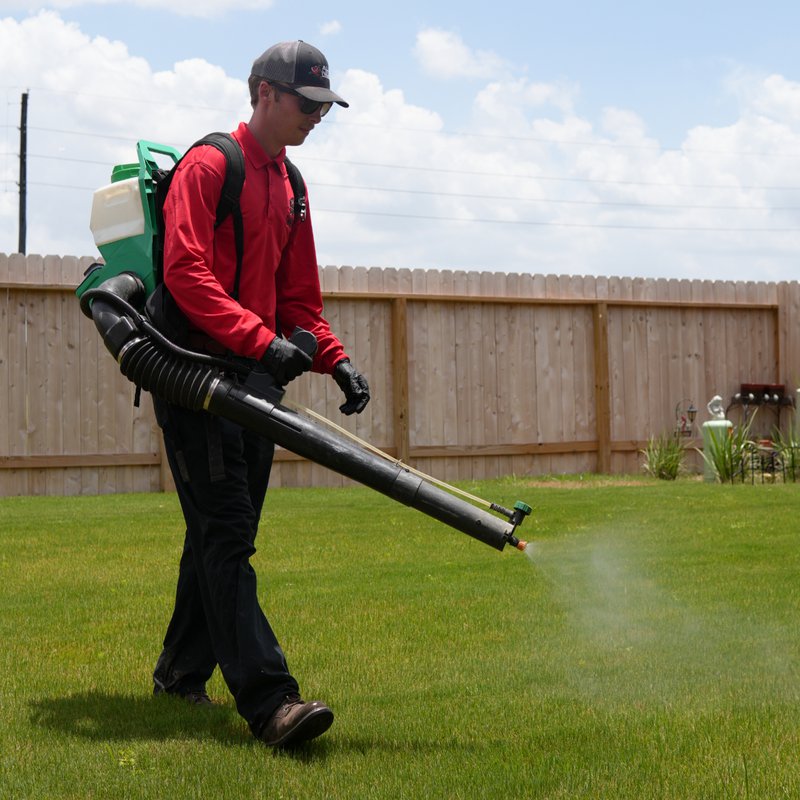
A professional visit should not be limited to spraying where insects were seen. A good inspection looks at the exterior source, landscape conditions, door seals, moisture, cracks, utility entries, and any related pest pressure. In some homes, the best plan may combine exterior treatment, habitat correction, crack-and-crevice work, and follow-up monitoring.
Researchers and extension specialists often recommend integrated management for nuisance pests, which means combining identification, habitat reduction, exclusion, and careful treatment when needed. That same principle is reflected in integrated pest management for earwig problems, especially when outdoor populations are contributing to indoor sightings.
What If You Are Seeing Other Pests Too?
Pincher bugs often show up where moisture and shelter are already favorable. If you also see droppings, chew marks, roaches, ants, or spiders, the home may have more than one pest issue developing at the same time.
For example, rodents can create entry points that insects later use, and they can bring fleas or other pests into hidden areas. If you notice scratching sounds, gnaw marks, rub marks, or pellet-like droppings, review professional rodent removal warning signs and do not treat the issue as a simple insect nuisance.
Similarly, recurring insects in kitchens and bathrooms may point to moisture, food access, drain issues, or gaps around plumbing. The earlier those conditions are corrected, the easier it is to prevent a small nuisance from becoming a larger seasonal pattern.
Practical Takeaways for Homeowners
If you want a quick way to think through the problem, use this sequence:
- Identify the insect. Confirm it is a pincher bug and not a roach, termite, ant, or silverfish.
- Track the location. Note which room, wall, door, or corner has the most activity.
- Inspect outside that area. Look for mulch, damp leaves, irrigation, cracks, and door gaps.
- Reduce moisture. Fix leaks, drainage, standing water, and overspray.
- Remove hiding places. Thin vegetation, pull back mulch, and clear damp clutter.
- Seal entry points. Focus on low gaps, doors, garage seals, and utility openings.
- Call for help if the pattern continues. Repeat activity usually means the source has not been fully corrected.
This approach works because it follows how the pest behaves. Instead of reacting to each insect one at a time, you are changing the conditions that made your home attractive in the first place.

Final Thoughts
Pincher bugs are unsettling, but they are usually a sign of correctable conditions around the home. Moisture, mulch, dense landscaping, small foundation gaps, and seasonal weather shifts are the big drivers. When those conditions are addressed early, indoor sightings often drop significantly.
If the problem keeps returning, professional pest control can help identify the source, reduce outdoor pressure, and build a prevention plan around your home’s specific layout and environment. The goal is not just to remove what you see today. It is to make the property less inviting tomorrow, next week, and through the next wet season.