What Attracts Mosquitoes? What Homeowners Should Know About Adult Mosquitoes

Published: June 1, 2026
Introduction
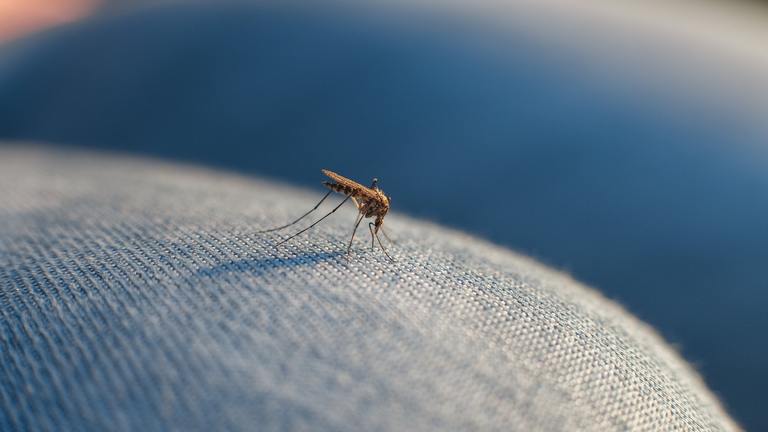
Adult mosquitoes are the stage homeowners notice most. They are the ones buzzing around patios, landing near ankles, slipping through torn screens, and turning a quiet evening outside into a swatting routine. When people ask about adult mosquitoes, they are usually asking one practical question: why are they choosing my yard, my porch, or me?
The answer is rarely one single thing. Adult mosquitoes respond to a mix of body cues, moisture, shade, plant cover, standing water nearby, and the way a property is maintained. Understanding what attracts mosquitoes helps homeowners reduce bite pressure more effectively because it connects the insect you see in the air with the conditions that help it rest, feed, and reproduce.
This guide explains how adult mosquitoes behave, why females bite, where adults rest during the day, and what homeowners can do to make a yard less inviting without relying on guesswork.

What Attracts Mosquitoes to People?
Mosquitoes do not randomly bump into people and decide to bite. Adult females use several cues to locate a host. Carbon dioxide from breathing, body heat, skin odors, sweat compounds, movement, and contrast can all help mosquitoes narrow in on a person or pet. That is why some people seem to get bitten more often than others while standing in the same yard.
Only female mosquitoes bite. Adult males feed on nectar and other plant sugars, and females use plant sugars too, but many female mosquitoes need a blood meal to produce eggs. That blood-feeding behavior is what makes adult mosquitoes more than a backyard nuisance. It also explains why the problem can rebound quickly when a property has both active adults and nearby water where the next generation can develop.
Homeowners often notice bites around ankles, lower legs, arms, and necklines because those areas may be exposed, warm, and easier for mosquitoes to reach. Dark clothing can also make a person easier to detect in some settings, especially at dusk or in shaded parts of the yard.
If you are trying to understand what attracts mosquitoes, start with the people and pets using the outdoor space. A shaded patio full of conversation, warm bodies, exposed skin, and still air can become a strong feeding zone even if the yard looks clean.
What Attracts Mosquitoes to a Yard?
A yard can attract adult mosquitoes even before anyone steps outside. Adults need places to rest, escape heat, avoid wind, and stay near moisture. In warm, humid regions, dense landscaping and shaded exterior spaces can provide exactly that.
Common adult mosquito resting areas include:
- Tall grass near fences, sheds, and drainage edges
- Dense shrubs around foundations, patios, and pool cages
- Ivy, vines, and heavy groundcover
- Shaded undersides of decks, stairs, and outdoor furniture
- Damp leaf litter, mulch beds, and overwatered planting areas
- Lanai corners, porch ceilings, and screened areas with small gaps
These resting spots matter because many adult mosquitoes spend the hottest, brightest parts of the day sheltered in vegetation or shaded areas. When conditions become more comfortable, they move out to feed. A yard with heavy shade, still air, and damp plant material can feel like a staging area for mosquitoes.
Standing water is still part of the adult mosquito story. Even though adult mosquitoes fly, they are connected to water because females return to suitable places to lay eggs. The CDC recommends that homeowners empty and scrub items that hold water once a week, including buckets, birdbaths, toys, flowerpot saucers, and similar containers. That simple habit reduces the chance that adult females can keep replenishing the population near the home.
For homeowners dealing with recurring activity, professional mosquito control should look at both adult resting zones and breeding sources. Treating only the mosquitoes flying around the patio misses part of the picture.

Why Do Adult Mosquitoes Bite Some People More Than Others?
It can feel personal when mosquitoes ignore one person and target another, but the difference usually comes down to biology and behavior. People vary in body odor, skin chemistry, heat output, breathing rate, clothing color, activity level, and the amount of exposed skin. Adult mosquitoes are sensitive to these signals.
A person doing yard work may be more attractive than someone sitting still because they are breathing harder, producing more heat, and sweating more. A group gathered around a still patio table may also create a strong target because several people are releasing carbon dioxide and scent cues in one compact area.
Repellent is personal protection, not yard control. It can reduce bites while you are outside, but it does not remove adult resting sites, correct drainage, clear clogged gutters, or stop females from laying eggs nearby. That is why the best mosquito prevention combines personal protection with property-level changes.
What Attracts Mosquitoes Around Patios, Pools, and Lanais?
Outdoor living areas often create the perfect mix of mosquito cues. A patio may have shade, plants, cushions, standing water in furniture covers, and people sitting in one place for an hour or more. Pool areas may have damp towels, drains, planters, low-lying landscaping, and screen doors that do not close tightly.
Around patios and lanais, look closely at small details:
- Plant saucers that hold water after irrigation
- Gutters draining near seating areas
- Outdoor toys, buckets, or storage bins left open
- Pool floats, tarps, and furniture covers with low pockets
- Thick shrubs touching screens or exterior walls
- Torn screen panels or loose door sweeps
- Decorative water features without steady circulation
Adult mosquitoes are weak fliers compared with many other insects, so still air helps them land and feed. A fan on a patio can make a small seating area less comfortable for mosquitoes, but it is not a full control plan. If adults are resting in the nearby hedge or breeding in a hidden water source, bite pressure can return as soon as conditions settle.
This is where a customized pest control program becomes useful. Each property has different shade patterns, drainage issues, plants, screen conditions, and activity zones. A yard that backs up to water will not have the same mosquito pressure as a smaller lot with overwatered foundation beds, even if both homeowners are dealing with bites.

How Long Do Adult Mosquitoes Live?
Adult mosquito lifespan depends on species, weather, food, shelter, and whether the mosquito is male or female. In general, adult males often live a shorter time, while adult females can live longer under favorable conditions. During that time, a female may take blood meals and lay eggs more than once, which is one reason mosquito problems can feel constant in warm, wet weather.
Adult mosquitoes do not need a large pond to keep the cycle going. Many common mosquitoes can use small water sources around homes, especially containers and shaded areas that stay damp. Once adults emerge, they can rest nearby and begin searching for plant sugars, mates, and blood meals.
Extension mosquito education resources note that adult mosquitoes use nectar and plant sugars for energy, while females use blood meals for egg development. That detail matters for homeowners because it explains why mosquitoes are drawn to both people and the landscape around them. Flowers, shrubs, damp shade, and nearby water can all be part of the same pattern.
What Attracts Mosquitoes Indoors?
Most mosquito issues begin outdoors, but adults can end up inside through damaged screens, doors left open, garage entries, pet doors, and gaps around enclosed patios. Once indoors, they may rest in quiet, humid places such as bathrooms, laundry rooms, closets, and shaded corners.
Indoor mosquitoes are usually a sign of one of three problems:
- Adults are entering from a high-pressure outdoor area.
- Screens, doors, or weatherstripping need repair.
- A water source indoors or near an entry point is supporting activity.
Check window screens, door sweeps, garage seals, and lanai panels. If mosquitoes keep appearing inside after those repairs, look for water in plant containers, utility areas, floor drains, or damp spaces near doors. Indoor sprays may kill visible mosquitoes, but they do not solve an exterior breeding or resting issue.
Homeowners who want to compare mosquito behavior with other pest activity can use a local pest library to understand which pests are tied to moisture, landscaping, or entry points. Many pest problems overlap around the same conditions, especially water, shade, and gaps in the exterior.
How Can Homeowners Make a Yard Less Attractive to Adult Mosquitoes?
The most effective mosquito prevention is layered. Think of it as reducing food access, resting comfort, entry points, and breeding opportunities at the same time. One step helps, but several steps working together are stronger.
Start with these homeowner-friendly actions:
- Empty containers, saucers, toys, buckets, and covers that collect rain or irrigation water.
- Clean gutters so water drains instead of sitting above the roofline.
- Trim shrubs and groundcover away from walls, screens, and patio edges.
- Keep grass cut, especially along fences and shaded edges.
- Remove damp leaf litter and excess mulch near seating areas.
- Repair torn screens and loose door sweeps.
- Use outdoor fans in covered seating areas when practical.
- Wear long, loose-fitting clothing when mosquitoes are active.
- Use repellent according to the product label when spending time outdoors.
For homes with recurring pressure, lawn pest control can help address the broader outdoor conditions that support pest activity. Mosquitoes are not just a skin-bite problem. They are often a landscape, drainage, shade, and maintenance problem.

When Is Professional Mosquito Control Worth It?
Professional mosquito control is worth considering when bites continue despite basic prevention, when mosquitoes are interfering with outdoor living, or when the property has conditions that are difficult for a homeowner to manage alone. Examples include heavy vegetation, drainage problems, nearby water, dense shade, large yards, recurring rainfall, or multiple outdoor living zones.
A professional inspection should identify where adults are resting, where females may be laying eggs, and which parts of the property are creating the most pressure. Good mosquito work is not just a quick pass around the yard. It is a targeted approach that connects adult activity with the conditions that keep producing more mosquitoes.
All U Need Pest Control's mosquito pest control services focus on inspection, prevention, and treatment planning for the whole mosquito life cycle. That matters because adult mosquitoes are the visible symptom, but the property conditions behind them determine how quickly the problem returns.
What Should You Track Before Calling for Help?
A little observation can make mosquito service more precise. Before calling for help, note when and where bites happen. Are mosquitoes worse at dusk, during the day in shaded areas, near the pool, by the grill, in the garage, or around a specific side of the home? Do they appear after irrigation runs or after rain? Are they worse near dense landscaping or a drainage area?
Useful notes include:
- The time of day mosquitoes are most active
- The areas where people are bitten most often
- Any standing water found after rain or irrigation
- Screens, doors, or lanai panels that need repair
- Recent landscaping changes or added plants
- Nearby ponds, canals, ditches, or drainage swales
These details help connect what you are experiencing with what attracts mosquitoes on your specific property. They also help separate a temporary spike after rain from a recurring yard condition that needs a stronger plan.
For more homeowner education, the All U Need Pest Control mosquito articles can help you compare adult activity, hiding areas, breeding sources, and prevention steps before the problem takes over your outdoor space.
The Bottom Line on Adult Mosquitoes
Adult mosquitoes are not just random flying pests. They are responding to cues from people, pets, shade, moisture, plants, still air, and water sources around the home. When you understand what attracts mosquitoes, you can take smarter action: reduce standing water, open up dense resting areas, protect exposed skin, repair screens, and look beyond the few insects you see flying.
The most reliable mosquito prevention combines practical homeowner habits with a property-specific plan. Adult mosquitoes may be the stage that bites, but lasting control comes from addressing the full environment that lets them rest, feed, and reproduce.