Signs of Termites in House: What Worker and Soldier Termites Reveal About an Infestation

Published: June 3, 2026
Introduction
Termites are easy to underestimate because most of their activity happens out of sight. They do not usually wander across open floors like ants or gather around lights like nuisance flies. Instead, they stay hidden inside wood, soil, wall voids, crawl spaces, mud tubes, and other protected spaces where they can feed and move without drying out.
When homeowners notice termite activity, they are often seeing only one small part of a much larger colony. Pale worker termites may be feeding and maintaining tunnels, while soldier termites stay nearby to defend the colony. Understanding these roles can make the signs of termites in house easier to recognize before hidden damage becomes more serious.
Termites are social insects, and termite colony castes include workers, soldiers, and reproductives. Each caste has a different job. Workers feed, tunnel, groom, and maintain the colony. Soldiers protect the colony. Reproductives are the winged termites that leave mature colonies to start new ones.

Why Signs of Termites in House Often Start With Hidden Activity
One of the most frustrating things about termites is that the first clues can be subtle. A homeowner may notice a soft baseboard, a thin mud tube on a foundation wall, a pile of tiny pellets, or a door that suddenly sticks. By the time live termites are visible, the colony may already have established a protected path to food.
That is why the signs of termites in house often show up as clues instead of obvious sightings. The EPA notes that termites rarely emerge from soil, mud tubes, or food sources, which is why many infestations are found only after swarming, damage, or repairs expose them.
What Do Worker Termites Do?
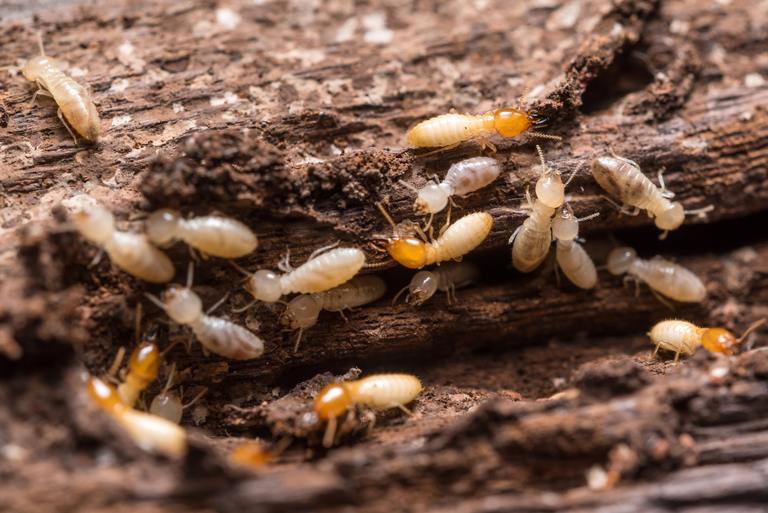
Worker termites are the pale, soft-bodied termites most people notice when infested wood or a mud tube is disturbed. They are usually cream colored, white, or slightly translucent. They do not have wings, and they avoid dry air and light whenever possible.
Their jobs include:
- Feeding on cellulose in wood, paper, cardboard, roots, and plant material
- Building and repairing mud tubes and internal galleries
- Feeding soldiers, young termites, and reproductive members of the colony
- Grooming other termites
- Expanding the colony’s access to food sources
Workers are the reason termite problems become structural problems. They are the caste that feeds most actively and keeps the colony functioning. If you are trying to compare what you are seeing with known termite traits, All U Need Pest Control’s guide to what termites look like can help separate workers, soldiers, and swarmers.
What Do Soldier Termites Do?
Soldier termites are built for defense. They often have pale bodies like workers, but their heads are larger, darker, and more noticeable. Depending on the species, the head may look rectangular, rounded, or teardrop shaped. Their mandibles are designed to defend the colony, not to chew through your home the way workers do.
When a protected termite area is disturbed, soldiers may move toward the breach while workers retreat, repair, or continue colony tasks. Their presence is important because it suggests you are not looking at a lone insect. You are seeing members of a functioning colony.

Signs of Termites in House You Should Not Ignore
The signs of termites in house can vary depending on the termite species and where the colony is active. Subterranean termites often leave different evidence than drywood termites, but both can damage wood before a homeowner realizes what is happening.
Common warning signs include:
- Mud tubes along foundations, crawl spaces, piers, plumbing penetrations, or garage walls
- Hollow-sounding wood when tapped
- Soft, blistered, or darkened wood
- Bubbling paint or surfaces that resemble water damage
- Discarded wings near windows, doors, lights, or baseboards
- Live pale termites exposed in wood, soil, or damaged areas
- Tight-fitting doors or windows that were not sticking before
- Tiny pellet-like droppings near wood, trim, furniture, or windowsills
- Thin tunnels or galleries inside damaged wood
- Sagging floors, damaged trim, or suspicious drywall changes
For subterranean activity, termite mud tubes are one of the most useful clues because they show that termites are using protected pathways between the soil and a food source. For drywood activity, termite droppings can be a major warning sign because drywood termites push pellet-like waste out of small openings in infested wood.

What Does It Mean If You See Live Termites?
Live termites are one of the clearest signs of termites in house, but what they mean depends on where you see them.
What if you see workers in damaged wood?
If pale termites appear when wood breaks, crumbles, or is opened during repairs, the activity may be inside that wood or connected to a larger hidden route. This is especially concerning around baseboards, door frames, window trim, subflooring, crawl spaces, porches, and garages.
Worker termites exposed in wood should not be brushed off as ordinary bugs. They are usually there because the wood is part of a feeding route or gallery system.
What if you see soldiers with workers?
Seeing soldiers alongside workers can suggest an active colony response. Soldiers tend to appear when the colony is disturbed or when a protected area is breached. The presence of soldiers can also help professionals identify the termite type, since soldier head shape and behavior can provide useful clues.
What if you see winged termites instead?
Winged termites, also called swarmers, are reproductive termites. They leave mature colonies to start new ones. If you see winged termites indoors or piles of shed wings, that is a different warning sign than seeing workers. It may mean a mature colony is nearby or that termites have found conditions suitable for reproduction.
All U Need Pest Control’s termite information page explains several termite warning signs homeowners may notice around the home, including wings, wood damage, droppings, and mud tubes.
Are Worker Termites More Dangerous Than Soldier Termites?
Worker termites cause most of the direct feeding damage. Soldier termites are important because they show that the colony is organized and protected, but they are not the main wood-feeding caste.
A simple way to think about it is this:
- Workers keep the colony alive and feed on cellulose
- Soldiers defend the colony
- Reproductives spread the colony by swarming and starting new colonies
So, are workers more dangerous to your home than soldiers? In terms of wood damage, yes. But seeing soldiers is still important because it confirms that the colony has a defense system. Termite activity is not random. It is organized, persistent, and often hidden.
How Termite Behavior Connects to Home Damage
Termites do not need to eat wood out in the open. They can feed from the inside out, leaving the surface looking normal until the damage becomes easier to notice. This is why a piece of trim, flooring, or drywall may look mostly intact while the inside has been hollowed, tunneled, or weakened.
Subterranean termites are especially tied to soil contact and moisture. They build protected travel routes because their soft bodies are vulnerable to drying out. Mississippi State University Extension explains that subterranean termites build mud tubes to maintain a moist, protected environment when traveling over exposed surfaces.
Drywood termites behave differently because they can live inside wood without regular soil contact. Instead of mud tubes, homeowners may notice frass, tiny exit holes, or damage in furniture, attic wood, trim, or structural lumber.
Either way, the visible clues are usually only part of the problem. The colony activity you can see may be connected to hidden galleries, moisture conditions, or entry points that need a closer inspection.

Signs of Termites in House Versus Other Wood Problems
Not every wood issue is termite damage. Moisture damage, fungal decay, carpenter ants, wood-boring beetles, and ordinary aging can all create confusing signs. The key is to look for patterns.
How can you tell termite damage from water damage?
Water damage often leaves staining, swelling, softness, or moldy odors. Termite damage may also appear in moisture-prone areas, but it often includes galleries, mud tubes, frass, hollow sounds, or live insects. Because the two can overlap, moisture problems should be taken seriously. Damp wood can make conditions more attractive to several wood-damaging pests.
How can you tell termites from carpenter ants?
Carpenter ants do not eat wood. They excavate it to create nesting space and often leave coarse, sawdust-like debris that may include wood fragments and insect parts. Termites consume cellulose and may leave mud tubes, frass, or hidden internal galleries depending on the species.
What if the wall looks like it has water bubbles?
Bubbling paint or uneven drywall can come from moisture, but termites may also contribute when activity is hidden behind the surface. All U Need Pest Control’s guide to early termite damage in drywall explains why drywall symptoms can be easy to mistake for other household issues.
What Should Homeowners Do After Seeing Termite Activity?
If you see worker termites, soldier termites, mud tubes, frass, or damaged wood, avoid turning the area into a DIY experiment. Spraying the visible termites may kill a few exposed insects, but it usually will not address the colony. It can also scatter activity or make the evidence harder to evaluate.
A better first response is:
- Take clear photos of the termites and the surrounding area.
- Note the exact location, such as crawl space, garage wall, window trim, porch post, or baseboard.
- Avoid removing all evidence before an inspection.
- Check nearby areas for moisture, wood-to-soil contact, or additional signs.
- Schedule a professional termite inspection to identify the species, activity level, and likely entry points.
This is especially important in warm, humid regions where termite pressure can remain active year-round. All U Need Pest Control’s page on subterranean termites explains how these termites use soil and protected travel routes to reach homes.
How Professionals Read the Clues
A termite inspection is not just about confirming that termites are present. It is about understanding how they are getting in, where they are feeding, what species may be involved, and which conditions are helping them survive.
A professional inspection may evaluate:
- Foundation edges
- Crawl spaces
- Slab cracks and expansion joints
- Porch posts and wooden steps
- Window and door frames
- Plumbing penetrations
- Moisture-prone walls
- Attic wood and roofline areas
- Garage trim and stored wood
- Mulch, stumps, firewood, and landscape timbers near the structure
That larger view matters because termites often have more than one route. Treating only the spot where workers were seen may miss the colony’s protected access points.
For homeowners comparing next steps, professional termite control options can include inspection, monitoring, baiting, soil treatment, localized treatment, and prevention recommendations based on the termite species and property conditions.
How to Reduce Termite Risk Around the Home
Prevention starts with making the structure less inviting and less accessible. You cannot make every home termite-proof, but you can reduce the conditions that help colonies reach and feed on it.
Helpful steps include:
- Keep soil and mulch from touching siding or wooden trim
- Move firewood, lumber, and cardboard away from the foundation
- Repair plumbing leaks, roof leaks, and gutter issues quickly
- Keep crawl spaces ventilated and dry
- Maintain drainage so water moves away from the foundation
- Trim shrubs and vines away from exterior walls
- Seal gaps around utility penetrations where possible
- Avoid burying wood scraps near the home
- Schedule periodic inspections, especially in termite-prone regions
The EPA recommends homeowners keep soil around the foundation dry through proper grading and drainage, including attention to gutters and downspouts. Moisture control is not a complete termite treatment, but it is an important part of lowering risk.
Why Worker and Soldier Termites Matter
Worker and soldier termites are useful clues because they reveal how the colony operates. Workers are feeding, tunneling, and maintaining the system. Soldiers are protecting it. When both are present, that activity usually points to more than a surface-level pest issue.
That is why signs of termites in house should be handled as a whole-property concern, not just a spot problem. A few visible termites may represent a much larger hidden system. A mud tube may be only one branch of a foraging network. A small pile of frass may point to galleries inside wood that have not yet failed visibly.
Homeowners do not need to panic when they see termite activity, but they should take it seriously. The earlier the evidence is identified correctly, the better the chance of limiting damage and choosing the right treatment approach.

Conclusion
Worker termites and soldier termites tell different parts of the same story. Workers are the feeders and builders that keep the colony moving. Soldiers are the defenders that respond when the colony is exposed. When you see them together, you are seeing a functioning termite colony, not a random pest sighting.
The most important takeaway is simple: live termites, mud tubes, frass, discarded wings, hollow wood, and suspicious drywall changes all deserve attention. The signs of termites in house can be subtle, but they are often connected. A professional inspection can connect those clues, identify the termite type, and help protect the home before hidden activity turns into more expensive damage.