Fire Ant Bites: What Homeowners Should Know Before the Yard Becomes Unsafe

Published: June 5, 2026
Introduction
Fire ants can turn an ordinary walk through the yard into a painful surprise. One moment you are moving a sprinkler, pulling weeds, or helping a child pick up toys. The next, several ants are on your shoes or ankles and the burning starts. For homeowners in warm, humid regions, fire ant bites are not just a small nuisance. They are a sign that aggressive colonies may be active in the lawn, garden beds, driveway edges, or outdoor living areas where family members and pets spend time.
The confusing part is that many people do not notice the mound until after they have disturbed it. Fire ants often build in open, sunny areas, and their mounds may appear after rain, irrigation, or soil disturbance. A mound can look like loose, fluffy soil with no obvious entry hole, which makes it easy to miss while mowing or walking barefoot.
This guide explains what the stings look like, why they happen, what homeowners should do afterward, and how to reduce the chance of repeat encounters. The goal is not to make you panic every time you see an ant in the yard. It is to help you recognize when fire ants are creating a real safety problem around your home and when professional evaluation makes sense.
What Do Fire Ant Bites Look Like?
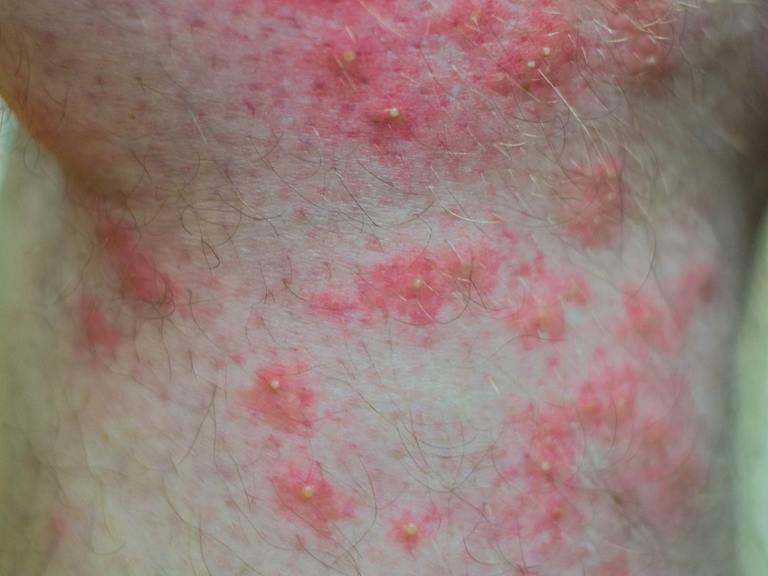
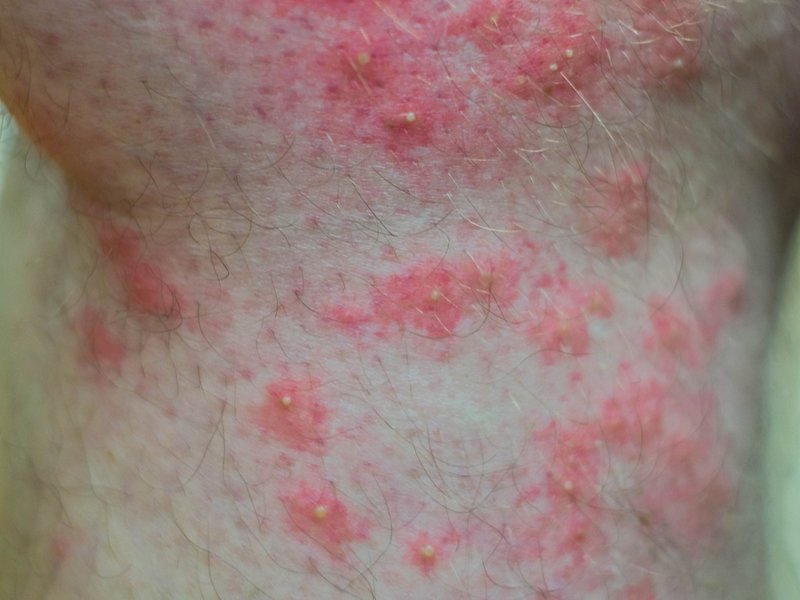
Most people call them bites, but fire ants are better known for stinging. They can bite down with their jaws to hold onto the skin, then sting repeatedly. That is why one accidental step into a mound can lead to several painful spots in a short time.
These stings often start with a sudden burning or stinging feeling. A red welt may appear, and many stings later develop a small white or yellowish pustule. Medical resources describe typical reactions as painful, itchy welts that may turn into blister-like spots, and they note that most mild reactions can be managed at home with basic care such as cold compresses and over-the-counter options when appropriate. You can read more about typical burning stings and blister-like pustules from a medical source.
Common signs include:
- A sharp burning sensation soon after contact
- Clusters of red bumps, often on feet, ankles, legs, hands, or arms
- Itching that may last after the initial pain fades
- Small pustules that can appear within a day
- Multiple sting marks in the same area when a mound was disturbed
Try not to scratch or pop the pustules. Scratching can irritate the skin and increase the chance of infection. If a reaction seems severe, spreads quickly, involves the face or throat, or comes with trouble breathing, dizziness, vomiting, or widespread swelling, seek emergency medical help right away.
Why do some people get many stings at once?
Fire ants defend their colony aggressively. When a mound is disturbed, workers can rush out together. They may climb onto shoes, socks, pant legs, gloves, pet paws, or bare skin before the person realizes what happened. Because several ants may sting at nearly the same time, the reaction can look like a cluster rather than one isolated spot.
This is one reason fire ants are different from many ordinary nuisance ants. A line of small ants at a kitchen counter is frustrating, but a fire ant colony in the yard can affect how safely people use patios, play areas, lawns, and garden spaces. If you are seeing repeated ant activity outside, the broader ant infestation warning signs can help you understand what type of problem may be developing.

Why Fire Ant Bites Happen in Yards, Lawns, and Garden Beds
Fire ants prefer warm conditions and often build mounds in open, sunny places. Lawns, turf edges, garden beds, fence lines, driveways, sidewalks, play areas, and open soil near foundations can all become nesting sites. Extension guidance notes that a mound where ants pour out aggressively when disturbed is a strong clue that red imported fire ants may be present, especially in areas where these ants are established. Homeowners can compare that behavior with descriptions of aggressive mound activity in sunny landscapes.
Fire ant pressure can increase around homes for several reasons:
- Warm weather speeds up outdoor insect activity.
- Rain or irrigation can make mounds more visible as colonies move soil.
- New sod, nursery plants, mulch, or soil can sometimes move ants into a property.
- Open sunny lawns give colonies room to spread.
- Neighboring properties can act as a source of reinfestation.
- Food scraps, pet food, and yard debris can support foraging activity.
In many yards, the first sign is not an ant trail. It is a mound that seems to appear almost overnight. Fire ants can also nest in places that are inconvenient or risky, including near mailboxes, hose reels, pool equipment, AC pads, gardens, and outdoor play equipment. The Texas Imported Fire Ant Research and Management Project notes that red imported fire ants can nest in turfgrass, gardens, compost piles, mulched beds, and even electrical equipment or utility housings. That makes fire ant nesting around turf, gardens, and equipment a practical concern, not just a lawn appearance issue.
For a local service perspective, All U Need Pest Control's fire ant pest control resource explains why fire ants are common in warm, sunny regions and why colonies can spread across multiple properties.
Where should homeowners check first?
Walk the property slowly and look for loose soil mounds in open areas. Do not kick, poke, or mow over suspected mounds to test them. Instead, visually check these spots:
- Along sidewalks, driveways, curbs, and paver edges
- Around irrigation heads and hose bibs
- Near AC units, pool equipment, and electrical boxes
- At the edges of garden beds and mulch rings
- Around swing sets, play areas, and pet runs
- In sunny lawn areas after rain
- Near newly placed sod, soil, or landscape plants
If children, older adults, or pets use the yard, treat suspected mounds as a safety issue. Keep people and animals away until the ants are identified and the area can be handled safely.
Are Fire Ant Bites Dangerous?
For many people, fire ant bites are painful and itchy but not medically serious. The problem is that reactions can vary. Some people experience only local discomfort. Others may have stronger swelling or allergic reactions. A small number of people can have a severe systemic reaction that requires urgent medical attention.
Watch for red flags after stings, including:
- Trouble breathing or swallowing
- Tightness in the throat or chest
- Dizziness, fainting, or confusion
- Swelling away from the sting site
- Hives over a large area of the body
- Nausea, vomiting, or rapid worsening symptoms
- Signs of infection later, such as increasing warmth, pus, or red streaking
This article is not medical advice. When symptoms are severe, unusual, or rapidly getting worse, contact a medical professional or emergency service. From a pest control standpoint, the key point is simple: repeated stings around the home mean the yard needs attention. You should not have to wonder whether it is safe for children to play outside or for pets to cross the lawn.
What should you do right after a sting?
Move away from the mound first. Brush ants off quickly. Do not slap them against the skin, since that may cause more irritation. Remove shoes, socks, gloves, or clothing if ants may be trapped inside. Wash the affected area gently with soap and water. A cold compress can help with discomfort. Follow medical guidance for over-the-counter creams or antihistamines if those are safe for you.
Avoid home remedies that involve harsh chemicals, bleach, gasoline, or other unsafe products. These can harm skin, damage soil, put pets at risk, and create hazards around the home. The safest approach is to care for the sting appropriately and then address the colony source with proper identification and treatment.

How to Prevent Fire Ant Bites Around the Home
The best way to reduce stings is to reduce the chance that someone will step into or disturb an active colony. That takes more than reacting to the mound you noticed today. Fire ant control works best when homeowners think about the whole property, not just one pile of soil.
Start with practical prevention:
- Wear shoes and gloves while gardening, mowing, or moving yard items.
- Inspect play areas, pet spaces, and garden beds regularly.
- Do not leave pet food outdoors longer than needed.
- Keep trash cans closed and rinse spills on patios or driveways.
- Reduce yard debris where ants and other pests can forage.
- Be careful when bringing in sod, soil, mulch, or potted plants.
- Keep children and pets away from suspected mounds.
These steps help, but they do not eliminate established colonies by themselves. Once fire ants are nesting on a property, the colony structure and surrounding conditions matter. A mound treatment may address the visible colony, but it may not solve pressure from nearby colonies or hidden nesting areas. A broader inspection can determine whether fire ants are the main issue or whether other ants are also active.
All U Need Pest Control provides professional ant control for fire ants and other common ant species, with inspection and identification as the first step. That matters because different ants require different treatment strategies. Treating every ant problem the same way can waste time and allow the real colony to keep growing.
Why do DIY treatments sometimes fail?
Store-bought sprays may kill visible ants, but fire ant colonies are not limited to the workers on the surface. The queen, brood, and deeper colony structure are the real target. If a product is applied incorrectly, at the wrong time, or only to visible activity, the colony may survive or move. Some attempts can also scatter activity and make it harder to understand where the pressure is coming from.
DIY mound drenches can be risky when people stand too close, disturb the mound, or use products in ways the label does not allow. Fire ants respond fast when threatened. For homeowners with pets, young children, allergies, or multiple mounds, guessing is not a great plan.
A professional inspection looks at the mound, the surrounding lawn, nearby landscape features, property boundaries, moisture patterns, and repeat activity. That broader view helps connect the visible problem with the conditions that allowed it to happen.

What Makes Fire Ant Control Different From Other Ant Problems?
Many ants come indoors searching for food or moisture. Fire ants are different because the most urgent issue is often outdoors: stings, mounds, and yard safety. They can still create problems near structures, but the homeowner concern usually starts with the lawn.
The treatment plan should account for:
- The number of mounds on the property
- Whether mounds are near high-use areas
- The size and activity level of the colony
- Whether neighboring lots are contributing pressure
- Recent rain, irrigation, sod installation, or landscaping
- Pets, children, gardens, and other sensitive areas
- The possibility of more than one ant species being present
That is why fire ant control is not just about making a mound disappear. It is about lowering sting risk in the places people actually use. If the problem is part of a larger seasonal pest pattern, a customized pest control program can make more sense than one-time reaction after someone gets stung.
Can fire ants come back after treatment?
Yes, fire ants can return, especially in warm climates where colonies thrive and nearby properties are active. Rain, flooding, construction, new landscaping, and seasonal changes can all shift ant activity. Even when a treatment works well, new colonies can appear later if the property remains favorable.
That does not mean treatment failed. It means fire ant prevention is often an ongoing property-management issue. Consistent monitoring, timely service, and attention to landscape conditions are what keep the yard safer over time.

When Should You Call a Professional?
Consider calling for help when fire ant activity is affecting how you use the yard. One mound near a back corner may be manageable with careful attention, but multiple mounds near play spaces, walkways, patios, pets, or outdoor equipment deserve faster action.
Professional help is especially important when:
- Someone in the household has had a strong reaction to stings.
- Children or pets regularly use the affected area.
- Mounds keep reappearing after DIY attempts.
- Ants are active near electrical equipment, irrigation, or pool systems.
- You are not sure whether the ants are fire ants or another species.
- The property has several mounds or activity along the perimeter.
If you want to compare fire ants with other pest concerns, the All U Need Pest Control pest library for common household pests is a useful place to start. Identification is not just a technical detail. It changes how the problem should be handled.
For homeowners in service regions where fire ants are common, checking local availability through All U Need Pest Control's pest control service areas can help connect the concern to local seasonal conditions and treatment expectations.
A Safer Yard Starts With Seeing the Whole Problem
These stings are painful, but they are also useful evidence. They tell you that a colony was close enough to a walkway, lawn, garden, or play space to affect daily life. Once that happens, the question is not just how to calm the sting. The bigger question is how to reduce the chance that it happens again.
Homeowners can help by watching for mounds, wearing shoes outdoors, keeping children and pets away from suspicious soil piles, and avoiding unsafe home remedies. Still, established fire ant pressure often needs professional identification and a property-specific plan.
A yard should be a place where people can grill, garden, play, and relax without scanning every step for aggressive ants. With the right inspection, practical prevention, and timely treatment, fire ant bites can become far less likely, and your outdoor spaces can feel usable again.