How to Get Rid of Drain Flies: What Should You Check First

Published: June 17, 2026
Introduction
Tiny flies around a sink, shower, floor drain, or laundry room can make a clean home feel suddenly neglected. Drain flies are frustrating because they often appear even when counters are wiped down and trash is taken out. The real issue is usually not the adult flies you see resting on walls. It is the wet organic film where they are breeding.
If you are searching for how to get rid of drain flies, the first step is to find the source. Sprays and traps may reduce the adults for a short time, but they do not remove the buildup that allows new flies to keep emerging. In warm, humid areas, that buildup can form quickly in drains, garbage disposals, condensate lines, mop sinks, floor drains, and damp utility spaces.
Drain flies are not the same as fruit flies, gnats, or house flies. They are small, fuzzy, moth-like flies that tend to stay close to drains and damp surfaces. Once you understand what they need to survive, you can make better decisions about cleaning, moisture correction, and when to bring in a professional.
What Are Drain Flies?
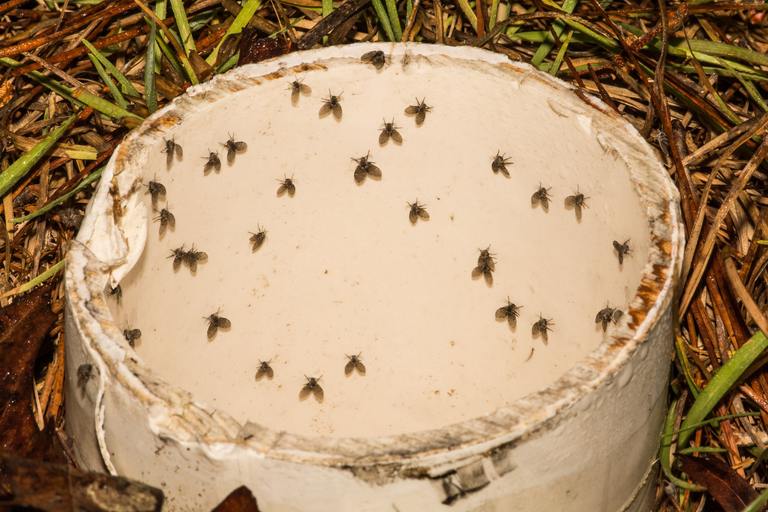
Drain flies are also called moth flies, filter flies, or sewer flies. They are small, dark, fuzzy insects with broad wings that often rest in a roof-like shape over the body. Many homeowners first notice them sitting on bathroom walls, near kitchen sinks, around shower stalls, or close to floor drains.
According to university extension guidance, drain flies commonly breed in moist, decaying organic matter. Outdoors, that can mean wet leaf litter, swampy areas, compost, or standing water with organic debris. Indoors, the breeding site is often the slimy film inside drains, pipes, traps, garbage disposals, or plumbing-connected areas.
The adults are weak fliers. They do not zip across the room like house flies. Instead, they make short, fluttering hops and usually stay near the source. That behavior is a clue. If you keep seeing them in the same bathroom or kitchen, the breeding site is probably close by.

Why Do Drain Flies Show Up Inside Homes?
Drain flies show up when three conditions overlap:
- Moisture
- Organic buildup
- A protected place for larvae to develop
A rarely used guest bathroom, a slow-draining sink, a floor drain in a garage, or a shower that stays damp can all create the right conditions. The same is true for garbage disposals with food residue, condensate pans, leaky plumbing, dirty mop buckets, and trash cans that collect liquid at the bottom.
Extension experts note that moth flies are often found in bathrooms, kitchens, and other rooms with drains. They may also be connected to sewer breaks or plumbing issues, especially when the problem is persistent, widespread, or located near floor drains and utility areas.
Warm weather can make the issue more noticeable. Higher temperatures speed up insect development, while humidity helps damp buildup linger. In homes across Florida, Texas, South Carolina, and other warm regions, drain flies can become a year-round concern, but homeowners often notice them more during rainy or humid periods.
How to Get Rid of Drain Flies Starts With Finding the Source
The best answer to how to get rid of drain flies is source removal. Adult flies are only the visible part of the problem. The larvae live in wet, organic material, so the real work is identifying where that material is hiding.
Start with the room where you see the most activity. Look at every moisture point, not just the obvious sink drain. Check:
- Bathroom sink drains
- Shower and tub drains
- Kitchen sink drains
- Garbage disposals
- Floor drains
- Laundry room drains
- Utility sinks
- Condensate lines or drain pans
- Wet trash cans and recycling bins
- Potted plants with soggy soil
- Mop buckets, cleaning closets, and damp storage areas
A simple inspection trick is to place a clear cup, jar, or piece of tape over a suspected drain overnight without sealing off airflow completely. If adult flies appear inside the cup or stuck to the tape by morning, that drain may be active. This does not prove it is the only source, but it helps narrow the search.
If flies are appearing throughout the home, a broader general pest control inspection can help identify whether the issue is limited to drains or connected to other pest attractants, moisture problems, or entry points.
What do drain fly larvae live in?
Drain fly larvae live in the wet film that builds up inside drains and similar areas. Public health guidance describes larvae surviving in the gelatinous muck that accumulates in drains, where they can feed and breathe near the surface.
That film may contain soap residue, hair, grease, food particles, bacteria, algae, and other organic material. A drain can look clean from above while still holding enough buildup deeper in the pipe to support larvae.
This is why pouring a quick cleaner down the drain often fails. If the cleaner does not physically remove the buildup, the breeding site may remain.

Are Drain Flies Dangerous?
Drain flies are mainly a nuisance pest. They do not bite people or pets, and they do not damage wood, clothing, food packages, or furniture. That said, they are still a sign that something wet and organic is present where it should not be.
The bigger concern is the environment they point to. Drain flies may indicate:
- Sludge buildup inside drains
- Slow drainage
- Plumbing leaks
- Sewer gas or sewer-line issues
- Moisture around a slab, crawl space, or utility area
- Unsanitary residue in trash or drain systems
A few drain flies near one rarely used sink may be a simple cleaning issue. Repeated activity in multiple rooms, activity around floor drains, or a sewage odor deserves more attention.
Drain fly problems can also overlap with other pests. Moisture and organic buildup can attract cockroaches, ants, and other insects. If you are seeing roaches near the same bathroom, kitchen, or utility space, professional cockroach control may be needed along with drain correction.
How to Get Rid of Drain Flies in Bathrooms and Kitchens
Bathrooms and kitchens are the most common places homeowners notice drain flies. These rooms offer steady moisture and plenty of organic residue.
To reduce the problem, focus on cleaning the actual breeding material, not just rinsing the surface.
Step 1: Clean the drain mechanically
Use a drain brush, pipe brush, or flexible cleaning tool to scrub the inside walls of the drain as far as safely possible. The goal is to remove the film where larvae feed. For sinks, remove and clean the stopper if it collects hair and residue. For showers, clear hair and soap buildup from the drain cover and visible pipe.
Avoid mixing drain chemicals. Many products can react dangerously if combined. If a drain is clogged, backing up, or giving off sewage odors, call a plumber before adding harsh chemicals.
Step 2: Flush loosened debris
After scrubbing, flush the drain with hot water if the fixture and plumbing can safely handle it. This helps move loosened organic material out of the immediate breeding zone. In some cases, enzyme-based drain maintenance products may help break down organic residue over time, but they work best after physical cleaning.
Step 3: Clean nearby surfaces
Drain flies may rest on walls, sink bases, shower curtains, grout lines, trash cans, and cabinet interiors. Wipe these areas down so you are not leaving damp residue nearby.
In kitchens, check the garbage disposal splash guard. Food residue can collect under the rubber flaps where homeowners rarely look. Also clean under sink mats, around trash cans, behind appliances, and near recycling containers.
Step 4: Keep the area dry
After cleaning, reduce moisture. Run bathroom fans, fix dripping faucets, dry shower ledges, and avoid leaving wet towels or cleaning rags in closed spaces. In kitchens, empty trash before liquids collect at the bottom, and rinse recycling containers before storing them indoors.
When homeowners ask how to get rid of drain flies, we often explain that drying the environment is just as important as killing the visible insects.

How Can You Tell Drain Flies From Fruit Flies or Fungus Gnats?
Small flying insects are easy to confuse. Identification matters because each pest has a different source.
Drain flies
Drain flies are fuzzy, moth-like, and usually found near drains, showers, tubs, floor drains, or damp utility areas. They fly weakly and often rest on walls.
Fruit flies
Fruit flies are usually found near overripe fruit, fermenting liquids, trash, dirty recycling, or food residue. If the activity is centered around produce bowls, drink containers, or garbage, consider whether the issue is food-based instead of drain-based. If stored foods or pantry items are involved, pantry pest control may be the more relevant service path.
Fungus gnats
Fungus gnats are often connected to overwatered houseplants. They are slender and mosquito-like, and they tend to hover around soil rather than drains. Letting soil dry appropriately and removing decaying plant material can help.
Phorid flies
Phorid flies are small, hump-backed flies that may run across surfaces before flying. They can breed in decaying organic matter and may be associated with serious sanitation or plumbing concerns. If you suspect phorid flies, professional identification is wise.
Misidentification is one reason DIY control can drag on for weeks. If you treat a sink drain but the real source is a trash can, plant pot, or broken pipe, the flies will keep coming.
Where Else Should Homeowners Check?
Drain flies are not limited to sink drains. If cleaning one drain does not solve the problem, widen the inspection.
Look for moisture in places that are easy to overlook:
- The pan under a refrigerator or HVAC unit
- Utility rooms with condensate drainage
- Garage floor drains
- Sump areas
- Crawl space moisture
- Outdoor drains near patios or lanais
- Wet mulch against the foundation
- Clogged gutters
- Trash bins stored near doors
- Pet washing areas
- Outdoor kitchens or pool bath drains
Some of these areas can also contribute to mosquitoes, especially when standing water is present. If the issue extends outdoors, a broader moisture and breeding-site review may overlap with mosquito control.
Kitchen moisture can also attract ants, especially when water and food residue are available. If you are seeing small flies and ant trails together, ant control may need to be part of the inspection plan.
What Should Homeowners Avoid Doing?
It is understandable to want a fast fix, but some common reactions make drain fly problems harder to solve.
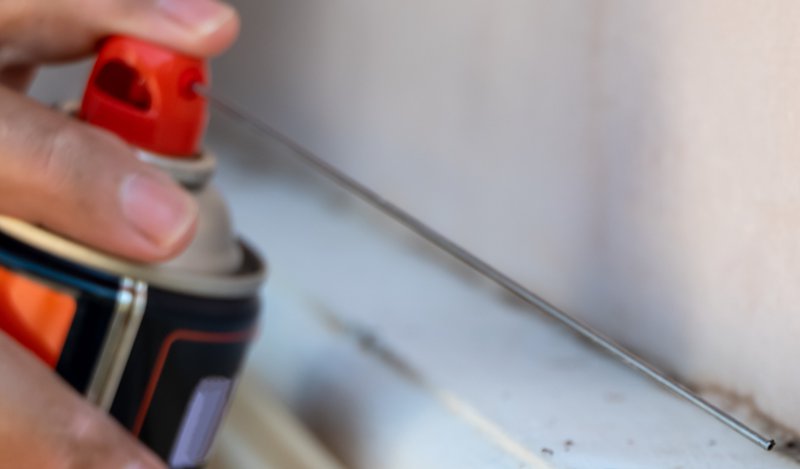
Avoid relying only on aerosol sprays. They may kill adult flies in the air, but they do not remove larvae in the drain film.
Avoid mixing drain cleaners. Combining bleach, ammonia, acids, or other drain products can create hazardous fumes or damage plumbing.
Avoid ignoring slow drains. A slow drain can hold organic buildup and may signal a larger plumbing issue.
Avoid assuming every tiny fly is the same. Fruit flies, fungus gnats, phorid flies, and drain flies need different source-control steps.
Avoid sealing a drain permanently without understanding the plumbing. Traps and drains are part of a larger system, and improper sealing can create other problems.
When Professional Help Is Needed for How to Get Rid of Drain Flies
Professional help makes sense when the problem keeps returning after cleaning, when flies appear in several rooms, or when activity is tied to floor drains, sewage odors, or hidden moisture. A pest control professional can identify the insect, trace likely breeding areas, and determine whether the issue is truly a pest problem, a sanitation problem, a plumbing problem, or a combination.
You should consider an inspection if:
- Flies return within a few days of cleaning
- Multiple drains seem active
- You notice sewage or musty odors
- There is moisture under cabinets or behind walls
- Adult flies are appearing far from obvious drains
- You also see roaches, ants, or other pests
- The home has a crawl space, slab leak concern, or recurring humidity issue
A professional inspection can also help separate drain flies from other small-fly problems. That distinction matters because the wrong treatment wastes time and leaves the source untouched.
Moisture problems deserve attention beyond the fly issue. Damp wood, hidden leaks, and poor drainage can create conditions that attract other pests, including termites. If moisture damage or wood contact with water is part of the bigger picture, it may be worth reviewing termite control options as part of a broader home-protection plan.

How Do You Prevent Drain Flies From Coming Back?
Prevention is about keeping drains and damp areas from rebuilding the film that larvae need.
A practical prevention routine includes:
- Run water in rarely used drains weekly so traps do not dry out.
- Clean sink stoppers, shower strainers, and disposal splash guards regularly.
- Brush drains periodically instead of only pouring products down them.
- Fix slow drains, leaks, and condensation problems promptly.
- Keep trash cans dry and clean, especially in kitchens and garages.
- Avoid letting mop buckets, wet rags, or pet-washing areas stay damp.
- Check outdoor drains, gutters, and wet landscaping near entry points.
For many homes, prevention is not complicated. The key is consistency. Drain flies are not usually a sign that the whole home is dirty. They are a sign that one wet, organic pocket has become active.
Can Drain Flies Go Away on Their Own?
Sometimes a very small drain fly issue fades if the source dries out. For example, a guest bathroom drain may become less active once it is used, flushed, and cleaned. But active breeding sites usually do not resolve without source removal.
If adults are appearing daily, assume larvae are developing somewhere nearby. Waiting may allow the population to grow, especially in warm, humid conditions. Early action is easier than trying to solve a larger infestation after multiple drains or rooms are involved.
Conclusion
Knowing how to get rid of drain flies starts with understanding what they are telling you. The adults are annoying, but the source is usually hidden moisture and organic buildup. Find that source, clean it physically, reduce dampness, and watch for signs that the problem is connected to plumbing or broader pest activity.
For homeowners, the best approach is calm and methodical. Identify the fly, inspect the most likely breeding sites, clean beyond the visible surface, and correct the moisture that allowed the problem to start. When the flies keep coming back or the source is not obvious, a professional inspection can save time and help protect the home from related pest concerns.