Mosquito Larvae in Your Yard: What They Look Like, Where They Hide, and How to Stop Them

Published: June 16, 2026
Introduction
Mosquito problems often feel like they appear out of nowhere. One weekend the patio is comfortable, and the next weekend everyone is swatting, scratching, and rushing back inside before sunset. In many yards, the real problem started earlier, while the mosquitoes were still developing in water.
That early aquatic stage is the key to understanding why some yards stay full of mosquitoes even after homeowners dump the obvious puddles. Mosquitoes do not need a pond or a swamp to reproduce. A small amount of stagnant water in a saucer, gutter, drain, toy, tarp fold, or shaded container can support the next generation. When homeowners learn how to spot mosquito larvae and remove their breeding sites, mosquito control becomes much more practical.
This guide explains what mosquito larvae look like, where they commonly hide around homes, why Florida and other warm, humid regions see fast mosquito pressure, and when a professional inspection makes sense. It is written for homeowners who want fewer bites, safer outdoor time, and a clearer plan than simply spraying and hoping for the best.
What Are Mosquito Larvae?
Mosquito larvae are the immature stage between mosquito eggs and pupae. They live in water, feed on tiny organic matter, and eventually develop into pupae before emerging as adult mosquitoes. The mosquito life cycle includes egg, larva, pupa, and adult stages, and the first three stages happen in or near water.
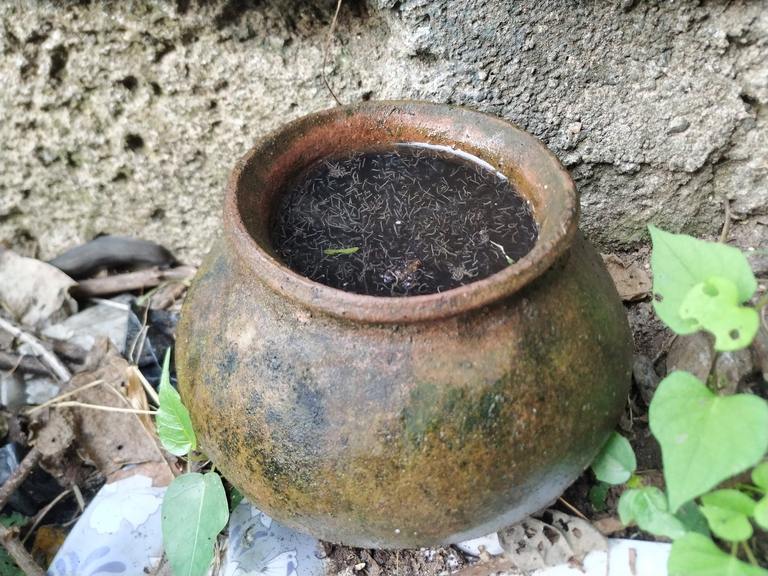
Homeowners often call larvae “wigglers” because of the way they move. If you look closely at still water in a bucket, birdbath, plant tray, or old tire, you may see tiny dark or translucent shapes hanging near the surface, then darting downward when disturbed. That movement is one of the easiest clues that the water is not just dirty, it may be actively producing mosquitoes.
The larval stage matters because it is the point where the problem is still concentrated. Adult mosquitoes fly, hide in vegetation, rest under patio furniture, move between properties, and bite people and pets. Larvae, by contrast, are limited to water. That makes the source easier to find and remove when you know where to look.

Why Mosquito Larvae Matter More Than Most Homeowners Realize
Adult mosquitoes get the blame because they bite, buzz, and ruin evenings outside. But controlling only the flying adults leaves the source intact. If water around the property keeps producing new mosquitoes, relief may be short-lived.
That is why professional mosquito control services should look at more than where mosquitoes are landing. A good mosquito plan considers water sources, shaded resting areas, landscaping, drainage, and the timing of mosquito activity. The goal is to reduce both the adults you notice now and the larvae that could become next week’s bites.
Mosquito larvae are especially important in warm climates because development can move quickly when temperatures, moisture, and organic matter line up. A container that looks harmless after one rainstorm can become productive before the homeowner thinks to check it again. In places with frequent afternoon storms, irrigation, dense landscaping, and year-round humidity, small breeding sites can keep showing up.
What Do Mosquito Larvae Look Like?
Mosquito larvae are small, thin, wormlike aquatic insects. They are usually easiest to see in shallow, still water with a light-colored background. Many appear dark brown, gray, black, or nearly transparent depending on the species, water quality, and lighting.
Look for these signs:
- Tiny wormlike bodies near the surface of still water
- A quick wriggling or jerking motion when the water is disturbed
- Larvae hanging just below the surface rather than swimming like fish
- Groups of small moving shapes in buckets, saucers, birdbaths, drains, or puddled containers
- Pupae that look slightly comma-shaped and tumble through the water
They are easy to miss if you only glance at the water. Stand still for a moment, let the surface calm, and watch the upper layer. If you see movement that disappears downward when you tap the container, you may be looking at mosquito larvae.

Are Mosquito Larvae the Same as Tadpoles?
No. Tadpoles are young amphibians, usually larger, rounder, and more fishlike in their movement. Mosquito larvae are much smaller, more slender, and often hang near the surface. They do not have the same rounded head and tail shape most people associate with tadpoles.
Other small aquatic insects can also live in standing water, so identification is not always perfect from a quick look. Still, if you are seeing tiny wrigglers in stagnant water around the house, that water should be emptied, scrubbed, covered, corrected, or evaluated.
Where Do Mosquito Larvae Hide Around Homes?
The obvious answer is “standing water,” but the useful answer is more specific. Most mosquito breeding sites around homes are small, shaded, and easy to overlook during normal yard work.
Check these common areas first:
- Flowerpot saucers and nursery pots
- Birdbaths and decorative bowls
- Buckets, wheelbarrows, watering cans, and storage bins
- Kids’ toys, playsets, and plastic slides
- Tarps, grill covers, and boat covers with low folds
- Clogged gutters and downspout extensions
- Old tires, lids, and discarded containers
- Pet bowls and outdoor water dishes
- Pool covers, kiddie pools, and neglected fountains
- Drain basins, catch basins, and low spots that hold water
- Tree holes, bromeliads, dense plantings, and shaded landscape pockets
The weekly habit of emptying, scrubbing, turning over, covering, or throwing out water-holding items is one of the most practical steps homeowners can take. Scrubbing matters because some mosquito eggs can stick to container walls and remain after the water is poured out.
Can Mosquito Larvae Grow in Clean Water?
Yes. Mosquitoes do not require water to look dirty before it becomes useful to them. Some species prefer cleaner water, while others tolerate more organic material. A clean-looking plant saucer, rain barrel, fountain edge, or drain can still become a breeding site if water sits long enough.
That is why the best inspection habit is not “look for gross water.” It is “look for water that is not moving, draining, drying, or being properly maintained.”
Why Florida Yards Produce Mosquitoes So Quickly
Florida homeowners deal with a long mosquito season because the climate gives mosquitoes many of the conditions they need: warmth, humidity, rainfall, lush vegetation, and plenty of shaded resting places. Even when a yard is neat, the combination of irrigation, afternoon storms, and dense landscaping can create pockets of moisture.
If you live in a warm, humid service area, a Florida pest control plan often needs to account for local drainage, nearby water, plant density, and seasonal rainfall patterns. A yard near canals, preserves, ponds, marshy ground, or heavy vegetation may experience more mosquito pressure than a drier, more open property.
Mosquitoes are also neighborhood pests. Your yard may be well maintained, but mosquitoes can move in from nearby breeding areas, storm drains, vacant lots, or neighboring properties. That does not mean your efforts are wasted. It means source reduction at home should be paired with realistic expectations and, when needed, professional support.

How Fast Do Mosquito Larvae Become Adult Mosquitoes?
The timeline depends on species, temperature, food, and water conditions. In favorable warm conditions, the full cycle from egg to adult can happen quickly enough that a missed container becomes a recurring source. EPA notes that the mosquito life cycle can range from several days to about a month depending on conditions.
For homeowners, the practical takeaway is simple: check water sources at least weekly, and check sooner after heavy rain, irrigation problems, tropical weather, or yard projects that leave containers outside. Waiting until mosquitoes are biting usually means some breeding has already happened.
Why Does One Small Container Matter?
One small container can matter because mosquitoes do not need much water to start the cycle. A bottle cap, saucer, bucket rim, tarp crease, or clogged gutter section can hold enough water for eggs and larvae. The container may dry later, but if it holds water long enough during warm weather, it can still contribute to the problem.
Small sites also matter because they are protected. A birdbath may be obvious, but water inside a toy, under a pile of leaves, in a blocked gutter, or inside a plant crown may stay shaded and undisturbed. Those quiet areas can support mosquito larvae while the rest of the yard looks dry.
How to Inspect Your Yard for Mosquito Larvae
A good homeowner inspection is slow, methodical, and focused on water. Do it after rain or irrigation, then repeat during dry weather to see which areas continue holding moisture.
Use this simple process:
- Walk the perimeter of the house and look under eaves, downspouts, hose bibs, and gutter outlets.
- Check patios, decks, lanais, outdoor kitchens, and storage areas for containers or covers that collect water.
- Look at plant saucers, pots, bromeliads, dense shrubs, and shaded foundation beds.
- Inspect play areas, pet areas, and lawn equipment storage spots.
- Watch any standing water for movement near the surface.
- Empty and scrub small containers immediately.
- Note fixed areas that cannot be dumped, such as drains, low spots, fountains, ponds, and water features.
If you find repeated breeding sites, write them down. Patterns help. You may discover that one gutter, one irrigation head, one low paver joint, or one shaded side yard is doing more damage than the rest of the property combined.

How to Get Rid of Mosquito Larvae Safely
The safest first step is physical removal. If water can be emptied, empty it. If the container can be scrubbed, scrub it. If the item has no real purpose, remove it from the yard. If it must stay outside, store it upside down or under cover so it cannot collect water again.
For water that cannot be dumped, such as certain ponds, drainage structures, or ornamental features, the next step should be careful and label-directed. EPA explains that larvicides target mosquitoes before they become flying adults, but any product used around the home should be selected and applied according to its label.
Avoid pouring random household chemicals, oils, cleaners, bleach, or pesticides into outdoor water. Those shortcuts can damage plants, harm beneficial organisms, create runoff concerns, or violate product directions. If you are unsure what a water feature needs, ask a qualified professional before treating it.
What Homeowners Should Fix After Finding Mosquito Larvae
Finding mosquito larvae is not just a pest clue. It is also a property clue. It tells you water is sitting somewhere long enough to support life. Once you remove the immediate water, look for the condition that allowed it to collect.
Common fixes include:
- Cleaning gutters so water flows freely
- Adjusting irrigation heads that overspray patios, walls, or plant beds
- Improving drainage in low lawn or paver areas
- Removing yard clutter that traps rainwater
- Trimming dense vegetation to reduce shade and resting sites
- Refreshing birdbaths and water features on a regular schedule
- Repairing torn screens so adult mosquitoes stay outside
- Storing buckets, bins, and toys upside down
This is where a customized pest control program can be helpful. Mosquito pressure is shaped by the property itself: landscaping, moisture, shade, neighboring conditions, drainage, and how the outdoor space is used. A one-size-fits-all approach often misses the source.
When Are Mosquito Larvae a Sign You Need Professional Help?
You do not need a professional for every plant saucer or bucket. Many breeding sites can be handled by a careful homeowner. Professional help becomes more valuable when the problem keeps returning, when the source is not obvious, or when mosquitoes are making outdoor areas difficult to use.
Consider a professional inspection when:
- You keep finding mosquitoes even after dumping visible water.
- Larvae appear in drains, ditches, water features, or areas you cannot easily correct.
- Dense landscaping, heavy shade, or nearby water makes the source hard to isolate.
- Mosquitoes are biting during daytime and evening hours.
- Children, pets, guests, or outdoor workers are frequently exposed.
- You want an ongoing plan instead of repeated short-term fixes.
A trained technician can inspect for hidden breeding sites, identify resting zones, evaluate conditions around the home, and recommend treatments that fit the property. The best plans combine source reduction, habitat correction, larval control when appropriate, and adult mosquito reduction where mosquitoes rest.

Do Mosquito Larvae Mean My Yard Is Dirty?
No. Mosquito larvae mean water is available. Even clean, well-kept homes can produce mosquitoes if water sits in the wrong place. A beautiful garden, shaded lanai, potted plant collection, or decorative water feature can become part of the problem if water is not managed correctly.
This is important because homeowners sometimes feel embarrassed when mosquito activity gets bad. In reality, mosquito control is partly biology and partly property maintenance. The goal is not blame. The goal is finding the water, correcting the condition, and reducing future breeding.
How Mosquito Larvae Fit Into a Complete Mosquito Plan
Larval control is important, but it is not the whole job. A yard can have adult mosquitoes resting in shrubs, under decks, around fences, behind patio furniture, or along shaded foundation areas even after the most obvious water sources are removed.
A complete plan usually includes:
- Source reduction to remove unnecessary standing water
- Drainage and maintenance corrections to keep water from returning
- Larval control for water that cannot be removed
- Vegetation management to reduce shaded resting areas
- Barrier treatments or other professional tools where appropriate
- Screen repair and door habits to keep mosquitoes out of the home
- Ongoing monitoring during warm, rainy periods
For homeowners researching broader pest issues, the pest control resource library can help connect mosquito concerns with other seasonal pests that thrive in warm, damp conditions. Mosquitoes are often part of a larger moisture and landscape story around the home.
Common Mistakes That Keep Mosquitoes Coming Back
Most mosquito problems are not caused by doing nothing. They are caused by doing only part of the job. Homeowners may spray adults but leave water behind, dump containers but forget to scrub them, or clean the patio while ignoring gutters and shaded plant beds.
Avoid these common mistakes:
- Checking only the obvious puddles after rain
- Forgetting plant saucers, bromeliads, and decorative containers
- Letting gutters hold leaves and roof debris
- Assuming clear water cannot produce mosquitoes
- Treating adults without looking for larvae
- Using unsafe household chemicals in outdoor water
- Waiting several weeks between yard checks during rainy weather
- Ignoring neighboring or community sources when pressure is heavy
If your property stays wet or shaded, mosquito prevention has to become a routine. It does not need to be complicated, but it does need to be consistent.
How Often Should You Check for Mosquito Larvae?
During warm, rainy weather, check at least once a week. After heavy rain, tropical storms, irrigation repairs, landscaping work, or pool maintenance, check sooner. Any event that moves containers, creates ruts, clogs drains, or leaves tarps and covers sagging can create new breeding sites.
Homeowners in year-round warm areas should also stay alert outside the traditional summer window. Mosquito activity may slow during cooler or drier periods, but it can rebound quickly when warmth and water return. If you are unsure whether your area is covered, the All U Need Pest Control service areas page can help you confirm local support.
What If You Keep Finding Mosquito Larvae Indoors?
Indoor mosquito larvae usually point to water that has been overlooked. Check vases, plant saucers, pet bowls, utility rooms, floor drains, shower areas, mop buckets, and any containers in garages or laundry rooms. Adult mosquitoes can enter through doors, damaged screens, or garage openings, then use indoor water sources if they are available.
Indoor breeding should be handled promptly because it means the home is giving mosquitoes both access and water. Empty and scrub containers, repair screens, keep doors closed, and address moisture sources. If mosquitoes continue indoors after those steps, a professional pest inspection can help locate hidden resting or breeding areas.

The Bottom Line on Mosquito Larvae
Mosquito larvae are a warning sign and an opportunity. They warn you that mosquitoes are developing nearby, but they also show you where the cycle can be interrupted. Once larvae become adult mosquitoes, they are harder to track and control. While they are still in water, the problem is more visible, more contained, and often easier to reduce.
For homeowners, the most effective mindset is simple: every standing-water source deserves attention. Dump what you can, scrub what needs cleaning, cover what must stay, correct drainage problems, and get help when the source keeps coming back. A yard with fewer breeding sites is a yard with fewer mosquitoes waiting to take over the next warm evening.
Mosquito control works best when it starts before the bites become unbearable. By learning where mosquito larvae hide and how to respond safely, homeowners can make smarter decisions, protect outdoor comfort, and give professional treatments a stronger foundation when they are needed.