Ant Trails Leading Into Your Home: What They Mean and How to Stop Them

Published: June 9, 2026
Introduction
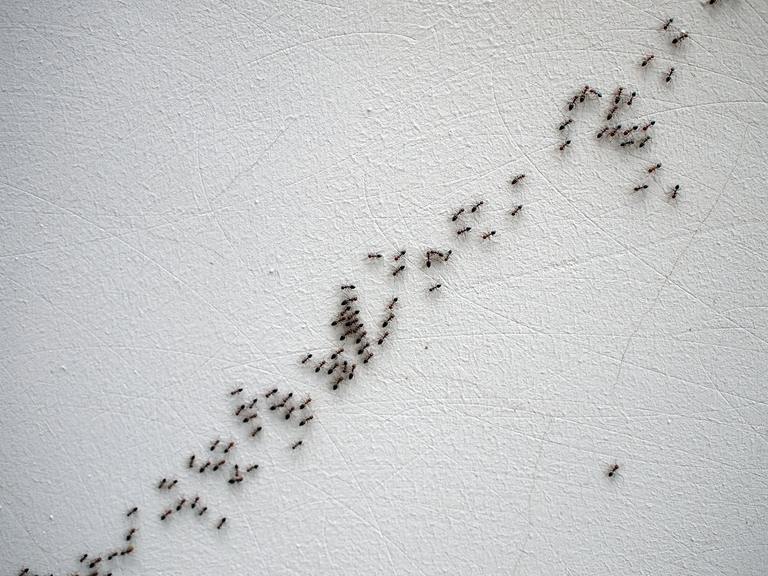
A line of ants marching across the floor, up a wall, or along a window frame is not random. Ant trails are a sign that worker ants have found something useful inside or around your home, usually food, moisture, shelter, or a reliable entry point. Once that route is established, more ants can follow it until a few scattered insects become a steady indoor problem.
If you are wondering how to get rid of ants in the house, the trail itself is one of the best clues you have. It can show where ants are entering, what they are trying to reach, and whether the issue is likely coming from an outdoor nest, a hidden indoor nest, or a moisture problem that needs attention.
Ants are persistent, but they are also predictable. When homeowners understand why ants form trails and what those trails reveal, it becomes much easier to respond in a way that actually reduces the colony pressure instead of just wiping away the ants you can see.

Why Do Ant Trails Lead Into a Home?
Ant trails form because ants communicate through scent. When a scout ant finds food or water, it can leave a chemical trail that other workers follow. Extension experts note that ants often use regular routes between their nest and a resource by creating a chemical pheromone trail. That trail can grow stronger as more ants use it.
In a home, those trails often lead to:
- Crumbs under appliances
- Sticky spills near counters or floors
- Pet food bowls
- Trash cans
- Pantry items that are not sealed tightly
- Sink areas, dishwashers, or leaky plumbing
- Damp walls, trim, or crawl space access points
- Gaps around windows, doors, siding, or utility lines
A visible trail does not always mean the nest is inside. Many household ants nest outdoors and send workers inside to search for food or water. Colorado State University Extension explains that most ants found in homes nest outdoors and enter in search of resources. Still, some ant species can nest indoors, especially when they find moisture, wall voids, or protected cavities.
That is why the route matters. A trail that starts near a patio door and ends at a crumb under the oven tells a different story than ants appearing from an outlet, baseboard gap, bathroom wall, or damp window frame.
How to Get Rid of Ants in the House by Reading the Trail
The first step in how to get rid of ants in the house is not spraying the line of ants. It is studying the pattern.
Watch the trail for a few minutes before disturbing it. Look for ants moving in both directions. One direction usually leads toward the food or water source. The other direction leads back toward the nest or entry point. If you can trace the line backward, you may find the crack, gap, pipe opening, threshold, or foundation area they are using.
Check these common trail routes:
- Along baseboards behind kitchen cabinets
- Around dishwasher, refrigerator, and stove gaps
- Beneath sink cabinets or near plumbing penetrations
- Along sliding glass doors and patio thresholds
- Up exterior walls near vines, shrubs, or tree branches touching the house
- Around window tracks, weather stripping, and weep holes
- Through garage-to-home door gaps
- Near pet feeding areas or stored birdseed
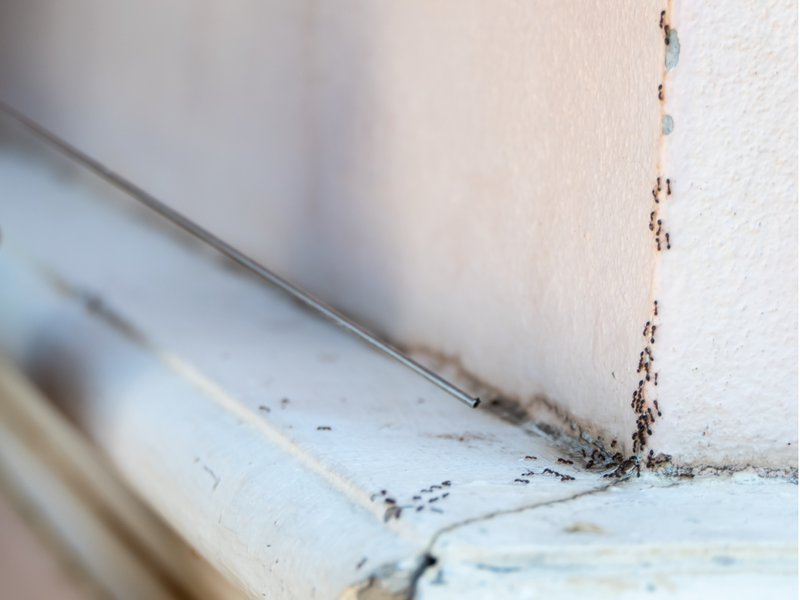
Ant trails often run along edges because ants prefer protected routes. A trail may disappear under a cabinet toe kick, behind a backsplash, into a wall void, or under a door frame. That disappearing point is important. It is often where treatment, sealing, or moisture correction needs to focus.
If the trail is in the kitchen, All U Need Pest Control has a related guide on ants gathering around food prep areas that can help you narrow down the attractant. If the trail is in a bathroom or laundry area, the issue may be tied to moisture rather than crumbs, so it is worth reviewing why ants show up around sinks, tubs, and damp indoor spaces.

What Attracts Ants Indoors?
Ants do not need much to investigate a home. A tiny smear of syrup, a few crumbs, or condensation near a pipe can be enough for scouts to start searching. Once a trail forms, the colony has a route to follow.
Food
Sugars, grease, proteins, and starches can all attract ants. Different species shift food preferences through the season, which is one reason a bait or DIY method that seemed to work one month may fail the next.
Common food attractants include:
- Juice, soda, honey, or syrup residue
- Bread crumbs and cereal dust
- Grease under the stove
- Pet food left out overnight
- Fruit bowls
- Trash can residue
- Pantry items in thin bags or loose boxes
Water
Many indoor ant problems are really moisture problems. A minor leak under a sink, condensation around an appliance, a damp bath mat, or humid wall void can make an area more attractive. Some ants are especially associated with damp wood or water-damaged materials. If ants keep returning to the same bathroom, window, or crawl space wall, look beyond surface cleaning.
For moisture-related ant concerns, All U Need Pest Control’s page on moisture ants and damp indoor conditions can help homeowners understand why water issues matter.
Access
Ants can use very small openings. Gaps around doors, cracks in stucco, loose weather stripping, utility penetrations, roofline gaps, and foundation openings can all give ants a route indoors.
The University of Florida IFAS Extension recommends reducing ant entryways and access to food, including using caulk at potential entry points and starting with the place where the current ant trail enters the house. That is practical advice because a trail is not just a nuisance. It is a map.
Should You Wipe Away an Ant Trail?
Yes, but timing matters. If you wipe the trail before you know where it leads, you may erase your best clue. First, follow the line as far as you can. Then clean the surface with soap and water or a household cleaner to remove food residue and disrupt the scent trail.
Avoid relying on strong repellents, scented oils, or sprays as the only solution. These may scatter ants temporarily, but they rarely solve the colony problem. In some cases, especially with certain species, repellent products can make activity spread into new areas.
A better homeowner sequence is:
- Follow the trail to find the food source and entry point.
- Remove the food, water, or residue the ants are using.
- Clean the trail route to reduce scent cues.
- Seal obvious non-active gaps after the activity is under control.
- Monitor whether ants return in the same spot or shift to a new route.
- Call a professional if trails keep returning, appear in multiple rooms, or seem to come from walls.
How to Get Rid of Ants in the House Without Making the Problem Worse
A common mistake is attacking only the ants you see. Surface sprays can kill visible workers, but the colony may remain healthy and continue sending new ants along the same or nearby routes.
When thinking about how to get rid of ants in the house, focus on the colony system, not just the line of ants. Worker ants are replaceable. The nest, queen, satellite colonies, and outside access points are what keep the problem going.
Do Not Ignore Species Identification
Different ants behave differently. Ghost ants, carpenter ants, fire ants, Argentine ants, pavement ants, and big-headed ants do not all respond the same way to the same treatment. Some prefer sweets. Some shift to proteins or fats. Some nest outdoors. Some may nest in wall voids or damp wood.
For example, small pale ants in kitchens and bathrooms may point toward ghost ant activity, while larger black ants near damp wood, windows, or sawdust-like debris may require a closer look for carpenter ants. If you are seeing large ants plus wood shavings, read more about carpenter ant frass and what it means.
Be Careful With DIY Sprays
Sprays can make homeowners feel like they are doing something decisive, but they often provide short-term relief only. If the active nest is outside, behind a wall, under a slab, or in a protected void, spraying the trail may not reach the source.
A professional approach to ant control services usually starts with inspection and identification. That matters because the right treatment depends on the ant species, trail location, food preference, and nesting behavior.
Do Not Seal Active Ants Into a Wall Too Soon
Sealing entry points is useful, but sealing the only visible opening while ants are actively moving can sometimes push them to appear elsewhere. If ants are using a crack under a baseboard, around a window, or near a pipe, identify the trail and reduce the colony pressure first. Once activity is controlled, sealing and exclusion make more sense.
Where Ant Trails Usually Start Outside
When ants are trailing indoors, the outside of the house deserves just as much attention as the kitchen or bathroom. Many trails begin at a nest in soil, mulch, pavement cracks, lawn edges, potted plants, or landscape beds.
Check around:
- Mulch touching siding
- Tree limbs or shrubs touching the roof or walls
- Irrigation overspray near the foundation
- Gaps under thresholds
- Cracks in patios, driveways, and walkways
- Firewood stacked against the house
- Potted plants near doors
- Utility penetrations for cable, plumbing, or HVAC lines
Ants may travel from a nest to the structure, then move indoors through a tiny gap. If you only clean the counter, the ants may return because the outdoor route is still active.
For broader species and service information, All U Need Pest Control’s ant pest library page explains common ant problems and why different species call for different control strategies.
Why Do Ant Trails Come Back After Cleaning?
If a trail returns after cleaning, one of four things is usually happening.
The food source is still available
Crumbs under appliances, residue inside trash cans, and sticky spills under cabinet lips are easy to miss. Ants can keep returning if the original attractant remains.
The moisture source was not corrected
A damp cabinet, leaking supply line, condensation issue, or wet exterior wall can keep ants interested even if the room looks clean.
The entry point is still open
Cleaning removes scent trails from surfaces, but it does not close the gap that ants are using. If the colony is still nearby, workers may reestablish the route.
The colony was never addressed
A trail is only the visible part of the problem. If the nest remains active, workers will keep searching. This is especially frustrating when ants appear in different rooms on different days.
How Professionals Trace and Treat Ant Trails
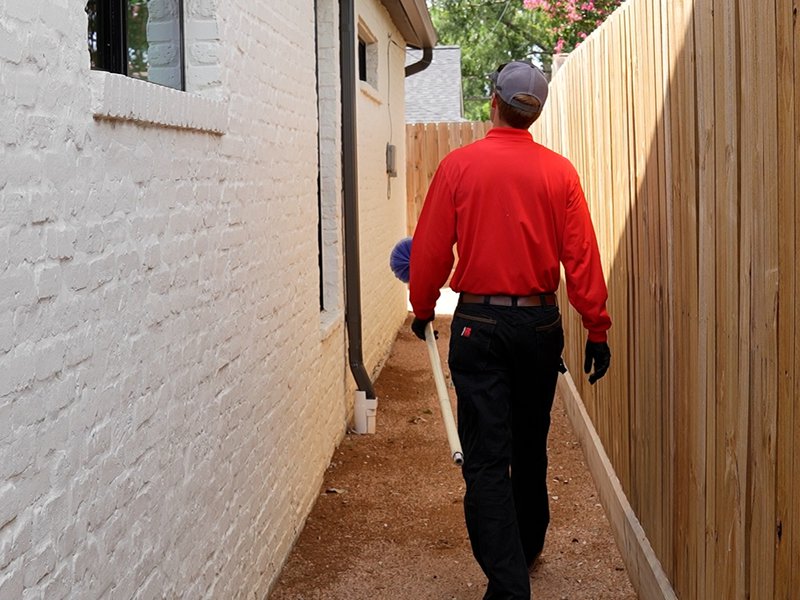
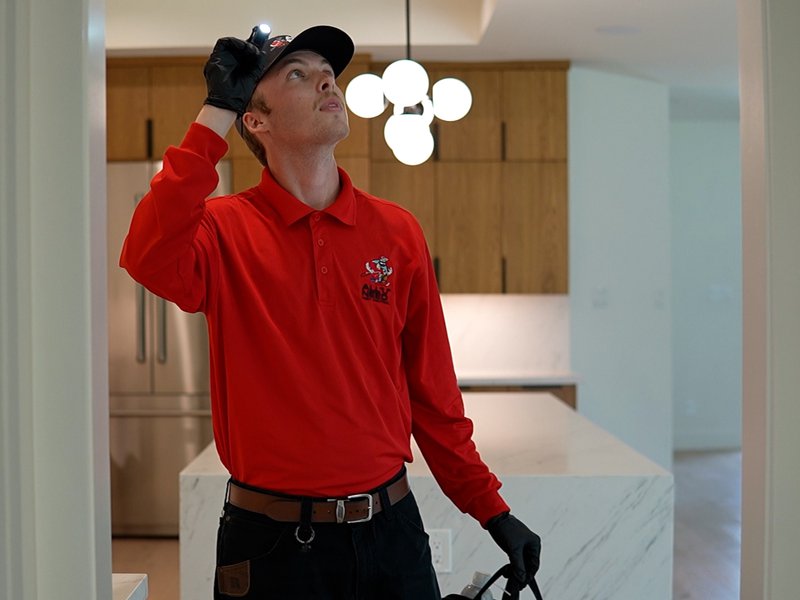
Professional ant control is not simply a stronger version of wiping down the counter. A technician looks for the pattern behind the activity.
That inspection may include:
- Identifying the ant species
- Following trails inside and outside
- Looking for food and moisture sources
- Checking foundation gaps, door thresholds, and utility openings
- Inspecting kitchens, bathrooms, garages, patios, and crawl spaces
- Locating likely nest sites or satellite activity
- Choosing treatment methods that match the species and conditions
Depending on the situation, treatment may involve targeted baits, non-repellent products, exterior perimeter work, nest treatment, sanitation recommendations, exclusion guidance, or follow-up visits. The goal is not just to stop the visible line of ants. It is to reduce the colony activity that keeps sending ants indoors.
How to Prevent New Ant Trails
Prevention works best when it combines sanitation, moisture control, exclusion, and outdoor maintenance. One step alone rarely solves every ant problem.
Use this checklist:
- Store sugar, cereal, pet food, and snacks in sealed containers.
- Wipe counters and floors after food prep.
- Rinse recyclables before storing them.
- Empty trash regularly and clean the can if residue builds up.
- Avoid leaving pet food out overnight.
- Repair plumbing leaks and condensation problems.
- Improve ventilation in damp bathrooms, laundry rooms, and crawl spaces.
- Trim shrubs and branches away from the structure.
- Keep mulch and leaf litter from building up against siding.
- Seal gaps around doors, windows, and utility penetrations after active trails are controlled.
- Schedule professional service when ants return repeatedly or appear in multiple areas.
The most successful prevention plans make the home harder to enter and less rewarding to explore. Ants are efficient. If they cannot find easy food, moisture, or access, the colony has less reason to keep sending workers indoors.
When Should You Call for Help?
A few ants after a spill may not be an emergency. A steady trail, recurring activity, or ants appearing from walls deserves more attention.
Consider professional help when:
- Trails return after cleaning
- Ants appear in more than one room
- Ants are coming from outlets, wall gaps, or ceiling areas
- You see large black ants indoors
- There is sawdust-like debris near wood
- Ants are linked to damp trim, leaks, or soft wood
- DIY sprays only move the activity around
- You cannot find the entry point
- Ants are trailing near food storage, children’s areas, or pet bowls
Professional service is especially important when species identification affects treatment. The wrong product in the wrong place can waste time and make the trail harder to interpret.
Final Thoughts on Ant Trails Leading Into Your Home
Ant trails are frustrating, but they are also useful. They show that ants have found a route, and that route can help reveal the food, water, entry point, or nesting condition behind the problem.
If you are trying to understand how to get rid of ants in the house, start by reading the trail before removing it. Follow the ants, clean the route, remove attractants, correct moisture, and seal gaps once activity is under control. If the trail keeps returning, the issue is likely bigger than the workers you can see.
A thoughtful inspection and targeted treatment plan can turn a confusing ant problem into a manageable one. The sooner the source is identified, the easier it is to stop the trail from becoming a larger indoor infestation.