
Introduction
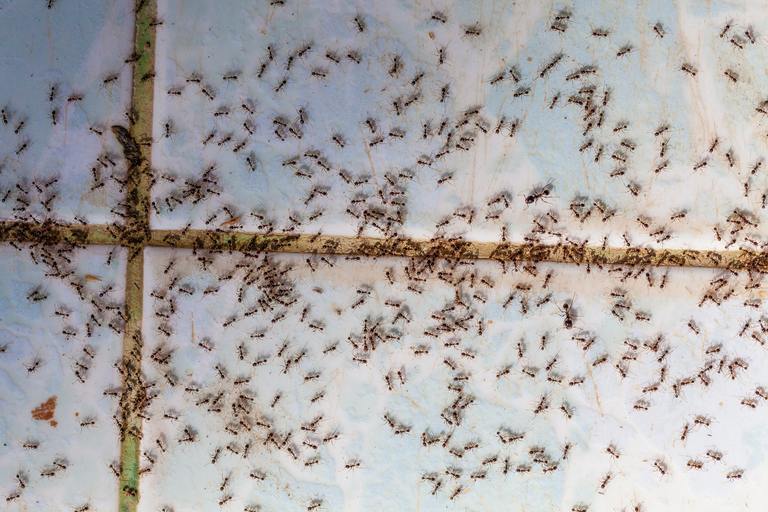
If you have ever noticed tiny yellowish ants near a damp baseboard, under a bathroom sink, or around a crawl space entry, you may be dealing with moisture ants. They are not the most talked-about household ant, but they are one of the most revealing. In our work, these ants often point to a bigger issue than the insects themselves. They usually show up where wood stays wet, where humidity lingers, or where a leak has quietly been feeding the problem for a while.
That makes moisture ants important for homeowners to understand. They can be a nuisance on their own, but they also act like a warning light. When they move indoors, it is often because something around the structure is staying too damp for too long. That could mean decaying wood, poor drainage, a plumbing leak, or a crawl space that is holding moisture instead of drying out properly.
This is why a moisture ant problem should never be treated as just another trail of kitchen ants. It deserves a closer look, especially in warm, humid regions where pest pressure and moisture problems often overlap. That matters for homeowners in Florida, where published pest-control range information includes the state, and for moisture-prone parts of Texas, especially humid eastern and southeastern areas where damp structural conditions can create the same kind of nesting opportunity. If you are already dealing with recurring ant activity, professional ant control services can help identify whether the real issue is a hidden nest, a structural moisture condition, or both.
What are moisture ants?
Moisture ants are small ants that prefer damp, decaying, or moisture-damaged wood. Washington State University notes that they commonly nest in wet, rotting wood or soil and are considered indicators of moisture-related conditions rather than pests of dry, sound wood. In practical terms, that means they often show up where a home has a water issue that has not been fully corrected.
Homeowners sometimes confuse them with other small indoor ants, especially yellow ants or citronella ants. They may also be mistaken for termite activity because they can push up bits of soil or appear around damaged wood. That is one reason correct identification matters. If an ant problem is really tied to wet wood, the solution needs to go beyond wiping trails or spraying a few visible insects.
Unlike termites, moisture ants do not eat wood. They excavate soft, damp material to create nesting space. That difference matters, but so does the similarity. Both pests tend to be associated with wet conditions that can damage a home over time.
Why do moisture ants come inside?
The short answer is moisture. The longer answer is that moisture ants usually come inside because a structure is giving them exactly what they need:
- Damp wood
- Hidden voids with elevated humidity
- Nearby soil contact
- Easy access through cracks, utility openings, and gaps
- Food sources once they begin foraging indoors
For homeowners, the indoor trigger is often one of a few predictable conditions:
Leaks around plumbing
Bathrooms, kitchens, laundry areas, and wall voids near pipes are classic problem zones. A slow leak behind a vanity or inside a wall can create the softened wood and steady humidity moisture ants like.
Crawl space humidity
A damp crawl space gives ants protected shelter and a reliable moisture source. Cornell’s guidance on moisture-related pest problems makes the broader point well: in many homes, the moisture is the real problem and the pests are the symptom.
Wood that stays wet after rain
Window trim, porch framing, deck attachments, siding edges, and door frames can all hold moisture when drainage is poor or caulking has failed. Once wood starts to soften, ants have a much easier place to settle.
Landscaping and wood-to-soil contact
Mulch piled too high, wood touching the ground, or dense plants trapping moisture against the foundation can all help create favorable conditions outdoors before ants move inward.

How can you tell if you have moisture ants?
Moisture ants are easy to miss at first because they are small, and homeowners usually notice the setting before they notice the species. In other words, people often say, “I found ants near a damp area,” long before they say, “I know exactly what kind of ants these are.”
Here are some signs that point in the right direction:
- Small yellowish to light brown ants in or around damp areas
- Activity near bathrooms, sinks, crawl spaces, or water-damaged trim
- Ants trailing along baseboards after heavy rain or humid weather
- Soil or debris appearing from cracks near slabs or foundations
- Soft, decayed, or discolored wood near the activity
- Recurring ant sightings even after cleaning up visible trails
If the ants are turning up around sweet foods, kitchen counters, or sink areas, that does not rule moisture ants out. They often forage indoors once a colony is established nearby. Still, species-level identification matters because treatment can change depending on whether you are dealing with ghost ants, carpenter ants, or another ant entirely.
That is also why it helps to compare the situation against other ant problems homeowners already recognize. If the activity is centered in kitchens or bathrooms, resources like why ants show up in homes and how to get rid of ants in a bathroom can help you understand the broader patterns. The difference with moisture ants is that you also have to ask what is staying wet nearby.
Are moisture ants dangerous to your home?
Usually, the biggest risk is what they reveal rather than what they destroy by themselves.
Moisture ants can tunnel into damp, decayed wood, but they are not usually the main cause of structural damage. The more serious concern is that their presence often means moisture damage has already started. If wood around a window, tub, sill plate, porch, or crawl space has stayed wet long enough for ants to move in, there is a good chance the area already needs repair.
That is why we tell homeowners not to stop at surface treatment. Spraying visible ants may reduce activity for a short time, but it does not correct the leak, trapped humidity, or rotting wood that attracted them in the first place.
In some homes, moisture ants also create confusion with more destructive pests. Carpenter ants are another wood-associated species that prefer damp or compromised wood, and termites are often active in the same high-moisture environments. If you are seeing wood damage, frass-like debris, mud-like material, or winged insects, it is worth reviewing the difference between carpenter ants and termites and paying attention to other termite warning signs tied to chronic moisture.
What do moisture ants mean about your house?
This is the question most homeowners really want answered.
If you are seeing moisture ants indoors, it usually means at least one of the following is true:
- There is a leak you have not found yet.
- There is wood that has stayed wet long enough to soften or decay.
- Your crawl space, wall void, or attic has poor ventilation and elevated humidity.
- Exterior conditions are keeping moisture too close to the structure.
That is why moisture ants can actually be useful in one sense. They often show up before a homeowner has fully recognized the extent of a moisture issue. They are unpleasant, but they can alert you to a problem that deserves attention before repairs become more expensive.
The University of Minnesota’s guidance on controlling moisture problems in the home recommends identifying and removing the moisture source first, then improving ventilation or dehumidification if needed. That same logic applies here. Pest control and moisture control work best together, not separately.
Where are moisture ants most likely to nest?
When we inspect homes with this kind of ant activity, a few areas come up again and again:
Around tubs, showers, and bath traps
These are some of the most common indoor nesting zones because leaks can stay hidden for a long time.
Window and door frames
Failed caulk, poor flashing, or repeated rain exposure can keep trim damp enough for ants to move in.
Crawl spaces
A crawl space with wet soil, poor airflow, or missing vapor protection can support long-term pest pressure.
Behind siding and exterior trim
If water is getting behind exterior materials, ants may nest there before moving into adjacent voids.
Decks, porches, and steps
These areas often hold moisture where wood meets soil or where drainage is poor.
Near old stumps, woodpiles, or landscape timbers
Outdoor nesting sites close to the home can support foraging indoors, especially when conditions stay damp.
In Florida, these nesting patterns often line up with long humid stretches, storm-driven wetting, irrigation-heavy landscaping, and crawl space or soffit moisture that does not dry quickly. In Texas, especially humid eastern markets, similar issues can show up around slab transitions, bathrooms, utility penetrations, attached decks, and older trim that has taken on repeated water exposure.
This overlap with other ant species is one reason broader ant pest library resources are helpful. Moisture ants are not always the only colony on a property, and homes with one conducive condition often support several pest types over time.

Can you get rid of moisture ants without fixing the moisture?
Not reliably.
You might kill the ants you can see. You might even knock back foraging activity for a while. But if the wood is still wet, the void is still humid, or the leak is still active, the conditions that support the infestation remain in place.
That is the trap many homeowners fall into with DIY ant treatments. The visible insects go quiet for a week or two, and it feels like the problem is solved. Then the ants return because the nest site never became less attractive.
The most effective response usually has two parts:
- Correct the moisture issue.
- Treat the ant activity at the nest and entry level.
If either part is missing, the results are often temporary.
What should homeowners do first?
Start with inspection, not panic.
Here is a practical first-response checklist if you suspect moisture ants:
- Check under sinks, around tubs, behind toilets, and near water heaters for leaks.
- Look for soft wood, bubbling paint, staining, or musty odors around the activity.
- Inspect window sills, door frames, and exterior trim for rot or repeated moisture exposure.
- Look in crawl spaces for wet soil, condensation, standing water, or missing vapor barriers.
- Pull mulch back from the foundation and note any wood touching the soil.
- Clean visible ant trails, but do not assume cleaning alone will solve the issue.
- Avoid relying only on over-the-counter sprays if the ants keep returning.
If the ants are clearly concentrated in a moisture-prone area, that is your signal to think beyond surface control.
When should you call a professional for moisture ants?
There are a few moments when professional help makes sense quickly:
The ants keep coming back
Recurring activity usually means the colony has a stable nesting site nearby.
You suspect hidden water damage
If the ants are turning up near damp drywall, swollen trim, soft flooring, or a musty wall void, the issue is no longer just a nuisance.
You are not sure whether they are ants or termites
Misidentification costs homeowners time. It can also delay repairs when a wood-destroying pest is involved.
There are multiple ant hotspots
That can suggest outdoor nesting, satellite nesting, or more than one contributing condition.
The home has a crawl space or chronic humidity problem
These situations often need a more complete plan than basic spot treatment.
A professional inspection can help determine whether the right next step is moisture correction, exclusion work, targeted ant treatment, wood replacement, or a combination of all four. In many cases, that is far more efficient than cycling through repeated DIY products that do not reach the source.

How do you prevent moisture ants from coming back?
Prevention comes down to making your home less damp, less accessible, and less attractive.
Here are the steps that matter most:
Reduce moisture at the source
Fix plumbing leaks promptly, improve ventilation, use dehumidification where needed, and correct drainage problems that keep water close to the home.
Repair damaged wood
If trim, framing, or other wooden elements have rotted or softened, replacement may be necessary. Ant treatment alone cannot reverse damaged materials.
Improve crawl space and exterior conditions
Use proper vapor protection where appropriate, keep gutters flowing, direct downspouts away from the foundation, and avoid piling mulch or soil against siding.
Seal entry points
Gaps around pipes, utility penetrations, doors, and windows give ants an easy route inside.
Manage nearby ant pressure
Some homes deal with more than one ant type at a time. If you are seeing multiple species or persistent moisture-related activity, it helps to understand how other common infestations behave, from ghost ants to larger wood-associated ants such as carpenter ants.
Why moisture ants deserve attention even if they seem minor
One of the biggest mistakes homeowners make is treating moisture ants like a small annoyance because the ants themselves are small. In reality, small ants can be the visible part of a much larger maintenance issue.
They may be telling you:
- a tub or sink area has been leaking
- a crawl space is holding too much humidity
- a window assembly has failed
- a porch or deck detail is trapping water
- wood near the structure is decaying
When handled early, these problems are usually more manageable. When ignored, they can lead to more expensive repairs and sometimes invite additional pests.
That is really the right way to think about moisture ants. They are not just a pest to eliminate. They are a sign to investigate the conditions around them carefully and respond before the problem spreads.

The bottom line on moisture ants
Moisture ants usually show up for a reason, and that reason is almost always worth finding. If they are inside your home, there is a good chance damp wood, trapped humidity, or a hidden leak is helping them stay there. Getting rid of the ants matters, but getting rid of the moisture issue matters more.
For homeowners in Florida, that often means paying close attention to persistent humidity, repeated rain exposure, wet exterior trim, and crawl space conditions. For homeowners in Texas, especially more humid eastern parts of the state, it means taking recurring ant activity near plumbing lines, bathrooms, laundry rooms, and damp wood seriously rather than assuming it is just a minor nuisance.
The smartest move is to treat ant activity and moisture conditions as part of the same problem. The sooner you identify where the water is coming from and how the ants are using that area, the easier it is to protect the home and prevent repeat infestations.
If the signs point to recurring indoor activity, damaged wood, or possible confusion with termites or carpenter ants, professional evaluation is the safest next step. A careful inspection can tell you whether you are looking at a simple nuisance issue, a hidden moisture condition, or the early signs of something more costly.