
Introduction
If you are researching mosquito treatment for yard spaces and want something more strategic than a quick spray, mosquito stations are worth understanding. What makes them appealing is simple: instead of only killing mosquitoes where a technician can see them, they are designed to help interrupt mosquito activity beyond the most obvious trouble spots.
That idea gets attention because it speaks to one of the hardest parts of mosquito control. Homeowners can dump water from planters, clean gutters, and trim dense landscaping, but mosquitoes still seem to come back. That happens because breeding sites are often scattered, small, and easy to miss. A smart outdoor program has to do more than knock down the adults flying around your patio today. It has to interrupt the next wave.
Product guidance for these mosquito stations explains that they are designed to affect adult mosquitoes and help prevent larvae from developing into biting adults. They are also presented as always-on, low-maintenance tools for outdoor spaces like yards, gardens, patios, decks, and other mosquito-prone areas. For homeowners, the practical question is not whether the concept sounds innovative. The real question is whether mosquito stations make sense as part of a complete plan for your property.

Why does mosquito treatment for yard problems need more than a quick spray?
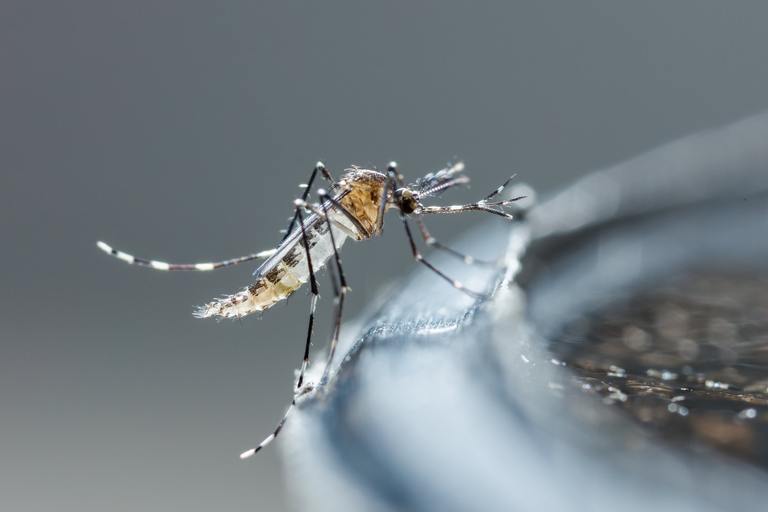
Mosquitoes are frustrating because they do not spend their whole life in one obvious place. Adults rest in cool, shaded, humid areas around shrubs, under decks, behind planters, and near dense vegetation. Eggs, larvae, and pupae develop in water, often in places that are surprisingly small and easy to overlook.
The CDC recommends that homeowners empty and scrub, turn over, cover, or throw out items that hold water once a week. That includes tires, buckets, toys, birdbaths, flowerpot saucers, and trash containers. The EPA also explains that larvicides target larvae in breeding habitats before they mature and disperse as adult mosquitoes. In other words, serious mosquito control works best when it tackles more than one life stage.
That is why a layered approach matters. A homeowner may remove standing water and still have adults flying in from neighboring properties. A technician may apply an adult treatment and still have new mosquitoes emerge from hidden sites a few days later. The most reliable outdoor programs combine inspection, source reduction, larval control, and adult control based on how mosquitoes actually behave. That is also why how pest control works is usually less about one magic product and more about matching methods to the pest's life cycle.
What are mosquito stations, exactly?
At a homeowner level, the easiest way to understand mosquito stations is to think of them as targeted outdoor mosquito devices that work with mosquito behavior, not against it.
According to the source material behind this draft:
- Female mosquitoes are attracted to the station.
- When they land inside, they pick up control agents.
- They leave the station carrying those materials.
- They contaminate breeding sites elsewhere.
- Adult mosquitoes are also affected after contact.
Two features stand out. First, the stations are described as helping extend control into places professionals may not be able to directly reach. Second, they are designed to target both adults and immature mosquitoes rather than relying on a single-stage approach.
That is a meaningful distinction. A lot of mosquito frustration comes from control efforts that only focus on what you can see right now. If adults are knocked down but hidden breeding sites remain active, the relief may be short-lived. A device built to interrupt future generations can strengthen the overall program.
How do mosquito stations fit into mosquito treatment for yard plans?
The strongest case for mosquito stations is not that they replace every other service. The strongest case is that they can support mosquito treatment for yard areas where hidden breeding pressure keeps rebuilding the population.
The source material says mosquito stations can be used as a standalone option or alongside adulticide treatments for broader, longer-lasting coverage. That is an important point for homeowners. It suggests the system is not meant to be treated like a novelty gadget you drop in the yard and forget forever. It is better understood as one tool in a larger professional strategy.
A solid yard plan might include:
- Inspection of shaded resting areas, drainage patterns, and likely breeding sites
- Elimination of obvious standing water around the home
- Targeted treatment of larval habitats that cannot be removed
- Adult mosquito reduction in active resting zones
- Proper placement and servicing of mosquito stations where they can do real work
That kind of layered thinking lines up with the CDC's explanation that integrated mosquito management uses a combination of methods to prevent and control nuisance mosquitoes and mosquitoes that spread disease.
For homeowners who already know they have recurring mosquito pressure, especially around landscaping, hard-to-reach wet spots, or neighboring properties, mosquito stations make the most sense when they are used to expand coverage beyond the obvious hotspots.

What should homeowners pay attention to before using mosquito stations?
Several details in the source material stand out because they translate directly into real-world expectations.
1. They are built for continuous outdoor use
The stations are described as creating a 24/7 control system. That matters because mosquitoes do not operate on your schedule. They rest, feed, and lay eggs whether you are outside or not. Continuous coverage can help reduce the gap between service visits.
2. They are designed to reach hidden breeding sites indirectly
This is one feature that makes mosquito stations different from a standard spray-only mindset. The source material says mosquitoes can carry control out of the station and into breeding sites. For properties with inaccessible or overlooked water sources, that is a practical advantage.
3. They target important nuisance mosquito groups
The source material says the stations target Aedes and Culex mosquitoes. That matters because these are important nuisance and public health species. Culex mosquitoes are associated with larger standing-water habitats, while Aedes mosquitoes are notorious for using containers around homes. The CDC notes that Aedes mosquitoes lay eggs on the inner walls of containers that hold water, which helps explain why container-heavy yards can stay active even when homeowners think they have cleaned up thoroughly.
4. They are low-maintenance, not no-maintenance
The source material says the stations are durable, quick to install, require no batteries, and need no power. That is appealing, but homeowners should hear the second half of that message too. Low-maintenance is not the same as maintenance-free. Placement, inspection, refill or replacement timing, and overall program evaluation still matter.
5. They still have service timing limits
The source material states that the station system can prevent emergence of adult Aedes mosquitoes for up to 8 weeks and Culex mosquitoes for up to 4 weeks before replacement is needed. For homeowners, that is useful because it sets expectations. Any station-based system still needs regular professional attention to keep performing as intended.
Who are mosquito stations a good fit for?
For homeowners comparing mosquito treatment for yard options, mosquito stations are usually most appealing when mosquito pressure is persistent, outdoor living space matters, and the property has conditions that support hidden breeding.
They can be a strong fit for:
- homes with dense landscaping and shaded resting areas
- properties near ponds, drainage swales, or water-holding features
- patios and decks that become hard to use during mosquito season
- yards where mosquito activity rebounds quickly after standard treatments
- households looking for a lower-labor station system without power cords or batteries
They may be especially useful for people who are tired of seeing temporary improvement followed by another surge. The more a property has scattered micro-habitats and recurring breeding pressure, the more helpful an added layer of control can be.
This also connects naturally with mosquito control services that focus on inspection, treatment, and ongoing prevention rather than one-time guesswork.
What can homeowners realistically expect?
The best mosquito treatment for yard results come from realistic expectations, not miracle claims. Mosquito stations can improve a professional program, but they will not erase every mosquito overnight or make source reduction irrelevant.
Homeowners should expect them to help with:
- reducing future mosquito emergence from hard-to-find breeding areas
- adding continuity between scheduled service visits
- strengthening a broader mosquito control plan
- supporting outdoor comfort over time, not just the same day
Homeowners should not expect them to:
- solve heavy mosquito pressure with zero inspection or upkeep
- compensate for major standing-water problems around the property
- replace every other mosquito control method in every situation
- overcome neighboring breeding sources without a broader strategy
That distinction matters. Good pest control is rarely about one product doing everything. It is about building a program where each piece handles a different part of the problem. If you browse the Florida pest library, you will notice the same pattern across many pests: the more you understand behavior and habitat, the more effective the treatment plan becomes.
Are mosquito stations enough for complete mosquito treatment for yard coverage?
Usually, no, not by themselves.
That does not mean they are weak. It means mosquito control is bigger than any single piece of equipment. Even the CDC's public guidance combines water management, larval control, and adult control. A well-run station program can be a strong part of the answer, but it still works best when paired with common-sense property management and professional oversight.
Here are the support steps that still matter:
Reduce what you can
Walk the property weekly and look for anything that can hold water. Gutters, toys, tarps, drainage trays, buckets, and plant saucers are all common trouble spots. Even if mosquito stations are in place, removing easy breeding sites makes the whole program stronger.
Treat what you cannot remove
Some water sources cannot simply be dumped or covered. That is where professional larval control becomes important. The EPA's guidance on larvicides supports this kind of targeted approach when breeding water cannot be eliminated.
Keep adult resting zones in mind
Mosquitoes hide in dark, humid, protected spaces. Dense shrubs, low tree canopies, and cluttered corners near patios often stay active even when the lawn looks clean. A full outdoor plan should address those zones too.
Reassess when pressure changes
Heavy rain, irrigation issues, seasonal heat, and nearby unmanaged properties can all change mosquito activity. A station system that worked well in one part of the season may need support from broader service adjustments later on.
That is why many homeowners benefit from reading frequently asked pest control questions or reviewing our process before assuming any mosquito treatment should be set-and-forget.

What makes mosquito stations different from ordinary yard gadgets?
The mosquito market is full of products that promise easy relief. Some are little more than convenience items. Others can help in a narrow way but do not address the full problem. Mosquito stations stand out because their design is tied to mosquito biology, especially where females go to lay eggs and how populations rebuild.
That makes them closer to a professional control tool than a typical impulse-buy yard gadget.
A few practical differences:
- They are designed around mosquito behavior, not just repelling human contact.
- They aim at both adult and immature stages.
- They can support hidden-site control through mosquito movement.
- They fit recurring service models better than one-time consumer products.
- They do not require electricity or daily homeowner effort.
For homeowners who already invest in lawn pest control or broader exterior protection, that kind of system-based tool often makes more sense than trying another short-lived workaround.

Should homeowners be excited about mosquito stations?
Yes, but in the right way.
The value of mosquito stations is not that they change the laws of mosquito control. Their value is that they apply those laws in a more useful way. Mosquitoes breed in hidden places. They rebound fast. They use both obvious and overlooked habitat. A station system that helps move control pressure into those hidden spaces can be a very smart addition to the program.
For many properties, mosquito treatment for yard success comes from stacking methods that each solve a different part of the mosquito problem. Mosquito stations appear to be strongest when used that way: not as a gimmick, not as a shortcut, but as part of a thoughtful mosquito plan built around inspection, habitat correction, larval interruption, and adult reduction.
That is the real takeaway for homeowners. If your yard keeps producing mosquitoes faster than basic prevention can keep up, mosquito stations may be worth considering. Just make sure they are part of a complete strategy, because that is where better long-term relief usually comes from.