7 Common Mosquito Myths That Are Keeping Them in Your Yard

Published: May 4, 2026
Introduction
Mosquitoes inspire a lot of confident advice, and a surprising amount of it is wrong. Homeowners who are trying to figure out how to keep mosquitoes away often end up following tips that sound practical but barely reduce the problem.
That is part of what makes mosquitoes so frustrating. You light the candles, plug in a gadget, spray part of the yard, and still wind up swatting at your ankles by sunset. Usually, the issue is not that mosquitoes are impossible to control. It is that a handful of popular myths keep people focused on the wrong fixes while the real breeding and resting spots go untouched.
If you want a more comfortable yard, it helps to be a little contrarian here. Some of the most common mosquito advice is exactly what keeps mosquito pressure going.
Why do mosquito myths keep spreading?
Most mosquito myths survive because they contain a sliver of truth.
A citronella candle may help in a tiny area. A bug zapper does kill insects. Many mosquitoes do become more noticeable in the evening. A neatly maintained yard does remove some harborage. But mosquito control falls apart when homeowners mistake a partial truth for a complete strategy.
Mosquitoes need standing water to reproduce. They need cool, shaded, humid places to rest during the day. They need easy access to people and pets for blood meals. If your property provides those things, mosquitoes can keep cycling through the yard even when you are “doing something.”
That is why the most useful answer to mosquito prevention and treatment options is usually not one product or one trick. It is a layered plan built around mosquito behavior.

Myth 1: Citronella candles are enough to protect your yard
This is one of the most common mosquito myths because it feels simple and believable.
Citronella candles can create a little localized relief when the air is still and people are gathered close by. But that is very different from actually controlling the mosquito population in your yard. Purdue Extension notes that citronella candles have limited effectiveness outdoors because wind movement quickly disrupts the repellent effect.
That means citronella may help at the table for a short window, but it does not solve the larger mosquito problem around your property.
Here is what citronella candles do not do:
- They do not eliminate breeding sites.
- They do not reduce larvae in standing water.
- They do not treat shrubs, shaded corners, or damp resting zones.
- They do not provide consistent protection across the whole yard.
This matters because homeowners who rely on citronella often feel like they are being proactive while mosquitoes continue breeding just a few feet away. If you really want to understand how to keep mosquitoes away, you have to think beyond the patio surface. Mosquitoes are not just hovering over your outdoor table. They are often resting in vegetation, reproducing in hidden water, and reappearing as soon as the candle burns down.

Myth 2: Mosquitoes only come out at night
This myth causes a lot of people to let their guard down during the day.
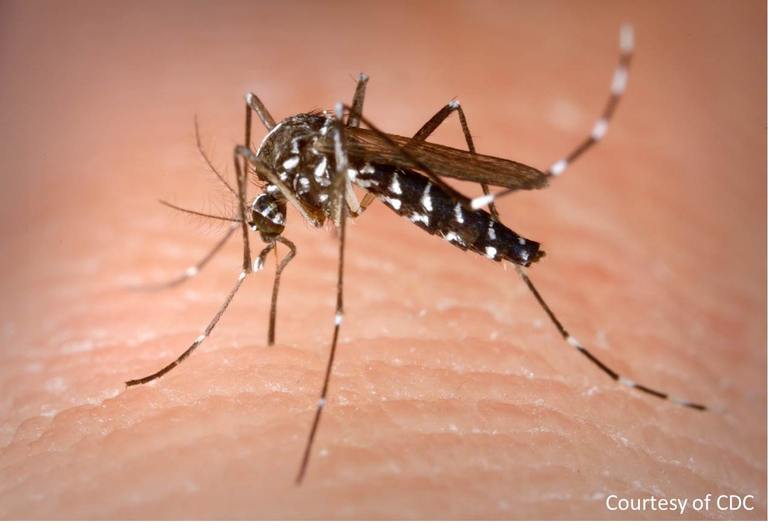
Yes, some mosquito species are more active in the evening or overnight. But mosquitoes are not strictly a night-only pest. The CDC explains that mosquitoes bite during both the day and night, and species such as Aedes aegypti are known for aggressive biting around dawn and dusk.
That matters because those are exactly the hours many families are outside:
- Walking dogs in the morning
- Watering plants after work
- Letting children play outside before dinner
- Sitting on the patio at sunset
A daytime bite problem does not mean you are imagining things. It usually means mosquito pressure is already established in the yard.
This myth also creates a second problem. If mosquitoes are active earlier than expected, homeowners may assume the issue must be gnats, no-see-ums, or “just a few random bugs.” That delay gives the population more time to build.
If your family is getting bitten in the morning, late afternoon, or early evening, that is still part of the mosquito story. A yard does not have to wait for darkness to become mosquito-friendly.
Myth 3: Bug zappers solve the problem
Bug zappers are one of the best examples of a product that looks more effective than it is.
They crackle. They flash. They kill insects. Homeowners see and hear activity, which creates the feeling that the problem is being handled. But mosquito control is about targeting the insects that are actually biting and reproducing, not just electrocuting whatever flies into a light.
Purdue Extension reports that ultraviolet bug zappers are ineffective for reducing mosquito populations and mosquito biting activity. Orkin makes the same point in more consumer-friendly language, explaining that mosquitoes are not strongly attracted to light the way many other insects are. They respond much more to carbon dioxide, body heat, and body odors.
So what are bug zappers actually doing in many yards?
Mostly this:
- Killing non-target insects
- Creating a false sense of progress
- Leaving biting female mosquitoes largely unaffected
That is exactly why targeted systems make more sense than novelty gadgets. At All U Need Pest Control, our Mosquito Bay stations are designed around mosquito behavior rather than spectacle. Instead of trying to zap any random flying insect, they are meant to attract egg-laying female mosquitoes and disrupt the breeding cycle in a more strategic way. That makes them far more useful in a long-term mosquito program than a porch gadget that sounds busy but does not meaningfully reduce biting pressure.
For homeowners trying to understand how to keep mosquitoes away, this is an important mindset shift. The best mosquito tools are not always the loudest or most visible. They are the ones built around how mosquitoes actually live, breed, and move through a yard.

If you want to know how to keep mosquitoes away, stop looking for a silver bullet
This is where many mosquito control efforts go sideways.
Homeowners often expect one product to do the work of an entire system. They want one candle, one spray, one trap, or one gadget to solve the issue. But mosquitoes are not a one-variable pest. They respond to water, heat, humidity, shade, air movement, nearby hosts, and even neighboring properties.
That is why mosquito control works best when it combines several things at once:
- Breeding site reduction
- Resting area management
- Personal protection
- Targeted treatment
- Ongoing monitoring
When one of those pieces is missing, the population usually rebounds.
Myth 4: If you do not see standing water, you do not have a mosquito problem
A lot of homeowners picture mosquito breeding as a pond, swampy ditch, or obvious puddle sitting in plain sight.
In reality, mosquitoes can breed in surprisingly small water sources. The CDC recommends emptying and scrubbing, turning over, covering, or throwing out items that hold water at least once a week because even small containers can support mosquito development.
That includes places homeowners often overlook, such as:
- Flowerpot saucers
- Gutters clogged with debris
- Buckets and toys
- Folded tarps
- Birdbaths
- Pet bowls
- Wheelbarrows
- Pool covers
- Decorative containers
- Low spots in the lawn after rain
This is where many mosquito problems hide. The yard looks dry from the patio, but there are a dozen small water sources supporting the next generation.
In storm-prone, humid climates, this becomes even more important. A yard may go from manageable to miserable after a single rainy week. That is why seasonal mosquito pressure in warm, wet conditions can build so quickly around homes that otherwise seem well cared for.
Myth 5: One yard spray will fix the issue for the whole season
This myth usually starts after a homeowner gets one good week of relief and assumes the problem is solved.
A mosquito treatment can absolutely reduce activity. But that does not mean the property is protected for the rest of the season. Mosquitoes reproduce quickly, and new adults can emerge fast when weather conditions stay favorable. Rain, irrigation, nearby breeding sources, and dense vegetation can all help the population rebound.
That is why one treatment is rarely the whole answer.
A better approach is ongoing mosquito management that looks at:
- Weather patterns
- Property conditions
- Vegetation density
- Water sources
- Rebound timing
- Where people are getting bitten most often
This is also where professional service plans tend to outperform one-off DIY attempts. A properly designed mosquito control program for the home is usually built around inspection, timing, and follow-up rather than a single knockdown treatment and wishful thinking.
Myth 6: A neat-looking yard is basically a mosquito-free yard
A tidy yard can help, but it is not the same as a mosquito-resistant yard.
Short grass, trimmed beds, and less clutter may reduce some pest pressure. But mosquitoes do not need a jungle. They only need enough moisture, shade, and breeding opportunity to stay active. That means a beautiful yard can still be a mosquito-friendly yard.
Common examples include:
- Dense ornamental shrubs that stay humid underneath
- Mulch beds that hold moisture
- Fence lines with weak airflow
- Decks with cool shaded space beneath them
- Irrigation that keeps parts of the landscape damp
- Neighboring yards that contribute mosquito pressure
This myth is tricky because appearance creates confidence. A homeowner sees a clean lawn and assumes mosquitoes should not be a problem. Meanwhile, the real issue may be hidden in the planting beds, the gutter line, or the damp edge behind the fence.

What should homeowners look for instead?
Instead of asking whether the yard looks neat, ask whether it functions like mosquito habitat.
Walk the property with these questions in mind:
- Where does water collect after rain?
- Which parts of the yard stay shaded and humid during the day?
- Where do family members get bitten most often?
- Are there dense shrubs near patios or play areas?
- Are gutters draining properly?
- Is there weak airflow around outdoor seating?
That kind of inspection usually reveals much more than a quick glance across the lawn.
Myth 7: If you are still getting bitten, nothing really works
This is the myth that makes people give up.
When homeowners say “nothing works,” what they often mean is that the candle did not work, the zapper did not work, or the spray they used once did not last. That is frustrating, but it does not mean mosquito control is impossible. It usually means the strategy was incomplete.
The real answer to how to keep mosquitoes away is not dramatic. It is consistent. Effective mosquito control usually comes from combining source reduction, habitat management, personal protection, and targeted treatment instead of relying on whatever product is easiest to buy on impulse.
This is also where people tend to underestimate the value of mosquito-specific tools. A yard with persistent mosquito pressure may need more than basic spray-and-pray thinking. It may benefit from targeted tools such as our Mosquito Bay stations, which are used as part of a smarter program built around mosquito breeding behavior rather than gimmicky “all bugs” marketing.
That difference matters. Mosquito control improves when the strategy is designed for mosquitoes specifically.
What should homeowners do instead if they really want to know how to keep mosquitoes away?
If you want a yard that is more comfortable and less bite-prone, start with a layered plan that actually matches mosquito behavior.
1. Remove standing water every week
Make a quick property check once a week and after heavy rain. Dump, scrub, flip, or cover anything that can hold water. Do not ignore the small stuff. Tiny water sources are often the reason mosquito problems linger.
2. Reduce mosquito resting areas
Trim back overgrown shrubs, thin dense vegetation, and pay attention to shady areas near patios, fences, walkways, and play spaces. Mosquitoes love cool, protected resting zones during the day.
3. Use real personal protection
EPA-registered repellents matter more than folklore. The CDC recommends using repellents as directed when you are spending time outdoors in mosquito-prone conditions. That works much better than relying on scented candles or vague “natural” hacks.
4. Use airflow where people gather
Fans can help make patios and porches less comfortable for mosquitoes because they are weak fliers. This is especially helpful in outdoor seating areas. Just remember that fans improve comfort in a zone. They do not solve a yard-wide infestation.
5. Use targeted mosquito tools, not novelty gadgets
This is where strategy starts to separate itself from wishful thinking. If your yard has recurring mosquito pressure, targeted tools often make much more sense than bug zappers or decorative repellents. Our Mosquito Bay stations are a strong example. They are used as part of a more focused mosquito management program because they are built around how mosquitoes breed and spread through a property. That makes them much more useful than products that only create noise, light, or temporary comfort.
6. Treat the source, not just the symptom
If mosquito activity keeps bouncing back, the problem may be hidden breeding areas, recurring moisture, heavy vegetation, or pressure from surrounding properties. That is often when a customized professional mosquito service plan becomes much more effective than guessing.
7. Think in terms of pressure reduction, not perfection
No yard stays at absolute zero mosquitoes forever, especially in warm and humid regions. The goal is to make the property less favorable so bites drop, outdoor comfort improves, and mosquito rebounds become less severe and less frequent.
Conclusion
Mosquito myths are popular because they are simple. Real mosquito control is less flashy, but much more effective. Citronella candles are limited. Bug zappers are overrated. Mosquitoes do not only bite at night. And a yard that looks neat can still support a steady mosquito population.
If you want to understand how to keep mosquitoes away, it helps to stop chasing one-step fixes and start thinking in layers. Remove water. Reduce resting areas. Protect people during active biting times. Use targeted tools such as Mosquito Bay stations when the situation calls for them. And when mosquito pressure keeps rebuilding, bring in professional help that is built around mosquito behavior instead of mosquito myths.