Where Mosquitoes Hide During the Day (And Why You're Not Seeing Them)

Published: May 6, 2026
Introduction
Most people think about mosquitoes only when they are already swatting at them. One minute the yard feels fine, and the next minute you are dealing with itchy bites around the patio, the deck, or the back door. That is why so many homeowners ask some version of the same question: where do mosquitoes live when you cannot actually see them?
The short answer is that mosquitoes do not spend most of the day hovering in plain sight. They rest in cool, shaded, humid, protected spots close to people, pets, and water. Around a home, that usually means shrubs, tall grass, mulch beds, leaf litter, low tree branches, the underside of deck boards, damp fence lines, and other sheltered places that stay calm and moist. Mosquitoes are closely tied to water, and different species thrive in containers, marshy areas, tree holes, and other places that hold moisture.
Understanding where do mosquitoes live during the day matters because it changes how you look at your yard. If you only focus on the open lawn, you will miss the places mosquitoes actually use. If you focus on the shady edges, damp hiding spots, and overlooked water sources, the pattern starts to make sense.

Where Do Mosquitoes Live During the Day Around a Home?
For most homeowners, where do mosquitoes live is really a question about where adult mosquitoes rest between blood meals and egg-laying trips. In the daytime, many species are trying to avoid direct sun, dry air, heat stress, and wind. They want stable humidity, cover from predators, and short flights to the next host or breeding site.
That is why mosquito activity is usually concentrated in places like:
- Dense shrubs and hedges
- Tall grass and unmanaged groundcover
- Mulch beds that stay damp after rain or irrigation
- Under decks, porches, and patio stairs
- Behind planters, storage bins, and yard equipment
- Around leaky spigots, AC condensate lines, and poor-drainage areas
- Near gutters, downspouts, and fence corners where moisture lingers
The University of Missouri Extension explains that adult mosquitoes commonly rest during the day in cool, dark, damp, protected vegetation. That lines up with what we see on real properties. Mosquitoes are not usually "out in the open" unless they are disturbed, actively host-seeking, or emerging from a nearby breeding site.
If you have ever brushed past a hedge and suddenly had mosquitoes rise out of it, you have already found one of their daytime hideouts.
Why Do Mosquitoes Seem to Appear Out of Nowhere?
They usually do not appear out of nowhere. They appear out of hiding.
Mosquitoes are good at staying unnoticed because they spend much of the day sitting still in protected areas. Then the moment a person steps outside, waters plants, opens a gate near the shrubs, or sits down on a shaded patio, the conditions change. Your body heat, carbon dioxide, movement, and scent tell nearby mosquitoes that a blood meal is available.
That is why a yard can feel empty one minute and active the next. The mosquitoes were already there. You just were not standing close enough to their resting zone to trigger them.
This is also why people sometimes assume their mosquito problem is coming from "somewhere else." Sometimes it is. Mosquitoes can drift in from neighboring properties, woods, drainage areas, or retention ponds. But in many cases, the immediate problem is much closer than homeowners think. The shrubs by the seating area, the damp strip along the fence, or the underside of the deck may be acting like a daytime holding area for adults.
A second reason they seem sudden is timing. Some species are more aggressive at dawn and dusk, but others will bite readily in shade during the day, especially when humidity is high and air movement is low. That is one reason daytime patio bites are so common around landscaped yards.
Where Do Mosquitoes Live if Your Yard Looks Clean?
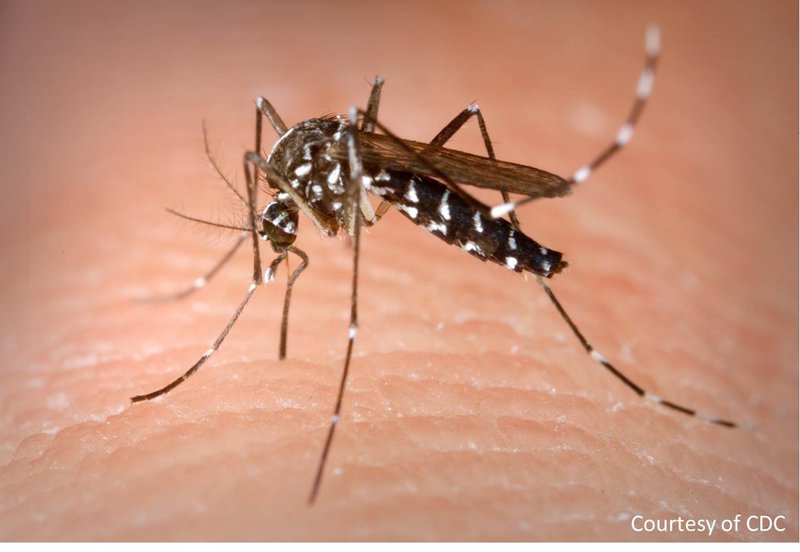
This is where homeowners get frustrated. They walk the property, do not see a swamp, do not see a cloud of insects, and assume there is no obvious mosquito habitat. But when people ask where do mosquitoes live on a tidy property, the answer is often "in the small places you are not thinking about."
A clean-looking yard can still support mosquitoes if it has microhabitats like:
- Plant saucers that hold water after irrigation
- Bromeliads or dense ornamental plants that collect moisture
- Toys, tarps, buckets, or wheelbarrows that catch rainwater
- Corrugated drain pipes or low spots that stay wet
- Hollow fence posts or tree holes
- Leaf buildup in gutters
- Damp crawl space edges or shaded utility areas
The EPA's mosquito life cycle overview is a helpful reminder here: the egg, larva, and pupa stages all depend on water, while the adult mosquito flies away after emergence. In other words, the place where mosquitoes breed and the place where you get bitten may be close together, but they are not always the exact same spot.
That distinction matters. You might be standing on a bite-prone patio while the breeding source is a clogged gutter, a plant saucer behind a pot, or a hidden container two houses over. Adults then settle into nearby shade until they are ready to move again.
Why Are You Getting Bitten When You Do Not See Standing Water?
Because adult mosquitoes and mosquito nurseries do not have to be obvious.
Some species use permanent water, while others lay eggs in temporary pools, containers, or moist areas that flood after rain. It does not take much. A neglected corner that catches runoff, a flowerpot saucer that stays wet, or a clogged downspout elbow can do the job.
At the same time, resting adults want a nearby place to wait out the heat of the day. That usually means shade plus humidity plus still air. So even if you dump visible standing water from the center of the yard, you may still have a mosquito problem if the surrounding harborage remains intact.
A good rule of thumb is this:
- Water grows the next generation.
- Shade protects the current generation.
- People, pets, and outdoor living spaces feed the cycle.
That is why the full answer to where do mosquitoes live includes both breeding sites and resting sites. If you only solve one half of the problem, the bites often continue.
Where Do Mosquitoes Live in a Yard With Shrubs, Decks, and Damp Corners?
In practice, where do mosquitoes live depends on how your yard holds moisture and cover from morning through evening. Properties with dense foundation plantings, heavy mulch, irrigation overspray, and shaded structures tend to give mosquitoes exactly what they want.
Some of the most common trouble spots we inspect include:
Under decks and porches
These spaces stay cooler than the open yard and often trap humidity. If the area also has leaf litter, poor airflow, or damp soil, it becomes a comfortable resting zone during the day.
Shrub lines near patios and doors
This is one of the most common reasons people feel like mosquitoes attack the second they walk outside. The insects are often sitting on the undersides of leaves or tucked into dense foliage just a few feet away.
Damp mulch and landscape beds
Mulch itself does not create mosquitoes, but damp, shaded beds can hold moisture and protect adults. Add irrigation runoff, nearby containers, or clogged drainage, and the area becomes much more attractive.
Utility and drainage edges
AC runoff, hose leaks, splash blocks, and low drainage areas can create the kind of persistent dampness mosquitoes exploit. These are easy to overlook because they do not always look like "standing water" in the obvious sense.
Hidden containers
Buckets behind sheds, lids, toys, tarps, plant trays, and decorative items often produce mosquitoes quietly. By the time homeowners notice more bites, a new wave of adults may already be resting in the nearest shade.
If you are seeing the classic signs of mosquito activity around the yard, the next step is not just looking farther out. It is looking lower, shadier, and closer to where people actually spend time.

What Should Homeowners Do First?
Before reaching for random sprays, take a more targeted look at the property.
Start with a daylight inspection
Walk the yard in late morning or early afternoon and ask:
- Which areas stay shaded the longest?
- Where does irrigation keep soil, mulch, or foliage damp?
- Are shrubs touching each other or pressing close to the house?
- Is there trapped water in planters, toys, gutters, drains, or covers?
- Do bites happen near one part of the patio, deck, gate, or walkway more than others?
Then make the easy corrections
A lot of mosquito pressure drops when homeowners consistently:
- Empty small water-holding items at least weekly
- Clear clogged gutters and downspouts
- Trim shrubs and groundcover to improve airflow
- Reduce leaf litter and dense organic debris
- Fix chronic leaks or drainage issues
- Use fans in seating areas to disrupt weak-flying adults
These steps are worth doing, but they do not always reach the hidden breeding pockets and shaded resting zones that keep the cycle going. That is especially true in places with long mosquito seasons, frequent rain, or humid coastal conditions.
How Our Mosquito Bay Station Fits Into a Smarter Mosquito Plan
This is exactly where behavior-based mosquito control becomes valuable.
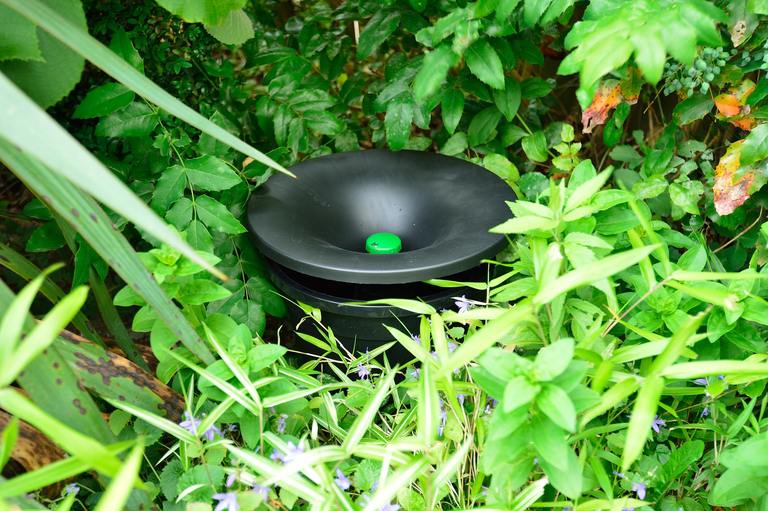
Our Mosquito Bay Station approach is designed for the part of the mosquito problem homeowners usually cannot see. Instead of relying only on killing the adults flying in front of you, the station targets egg-laying female mosquitoes and uses their own behavior against them.
Here is why that matters: the mosquitoes biting around your yard are often connected to small, hidden, easy-to-miss breeding sites. A station placed in the right shaded area can attract females looking for a place to lay eggs. As they interact with the station, they can spread control agents to other breeding spots they visit, helping reduce mosquitoes beyond the one puddle or container you happened to find.
That makes the Mosquito Bay Station especially useful when:
- breeding sites are scattered or partially hidden
- properties have dense landscaping and multiple resting zones
- mosquitoes keep rebounding after rain
- homeowners are dealing with daytime biting near patios, entryways, or play areas
It is not a stand-alone magic fix, and it works best as part of a layered plan. We still want source reduction, inspection, and targeted treatment of resting areas when needed. But for hidden mosquito activity, it can fill a gap that homeowners often struggle to address on their own.
That is also why a broader mosquito control service plan usually performs better than one-off efforts. When you combine inspection, habitat correction, targeted treatment, and tools like the Mosquito Bay Station, you are finally addressing where mosquitoes actually live instead of only reacting to where they bite.

When Is It Time to Bring In Professional Help?
If you have already dumped visible water and trimmed obvious overgrowth but bites keep happening, it is usually time for a more thorough inspection.
Professional help makes the biggest difference when:
- bites are happening during the day in shaded outdoor living areas
- the yard has decks, heavy shrubs, damp beds, or drainage problems
- neighboring properties may also be contributing pressure
- mosquito numbers rebound quickly after rain or irrigation
- you want longer-term reduction instead of temporary relief
In those cases, the value is not just in applying product. It is in identifying the pattern. A trained technician looks at resting zones, moisture behavior, breeding risks, entry points, and how people use the yard. That is the same logic behind a more complete customized pest control program.
The Bottom Line
If you have been wondering where mosquitoes go when your yard feels quiet, the answer is usually simple. They are still there, just out of sight, settling into the coolest, dampest, and most protected areas they can find.
Shrubs, mulch beds, shaded corners, and hidden pockets of moisture all give them a place to rest. Even more importantly, many of their breeding spots are easy to overlook. Small, tucked-away water sources can quietly keep the population going. When conditions are right and a host appears, activity picks up fast, making it feel like mosquitoes showed up out of nowhere.
Understanding this pattern changes how you approach control. Instead of focusing only on what you can see, the real impact comes from addressing the areas that support their life cycle in the first place. Solutions that work within those hidden zones, like mosquito stations we provide that target breeding activity at the source, can make a meaningful difference in keeping mosquito pressure consistently low.