Why You Still Have Mosquitoes After Spraying, and What You're Missing

Published: May 8, 2026
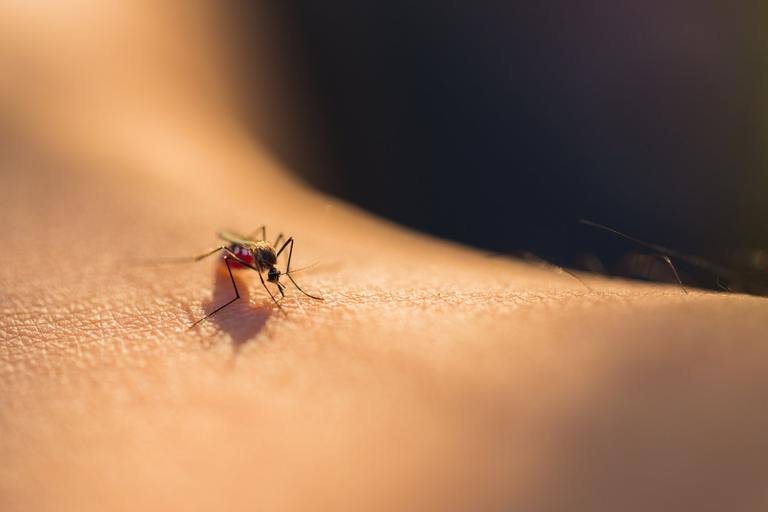
Introduction
You finally get a little time to enjoy the outdoors. Maybe it is dinner on the patio, a quiet evening by the pool, or watching the kids play in the yard. Then the mosquitoes show up. They buzz around your face, chase everyone back inside, and turn a nice outdoor moment into a frustrating one.
That is what makes mosquito problems so annoying for homeowners. They do not just leave itchy bites. They make your yard harder to use.
The problem also goes beyond comfort. Culex mosquitoes are linked to West Nile virus, and Aedes mosquitoes can spread viruses such as Zika. Not every mosquito in your yard is carrying disease, but mosquito activity is more than a minor nuisance.
That is why it feels especially frustrating when you have already sprayed and still have mosquitoes. In most cases, the issue is not that the product did nothing at all. It is that the treatment only addressed part of the problem. If it missed where mosquitoes rest, failed to reach hidden breeding sites, or faded too quickly, the yard can still feel just as active a few days later.
That is where backyard mosquito control often breaks down. Homeowners usually see the mosquitoes that are flying now, but they do not always see the wet containers, shaded hiding spots, and rebound cycle that keep producing more. Real relief usually comes from solving the full pattern, not just knocking down what is buzzing around at the moment.
Why backyard mosquito control often fails after spraying
A spray treatment can reduce adult mosquitoes. That part is true. The problem is that adult mosquitoes are only one part of the issue.
Most failed backyard mosquito control efforts come down to a few common gaps:
- The spray did not reach the areas where mosquitoes hide during the day.
- Water-holding spots were left behind, so new mosquitoes kept developing.
- The treatment wore off before the next wave emerged.
- The yard got one treatment, but not a plan for ongoing control.
That is why homeowners often say the same thing after a DIY treatment or even after a one-time professional visit: it worked for a little while, then the mosquitoes came right back.
Usually, that rebound means the property still has the conditions mosquitoes need to survive.

Mosquitoes are not just in the air. They are in the yard.
When people think about mosquitoes, they picture what is flying around their arms, legs, and face. What they often miss is how much time mosquitoes spend out of sight.
Mosquitoes rest in cool, shaded, humid areas during the day. They breed in small water sources that many homeowners overlook. They do not need a swamp in the backyard. They need a pattern of moisture, shelter, and time.
That is why backyard mosquito control has to focus on the whole property, not just the parts where you happen to be standing when you get bitten.
What gets missed most often?
The most common mosquito problem areas are usually not the open lawn. They are the edges of the yard, the damp corners, and the items that collect water without attracting much attention.
Shaded resting areas
Adult mosquitoes often hide in places like:
- Thick shrubs
- Dense hedges
- Low tree branches
- Under decks
- Behind outdoor furniture
- Around pool equipment
- Along fence lines
- Near clutter or storage areas
If those areas are not treated properly, a spray may only affect the mosquitoes flying in open space while leaving many more protected in the shade.
Hidden breeding spots
Female Aedes mosquitoes lay eggs on the inner walls of water-holding containers, which is why even very small water sources matter.
Some of the most overlooked breeding sites include:
- Plant saucers
- Kids' toys
- Buckets
- Trash can lids
- Birdbaths
- Wheelbarrows
- Clogged gutters
- Tarp folds
- Corrugated drain pipes
- Low spots in the yard
- Decorative containers
- Water-holding plants
A homeowner may spray the yard and still leave several of these untouched. When that happens, new mosquitoes keep emerging even though the yard was "treated."
Moisture that keeps coming back
Rain, sprinklers, and poor drainage can reset the mosquito problem fast. A treatment that looked promising at the start of the week can feel much less effective after several rainy days, constant irrigation, or water collecting in the same trouble spots over and over.
That is one reason an integrated approach to mosquito control works better than relying on one step alone. Spraying has a role, but it works best when paired with inspection, source reduction, and follow-up.

Why mosquitoes come back so quickly after DIY spraying
DIY mosquito products are popular because they promise fast relief. Many homeowners try them right away because they want their patio or backyard back without waiting on service.
Sometimes those treatments do help for a short time. But there are a few reasons they often fall short.
The coverage is usually too narrow
Most homeowners spray the places where they notice mosquitoes bothering them. That usually means:
- The patio
- Around seating areas
- Near doors
- Around the grill
- Along the pool deck
Those are important use areas, but they are not always the places mosquitoes are coming from. If the actual resting and breeding zones are in dense landscaping, side yards, drainage edges, or hidden containers, the treatment may not touch the real source of the activity.
The relief is often short-lived
DIY products can break down quickly depending on weather, sunlight, watering, and how thoroughly they were applied. That can leave homeowners with a familiar cycle:
- Spray the yard.
- Notice fewer mosquitoes for a day or two.
- Feel hopeful.
- Get bitten again by the weekend.
- Repeat.
That cycle is common because a short-term adult knockdown is not the same as long-term backyard mosquito control.
The life cycle keeps going
If eggs, larvae, and sheltered adults remain on the property, the mosquito problem does not really stop. It just pauses.
That is one of the biggest reasons homeowners feel like they are doing everything right and still losing the battle. The visible part of the problem changes for a moment, but the conditions behind it stay in place.
Why a one-time treatment often is not enough
Mosquitoes are not usually a one-treatment problem. They are an ongoing outdoor pressure problem.
A single spray can reduce active adults. It may help before an outdoor event. It may create a short window of relief. But if the yard keeps offering water, shade, and protection, the mosquitoes usually rebuild.
This is especially true during warm, humid months when mosquito activity stays high and breeding conditions return quickly.
That is why backyard mosquito control works better when it is treated as a process instead of a one-time reaction.

What effective backyard mosquito control actually looks like
Strong backyard mosquito control is layered and consistent. It is not just about putting out more product. It is about understanding why mosquitoes are staying active on that specific property.
A better long-term plan usually includes:
- Inspecting for obvious and hidden breeding sites
- Treating adult resting areas thoroughly
- Reducing or eliminating standing water where possible
- Watching how weather and irrigation affect the property
- Returning often enough to interrupt the rebound cycle
- Using additional control tools where they make sense
This is also why mosquito control service tends to work better than a scattered DIY routine. A good program is not only reacting to bites. It is tracking the areas and conditions that keep making the yard favorable to mosquitoes.
Where Mosquito Stations fit into the picture
Mosquito Stations can help fill one of the biggest gaps in post-spray frustration: hidden breeding activity.
A standard spray mainly targets adult mosquitoes in the areas that are directly treated. That can absolutely help, but it still depends on reaching the right surfaces and keeping up with new emergence. Mosquito Stations add another layer to the plan.
In simple homeowner terms, Mosquito Stations help by attracting female mosquitoes and working against the breeding cycle instead of focusing only on the adults you can see. That makes them especially useful when:
- The yard has recurring mosquito pressure
- Some breeding sites are hard to locate
- Dense landscaping creates many protected zones
- Mosquitoes keep returning after standard treatments
- Homeowners want more than a brief reduction in bites
Mosquito Stations are not a standalone miracle fix. They work best as part of a broader program that also includes inspection, source reduction, and recurring service. But when used the right way, they can strengthen backyard mosquito control and help reduce the rebound pattern that frustrates so many homeowners.

Why professional service usually works better
Professional mosquito control tends to outperform one-off spraying because it is built around consistency and full-property awareness.
Instead of treating only what feels obvious, a technician can look for:
- Vegetation where adults are resting
- Water sources homeowners have stopped noticing
- Drainage issues that keep repeating
- Irrigation patterns that maintain moisture
- High-pressure zones around patios, play areas, and entry points
That is where a recurring plan starts to separate itself from short-term fixes.
About our approach to pest control, the biggest advantage is not just stronger materials or more equipment. It is the ability to keep checking the property, adjust the strategy, and stay ahead of the next wave instead of waiting for the yard to become miserable again.
What homeowners should check before assuming the spray did not work
Before deciding a treatment failed completely, it helps to look at the yard with a different question in mind. Instead of asking, "Did this kill mosquitoes?" ask, "What is still allowing them to come back?"
Check for standing water
Walk the whole property, not just the obvious spots. Empty and scrub, turn over, cover, or throw out items that hold water once a week. Even small containers matter.
Check the shade and harborage
Look at where mosquitoes can spend the day out of direct sun and wind. Dense plantings, overgrown corners, and cluttered side yards are common trouble spots.
Check the timing
If the yard was sprayed once and then left alone during a heavy mosquito period, the problem may simply have outrun the treatment.
Check what changed
Rainfall, warmer weather, clogged gutters, new plants, and irrigation adjustments can all change mosquito pressure quickly.
Check whether the plan only targeted adults
If nothing addressed breeding activity, the relief may have been real but incomplete.
For homeowners comparing one-time relief to ongoing management, common pest control questions can help explain what to expect from a more complete service plan.
Why this matters if you just want to enjoy the outdoors
A lot of mosquito content focuses only on bites, but homeowners usually feel the problem in a more personal way than that. They feel it when:
- Dinner gets moved inside
- Kids stop playing in the yard
- Guests keep swatting themselves
- Pool time gets cut short
- Evenings outside become more stressful than relaxing
That is why solving mosquito problems is not only about killing insects. It is about making the yard usable again.
When you post this blog alongside a video showing how mosquitoes ruin time outdoors, the message works because it connects the frustration people feel with the reasons the problem keeps coming back. It tells homeowners, "You are not imagining this. There is a reason your spray did not last."

The health concern behind the nuisance
Mosquitoes are annoying first, but the health side matters too.
Culex mosquitoes are associated with West Nile virus, and Aedes mosquitoes can spread viruses such as Zika. That does not mean every mosquito in a yard is infected, and it does not mean homeowners need to panic. It does mean mosquito activity deserves more respect than a minor seasonal inconvenience.
That is another reason a serious backyard mosquito control plan makes sense. Homeowners are not only trying to reduce itching and buzzing. They are trying to reduce the conditions that support ongoing mosquito activity around the home.
The bottom line
If you still have mosquitoes after spraying, the missing piece is usually not effort. It is the parts of the problem the spray did not solve.
Maybe the treatment missed dense resting areas. Maybe the yard still has small breeding sites. Maybe the relief faded too fast. Maybe the property needs a recurring program instead of another one-time attempt.
Good backyard mosquito control works because it looks at the whole mosquito pattern: adults, breeding sites, hiding spots, moisture, and follow-up. That is where professional treatment and tools like Mosquito Stations make more sense than repeating the same short-lived fix.
If mosquitoes are keeping you from enjoying your outdoor space, now is a good time to put a real mosquito prevention plan in place. Contact us today to get started with mosquito prevention that helps you reclaim your yard and spend more time outside with fewer bites.