
Introduction
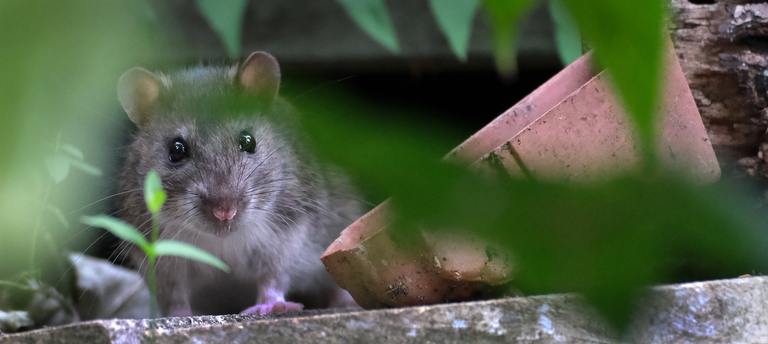
When people think about pest problems, they usually think about property damage, strange noises in the walls, or the frustration of cleaning up droppings in the garage or attic. What often gets overlooked is the health side of rodent activity. That is where hantavirus enters the conversation.
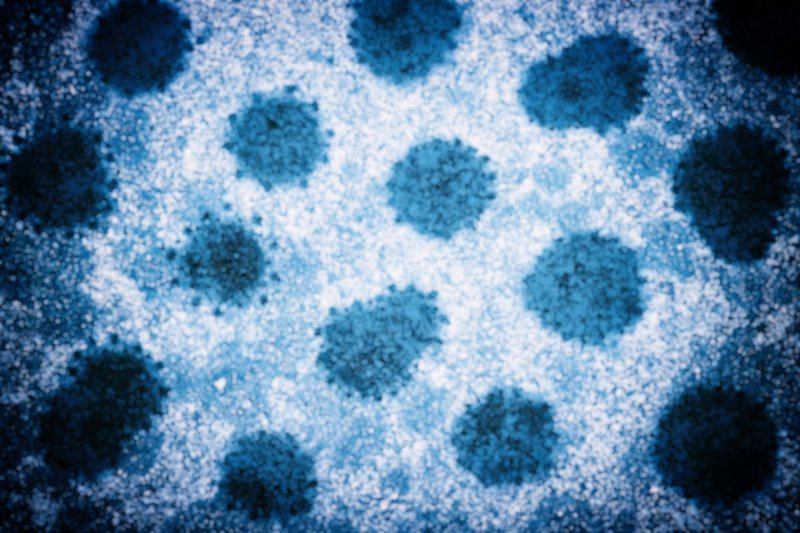
Hantavirus is serious because it is tied to rodent contamination, not just rodent sightings. In the right conditions, people can be exposed when they disturb contaminated droppings, urine, saliva, or nesting material. Current hantavirus prevention guidance makes clear that rodent control is the primary way to reduce that risk, and broader public health information on hantavirus transmission explains how exposure is linked to infected rodent waste and contaminated dust.
For homeowners, that means a rodent issue should never be treated as only a housekeeping problem. If mice or rats are active in a structure, especially in enclosed areas like attics, crawl spaces, garages, sheds, and storage rooms, the health implications matter just as much as the pest problem itself.
What are hantavirus symptoms?
Hantavirus symptoms often begin with signs that can look like a common viral illness. Early symptoms may include fever, fatigue, muscle aches, headaches, nausea, vomiting, or abdominal discomfort. That is part of what makes this topic important. At first, the illness may not seem connected to rodent exposure at all.
In more severe cases, hantavirus symptoms can progress and affect breathing. As the illness worsens, people may develop coughing, chest tightness, and shortness of breath. That change is what makes the disease especially concerning. It is not something to casually shrug off after cleaning out an old shed or disturbing a rodent-infested attic.
From a pest-control perspective, the key point is not that every rodent encounter leads to illness. The point is that rodent contamination can create a real exposure risk, and homeowners should understand that risk before they rush into cleanup.
Why does hantavirus matter in pest control?
Most homeowners call pest control because something is visible or disruptive. They hear scratching, find droppings, smell urine, or notice chewed packaging. Those are important warning signs, but the bigger issue is what those signs represent.
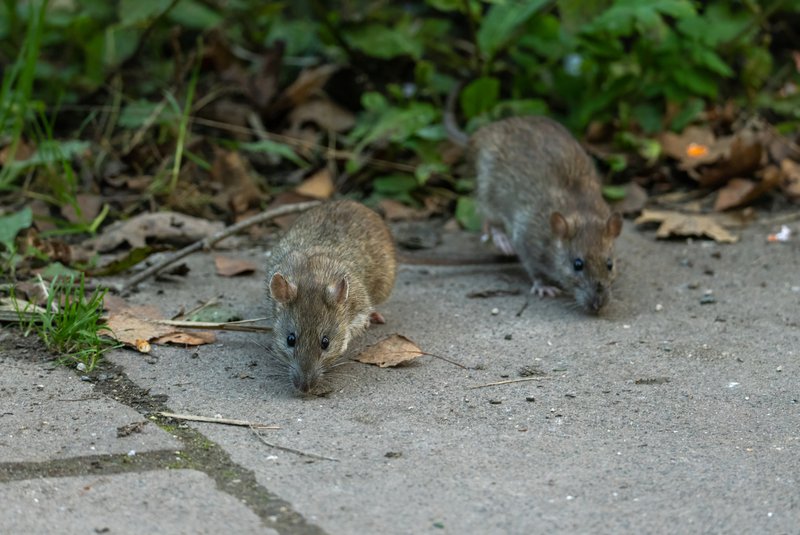
Rodents do not just pass through and leave a minor mess behind. They contaminate the spaces they use. A mouse nesting in attic insulation, a rat moving along a garage wall, or repeated activity inside a shed can all leave behind waste that accumulates over time. When that material dries out and gets disturbed, the risk changes from a nuisance problem to a health concern.
This is one reason rodent control services matter beyond simple removal. A true rodent problem is not finished when the animal is out of sight. It is finished when the access points are closed, the activity is stopped, and the contaminated environment is handled appropriately.
How does hantavirus spread in and around homes?
Hantavirus is most often associated with exposure to infected rodent urine, droppings, and saliva. A major concern is that people may breathe in virus particles after contaminated materials are disturbed. This can happen during sweeping, vacuuming, moving boxes, clearing nesting debris, or opening up enclosed areas that have had long-term rodent activity.
Common higher-risk places include:
- Attics with hidden nesting activity
- Garages with old cardboard, fabric, or clutter
- Sheds and storage buildings that stay closed for long periods
- Crawl spaces with limited airflow
- Seasonal properties, cabins, and RVs that have been sitting unused
These are pest-related environments first. That is why the issue belongs in a serious pest-control discussion. If a property supports rodent harborage, it also supports the waste buildup and hidden contamination that can create exposure concerns.
Homeowners dealing with ongoing rodent evidence should pay close attention to signs that rodents may already be active indoors, especially if those signs are appearing in enclosed parts of the home.
When do hantavirus symptoms usually begin?
One of the challenges with hantavirus symptoms is that they do not always appear right away. Symptoms may begin days or even weeks after exposure. That delay can make it harder for people to connect the illness to the rodent contamination that came before it.
For example, someone may clean out an old shed, stir up droppings in a garage corner, or disturb nesting material in attic insulation and then feel sick later on. Without thinking back to that cleanup event, the original source of exposure may not seem obvious.
That delay is another reason homeowners should take rodent cleanup seriously from the start. It is much better to treat contamination carefully the first time than to assume it is only dust and debris.
What pest situations create the greatest concern?
Not every rodent issue carries the same level of risk. A single outdoor sighting is different from long-term indoor contamination. What raises concern is the combination of rodent activity, enclosed space, accumulated waste, and disturbance.
The situations that deserve the most caution usually include:
- Heavy droppings in an attic, crawl space, garage, or shed
- Visible nesting material behind boxes, insulation, or stored items
- Rodent activity in places with poor airflow
- Old contamination in structures that have been closed up for weeks or months
- Cleanup plans that involve sweeping, vacuuming, or stirring up dry debris
This is where rodent prevention measures become more than a maintenance issue. Preventing infestation is also a way to prevent the contamination that creates health concerns later.
Can homeowners recognize the warning signs before exposure happens?
In many cases, yes. Rodent problems often leave clues before homeowners see the animal itself. The challenge is that people sometimes dismiss those clues as minor.
Watch for signs like:
- Small dark droppings in cabinets, garages, pantries, or attic corners
- Gnaw marks on stored food, cardboard, or wiring
- Scratching or movement sounds in ceilings or walls
- Shredded paper, insulation, or fabric used as nesting material
- Strong musty or urine-like odors in enclosed spaces
- Greasy rub marks along baseboards or structural edges
These clues matter because they point to active use of the space. If a rodent is living, nesting, feeding, and traveling inside a structure, contamination is building with it.
Sometimes homeowners also need help distinguishing the evidence they are seeing. A guide to common rodent droppings and similar pest waste can be useful, but when contamination is repeated or widespread, inspection matters more than guessing.

What should homeowners not do during cleanup?
This is one of the most important parts of the conversation. People often want to clean quickly and move on. That instinct is understandable, but with rodent contamination, speed can make the problem worse.
Homeowners should not:
- Dry sweep droppings or nesting debris
- Vacuum contaminated material with a regular household vacuum
- Shake out contaminated fabrics or boxes indoors
- Assume old droppings are harmless because they look dry
- Treat visible droppings as the entire problem when rodents may still be active nearby
Safer cleanup guidance for rodent waste emphasizes careful handling, ventilation, protective steps, and disinfecting methods that reduce the chance of stirring contaminated particles into the air.
From a pest-control standpoint, cleanup also should not happen in isolation. If rodents are still getting in, cleanup only resets the surface while the infestation continues behind it.
Why pest control and safe cleanup need to work together
A lot of homeowners separate these issues into two different categories: one is the pest problem, and the other is the mess. In reality, they are tightly connected.
Safe cleanup matters because contamination can remain after rodents are gone. Pest control matters because contamination can continue if rodents are still active. You need both sides addressed to truly solve the issue.
That usually means:
- Identifying how rodents got in
- Confirming how extensive the activity is
- Removing active rodents
- Sealing entry points
- Correcting conditions that attract them
- Cleaning contaminated areas with the right precautions
This is why attic inspections for hidden pest activity can be especially important. Many homeowners only see the visible edge of a larger problem. The real activity may be deeper in insulation, wall voids, stored materials, or structural gaps.

What does professional rodent control change?
Professional rodent control helps by moving the response from reactive cleanup to full problem resolution. Instead of only removing visible droppings or setting a trap where activity was noticed once, a professional approach looks at the whole environment.
That includes:
- Entry points around the home
- Evidence of nesting or travel routes
- Conditions that provide food, water, and shelter
- Ongoing monitoring for renewed activity
- Recommendations for preventing recurrence
It also helps homeowners understand whether they are dealing with a limited issue or a broader infestation. A few droppings near a garage wall may point to a small problem. Repeated droppings, attic noise, nesting material, and odor usually point to a deeper one.
That is where a broader home pest protection plan can support long-term prevention, especially when rodent activity overlaps with other structural pest issues or repeated entry conditions.
How should homeowners think about hantavirus symptoms going forward?
The right mindset is serious, informed, and practical. Hantavirus symptoms are important because they highlight what rodent contamination can mean in the real world. They are not a reason for panic, but they are absolutely a reason to stop treating droppings, nesting material, and hidden rodent activity like minor annoyances.
Homeowners do not need to become public health experts to respond appropriately. They need to understand a few key truths:
- Rodent waste can create more than a sanitation problem
- Enclosed contaminated spaces deserve extra caution
- Unsafe cleanup can increase exposure risk
- Rodent exclusion and control are central to prevention
- Visible droppings may only be a small part of the actual issue
That is the pest-control implication that matters most. The danger is not just the animal you see. It is the contamination left behind, the hidden activity you do not see, and the cleanup shortcuts that turn a pest problem into a health concern.

What is the most important takeaway for homeowners?
If there is one message worth remembering, it is this: rodent problems should be handled early, carefully, and completely.
Hantavirus symptoms are the part people hear about once something has already gone wrong. Pest control is the part that helps reduce the chance of getting there in the first place. When homeowners take droppings, nesting evidence, attic movement, and enclosed-space contamination seriously, they put themselves in a much better position to protect both the home and the people living in it.
Cleanliness matters. Exclusion matters. Inspection matters. Safe cleanup matters. And when rodent evidence keeps appearing, professional help matters too.