PEX Plumbing and Rodent Damage: What Homeowners Need to Know

Published: January 2, 2026
Introduction
PEX plumbing has become a popular choice in homes across the United States, especially in newer construction and renovation projects. While it offers many benefits from a plumbing standpoint, it also introduces unique vulnerabilities that make professional pest control more important than ever for protecting the home. Builders and plumbers often recommend it because it is flexible, affordable, and easier to install than traditional piping materials. For many homeowners, this means faster build times and lower upfront plumbing costs.
However, there is a lesser known downside to PEX that many homeowners do not realize until damage has already occurred. Rodents, particularly rats and mice, are known to chew through PEX plumbing. Because the material is soft and easy to gnaw, even a small rodent problem can lead to leaks, water damage, and costly repairs hidden inside walls or under floors.
Understanding what PEX plumbing is, why rodents are attracted to it, and how pest control plays a central role in reducing the risk of damage is essential for protecting your home. This guide explains PEX plumbing in simple terms while highlighting the role pest prevention plays in safeguarding your plumbing system.
What Is PEX Plumbing and Why Is It So Common in Pest-Prone Homes?
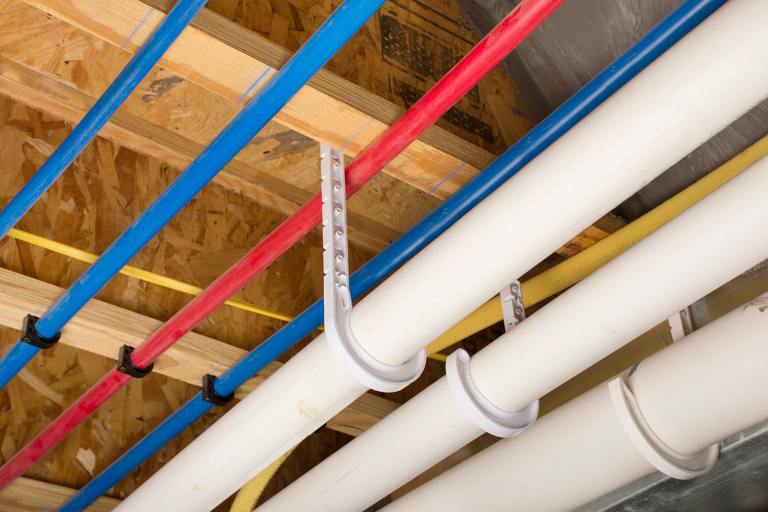
PEX stands for cross linked polyethylene. It is a flexible plastic tubing used to deliver water throughout residential and commercial buildings. Unlike rigid materials such as copper or galvanized steel, PEX can bend and curve, allowing installers to route it through walls, ceilings, and foundations with fewer fittings.
Over the past few decades, PEX plumbing has become increasingly common due to changes in building practices and cost considerations. As more builders move away from traditional copper or metal piping in favor of faster, more cost efficient installations, the use of PEX plumbing has increased significantly, making rodent related damage a rising concern for homeowners. It is now widely used in slab foundations, crawl spaces, attics, and wall cavities.
Because PEX plumbing requires fewer connections and less labor to install, it has become a standard option in many modern homes.

Why do builders choose PEX plumbing?
Builders and plumbers often favor PEX plumbing because it simplifies installation while keeping costs manageable. Its flexibility allows long runs of pipe without frequent joints, which speeds up construction.
Common reasons builders choose PEX plumbing include:
- Flexible material that bends around obstacles
- Faster installation compared to rigid pipes
- Lower material and labor costs
- Resistance to corrosion and scale buildup
- Suitable for both hot and cold water lines
From a construction standpoint, PEX plumbing is efficient and practical. However, what makes it easy to work with also makes it vulnerable to damage.
According to plumbing professionals, homeowners should understand both the advantages and disadvantages of PEX plumbing before problems arise https://www.splashplumbing.com/why-is-pex-plumbing-bad/
What Are the Weak Points of PEX Plumbing That Pests Exploit?
While PEX plumbing performs well under normal water pressure and temperature changes, it has several weaknesses that homeowners should not overlook. The most significant issue is its soft plastic composition, which makes it far more vulnerable to external damage than traditional metal piping.
Unlike copper or steel pipes, PEX plumbing does not offer resistance to sharp objects or animal activity. The material can be punctured, crushed, or chewed with relatively little force. This means everyday situations, such as minor home renovations or pest activity, can pose a real threat to the integrity of the plumbing system.
Another weak point is that PEX plumbing is often installed in concealed areas like wall cavities, attics, crawl spaces, and under slabs. These locations are also common travel paths and nesting areas for rodents. When damage occurs in these hidden spaces, leaks may go unnoticed for long periods, allowing moisture to spread and cause secondary issues like mold or wood rot.
Why does material matter?
Material choice plays a major role in how plumbing systems hold up over time, especially in homes where pests are present. Because PEX plumbing is flexible and soft, it does not withstand physical stress the same way rigid materials do.
PEX plumbing can be damaged by:
- Nails or screws during renovations or repairs
- Prolonged exposure to direct sunlight, which can weaken the material
- Rodent chewing and repeated gnawing
Rodents are particularly problematic because their chewing is persistent and often targeted in the same areas. A single bite may only create a small puncture, but repeated chewing can quickly turn minor damage into a significant leak.
Plumbing experts note that while PEX plumbing is durable in many ways, it does not provide protection against pests and should not be relied on as a rodent resistant solution
For homes with existing or potential rodent activity, this vulnerability increases the risk of unexpected leaks, hidden water damage, and costly repairs that may not be discovered until significant damage has already occurred.
Why Do Rats and Mice Target PEX Plumbing Inside Homes?
Rodents chew constantly because their teeth never stop growing. Gnawing helps them keep their teeth at a manageable length and prevents overgrowth that can interfere with eating. Inside homes, rats and mice encounter many materials that satisfy this instinct, and unfortunately, PEX plumbing is one of them.
Unlike metal pipes, PEX plumbing offers very little resistance to a rodent’s teeth. Even light chewing can leave behind grooves or punctures. Over time, repeated gnawing in the same spot can weaken the pipe enough to cause leaks, sometimes long after the initial damage occurs.
Another important factor is environment. Rodents prefer dark, quiet, undisturbed spaces where they feel safe. PEX plumbing is commonly installed in exactly these areas, including wall voids, attics, crawl spaces, and beneath flooring. Once rodents begin using these spaces as travel routes or nesting sites, nearby plumbing becomes an easy target.
What attracts rodents to PEX plumbing?
PEX plumbing appeals to rats and mice for several practical and environmental reasons:
- Soft plastic material that is easy to chew and manipulate
- Pipes are often hidden from human activity
- Warm water lines provide heat during cooler months
- Plumbing paths overlap with rodent travel routes
- Wall voids and attics offer protection from predators
Rodents are not chewing PEX plumbing because they are searching for water. In many cases, they do not even realize water is present until after the pipe has been damaged. The chewing behavior is driven by instinct and opportunity, not thirst.
Once rodents establish nesting areas near PEX plumbing, the risk of leaks increases significantly. Continuous chewing, combined with normal water pressure, can turn small bite marks into active leaks that remain hidden until water damage becomes visible elsewhere in the home.
How Does Rodent Activity Lead to PEX Plumbing Damage?
Rodent damage to PEX plumbing almost always happens gradually and out of sight. Rats and mice typically begin by lightly gnawing on exposed or accessible sections of pipe as they travel through wall voids, attics, crawl spaces, or beneath flooring. These early bite marks may not immediately penetrate the pipe, which is why the damage often goes unnoticed.
Over time, repeated chewing in the same area weakens the PEX material. Rodents tend to revisit familiar paths and nesting zones, meaning the same section of pipe may be gnawed repeatedly. What starts as a shallow groove can eventually turn into a pinhole leak or a full puncture once water pressure is applied.

Common ways rodents damage PEX plumbing include:
- Small punctures that allow slow, continuous leaks to develop
- Complete chew throughs that result in sudden water release
- Repeated gnawing along the same section of pipe
- Damage concealed behind walls, under slabs, or beneath flooring
In many cases, the damage does not cause an immediate plumbing failure. Instead, water may leak slowly and spread along nearby framing, insulation, or concrete. Because PEX plumbing is flexible, leaking water can travel away from the original source before becoming visible. This often leads homeowners to notice water damage in areas far from where the pipe was actually compromised.
Delayed detection increases repair costs and the likelihood of secondary issues such as mold growth, weakened building materials, and damage to nearby electrical components. By the time visible signs appear, the rodent damage to the PEX plumbing has often been occurring for weeks or even months.
What Are the Pest-Related Warning Signs of Rodent Damaged PEX Plumbing?
Recognizing early warning signs of rodent damaged PEX plumbing can help homeowners avoid severe water damage and costly repairs. Because PEX pipes are often installed behind walls, under floors, or in attics, damage may go unnoticed until secondary symptoms appear elsewhere in the home.
Rodent damage rarely announces itself all at once. In many cases, the signs start small and gradually become more obvious as leaks worsen or rodent activity increases.
Signs to watch for inside your home
- Unexplained increases in water bills that suggest a hidden leak
- Sounds of running or dripping water when all fixtures are turned off
- Damp spots, bubbling paint, or discoloration on walls, ceilings, or floors
- Warped flooring or soft spots near baseboards or cabinets
- Musty odors that indicate lingering moisture or mold growth
- Visible mold or mildew forming in unexpected areas
- Scratching, scurrying, or movement noises in walls, ceilings, or attic spaces
In some cases, homeowners may notice signs of rodents before any plumbing symptoms appear. Droppings, nesting material, or chew marks near pipe entry points can all indicate an increased risk of PEX plumbing damage.
If your home has PEX plumbing and any combination of water related issues and rodent activity, these symptoms should be taken seriously. Addressing the problem early can help prevent extensive water damage, mold growth, and more disruptive repairs later on.
Why Is Professional Pest Control Critical for Homes With PEX Plumbing?
Many homeowners focus on repairing leaks or replacing damaged sections of pipe without addressing the underlying cause of the problem. When rodents are present in the home, plumbing repairs alone are often temporary solutions. If rats or mice remain active, new damage to PEX plumbing is likely to occur.
PEX plumbing is especially vulnerable because it is commonly routed through areas that rodents use as travel paths and nesting zones. Without effective pest control, rodents continue to move freely through attics, wall voids, crawl spaces, and under floors, increasing the likelihood of repeated chewing and ongoing leaks.
Pest control plays a critical role by addressing the problem at its source. Instead of reacting to water damage after it happens, proactive rodent management helps prevent damage before pipes are compromised.

How pest control reduces plumbing risks
Effective pest control helps protect PEX plumbing in several important ways:
- Eliminating rodents before chewing damage occurs
- Identifying and sealing entry points that allow rodents inside
- Preventing re entry through exclusion and monitoring strategies
- Reducing nesting activity near plumbing lines and water sources
- Monitoring high risk areas such as attics, wall voids, crawl spaces, and garages
In addition to protecting PEX plumbing, pest control also helps safeguard other critical parts of the home. Rodents commonly damage insulation, electrical wiring, ductwork, and structural components while nesting and traveling. By managing rodent activity, homeowners reduce the risk of multiple types of damage occurring at the same time.
For homes with PEX plumbing, pest control is not just a convenience. It is one of the most effective ways to prevent plumbing damage before it starts and to stop rodents from turning minor vulnerabilities into major repairs. It is a preventive measure that helps protect plumbing systems, building materials, and overall home integrity over the long term.
How Do Rodents Enter Homes With PEX Plumbing?
Rodents can enter homes through very small openings, often no larger than a quarter. Because they are skilled climbers, jumpers, and burrowers, rats and mice can exploit weaknesses both at ground level and higher points on the structure. Plumbing entry points are one of the most common and overlooked access routes.
When PEX plumbing is installed, small gaps are often left where pipes pass through foundations, walls, or slabs. These gaps may seem insignificant, but they can provide enough space for rodents to squeeze through. Once inside, rodents follow plumbing lines as natural pathways through the home.
Homes with PEX plumbing may face increased risk because the same penetrations that allow pipes to run efficiently also create opportunities for pest entry.
Common rodent entry points
Rodents frequently access homes through the following areas:
- Gaps around plumbing penetrations where pipes enter walls or foundations
- Cracks in foundations or concrete slabs that develop over time
- Roofline gaps, soffits, and fascia openings
- Utility line entry points for water, gas, and electrical services
- Garage doors, weather stripping gaps, and ventilation openings
Once rodents gain access, they tend to travel along established routes such as plumbing lines, framing, and insulation. Because PEX plumbing frequently runs through these same areas, rodent access can directly increase the likelihood of pipe chewing, punctures, and hidden leaks.

How Does Pest Control Help Protect PEX Plumbing From Rodents?
No plumbing system is completely rodent proof, but homeowners can take meaningful steps to significantly reduce the risk of damage. Protecting PEX plumbing requires a combination of physical barriers, environmental management, and ongoing pest awareness.
Because rodents are persistent and adaptable, relying on a single solution is rarely effective. Instead, layered prevention strategies work best, especially in homes where PEX plumbing runs through concealed or hard to monitor areas.
Preventive strategies to protect PEX plumbing
Several proactive measures can help lower the likelihood of rodents accessing and damaging PEX plumbing:
- Seal gaps around foundations, slabs, and pipe entry points using rodent resistant materials such as metal mesh or concrete patching
- Install protective conduit or sleeving around exposed PEX plumbing in garages, basements, crawl spaces, or utility areas
- Reduce clutter and stored items in attics, crawl spaces, and garages that can provide nesting material or cover for rodents
- Store food, pet food, and bird seed in sealed containers to avoid attracting rodents indoors
- Maintain landscaping by trimming vegetation away from the home and reducing debris near the foundation
- Schedule regular pest inspections to identify early signs of rodent activity before damage occurs
It is also important for homeowners to understand where PEX plumbing is routed within the home. Knowing which areas contain water lines allows for better monitoring and quicker response if rodent activity is suspected. Understanding the benefits and drawbacks of PEX plumbing helps homeowners make better decisions about protection and long term maintenance.
While these steps can greatly reduce risk, prevention is most effective when combined with professional pest management. Pest control professionals are trained to identify rodent pressure points, entry paths, and nesting behavior that homeowners often miss. Ongoing rodent control, exclusion work, and monitoring help ensure that protective measures remain effective over time, especially in regions where rodent pressure is high.
What Happens If Rodent Damage to PEX Plumbing Is Ignored?
Ignoring rodent activity around PEX plumbing can lead to a wide range of serious problems, many of which develop quietly over time. Because PEX pipes are often hidden behind walls, under floors, or beneath slabs, damage caused by rodents may go undetected until secondary issues become severe.
When chewing damage is not addressed, small punctures can slowly release water into surrounding building materials. This moisture may soak into drywall, insulation, subflooring, and framing, creating an environment where mold and mildew can thrive. By the time visible signs appear, the affected area may be much larger than expected.
Potential consequences include:
- Hidden leaks that allow mold growth and moisture damage to spread
- Structural damage to walls, ceilings, cabinets, and flooring materials
- Electrical hazards when water comes into contact with wiring or outlets
- Increased repair costs due to delayed detection and widespread damage
- Insurance complications if damage is linked to prolonged rodent activity
What makes rodent related PEX plumbing damage especially problematic is how quickly it can escalate. A minor issue that could have been resolved early may turn into a major repair involving plumbing replacement, mold remediation, and reconstruction. Addressing rodent activity promptly helps limit both the scope of damage and the overall cost of repairs.
How Does Pest Activity Impact Insurance and Repairs?
Pest activity can have a significant impact on how plumbing damage is handled during repairs and insurance claims. Some insurance policies limit or deny coverage when damage is determined to be the result of long term neglect or unresolved rodent infestations. In these situations, homeowners may be responsible for covering the full cost of repairs.
Because rodent damage to PEX plumbing often develops gradually, insurance providers may examine whether reasonable preventive steps were taken. This is where documentation and maintenance history can become important.
Professional pest control services often provide:
- Detailed inspection reports noting rodent activity and risk areas
- Treatment documentation showing active management of pests
- Preventive recommendations for exclusion and monitoring
These records can help homeowners demonstrate responsible property maintenance and proactive care. Even when insurance coverage is not directly affected, clear documentation can streamline repair decisions and reduce disputes during the claims process.
Why Pest Control Is a Smart Investment for Protecting PEX Plumbing and Your Home
Pest control is not just about removing rodents after damage occurs. It is about preventing problems before they start and protecting vulnerable systems like PEX plumbing from long term exposure to chewing, nesting, and repeated rodent activity.
Homes with PEX plumbing face a higher level of risk when rodents are present because the material is softer and more accessible than traditional piping. Proactive pest control helps reduce this risk by addressing rodent populations early and limiting their ability to access plumbing lines.

Long term benefits of consistent pest control include:
- Reduced risk of plumbing leaks caused by chewing or punctures
- Protection for electrical wiring, insulation, and ductwork often damaged alongside pipes
- Healthier indoor environments with reduced moisture, mold risk, and allergen exposure
- Lower long term repair costs by preventing hidden damage before it spreads
- Greater peace of mind knowing plumbing systems are less likely to fail unexpectedly
Rather than reacting to emergencies, pest control allows homeowners to stay ahead of potential problems. Homes with PEX plumbing benefit greatly from proactive rodent management, especially in regions where rats and mice are common year round.
What Should Homeowners Do Next to Protect PEX Plumbing From Pests?
If your home has PEX plumbing, prevention is key. Understanding rodent behavior, entry points, and early warning signs allows homeowners to act before serious plumbing damage occurs.
Instead of waiting for leaks or visible water damage, homeowners can take practical steps to reduce risk and protect their plumbing system.
Smart next steps include:
- Scheduling a professional pest inspection to identify current or potential rodent activity
- Identifying and sealing rodent entry points around foundations, plumbing penetrations, and rooflines
- Monitoring attics, crawl spaces, and utility areas for early signs of rodents or moisture
- Addressing minor issues promptly before they develop into major repairs
- Staying proactive instead of reactive with ongoing pest prevention
PEX plumbing offers efficiency and convenience, but it requires added awareness when pests are present. By taking early action and focusing on prevention, homeowners can better protect their plumbing, their home, and their long term peace of mind.
Final Thoughts
PEX plumbing is a modern solution with clear advantages, but its soft material makes it vulnerable to rodent damage. Rats and mice can chew through plastic pipes quickly, leading to leaks that may remain hidden for weeks or months. Pest control plays a critical role in reducing these risks by stopping rodents before they cause costly damage.
A proactive pest control approach today can help prevent expensive plumbing repairs tomorrow, reduce long-term risk, and protect the systems inside your home that rodents are most likely to damage.