
Introduction
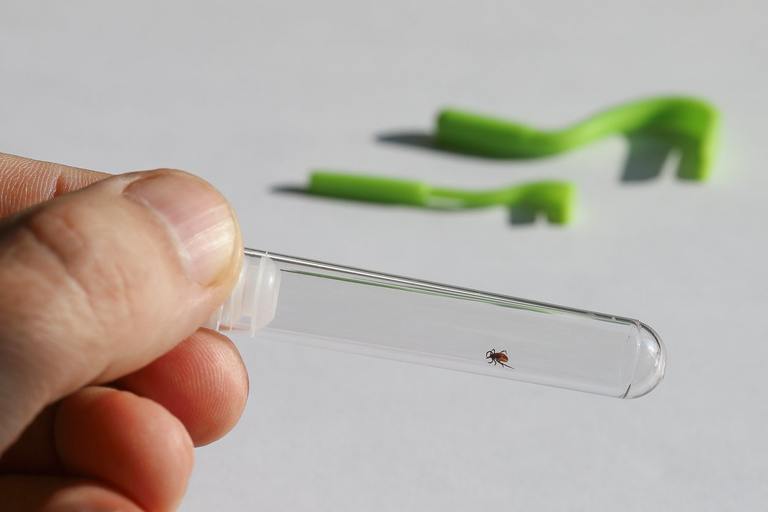
Seed ticks are the larval stage of ticks and have become a growing pest concern for homeowners and pet owners in 2025. Despite their extremely small size, often no larger than a poppy seed, these pests are capable of causing widespread irritation and stress when they invade outdoor spaces. Their small size allows them to go unnoticed until exposure has already occurred, which is why infestations often feel sudden and overwhelming.
What makes seed ticks particularly troublesome is their tendency to appear in large clusters. A single encounter can result in dozens or even hundreds of bites, turning a routine walk through the yard, garden, or wooded area into a painful and potentially risky experience. For families with pets, seed ticks can be carried indoors on fur, collars, or bedding, increasing the chances of human exposure.
If you enjoy spending time outdoors or have pets that frequent your lawn, understanding seed ticks is essential. This guide explores what seed ticks are, how their lifecycle works, how to prevent infestations, and the most effective ways to control them while protecting your family, pets, and outdoor living spaces.

What Are Seed Ticks?
Seed ticks are the first active stage in a tick’s lifecycle and are often responsible for the initial spread of ticks within residential environments. After adult female ticks lay thousands of eggs in protected outdoor areas, those eggs hatch into tiny six legged larvae known as seed ticks. From the moment they emerge, seed ticks instinctively seek out a host so they can take their first blood meal and continue developing.
Unlike adult ticks that attach individually, seed ticks often move and feed in groups. This behavior increases the likelihood of heavy exposure when someone brushes against infested grass, brush, or shaded areas. Once attached, seed ticks feed for several days before dropping off the host and molting into the nymph stage.
Because of their size and their tendency to swarm, seed ticks frequently go unnoticed until itching, irritation, or clusters of bites appear on the skin. They are capable of attaching to mammals, birds, reptiles, and humans, which makes them a serious concern for homes with pets and active outdoor spaces. Medical research has shown that even ticks in early life stages can carry and transmit disease, adding to the health risks associated with seed tick exposure.
Why Are Seed Ticks a Problem for Homeowners?
Seed ticks thrive in outdoor environments that many homeowners unknowingly create through everyday landscaping and yard habits. Overgrown lawns, shaded landscaping, leaf litter, mulch beds, and areas with consistent moisture provide the ideal conditions for ticks to hatch, hide, and survive. These environments protect seed ticks from direct sunlight and allow them to remain active longer, increasing the likelihood of contact with people and pets.
Once seed ticks establish themselves in a yard, they can spread quickly. Pets that roam through infested grass or brush can carry them indoors on fur, collars, bedding, or furniture. People may also unknowingly bring seed ticks inside on shoes, socks, or clothing after spending time outdoors, allowing the infestation to extend beyond the yard.
Unlike adult ticks, which are larger and easier to detect, seed ticks often attach in large groups and are difficult to see until symptoms appear. Homeowners may notice clusters of bites rather than a single tick attachment. These bites can cause redness, swelling, intense itching, and skin irritation that may last for days. For pets, heavy exposure can lead to excessive scratching, hair loss, skin infections, and an increased risk of tick borne illness if bites go untreated.
Because seed ticks are small, numerous, and highly mobile, infestations can escalate quickly without proper prevention and control, making them a persistent problem for homeowners if not addressed early.
Understanding the Tick Lifecycle
Knowing how ticks develop helps explain why early intervention is so important when dealing with seed ticks. Ticks progress through four distinct life stages, and each stage presents different risks for homeowners, pets, and outdoor spaces.
Egg: Adult female ticks lay thousands of eggs in protected outdoor areas such as leaf litter, mulch, tall grass, woodpiles, and shaded soil. These eggs often go unnoticed, allowing large numbers of ticks to hatch at once.
Larva or seed tick: Once the eggs hatch, larvae emerge as seed ticks and immediately begin searching for a host. At this stage, they are extremely small but highly active. Seed ticks often gather in clusters and attach to the first suitable host that brushes past their environment.
Nymph: After feeding, seed ticks drop off the host and molt into nymphs. Nymphs have eight legs and are slightly larger but still difficult to detect. They require another blood meal before continuing development.
Adult: Nymphs mature into adult ticks, which seek out larger hosts, reproduce, and lay eggs, restarting the cycle.
The full tick lifecycle can take several months or even years depending on temperature, humidity, and access to hosts. Interrupting this cycle during the seed tick stage is one of the most effective ways to reduce future tick populations and limit the risk of repeated infestations.

How to Prevent Seed Ticks in Your Yard
Prevention is the most effective defense against seed ticks, especially because these pests rely heavily on their environment to survive and spread. By making your yard less inviting and taking proactive personal and pet protection measures, you can significantly reduce the chances of a seed tick infestation taking hold.
Yard Maintenance Tips
Consistent yard maintenance is one of the most important steps in preventing seed ticks. Ticks prefer shaded, moist, and undisturbed areas, so reducing these conditions can disrupt their lifecycle.
Regular mowing keeps grass short and eliminates the tall blades that seed ticks use to climb and wait for passing hosts. Lawns that are kept trimmed are far less attractive to ticks.
Removing leaf litter, fallen branches, and organic debris reduces the protected areas where tick eggs are commonly laid and larvae can safely hatch.
Trimming shrubs, bushes, and low hanging tree branches allows more sunlight to reach the soil surface. Sunlight and dry conditions are natural deterrents for seed ticks and other pests.
Creating gravel or wood chip borders between wooded areas and your lawn helps form a physical barrier that limits tick migration into high traffic outdoor spaces such as play areas and patios.
Personal Protection Outdoors
Even with good yard maintenance, personal protection remains essential when spending time outdoors. Seed ticks can still be present in nearby natural areas or neighboring properties.
Wearing long sleeves, long pants, and socks when walking through grassy or wooded areas reduces the amount of exposed skin available for ticks to attach. Tucking pants into socks can provide added protection.
Using tick repellents containing DEET or permethrin offers an additional layer of defense. These products are especially helpful during peak tick seasons or when working in high risk areas of the yard.
Showering soon after outdoor activity helps wash away unattached ticks and allows you to check your skin for early signs of bites before seed ticks have time to embed.
Pet Care Strategies
Pets are often the first to encounter seed ticks and can unintentionally introduce them into the home. Preventative care for pets is a critical part of any tick prevention plan.
Using veterinarian approved tick preventatives such as topical treatments, collars, or oral medications helps protect pets from bites and reduces the chance of ticks spreading indoors.
Performing routine tick checks after outdoor activity is equally important. Pay close attention to areas such as ears, paws, under collars, and around the neck where seed ticks commonly hide.
Regular grooming and washing pet bedding can further reduce the risk of seed ticks establishing themselves inside the home.
For families concerned about treatment safety, this guide on pet friendly pest control provides helpful insight.

Seed Tick Control Methods
If prevention is not enough and seed ticks are already present, prompt and thorough control measures are necessary to stop the infestation from spreading. Because seed ticks are small, numerous, and highly active, addressing them quickly helps reduce biting pressure and lowers the risk of future tick populations developing in your yard.
Chemical Treatments
Tick specific insecticides remain one of the most reliable ways to control seed ticks, especially when infestations are already established. These products are available in both granular and liquid formulations and are designed to target ticks at multiple life stages, including larvae, nymphs, and adults.
Granular treatments are often applied to lawns, mulch beds, and shaded areas where seed ticks are likely to hide. Liquid treatments allow for more precise coverage of shrubs, fence lines, lawn edges, and other high risk zones. When applied correctly, these products can significantly reduce tick activity for extended periods.
Professional treatments are often more effective than do it yourself options. Pest control professionals use regulated products and strategic application methods that provide longer lasting results while minimizing unnecessary exposure to people and pets. This targeted approach helps ensure that problem areas are addressed without over treating the entire property.
Natural Control Options
Some homeowners prefer to supplement chemical treatments with natural control methods. While these options may not eliminate seed ticks on their own, they can help reduce activity when used as part of a broader control strategy.
Diatomaceous earth can help dehydrate seed ticks and other insects when applied to dry, sheltered areas such as cracks, walkways, and the edges of landscaped beds. It must remain dry to be effective and often requires reapplication after rain.
Essential oils such as cedar, eucalyptus, or lavender may act as natural repellents in high traffic outdoor zones. These products can discourage ticks from gathering in specific areas, though their effects are typically short lived and best used for temporary relief rather than long term control.
Integrated Pest Management
Integrated pest management focuses on combining multiple techniques to achieve sustainable, long term tick control. Rather than relying on a single solution, this approach addresses the environmental factors that allow seed ticks to thrive.
Monitoring tick activity is a key component of IPM. Regularly inspecting shaded areas, under decks, along fence lines, and near wooded borders helps identify problem zones early.
Cultural controls such as maintaining dry, well kept landscapes and reducing excess vegetation limit suitable habitats for seed ticks.
Biological controls, including beneficial nematodes, can also be introduced into soil to help reduce larval tick populations naturally over time. Scientific studies on tick control methods and disease transmission are available through the National Institutes of Health.
How to Remove Seed Ticks From Your Lawn
Eliminating seed ticks from your lawn requires consistency, proper product selection, and ongoing monitoring. Because seed ticks tend to cluster in specific environments rather than spread evenly across a property, a targeted and methodical approach is far more effective than treating the entire yard at random.
Start by identifying infestation zones. Carefully inspect shaded or overgrown sections of the yard, particularly lawn edges, wooded borders, fence lines, dense shrubs, and areas with leaf litter or mulch. These locations provide the protection and moisture seed ticks need to survive while they wait for people or pets to pass by.
Once problem areas are identified, apply appropriate tick control products directly to those zones. Granular or liquid treatments labeled for tick control should be applied according to manufacturer instructions. Pay special attention to lawn perimeters, shrub lines, walkways, patios, and other high traffic areas where exposure is most likely to occur.
Landscape maintenance is a critical next step. Regular mowing, trimming overgrown vegetation, and removing organic debris reduces hiding places and disrupts the conditions seed ticks rely on. Keeping the lawn open, dry, and well maintained makes it significantly harder for ticks to survive and reproduce.
Finally, continued monitoring is essential. Inspect treated areas regularly and reapply products as recommended, especially during peak tick seasons. Ongoing inspections allow homeowners to catch new activity early and prevent reinfestation before it becomes a larger and more persistent issue.

Seed Ticks and Health Risks
Seed ticks may be small, but they are capable of transmitting serious tick borne illnesses, including Lyme disease, ehrlichiosis, and tularemia. Because seed tick bites are often painless and difficult to detect, exposure may go unnoticed until symptoms begin to develop days or even weeks later.
Common symptoms following seed tick bites include redness, itching, swelling, rashes, and irritation at the bite site. In some cases, individuals may experience flu like symptoms such as fatigue, headaches, fever, or muscle aches. Pets exposed to seed ticks may show signs of excessive scratching, skin inflammation, or behavioral changes related to discomfort.
If a seed tick is found attached to the skin, it should be removed as soon as possible using fine tipped tweezers. The tick should be grasped close to the skin and pulled upward with steady pressure. After removal, the bite area should be thoroughly cleaned and monitored for signs of infection or illness. Medical attention should be sought if symptoms such as fever, rash, joint pain, or prolonged fatigue develop following a tick bite.
Conclusion: Protecting Your Home From Seed Ticks in 2025
Seed ticks may be small, but their impact on homes, pets, and outdoor spaces can be significant if they are not addressed early. Because these pests emerge in large numbers and are easy to overlook, understanding their lifecycle and behavior is one of the most important steps homeowners can take to reduce long term risk. Awareness allows for quicker identification, faster response, and more effective prevention before infestations escalate.
Consistent yard maintenance, personal protection, and proper pet care all work together to limit exposure. Simple actions such as keeping grass trimmed, reducing shaded hiding areas, checking pets regularly, and monitoring high risk zones can make a meaningful difference throughout the year. Acting during the seed tick stage is especially effective, as it helps interrupt the tick lifecycle before populations have a chance to grow and spread.
By combining preventative measures, targeted treatments, and professional support when needed, homeowners can take a proactive approach to managing tick activity. Staying informed and prepared helps protect families, pets, and outdoor living spaces, allowing you to enjoy your yard with greater confidence and peace of mind throughout 2025.