Silverfish Eggs: What They Look Like, Where They Hide, and What to Do Next

Published: October 13, 2026
Introduction
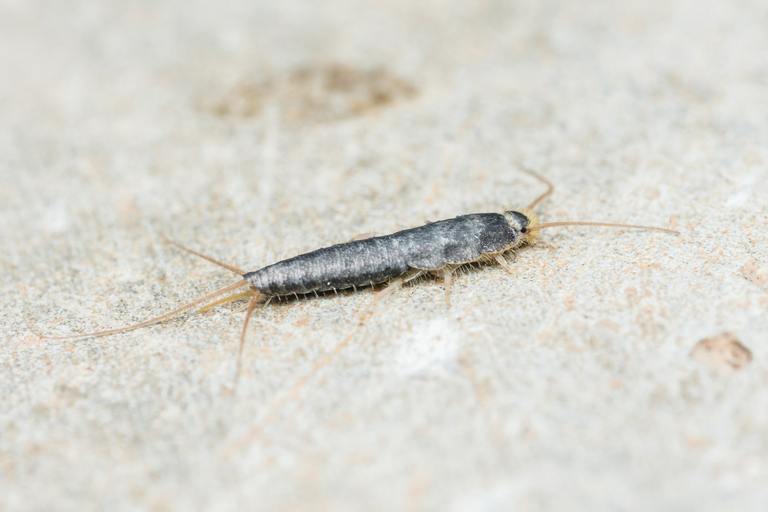
Most homeowners notice an adult silverfish first. It darts across a bathroom floor, wriggles behind a baseboard, or gets trapped in a sink when the light comes on. Finding an egg is much less common. Silverfish place their eggs in protected cracks and other hidden spaces, so the eggs can remain out of sight even when adults are appearing regularly.
That makes silverfish eggs an important clue, but not an easy one to interpret. A tiny pale object in a closet or cabinet could be an insect egg, a grain of debris, mold, food residue, or evidence from a completely different pest. The right response is to identify the evidence, inspect the conditions around it, and address the moisture, food, and shelter that allow silverfish to develop.
Here is the short answer: silverfish eggs are tiny, pale, oval eggs usually hidden in cracks, crevices, dust, fabric, or food material. They are not normally arranged in an exposed egg case. Finding them can indicate that silverfish are reproducing nearby, but homeowners should avoid treating every white speck as proof of an infestation.
What Do Silverfish Eggs Look Like?
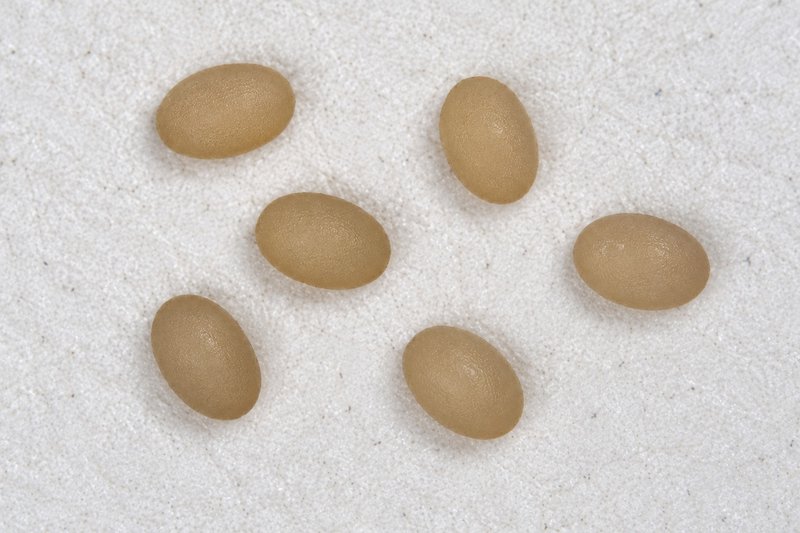
Individual eggs are approximately 1 millimeter long, or about 1/25 of an inch. They are elliptical rather than perfectly round. Fresh eggs are generally soft and whitish, then become firmer and may look cream or yellowish as they age.
The size is the main challenge. At about a millimeter long, an egg can be difficult to see without bright light and magnification. Dust, crumbs, lint, adhesive particles, and other insect evidence may look similar. A phone camera with a macro setting can help document a suspicious cluster, but a clear specimen or professional inspection is more reliable than identification from color alone.
The description of silverfish egg-laying behavior explains that females may lay eggs in crevices, on cloth, or buried in food or dust. That protected placement is why homeowners rarely see a neat group sitting in the open.
What do newly hatched silverfish look like?
Young silverfish, called nymphs, are small, pale versions of the adults. They do not have the same obvious metallic scales immediately after hatching. Their bodies are tapered, and they eventually develop the familiar antennae, three tail-like filaments, and silvery appearance as they molt and mature.
Seeing tiny white or pale silverfish near larger adults is often more useful evidence of indoor reproduction than trying to locate the eggs themselves. Nymphs move quickly and avoid light just as adults do.
Where Are Silverfish Eggs Hidden in a Home?
Female silverfish choose narrow, protected spaces near suitable moisture and food. They do not build a visible nest like a bird or place eggs in a large capsule like a cockroach. Their flattened bodies let them enter extremely small spaces, and the eggs may be deposited where routine cleaning never reaches.
Common hiding areas include:
- Cracks along baseboards and trim
- Gaps around plumbing penetrations
- The underside or rear edge of cabinets
- Loose wallpaper and wall coverings
- Seams in stored cardboard boxes
- Undisturbed paper, books, or files
- Closet corners and shelving joints
- Attic, crawl-space, and wall voids
- Dust beneath appliances or furniture
- Folded or stored fabrics in humid areas
Bathrooms, laundry rooms, kitchens, basements, closets, attics, and storage areas deserve the closest attention. In humid climates, a small leak, condensation on a pipe, weak bathroom ventilation, or damp cardboard can create a protected pocket even when the rest of the room feels dry.
For a room-specific starting point, review the conditions that support silverfish in bathroom areas. A bathroom sighting may originate behind a vanity, around plumbing, beneath loose trim, or in an adjacent linen closet rather than on the open floor where the insect became visible.
How Does the Silverfish Life Cycle Work?
Silverfish develop through three basic stages: egg, nymph, and adult. They do not have a caterpillar-like larval stage or a pupa. A newly hatched nymph resembles a smaller, paler adult and grows through repeated molts.
Temperature, humidity, species, and food availability affect development. Research on silverfish biology and development indicates that eggs are laid singly or in small groups and can hatch in roughly three to six weeks. Development can slow considerably when conditions are less favorable.
Silverfish are unusual because they continue molting after reaching adulthood. They can also live for several years under favorable indoor conditions. Populations generally build more slowly than those of cockroaches or many flies, so repeated adults, nymphs, damage, and shed skins may point to a problem that has been present for some time.
Why do humidity and temperature matter?
Common silverfish favor damp, protected areas. Moisture supports survival, and favorable warmth can speed development. That does not mean every humid bathroom contains eggs. It means an ongoing population is more likely to persist where high humidity overlaps with cracks, quiet shelter, and food such as paper, glue, dust, fabric sizing, or dry goods.
Firebrats are a closely related lookalike that favors much warmer locations, including areas around water heaters, furnaces, boilers, ovens, and hot pipes. Correct identification matters because a warm mechanical room may call for a different inspection focus than a cool, damp bathroom.
Recommended moisture-control measures for silverfish include repairing leaks, improving air circulation, and using dehumidification where appropriate. These changes reduce the conditions that help eggs, nymphs, and adults persist.

Does Finding Silverfish Eggs Mean You Have an Infestation?
A confirmed egg or group of eggs means a female found a suitable place to reproduce. It does not reveal the total population by itself. The evidence becomes more significant when it appears with live adults, pale nymphs, shed skins, feeding damage, or recurring sightings in more than one room.
Look at the pattern:
- One questionable speck with no other evidence: Preserve it or photograph it, then monitor the area.
- Egg-like objects plus adult silverfish: Inspect for moisture, paper, cardboard, fabric, dust, and nearby cracks.
- Adults and nymphs in several rooms: Activity may be moving through wall voids, plumbing chases, storage, or connected humid spaces.
- Ongoing damage to books, paper, wallpaper, or stored fabric: The population has a dependable food source and may have been active for a while.
- Repeated catches on monitoring traps: Use the locations to map a likely harborage instead of treating the whole home blindly.
A broad guide to getting rid of silverfish can help connect the reproductive evidence with adult activity, property conditions, and long-term prevention.
What Can Be Mistaken for Silverfish Eggs?
Egg identification is difficult because many household materials are tiny, pale, and oval. Before cleaning or treating, consider these common lookalikes.
Bed bug eggs
Bed bug eggs are also small and pale, but they are usually associated with sleeping or resting areas and other bed bug evidence. Look for dark fecal spotting, shed skins, live insects, and eggs attached in seams or protected cracks near beds or upholstered furniture. Skin marks alone are not enough to identify bed bugs.
Flea eggs
Flea eggs are smooth, pale, and not sticky, so they tend to fall from an animal into bedding, rugs, upholstery, or floor gaps. Pet scratching, adult fleas, and flea dirt provide more useful context than the egg-like object alone.
Cockroach egg cases
Cockroaches produce an ootheca, or egg case, that is far larger and more structured than one silverfish egg. Depending on species, the case may be tan to dark brown and have a ridged seam. It looks more like a small capsule than a loose group of white specks.
Pantry pest evidence
Flour, cereal dust, insect webbing, shed skins, and tiny eggs may collect in dry-food packaging. If the evidence is in a pantry, inspect every susceptible product before assuming silverfish are responsible. Silverfish can feed on starchy foods, but pantry moths and stored-product beetles require a different source-removal plan.
Mold, paint, adhesive, and ordinary debris
Construction dust, flaking paint, dried adhesive, mildew, and grains of litter are frequent false alarms. Eggs tend to have a consistent shape and surface, while household debris is more irregular. When the object is too small to identify confidently, collect it with clear tape or in a sealed vial for closer examination.
The All U Need pest library can help homeowners compare adult pests and related evidence before taking action.

How Should You Inspect for Eggs and Hidden Activity?
Do not start by pulling apart walls or emptying every room. Use adult sightings and environmental clues to narrow the search.
1. Map recent sightings
Write down where and when silverfish appear. Note whether the room was dark, whether a sink or shower had recently been used, and which direction the insect ran. Repeated sightings along one wall are more informative than scattered memories.
2. Check moisture first
Inspect beneath sinks, around toilet supply lines, behind washing machines, near water heaters, below attic roof penetrations, and beside HVAC equipment. Look for damp material, staining, condensation, soft trim, a musty smell, or elevated humidity.
Plumbing, roofing, HVAC, or moisture-remediation work may be necessary when the supporting condition is beyond ordinary housekeeping.
3. Inspect protected food and shelter
Use a flashlight to check baseboard cracks, cabinet joints, closet corners, stored papers, cardboard seams, bookcases, wallpaper edges, and the space beneath appliances.
Avoid shaking potentially infested boxes through the home. Move suspicious items carefully and isolate them in a clear plastic bin until they can be inspected.
4. Place monitoring traps
Sticky monitors placed along wall edges and in dark corners can reveal where insects travel. Label each trap with its location and date. Check them regularly, and keep them away from children and pets.
The goal is not to catch every insect. It is to identify the rooms and routes with the most activity.
5. Preserve useful evidence
Save an adult, nymph, shed skin, or suspected egg when possible. A specimen gives a professional far more information than a description such as “tiny white dots.” Do not crush the sample or mix evidence from different rooms.
How Do You Remove Suspected Eggs Safely?
If the evidence is accessible and the area is dry, vacuum it with a crevice tool. Vacuum nearby dust, shed skins, and debris as well. Empty the vacuum outdoors into a sealed bag, then clean the attachment according to the manufacturer’s instructions.
Wash or wipe a hard surface only when the material can tolerate moisture. Books, photographs, wallpaper, textiles, and unfinished wood may need gentler handling. Valuable or fragile items should be evaluated by a conservator or appropriate cleaning specialist rather than treated with a household pesticide.
Removing visible eggs is helpful, but it does not prove that every hidden egg, nymph, or adult is gone. Follow removal with moisture correction, monitoring, decluttering, and inspection of adjacent spaces.
Do not apply insecticide to books, clothing, bedding, food-storage surfaces, electrical components, or open living areas unless the product label specifically permits that use. Never use more product than the label directs. A pesticide can be one part of a plan, but it cannot repair a leak, lower humidity, or remove food and shelter.

How Can You Prevent Another Generation?
Prevention works best when it changes the environment across the entire life cycle. Focus on the conditions that support adults before they lay more eggs and the conditions that allow young nymphs to survive.
Reduce persistent humidity
- Run bathroom and laundry exhaust fans long enough to clear moisture.
- Repair leaking faucets, drains, supply lines, roofs, and HVAC components.
- Use a dehumidifier in persistently damp enclosed areas.
- Improve airflow in closets and storage rooms.
- Dry wet cardboard, fabric, and building materials promptly or discard them when appropriate.
Remove food and protected storage
- Replace long-term cardboard storage with sealed plastic bins.
- Store flour, cereal, pasta, pet food, and other dry goods in tight containers.
- Vacuum dust, hair, dead insects, and debris from edges and quiet spaces.
- Rotate stored books, papers, linens, and seasonal items so they can be inspected.
- Keep important documents and photographs in clean, dry, protective storage.
Close cracks and movement routes
Seal appropriate gaps around baseboards, cabinet joints, trim, and utility penetrations after confirming the area is dry. Do not block openings needed for drainage, ventilation, or equipment operation. In attached homes and multiunit buildings, silverfish may move along pipes and wall openings, so coordination with property management may be necessary.
Climate and construction change the details of control. Homeowners can review local service guidance for silverfish control in Tampa Bay, humid homes in Southwest Florida, and silverfish activity in Northeast Florida.
Coastal and warm-weather homes often need a combination of ventilation, moisture correction, storage changes, exclusion, and targeted treatment rather than one quick fix.
Why Do DIY Silverfish Treatments Sometimes Fail?
The most common failure is treating the insect that runs across the floor while leaving the harborage untouched. Silverfish spend much of their time in cracks and voids. Their eggs are protected, their food can be widely distributed, and the damp condition supporting them may be hidden.
DIY efforts also fail when homeowners:
- Treat only one bathroom even though activity extends into a closet or attic
- Spray open surfaces instead of inspecting cracks and moisture zones
- Leave damp cardboard and paper storage in place
- Assume every silverfish came up through a drain
- Stop monitoring as soon as adult sightings decline
- Confuse silverfish with firebrats, cockroach nymphs, or other insects
- Seal a damp void before correcting the leak inside it
An effective plan answers four questions: What insect is present? Where is it hiding? What conditions support it? How will the home be monitored after corrections or treatment?
When Is Professional Silverfish Control Worth It?
A single adult in a humid bathroom does not always require professional service. Start with drying, cleaning, inspection, and monitoring. Professional help becomes more valuable when the evidence suggests established activity or an inaccessible source.
Consider an inspection when:
- Adults or nymphs appear every week
- Suspected eggs occur with shed skins or feeding damage
- Activity is present in multiple rooms or levels
- Books, wallpaper, documents, textiles, or stored foods are being damaged
- The likely source is inside a wall, attic, crawl space, or plumbing chase
- Humidity remains high despite ordinary ventilation
- Traps keep catching insects after moisture and storage corrections
- Previous sprays reduced sightings only temporarily
A professional inspection should map activity, distinguish silverfish from firebrats and other lookalikes, identify moisture and food sources, and recommend targeted work. In areas such as coastal South Carolina, silverfish control for Charleston County homes may include attention to crawl spaces, raised construction, drainage, and humid storage areas in addition to interior cracks.
Treatment should be explained clearly. Ask what evidence supports the identification, where any product will be placed, what the label requires, how children and pets should be managed, which moisture repairs remain necessary, and how follow-up will be measured.
Frequently Asked Questions
Can you see the eggs with the naked eye?
They are technically visible, but their tiny size and pale color make them easy to overlook or confuse with debris. Bright light, magnification, and context from nearby adult activity improve the chance of correct identification.
Are the eggs laid in a nest?
No obvious nest is usually present. Females place eggs singly or in small groups in cracks, fabric, dust, food material, or other protected sites. Homeowners are more likely to find repeated adults, nymphs, or damage than a distinct nest.
How long do the eggs take to hatch?
Timing varies with species and environmental conditions. Under favorable conditions, hatching may occur within several weeks. Cooler or less suitable conditions can delay development.
Will lowering humidity kill every egg?
Lower humidity makes the area less favorable and is a central part of long-term control, but it should not be treated as an instant guarantee. Pair moisture reduction with cleaning, food-source management, crack sealing, monitoring, and targeted professional treatment when needed.
Do the eggs mean the home is dirty?
No. Clutter and dust can provide food and shelter, but a clean home can still have a plumbing leak, condensation, damp wall void, humid attic, or infested item brought indoors. The most useful response is to correct the supporting conditions rather than assign blame.

The Bottom Line
Because silverfish eggs are tiny and concealed, homeowners should not make treatment decisions based on one pale speck. Confirm the insect, look for nymphs and adult activity, inspect moisture and stored materials, and use monitors to understand the pattern.
Accessible evidence can be vacuumed, but lasting control requires more than egg removal. Dry the environment, repair leaks, protect paper and fabrics, reduce cardboard storage, seal appropriate cracks, and follow the activity over time. When sightings continue across multiple rooms or valuable belongings are being damaged, a professional inspection can locate the hidden conditions that surface treatment misses.