Silverfish in Bathroom: Why They Show Up and How to Get Rid of Them

Published: May 26, 2026
Introduction
Finding a quick, silvery insect near the sink or tub can be unsettling, especially when it seems to disappear the second you turn on the light. If you have noticed silverfish in bathroom areas, the good news is that they are usually more of a nuisance and warning sign than a direct health threat. The less-good news is that they rarely show up by accident.
Bathrooms give silverfish many of the conditions they like most: moisture, darkness, tight hiding places, and access to materials they can feed on. That means an occasional sighting should not be brushed off as random. In many homes, it is an early clue that humidity is staying too high, hidden gaps are giving pests easy shelter, or activity is spreading from one damp area to another.
From a pest control standpoint, the goal is not just to kill the insect you saw. The real goal is to figure out why the bathroom feels comfortable to silverfish in the first place, then remove the conditions that let them keep coming back.
Why are you seeing silverfish in bathroom areas at night?
Silverfish are nocturnal. They prefer to stay hidden during the day and come out when the room is dark and quiet. That is why many homeowners spot them when they turn on a bathroom light late at night or early in the morning.
A bathroom can be especially attractive because it often combines several silverfish-friendly conditions in one small space:
- Warm, humid air from showers and baths
- Condensation around toilets, supply lines, and exhaust fans
- Caulk gaps, baseboard gaps, and wall voids that provide cover
- Paper products, dust, lint, hair, and other organic debris
- Limited disturbance behind vanities, under sinks, and around tubs
If the room stays damp for long stretches, silverfish do not need much else. According to the guidance to keep indoor moisture under control and dry wet areas quickly, persistent moisture allows a range of household problems to build up over time. In pest work, we see that same pattern. Moisture problems rarely stay isolated. If a bathroom is humid enough for silverfish, it may also be creating better conditions for mold, mildew, and other nuisance pests.

What does a bathroom silverfish problem usually mean?
Most of the time, silverfish in a bathroom are telling you one of three things: the room is too humid, there is a hidden harborage area nearby, or the insects are moving through wall voids from another part of the home.
1. Humidity is staying high longer than you think
A bathroom does not have to look wet to support silverfish. Steam from showers, damp bath mats, slow-drying grout lines, and poor airflow can keep humidity elevated even when the surfaces seem dry.
This is one reason an exhaust fan matters so much. If the fan is weak, dirty, rarely used, or vents poorly, moisture lingers longer. Over time, that creates a more stable environment for pests that prefer damp conditions.
2. They have a hidden place to shelter nearby
Silverfish like cracks, crevices, and protected voids. Common hiding areas include:
- Behind baseboards
- Around the edges of vanities
- Under sinks
- Behind loose wallpaper
- Around plumbing penetrations
- In linen closets connected to the bathroom
- Beneath flooring transitions near tubs or showers
When homeowners tell us they keep seeing silverfish in bathroom corners, the insects are often nesting behind or beside the visible problem area rather than out in the open.
3. There may be a moisture issue beyond normal bathroom steam
Sometimes the bathroom itself is only part of the story. A slow drain leak, toilet seal issue, sweating pipe, roof leak above the ceiling, or damp wall cavity can support recurring activity. In those cases, removing a few insects will not solve much because the source condition remains in place.
That is why recurring sightings matter more than a single one. If you see one silverfish once, stay alert. If you keep seeing them every few days or every week, start looking for the condition that is supporting them.

How can you tell silverfish apart from other bathroom pests?
Homeowners sometimes confuse silverfish with young roaches, springtails, or other small insects that gather around moisture. Getting the ID right helps you avoid the wrong fix.
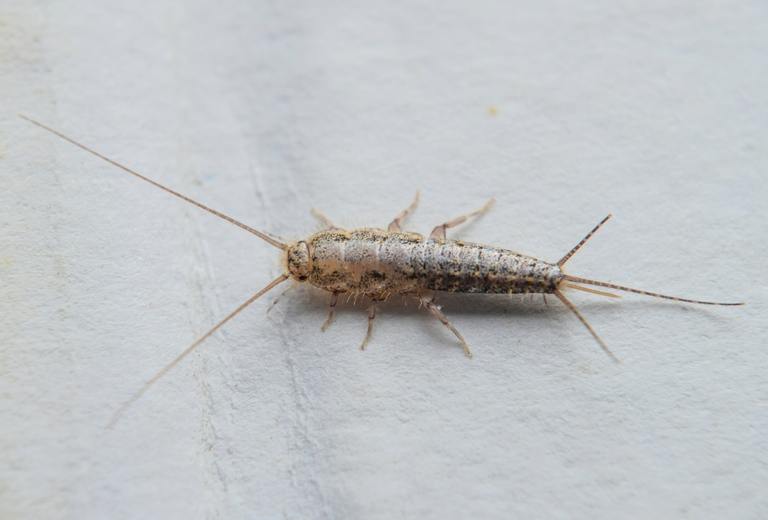
Silverfish usually have:
- A slender, teardrop-shaped body
- A silvery or gray appearance
- Very fast, wiggling movement
- Long antennae
- Three bristle-like tail appendages at the rear
They do not have the broad body shape of a cockroach nymph, and they do not hop like springtails. If you are comparing possible bathroom pests, it can help to review All U Need's pages on cockroach activity around moisture-prone rooms and common indoor spider hiding spots, since the same dark, protected areas can attract multiple pests for different reasons.
Are silverfish in the bathroom dangerous?
Silverfish are not known for biting people, spreading disease the way some other pests do, or causing structural damage like termites. But that does not mean they should be ignored.
They are a nuisance pest that can still signal a real home condition problem. They may also spread from bathrooms into closets, laundry areas, and storage spaces where they can damage paper goods, cardboard, book bindings, wallpaper paste, and fabrics that contain starches or sizing. Silverfish feed on starchy materials such as cereals, flour, paper, glue, and book bindings, which helps explain why a small bathroom issue can eventually turn into a wider household nuisance.
In other words, the insect itself is usually not the biggest risk. The persistence of the conditions that support it is what deserves attention.
Why do silverfish keep coming back after you clean?
This is one of the most common homeowner frustrations. You wipe down the counters, sweep the floor, maybe even spray a store-bought product, and then a week later you spot another one near the toilet.
A persistent silverfish in bathroom issue usually continues for one or more of these reasons:
Moisture was reduced only on the surface
Bathrooms can look clean and still stay damp in the places that matter most to pests. If humidity remains trapped under a vanity, inside wall gaps, or around plumbing openings, silverfish still have what they need.
The hiding places were never addressed
Silverfish spend most of their time out of sight. Killing the visible ones may reduce what you notice, but it does not eliminate the hidden population.
Entry points are still open
Gaps around pipes, loose trim, unsealed cracks, and separation around cabinets make it easy for silverfish to move in and out. The same conditions can also help other occasional invaders or moisture-loving pests spread through the home.
The bathroom is connected to another source area
Sometimes the main population is not in the bathroom at all. It may be in an adjacent laundry room, attic void, closet, or another damp section of the house. What you are seeing is simply where they become visible.

How to get rid of silverfish without making the problem worse
If you want lasting relief, think in layers. How to get rid of silverfish is not really a one-product question. It is a moisture, sanitation, exclusion, and monitoring question.
Lower the humidity first
Start with the condition silverfish care about most.
- Run the exhaust fan during showers and for a while afterward
- Keep the bathroom door open when possible to improve airflow
- Repair leaking faucets, drains, and supply lines
- Check for sweating pipes under sinks
- Wash bath mats and let them dry fully
- Avoid leaving damp towels piled on the floor
This matters because silverfish thrive where dampness lingers.
Clean the hidden areas, not just the visible ones
Focus on the places people skip during routine cleaning:
- Under the sink
- Behind the toilet base area
- Along baseboards
- Behind stored toilet paper or cardboard boxes
- Inside nearby linen cabinets
- Around the edges of the vanity
Vacuuming dust, hair, lint, and debris can make the area less attractive. If the bathroom backs up to storage, it also helps to reduce clutter there.
Seal cracks and gaps
Use caulk or other appropriate sealants around baseboards, gaps at plumbing penetrations, and separations near cabinets or trim. This does not just help with one visible insect. It helps remove the protected pathways that let a silverfish in bathroom problem persist.
Rethink what you store in or near the bathroom
Silverfish do best where moisture and food sources overlap. Avoid storing stacks of paper, cardboard, magazines, or extra fabric in damp bathroom-adjacent spaces. If nearby storage is necessary, sealed plastic bins are usually a better choice than cardboard.
If your home has broader dry-goods or paper-storage concerns, All U Need's resources on pantry pest trouble spots and the full pest library for common household invaders can help you spot overlapping conditions before they spread.
When should you call a professional for silverfish in bathroom areas?
You may be able to manage an isolated issue on your own if sightings are very occasional and you quickly find the moisture source. But silverfish in bathroom spaces deserve professional attention when:
- You keep seeing them after improving cleaning and airflow
- The sightings are spreading into closets, bedrooms, or laundry areas
- You suspect a hidden leak or wall-void problem
- You are seeing multiple pests tied to moisture at the same time
- Store-bought products are not changing the pattern
In those cases, the value of professional service is the inspection. A trained technician is not just looking for insects. They are looking for the reason the room keeps supporting them.
That may involve checking moisture patterns, likely harborage zones, activity in adjacent rooms, and structural gaps that homeowners understandably miss. For recurring problems, targeted silverfish treatment and identification support is usually more useful than repeated spray-and-hope efforts. If the bathroom issue turns out to be part of a wider household problem, broader home pest control service may make more sense than treating one room in isolation.

What should homeowners do first today?
If you saw silverfish this morning and want a clear starting point, begin here:
- Run the exhaust fan and reduce lingering moisture after every shower.
- Check under the sink and around the toilet for leaks, condensation, or damp materials.
- Remove cardboard, paper clutter, and unused fabric storage from the bathroom area.
- Vacuum baseboards, corners, and vanity edges.
- Seal obvious gaps around trim and plumbing penetrations.
- Track where and when you keep seeing activity.
That last step matters. Repeated sightings in the same place often reveal where the real harborage is.
The bottom line on silverfish in bathroom spaces
A silverfish in bathroom sighting is easy to dismiss because the insect is small and fast. But recurring activity usually points to conditions worth fixing, especially excess humidity, hidden shelter, or a moisture issue nearby.
The faster you address those conditions, the easier it is to keep the problem from spreading into closets, storage areas, and other quiet parts of the home. And if the sightings keep returning, it is time to stop treating the symptom alone and start treating the reason the pests are comfortable there.