
Introduction
A spider cricket is one of those pests that can make a homeowner stop in their tracks. It does not look like a normal cricket, it does not chirp like one either, and when it jumps without warning, it tends to create instant panic. In the regions we serve, these pests are much more likely to show up in garages, crawl spaces, laundry rooms, utility closets, covered patios, and other damp ground-level areas than in a basement.
That detail matters. When homeowners in warm, humid service areas start seeing spider crickets indoors, the problem usually points to conditions around the home that are especially attractive to moisture-loving pests. The insects themselves are often more startling than dangerous, but they are still a sign that something about the space is working in their favor.
What Is a Spider Cricket?
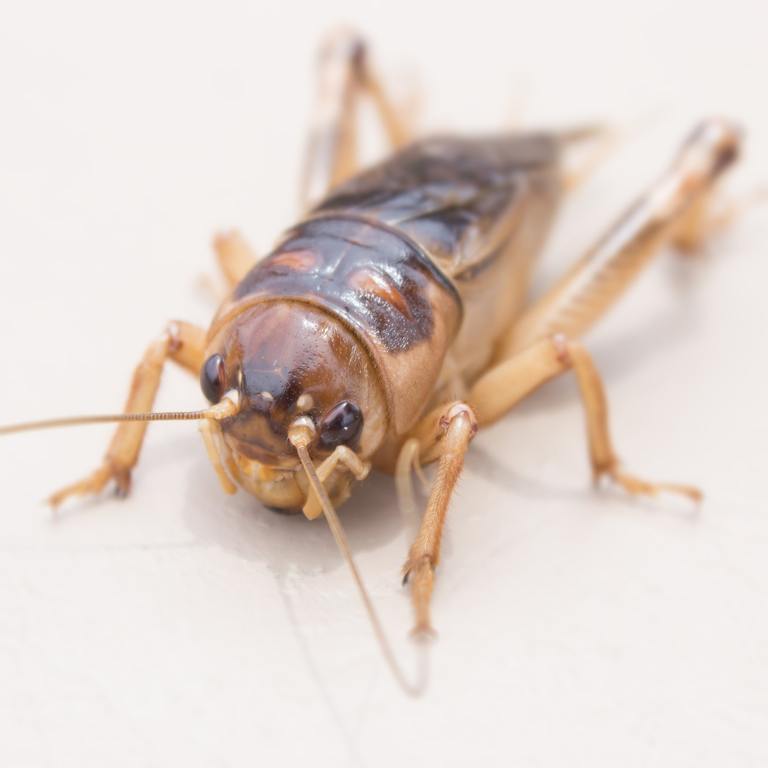
A spider cricket is also commonly called a camel cricket or cave cricket. These insects have a hump-backed body, very long antennae, and oversized hind legs built for jumping. Because of their shape and the way they move, homeowners often mistake them for spiders at first.
Unlike the crickets people hear outside on summer nights, spider crickets do not chirp. They are wingless, quiet, and most active in dark protected spaces. They prefer damp, shaded conditions and tend to stay hidden during the day.
A quick way to identify them is to look for these traits:
- a hunched or rounded back
- very long back legs
- long thin antennae
- no wings
- tan, brown, or mottled coloring
- sudden jumping when disturbed
If that description matches what you are seeing around the home, you are probably not dealing with a roach, spider, or field cricket. You are more likely dealing with camel crickets.
That matters because their behavior points to a different kind of pest issue. They are often less about food contamination and more about moisture, harborage, and easy access.

Why Is a Spider Cricket Showing Up in Your Garage or Crawl Space?
A spider cricket usually shows up indoors because the home is offering the same kind of conditions it would seek out outside: darkness, cover, moisture, and a quiet place to stay undisturbed.
University of Maryland Extension notes that these crickets are typically restricted to dark moist places such as crawl spaces and similar protected areas. That fits what we see in real homes across humid southern service regions.
Common places they turn up
In homes without basements, spider crickets are most often found in:
- garages with poor airflow
- crawl spaces with lingering humidity
- laundry rooms with moisture buildup
- utility rooms around water heaters or HVAC equipment
- storage closets near exterior walls
- covered lanais or screened patio edges
- first-floor bathrooms with chronic dampness
- shaded entry areas near foundation gaps
The exact room matters less than the overall environment. If the area stays humid, dim, and cluttered, it is much easier for these pests to settle in.
What attracts them indoors?
There are a few usual culprits:
- High humidity
Warm-weather homes often trap moisture in garages, laundry areas, and crawl spaces. If air does not circulate well, those areas can stay attractive to pests for weeks or months. - Hidden water issues
Slow plumbing leaks, condensation on pipes, HVAC drainage problems, and poor crawl space ventilation all create the kind of damp conditions spider crickets prefer. - Clutter
Stored cardboard, fabric, old boxes, bags of mulch, stacked tools, and long-forgotten bins give them cover and make inspection harder. - Exterior harborage
Leaf litter, mulch piled against the house, dense shrubs, firewood, and shaded debris near the foundation give them a place to live just outside before they move in. - Easy entry points
Garage door gaps, worn weather stripping, utility penetrations, foundation cracks, crawl space access doors, and poorly sealed thresholds all make it easier for them to get inside.
If you are already seeing other moisture-related pests around the same areas, that is another clue. Homes that support spider crickets may also support silverfish problems, cockroach activity, or even moisture ants.

What Does Their Presence Mean for the Home?
Seeing one spider cricket may not mean much on its own. Seeing several, or seeing them repeatedly in the same part of the home, usually means the environment is staying hospitable.
That is the part homeowners should pay attention to.
Spider crickets are often a moisture clue first and a nuisance pest second. If they are comfortable indoors, there may be:
- excess humidity in the crawl space
- poor drainage around the slab or foundation
- stored clutter holding moisture
- an unnoticed leak
- a recurring entry point from outside
This is one reason pest activity in garages and utility areas should not be brushed off as random. The insects may be minor, but the conditions behind them can affect more than one pest issue over time.
A dark garage corner with damp cardboard and a door sweep gap can attract much more than one kind of occasional invader. That same setting can also support general home pest activity that benefits from broader inspection and exclusion work.
Is a Spider Cricket Dangerous?
A spider cricket is usually more alarming than dangerous. Most homeowners are reacting to the surprise factor, not to a serious health threat.
These pests are not known for spreading disease in the way that roaches or rodents can. They are not venomous. They are not aggressive. When they jump, they are usually reacting blindly to a disturbance, not trying to attack anyone.
That said, there are still good reasons not to ignore them.
Why they are still a problem
- they create repeated indoor sightings
- they startle people in garages, bathrooms, and laundry rooms
- they can build up in damp hidden spaces
- they can point to a larger moisture issue
- they may damage some stored paper or soft materials over time
North Carolina State Extension notes that dark fecal smears can appear where heavier camel cricket activity is present. If homeowners are seeing repeated activity along walls, around stored items, or near crawl space access points, the problem may be more established than it first appears.
So while a spider cricket is not usually a health emergency, it is absolutely worth treating as a real household pest issue.
Where Should Homeowners Check First?
If you are trying to find the source of activity, start with the areas that stay coolest, darkest, and dampest.
Indoors
Check:
- along garage walls and corners
- around water heaters and washers
- near utility sinks
- inside laundry room cabinets
- around crawl space access doors
- in storage closets on exterior walls
- behind stacked bins and cardboard boxes
- along door thresholds that open to the yard or patio
Outside
Look at:
- mulch beds touching the foundation
- leaf buildup near entry points
- shaded corners behind AC units
- wood piles or stored planters
- overgrown groundcover
- patio edges that stay damp after rain
- foundation vents and access gaps
This kind of inspection helps you answer the real question: are the crickets just wandering in, or does the home have a protected zone that is quietly supporting them?
If the problem overlaps with other occasional invaders in the same areas, related services like spider control, millipede control, or a broader home pest inspection may be part of the next step.
How Do You Get Rid of a Spider Cricket Problem?
A spider cricket problem is best solved by changing the conditions that let it stick around. Killing the few you see may feel satisfying in the moment, but it usually does not fix the reason they are inside.
Step 1: Lower the moisture level
This is the most important step.
University of Minnesota Extension recommends taking steps to dry out damp indoor areas with fans or dehumidifiers. In practical terms, that may include:
- running a dehumidifier in the garage or laundry room
- improving crawl space ventilation where appropriate
- fixing leaking hose bibs or plumbing lines
- insulating sweating pipes
- checking AC condensate drainage
- correcting drainage that pushes water toward the house
If the humidity problem stays in place, the pest pressure often stays in place too.
Step 2: Remove hiding spots
Spider crickets love undisturbed cover. Make the area less comfortable by:
- clearing clutter off the floor
- replacing damp cardboard with sealed plastic bins
- moving stored items away from walls
- removing old fabric or paper piles
- keeping garage corners and utility rooms easier to inspect
This makes the space less attractive and helps you see whether activity is rising or falling.
Step 3: Seal the easy entry points
A lot of these pests enter from just outside the structure.
Focus on:
- garage door sweeps
- weather stripping on side doors
- crawl space access panels
- utility line gaps
- torn vent screens
- cracked thresholds
- gaps under exterior-facing doors
Good exclusion work helps with far more than spider crickets. It also reduces opportunities for other crawling pests that use the same routes.
Step 4: Improve the exterior environment
The perimeter matters more than many homeowners realize.
Helpful changes include:
- pulling mulch back from the foundation
- trimming dense vegetation near walls
- clearing leaf litter and debris
- storing firewood away from the home
- reducing shaded damp harborage near entry areas
When outdoor shelter is reduced, indoor migration often drops too.
Step 5: Monitor the problem
Sticky traps can help show where the highest activity is happening. If traps keep catching crickets in the same area, that often points to the moisture source or entry route that still needs attention.
Monitoring is especially useful in garages, crawl space access points, laundry rooms, and utility closets where sightings may otherwise feel random.

When Should You Call for Help With a Spider Cricket Problem?
A spider cricket problem may be manageable early on, especially if the issue is limited and the moisture source is obvious. But there are times when professional help makes sense.
Consider calling for help when:
- you keep seeing them after cleanup and dehumidifying
- activity is spreading into multiple rooms
- the crawl space or garage stays damp no matter what you do
- you suspect a hidden plumbing or drainage issue
- sticky traps are filling up quickly
- you are finding them around doors, patios, and utility penetrations over and over
- the spider cricket problem overlaps with roaches, silverfish, or other moisture pests
A professional inspection helps because the solution is often broader than treatment alone. The crickets themselves are only part of the issue. The real fix may involve exclusion, moisture correction, and identifying the exterior conditions helping the problem renew itself.
That is why homeowners often get the best results from a service plan that looks at the whole home instead of just one insect sighting.
What Homeowners Often Get Wrong
The most common mistake is treating spider crickets like random outdoor bugs that just happened to hop inside.
In reality, repeat sightings usually mean one of two things:
- the home has an indoor area that feels consistently damp and protected
- the exterior edge of the home is giving them easy shelter and easy access
Another common mistake is focusing only on the room where they were seen. If one jumps out in the laundry room, the true source may still be the garage wall line, crawl space access, patio threshold, or a damp utility penetration nearby.
Homeowners also tend to underestimate the role of storage. Cramped, cluttered, low-light areas give these pests more protection and make a small problem feel invisible until it becomes a frequent one.
Final Thoughts
Spider crickets are unsettling, but they are also useful messengers. In the homes we serve, they usually show up in garages, crawl spaces, laundry rooms, covered patios, and other humid ground-level areas for a reason. They are telling you the space is cool, damp, protected, and easy to access.
That is why the best fix is not just knocking down the ones you see. It is drying the area, reducing clutter, tightening entry points, and correcting the conditions that keep drawing them in.
When those steps are done well, spider cricket sightings usually become much less frequent. And if they do not, that is a strong sign the home needs a deeper inspection to uncover the moisture or exclusion problem still working behind the scenes.