Spider Pest Control for Heavy Web Buildup Around Your Front Door

Published: November 24, 2026
Introduction
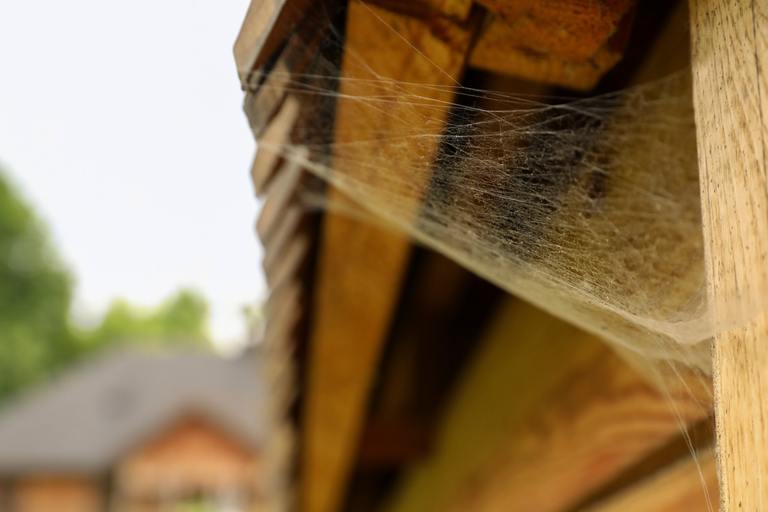
You clean the front porch, brush away a few webs, and feel good about how the entrance looks. Then, a few days later, the corners around the door are covered in silk again. There may be strands across the porch light, tangled webbing above the doorframe, or webs stretching between the railing and a nearby planter.
When the buildup becomes heavy, it can make the entrance feel neglected and turn a simple trip to the front door into a walk through sticky strands. It can also be frustrating when cleaning only seems to solve the problem for a short time.
The good news is that recurring webbing is manageable. Effective spider pest control starts by clearing the visible buildup and looking at why spiders keep choosing the same spots. For homeowners dealing with extensive webs, hard-to-reach areas, or frequent spider activity, professional help can make that process easier and provide a plan for keeping the entry more comfortable over time.
Why Do Spider Webs Build Up Around the Front Door?
A front entry can offer several things web-building spiders need in one convenient location: shelter, places to attach silk, and a regular supply of insects.
A covered porch protects webs from rain and wind. Doorframes, light fixtures, trim, columns, and railings provide attachment points. Meanwhile, a porch light can attract flying insects after dark, giving spiders a place to catch prey.
The relationship between outdoor lighting, insects, and spiders helps explain why webbing often appears near lights, windows, and doorways. The light does not need to attract the spider itself. It may attract the insects the spider feeds on.
A front door is also a high-traffic area. Even a small amount of silk is easy to notice when it hangs at face level or sticks to a package, your clothing, or your hand as you reach for the door.

Why does webbing come back after cleaning?
Removing the silk takes care of what you can see, but it does not necessarily change the conditions that made the location attractive. A sheltered corner beside a light may still offer food and a secure place to build another web.
Spiders can also arrive from nearby landscaping or other parts of the property. That does not mean cleaning is pointless. Regular removal helps prevent visible buildup and makes it easier to spot fresh activity. It simply works best alongside attention to insects, lighting, clutter, and other conditions around the entry.
Does Heavy Web Buildup Mean You Have an Infestation?
Not necessarily. A large amount of visible silk can include fresh webs, older abandoned webs, or both. Dust and debris can make old webbing look especially dense, even when the spider that built it is no longer there.
The speed and location of new buildup are often more useful clues than the total amount of old silk. After reachable areas have been cleared, watch for:
- New webs returning to the same corners within a short period.
- Several live spiders around the entrance or nearby windows.
- Webbing that interferes with the door, walkway, or porch seating.
- Silk sacs or clusters of small spiders in protected areas.
- Many flying insects gathering around the porch light.
- Similar activity spreading to the garage, patio, or other sides of the home.
One fresh web is not proof of a widespread problem. Repeated activity across several areas, however, is a good reason to take a closer look. Our guide to spiders around Southwest Florida homes offers more context on how spiders find shelter and move around residential properties.
What Can Spider Pest Control Do for a Web-Covered Entry?
Professional service can help with both the immediate mess and the conditions contributing to it. The exact work depends on the property, the provider, and the service plan, so it is worth asking what is included before the appointment.
For a heavily webbed front entry, a professional may begin by inspecting the porch ceiling, doorframe, light fixtures, corners, columns, nearby windows, and other accessible areas. They can look for live spiders, signs of rebuilding, sheltered hiding places, and insects that may be serving as prey.
A technician can also discuss removing accessible webs as part of the visit. Ask whether exterior web removal is included, which areas can be reached, and whether any height or access limits apply. Those details matter when the buildup extends above a tall entry or into difficult corners.
All U Need Pest Control’s spider control service starts with an inspection so the technician can assess the specific situation and recommend an appropriate approach.
Clearing the front door and surrounding surfaces
Heavy webbing can accumulate in layers around a doorway: thin strands across the opening, dense silk tucked behind trim, and dusty material along the porch ceiling. A professional can assess the area and, where included in the service, use appropriate tools to remove accessible buildup.
Clearing the visible silk gives the entry an immediate refresh. It also creates a useful starting point for monitoring. Once the old material is gone, it is easier to see which areas develop fresh webbing and how quickly it returns.
Removal is not a promise that no new web will ever appear. Outdoor spiders can move in from the surrounding landscape. The practical goal is to reduce troublesome buildup around the areas your household uses and make recurring activity easier to manage.
Looking beyond the visible web
A good inspection considers more than the strands hanging in plain sight. For example, a technician may notice that a porch light attracts large numbers of insects, that dense plants touch a column, or that stored items create undisturbed hiding places beside the entrance.
If the concern includes a silk sac, do not assume that every round object is a spider egg sac or reach into a hidden area to investigate. The guide to recognizing spider egg sacs explains what homeowners may find and why protected areas deserve care.
The technician can also discuss whether treatment is appropriate. Pesticides are not always necessary for exterior webbing, and a broad spray alone will not remove existing silk or fix the conditions that brought insects to the entry. Any product used must be appropriate for the pest and site and applied according to its label.

When Is Professional Spider Pest Control Worth Considering?
A few webs in reachable spots may be easy to manage during routine cleaning. Professional help becomes more useful when the job is persistent, extensive, difficult to reach, or uncomfortable to handle.
Consider an inspection when:
- Heavy buildup returns quickly. You have cleared the entry, but fresh silk keeps appearing in the same places.
- The webs are above a tall doorway or roofline. Reaching them would require unsafe stretching, climbing, or working around electrical fixtures.
- The entry is difficult to use comfortably. Webs cross the walkway, collect around the handle, or repeatedly appear near areas where children and guests pass.
- You see spiders in protected recesses. Areas behind shutters, inside equipment housings, or beneath furniture can be difficult to inspect safely.
- You suspect a medically significant spider. Do not handle an unfamiliar spider or try to identify it from web shape alone.
- Other insects are unusually active. A technician can assess whether prey activity is contributing to the recurring webs.
If you suspect a widow spider, leave it and its web undisturbed and keep children and pets away from the area. Widows can use sheltered outdoor spaces, and appearance can vary. The brown widow identification guide offers useful background, but an in-person identification is more reliable than guessing from a distance.
What Should You Expect During a Spider Service Visit?
Before the visit, make a note of where you see the heaviest webbing and when it tends to return. Photos can be helpful, especially if you clean the area before the appointment or the webs are more visible at certain times of day.
Tell the technician whether your main concern is the appearance of the front door, live spiders near the entry, webs in high areas, insects around the lights, or all of the above. That helps them understand what a successful visit would look like for your household.
A service conversation may cover:
- The locations with the most visible webs or live activity.
- Whether accessible exterior web removal is part of the plan.
- Potential insect activity around lights and nearby vegetation.
- Areas that cannot be accessed safely during the visit.
- Whether any treatment is recommended and what precautions apply.
- Maintenance suggestions and whether follow-up visits are available.
Let the technician know about children, pets, outdoor seating, and any surfaces or belongings you are concerned about. If a treatment is recommended, ask what will be used, where it will be applied, and when the area can be used again. Follow the technician’s instructions and the product label.
Will one visit keep every web away?
It is best to expect improvement, not a permanently spider-free exterior. Weather, seasonal insect activity, landscaping, and new spiders moving onto the property can all affect what happens after a visit.
A single cleanup may make a noticeable difference right away. If the entry has strong insect activity or many sheltered web sites, the longer-term result may depend on maintenance and follow-up. Ask how the company handles recurring activity and what is covered by your particular plan.

How Can Homeowners Help Keep the Front Entry Clear?
Between professional visits, small, consistent changes can make the entrance less inviting to web-building spiders. Focus on the places where webs keep returning rather than trying to eliminate spiders from the entire yard.
Keep reachable surfaces clean
Use a soft broom, web brush, or suitable vacuum attachment to remove accessible silk from doorframes, porch corners, railings, and other surfaces. Choose a tool that is gentle enough for the finish, and avoid putting your hands into gaps or behind fixtures.
Extension guidance recommends removing exterior webs with a broom or vacuum as part of a broader approach to managing spiders around a home.
Stay on stable ground. Do not lean from a ladder to reach an overhang, and do not put cleaning tools into electrical fixtures. If a web is high, dense, or near an area you cannot inspect safely, leave it for an appropriately equipped professional.
Adjust lighting without sacrificing safety
If insects gather around the porch light at night, consider a motion sensor or timer so the light is on when needed rather than continuously. A less insect-attractive bulb may also help, depending on the fixture and the insects present.
Keep the entrance safely illuminated for your household and visitors. The goal is not a dark walkway. It is to reduce unnecessary insect activity while maintaining the light you need.
Give the doorway some breathing room
Trim plants that touch the house or porch structure, and clear unnecessary items from around the entrance. Planters, decorations, and furniture do not need to disappear, but keeping them orderly makes it easier to see and clean the corners behind them.
Look for damp debris and fix obvious leaks where practical. These steps can reduce sheltered areas for various small pests and make the porch easier to maintain.
Check doors and screens
A good door sweep, intact weatherstripping, and well-fitting screens can help reduce opportunities for spiders and insects to enter the home. Repair damaged screening and address appropriate gaps around the entry.
Do not seal openings that are needed for drainage or ventilation. If you are unsure what a gap is for, check with a qualified building professional before closing it.
Why Not Just Spray the Porch?
When webs keep returning, a spray can seem like the quickest answer. But treating the surface without understanding the activity may leave the actual problem unchanged. Existing silk will still need to be removed, and insects may continue gathering around the same light or sheltered corner.
Avoid applying household chemicals or unlabeled mixtures around the doorway, light fixtures, plants, children’s belongings, or pet areas. Do not use indoor foggers as a shortcut for an exterior web problem.
Professional spider pest control gives homeowners an opportunity to have the site assessed before deciding whether a treatment is useful. In many situations, physical removal, maintenance, and changes that reduce insect activity are important parts of the plan.
Questions Homeowners Often Ask
Are spiders around the front door dangerous?
Most spiders encountered around homes are not a serious threat to people, and many help by eating insects. Still, some species can cause medically significant bites. Do not handle an unfamiliar spider, and avoid reaching blindly into sheltered areas.
If someone is bitten and develops severe or concerning symptoms, seek medical attention. A photo taken from a safe distance may help with identification, but do not delay care to capture a spider.
Should I remove every outdoor web?
Not necessarily. A web in a garden bed or another out-of-the-way area may not interfere with the household, and spiders are useful predators. It makes sense to focus on webs around doorways, walkways, seating, and other spaces where people regularly pass or where buildup has become a nuisance.
How quickly can webs come back?
There is no single timetable. New silk may appear soon after cleaning if spiders remain nearby or the entry continues to attract insects. Other homes may stay relatively clear for much longer.
Track the same areas for a few weeks rather than judging from one strand. Note whether new webs are isolated or whether dense buildup returns across the entry.
Can a professional clear webs from high areas?
A professional may be able to remove webs from some elevated areas using suitable equipment, but access and height limits vary. Describe the location when scheduling and ask whether the porch ceiling, upper entry, or eaves are included. The technician can confirm what is safely accessible at your home.
Are all outdoor spiders web builders?
No. Some spiders actively hunt rather than relying on a web to catch prey. For example, wolf spiders are active hunters, so seeing one near the porch calls for a different assessment than finding recurring webs above the door.
A Clearer Entry Starts With the Right Plan
Heavy web buildup around the front door can be more than a minor housekeeping annoyance. It affects a space your family uses every day, and repeated cleaning can become frustrating when the same strands keep appearing.
Start by paying attention to where webs form, whether they return, and what insects are gathering nearby. For extensive or hard-to-reach buildup, professional spider pest control can help assess the area, clear accessible webs when included in the service, and identify practical ways to reduce recurring activity.
The aim is not to remove every spider from the landscape. It is to keep the entrance usable and comfortable while addressing the conditions that make it a convenient place for webs to collect.