Subterranean Termite Treatment: Before, During, and After Service

Published: July 8, 2026
Introduction
Subterranean termites are one of the most important termite threats for homeowners because they can move from the soil into a house quietly, often long before obvious damage shows up. They build protected paths, stay hidden from light and dry air, and keep feeding as long as moisture and wood are available.
That is why subterranean termite treatment should never start with guesswork. A technician needs to confirm where termites are active, how they are entering, what conditions are helping them survive, and which treatment plan fits the home. For many houses, that means focusing on foundations, slab edges, crawl spaces, plumbing penetrations, porch areas, attached garages, and damp wood near soil.
This guide explains how the process works, what homeowners can expect, and why follow-up matters after the first service visit.
Why Subterranean Termites Need a Different Treatment Plan
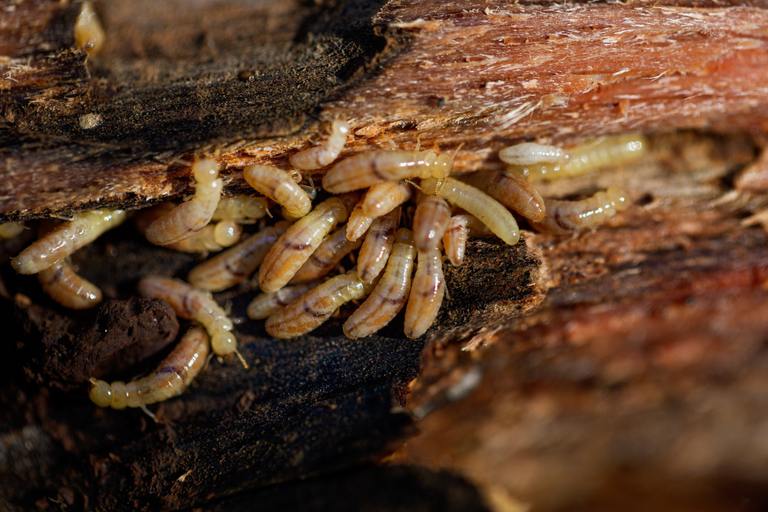
Subterranean termites live in the soil and travel into structures to reach cellulose, which includes wood, paper, cardboard, and other plant-based materials. They need moisture to survive, so they often use mud tubes to move between the ground and the home while staying protected.
That soil connection is the big difference. A subterranean termite problem is not just about the piece of wood where activity appears. The colony may be outside, beneath the slab, around the foundation, or moving through hidden construction gaps. A visible tube in the garage or crawl space may be only one part of a much larger foraging pattern.
If you are comparing signs around your home, All U Need Pest Control’s guide to termite mud tubes explains why those narrow soil-colored tunnels are such an important warning sign.

How Termite Treatment Starts With an Inspection
A professional inspection looks for active termites, previous activity, damage, entry points, and conditions that make the home easier to infest. With subterranean termites, the inspection often focuses on the lowest and most accessible parts of the structure first.
A technician may check:
- Foundation walls and slab edges
- Crawl spaces, piers, beams, and joists
- Garage expansion joints and interior slab cracks
- Plumbing and utility penetrations
- Porch steps, patios, and attached slabs
- Baseboards, door frames, and flooring near exterior walls
- Moisture-prone areas near bathrooms, kitchens, laundry rooms, and AC lines
- Wood piles, old stumps, mulch, landscape timbers, and debris near the home
Subterranean termite treatment should be based on what the inspection finds. A home with active mud tubes in a crawl space may need a different station placement and monitoring plan than a slab home where termites are entering around plumbing or expansion joints.
What does the inspector look for besides termites?
The technician is also looking for conducive conditions. These are conditions that do not guarantee termites, but make activity more likely or make control harder.
Common examples include:
- Wood touching soil
- Mulch piled against the foundation
- Leaking pipes or irrigation overspray
- Poor drainage near the house
- Clogged gutters or short downspouts
- Crawl space humidity
- Stored cardboard or lumber in garages and sheds
- Tree stumps, roots, or buried wood near the structure
The University of Florida’s termite prevention guidance notes that homeowners can reduce risk by minimizing moisture, reducing food sources, and keeping the home easier to inspect. Those same principles matter before and after treatment.

What Is the Main Subterranean Termite Treatment Option?
For All U Need Pest Control, subterranean termite treatment centers on bait systems. A bait system uses stations placed in the soil around the home, where subterranean termites are likely to forage. When termites find and feed on the bait, they carry it back through the colony network.
This approach is built around termite behavior. Subterranean termites are social insects that share food and interact with other colony members, so the system is designed to reach more than the few termites a homeowner might see at a mud tube or damaged board.
All U Need Pest Control’s Sentricon termite protection page explains how a bait-based system fits into a long-term prevention and monitoring plan for homes with subterranean termite pressure.
Why are bait systems useful for subterranean termites?
Bait systems are useful because they work where subterranean termites naturally travel: through the soil around a structure. They also create a serviceable monitoring network around the home, which matters because termite pressure can change with weather, moisture, landscaping, and nearby colony activity.
A bait system is not just an installation. It is part of an ongoing program. Stations need to be checked, activity needs to be documented, and the home should continue to be inspected for new evidence or conditions that could support termite activity.
How Is the Right Termite Treatment Plan Chosen?
A good plan answers three questions: where are termites active, how are they getting in, and what will reduce both current activity and future risk?
A technician may consider:
- Foundation type
Slab homes, crawl space homes, block foundations, and pier-and-beam structures each create different access points and station-placement needs. - Activity location
Mud tubes on an exterior wall, shelter tubes in a crawl space, or activity around a bath trap may point to different monitoring priorities. - Moisture conditions
Subterranean termites are strongly tied to moisture. Leaks, drainage problems, and damp crawl spaces can keep pressure high. - Hardscape and access
Patios, driveways, pavers, porches, and attached garages can affect where stations can be installed and serviced. - Long-term monitoring needs
In areas with year-round termite pressure, prevention and monitoring are often just as important as the initial response.
If signs are appearing in walls or drywall, All U Need Pest Control’s guide to early stage termite damage in drywall can help homeowners understand why small surface changes should be inspected before repairs cover the evidence.

What Happens During Service?
Before work begins, the technician should explain what areas need access, where stations are likely to be placed, and what the homeowner should expect afterward.
For bait-system installation, stations are placed in the soil around the property in a planned pattern. The exact placement depends on the structure, landscaping, soil, drainage, hardscape, and suspected termite travel zones. The technician may also document areas of existing activity for future comparison.
Homeowners may be asked to move stored items, open garage or crawl space access, keep pets away from work areas, or trim vegetation that blocks service areas. The process is usually straightforward from the homeowner’s point of view, but station placement and follow-up access matter.
Will activity stop right away?
Not always. Termite treatment with bait systems works through termite feeding and colony transfer, so it may take time. The goal is not just to kill the termites visible in one spot. The goal is to affect the colony through the termites’ own feeding behavior.
You may still see some evidence shortly after service, especially if tubes or damaged areas were already present. What matters is whether new activity continues, spreads, or reappears after the expected treatment window. Any fresh tubes, swarmers indoors, or new damage should be reported.
What Should Homeowners Do After Termite Treatment?
After subterranean termite treatment begins, the most important homeowner job is to avoid creating conditions that invite termites back.
Focus on moisture first. Fix leaks quickly. Keep gutters clear. Extend downspouts away from the foundation. Adjust sprinklers so they do not soak siding, foundation walls, crawl space vents, or mulch beds. If a crawl space stays damp, ask whether ventilation, drainage, or vapor barrier improvements are needed.
Next, reduce wood and cellulose near the structure. Move firewood away from the house. Remove old boards, stumps, roots, and cardboard storage. Keep mulch from piling against siding or foundation walls. Avoid direct wood-to-soil contact where possible, especially around deck posts, steps, fences, and porch areas.
Finally, keep the home inspectable. Dense plants against the house, heavy storage along garage walls, and blocked crawl space access can hide early warning signs. A clean inspection path makes follow-up more effective.

How Often Should a Home Be Checked?
Subterranean termite pressure can return because colonies forage through soil across a property and surrounding areas. Even after successful termite treatment, regular inspections help catch new activity early.
Annual inspections are a smart baseline for many homes in termite-prone regions. Homes with past activity, crawl spaces, drainage issues, heavy mulch, old tree roots, or wood-to-soil contact may need closer monitoring.
A professional follow-up may include checking bait stations, inspecting previous activity zones, looking for new mud tubes, reviewing moisture conditions, and confirming that homeowner repairs have not created new access points.
All U Need Pest Control’s termite control services are designed around both treatment and prevention because subterranean termite protection is a long-term process, not a one-day task.
What Should You Avoid Doing Yourself?
Homeowners can do a lot to reduce risk, but subterranean termite control is not a good place for trial-and-error pesticide use or disturbing an active treatment plan.
Avoid these mistakes:
- Pulling up, moving, or covering bait stations
- Spraying chemicals around bait stations without guidance
- Breaking mud tubes before taking photos or showing a technician
- Covering damaged wood before it is inspected
- Sealing access points without addressing active termites
- Ignoring leaks because treatment was started
- Stacking firewood, lumber, or cardboard against the house
- Skipping follow-up because no termites are visible
Subterranean termites are hidden by nature. If the only goal is to react to the few termites you can see, the larger colony may continue feeding elsewhere.
When Should You Schedule an Inspection?
Schedule an inspection when you see signs that may indicate active subterranean termites. The sooner the source is identified, the easier it is to choose the right plan and reduce the chance of worsening damage.
Call for an inspection if you notice:
- Mud tubes on the foundation, garage wall, crawl space, or interior surfaces
- Winged termites or discarded wings indoors
- Soft, blistered, or hollow-sounding wood near lower walls
- Buckling floors or damaged trim near moisture-prone areas
- Recurring moisture problems near the foundation
- Past termite history with no recent follow-up
If you are not sure whether the insect you found is a termite, All U Need Pest Control’s guide to what termites look like can help you compare body shape, wings, and other visual clues before professional identification.

Final Thoughts
Subterranean termites are a soil-connected problem, so the solution has to focus on how they move from the ground into the home. That means inspection, foundation and crawl space evaluation, moisture correction, bait-system placement, and a plan for monitoring after the initial work is complete.
The best termite treatment is not the one that sounds the simplest. It is the one that fits the structure, reaches the areas termites are likely to forage, and includes a plan for follow-up.
Homeowners do not need to panic when they find a mud tube or suspicious damage, but they should take it seriously. With a careful inspection, properly placed bait stations, and consistent prevention habits, subterranean termite activity can be addressed before it becomes a larger structural problem.