Sugar Ants in the House: Why They Show Up and How Homeowners Can Stop Them

Published: June 24, 2026
Introduction
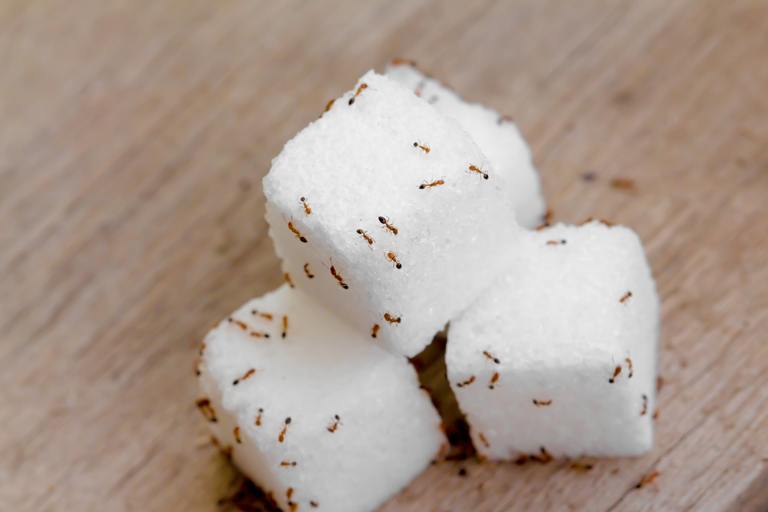
A few tiny ants on the counter can turn into a steady line across the kitchen faster than most homeowners expect. One evening there is a small cluster near a sticky juice spot. The next morning, ants are moving along the backsplash, under the sink, across the pantry shelf, or around the pet bowl. That is usually when people start calling them sugar ants.
The tricky part is that the name is not always a precise species identification. Many small household ants are drawn to sweet foods, honeydew, syrups, fruit, crumbs, and drink spills. Some nest outdoors and forage inside. Others can take advantage of wall voids, moisture, or protected spaces around the home. Either way, treating the ants you can see without understanding what is feeding or sheltering the colony often leads to the same trail returning a few days later.
This guide explains what homeowners usually mean by sweet-feeding ants, why they come indoors, what to check first, and when a professional inspection makes sense. The goal is simple: stop feeding the problem, reduce access, and make sure the colony itself is addressed instead of only the visible workers.

What Are Sugar Ants, Really?
In everyday homeowner language, sugar ants are usually small ants that show up around sweet foods or sticky residues. Pest professionals may use more specific names after identification, such as odorous house ants, ghost ants, pavement ants, Argentine ants, or other nuisance ant species depending on the region and the actual ant involved.
That distinction matters because different ants nest in different places and respond differently to treatment. A tiny ant on a kitchen counter does not automatically tell you where the nest is. The colony may be outside under mulch, pavers, landscape timbers, or soil. It may be using a crack in the slab, a gap around plumbing, a window frame, or a wall void as a travel route. In humid areas, some species also follow moisture, which means kitchens, bathrooms, laundry rooms, and exterior walls deserve attention.
A helpful way to think about the problem is this: the sweet food source is often the reason workers are visible, but it is not always the root cause. The root cause is the colony, its access points, and the conditions that make your home worth visiting.
For a broader homeowner overview of common house ant prevention, All U Need Pest Control’s guide to effective ant control tips for homes is a useful next step.
Why Do Sugar Ants Come Inside?
Ants come indoors because they are searching for survival resources: food, water, shelter, or a better route between those resources. Sweet-feeding ants are especially noticeable because kitchens and pantries give them strong scent cues.
Common indoor attractants include:
- Sticky drink spills under appliances or along cabinet edges
- Sugar, syrup, honey, jelly, candy, and baked goods
- Fruit bowls, overripe produce, and juice residue
- Crumbs behind toasters, microwaves, and coffee stations
- Pet food, pet treats, and water bowls
- Unrinsed recycling, especially cans and bottles
- Trash cans with food residue under the liner
- Condensation, leaks, or damp areas near plumbing
Research-based ant guidance often emphasizes that ants can shift food preferences, so bait or control efforts need to match what they are actively feeding on. In practical terms, that means a trail visiting honey one week may respond differently if the colony is seeking protein or grease later. This is one reason professional ant work starts with inspection and identification, not just a product.
The sweet-feeding ant guidance from Texas A&M explains why confirming what ants are feeding on matters before baiting. For homeowners, the takeaway is simple: do not assume every ant trail will respond to the same DIY approach.
Where Should Homeowners Look First?
Start where ants are active, then work backward. Ants often follow edges because edges provide protected travel routes. Look along baseboards, cabinet seams, grout lines, window tracks, door frames, plumbing penetrations, and appliance gaps.
What trail clues can tell you
A trail across the counter usually means workers found food nearby, but the direction of travel matters. Watch the ants for a few minutes before wiping them away. They may lead toward a window, a pipe opening under the sink, a gap behind a dishwasher, or an exterior wall. If the trail disappears into a crack, that location is worth noting.
If ants appear in several rooms at once, the issue may be larger than one spill. Multiple trails can suggest outdoor colonies with several entry points, or interior nesting in a protected void. If activity increases after rain, irrigation, or hot dry weather, water stress may be pushing ants into the structure.

Why kitchens are so common
Kitchens combine food, water, heat, and hiding places. Even very clean kitchens can have enough residue to feed foraging ants. A drop of syrup behind a bottle, crumbs under a toaster, or moisture around a sink rim can keep workers returning.
If your ant activity is centered around food storage or prep surfaces, review All U Need Pest Control’s focused guide on ants showing up in the kitchen for more kitchen-specific inspection steps.
Why bathrooms and laundry rooms matter too
Not every indoor ant problem is about sugar. Bathrooms, laundry rooms, and utility areas can attract ants because of moisture. A small leak, damp baseboard, loose caulk line, or condensation around pipes may provide the water source ants need.
If activity is strongest around sinks, tubs, toilets, or damp walls, the issue may overlap with moisture-loving species or hidden water access. All U Need Pest Control’s bathroom-specific article on why ants appear around bathroom moisture can help you narrow down those clues.
Are Sweet-Feeding Ants Dangerous?
Most small sweet-feeding household ants are nuisance pests rather than dangerous pests. They are not usually the same concern as stinging fire ants or wood-damaging carpenter ants. Still, a household ant trail should not be ignored.
Ants can contaminate food simply by walking through unsanitary areas and then crossing counters, dishes, or pantry items. They can also be a warning sign that entry points, moisture issues, or hidden voids are giving pests easy access. When homeowners spray visible trails again and again, they may also scatter activity or contaminate bait placements, making control harder.
Some small ants are easy to confuse with other species. Ghost ants, for example, are tiny and can be hard to eliminate because colonies may have multiple nesting sites. If the ants are pale, fast-moving, and repeatedly appearing in kitchens or bathrooms, All U Need Pest Control’s article on why ghost ants are difficult to control may be relevant.
How to Get Rid of Sugar Ants Without Making the Problem Worse
The best homeowner response is calm, methodical, and source-focused. You want to remove the immediate attractant, interrupt access where possible, and avoid actions that make colony-level control harder.
Step 1: Clean without scattering the trail everywhere
Wipe up visible ants and trails with soapy water. Soap helps remove the scent trail workers use to recruit more ants. Pay special attention to the route, not just the final food source. Clean the counter, cabinet edge, wall seam, or floor line where ants traveled.
Avoid using strong repellent sprays directly over trails if you may need baiting. University pest management guidance notes that sprays often provide temporary control and that baits can be more useful for reaching the colony when used correctly. The ant management recommendations from UC IPM also stress sanitation, entry-point sealing, and bait-based control rather than relying only on sprays.
Step 2: Remove food access for at least two weeks
Ants do not need much. A small sticky spot can keep them interested. For the next couple of weeks, tighten food storage and cleaning routines so workers have less reason to keep recruiting.
Focus on these practical habits:
- Store sugar, cereal, crackers, and baking supplies in sealed containers
- Rinse soda cans, juice bottles, and recycling before storage
- Wipe honey, syrup, jam, and sauce containers before putting them away
- Move pet food bowls after feeding and clean the surrounding floor
- Vacuum or sweep under dining areas, islands, and appliances
- Empty trash often and clean residue from the can interior
- Check pantry shelves for spills, torn packaging, or sticky rings
This does not mean your home caused the infestation. Ants are persistent foragers. The point is to remove easy rewards while the colony is being addressed.
Step 3: Look for water and entry points
Once food is managed, check for moisture and access. Under sinks, look for condensation, slow drips, damp cabinet floors, and swollen particle board. Around exterior doors and windows, look for gaps, worn weatherstripping, or cracks where ants can enter. Outside, inspect mulch, leaf litter, potted plants, irrigation overspray, and branches touching the structure.
Heavy mulch against the foundation, dense vegetation, and constant irrigation can create protected ant routes. Trimming vegetation, pulling mulch back from the foundation, and correcting drainage can make the home less attractive to a range of pests, not only ants.
Step 4: Be careful with DIY baiting
Baits can work well, but only when the ants accept the bait and carry it back. If ants are ignoring a bait, the colony may be seeking a different food source, the bait may be placed in the wrong location, or the trail may have been disrupted by sprays or cleaners.
Do not place bait where children or pets can reach it. Do not spray on top of bait or directly along a baited trail. The goal is for workers to feed and return to the colony. Guidance on effective ant baiting from NC State Extension explains why patience matters and why killing foragers too quickly can interfere with colony control.
If ants are spreading to several rooms, returning after multiple bait attempts, or appearing from wall voids, professional inspection is usually the smarter next step.

When Is a Sweet-Feeding Ant Problem a Bigger Infestation?
A small trail after a spill may be temporary. A repeating pattern is different. Homeowners should pay closer attention when activity continues after cleaning, returns in the same area every few days, or expands to multiple entry points.
Signs the issue may need professional ant control include:
- Trails returning after food sources are removed
- Ants appearing from electrical outlets, wall gaps, or ceiling lines
- Activity in both kitchens and bathrooms
- Trails that worsen after rain or irrigation
- Ants found in sealed pantry goods or multiple cabinets
- Several DIY products used with little improvement
- Ants showing up around exterior walls, patios, mulch, and indoor rooms at the same time
Professional control is not just about stronger products. It is about identifying the ant, finding the nesting and entry pattern, choosing the right treatment strategy, and adjusting follow-up based on how the colony responds. All U Need Pest Control’s ant control services are built around targeting colonies at the source rather than only treating visible workers.
How Professionals Approach Indoor Ant Problems
A good ant inspection looks at the whole route, not just the countertop. Technicians inspect interior activity, exterior conditions, moisture sources, landscape pressure, cracks, voids, and nearby nesting sites. They also consider the ant’s behavior because a strategy that works for one species may be less effective for another.
For example, some ants respond well to carefully selected baits. Others may require exterior treatments, void-focused work, moisture correction, exclusion, or a combination of steps. In warm, humid regions, recurring pressure is common because outdoor colonies can remain active for much of the year.
The most effective plans usually include:
- Identification of the ant or likely ant group
- Mapping of trails, entry points, and likely nesting zones
- Removal or reduction of food and water attractants
- Targeted treatment based on species behavior
- Exterior prevention to reduce repeat entry
- Follow-up when activity shifts or colonies are persistent
This is especially important when homeowners are dealing with more than one ant type. A home can have sweet-feeding nuisance ants in the kitchen while also having fire ants in the yard or carpenter ants around damp wood. Each problem needs the right response.
If the ants are larger, black, and associated with damp wood, trim, window frames, or sawdust-like debris, review All U Need Pest Control’s guide to getting rid of black ants around the home and consider whether a more specific inspection is needed.

How Can You Prevent Sugar Ants From Coming Back?
Long-term prevention is about making the home less rewarding and less accessible. You do not need a perfect house. You need fewer food cues, fewer moisture sources, and fewer easy entry points.
Build a simple weekly prevention routine
A practical routine is easier to maintain than a one-time deep clean. Once a week, check the areas ants are most likely to exploit:
- Wipe the pantry floor and shelf corners
- Clean under the toaster, coffee maker, and fruit bowl
- Rinse recycling and clean the bin if it smells sweet
- Check under sinks for moisture or food residue
- Inspect pet feeding areas and nearby baseboards
- Look along window tracks and sliding door thresholds
- Walk the exterior foundation for mulch, vegetation, and trailing ants
Small habits work because ant scouts are looking for small opportunities. Removing those opportunities early can prevent a few workers from becoming an established indoor trail.
Manage the outside pressure
Outdoor conditions often drive indoor ant activity. Keep mulch a few inches away from the foundation, trim branches and shrubs back from walls, reduce leaf litter, and avoid overwatering beds near the home. Seal obvious gaps around utility lines, doors, and windows when practical.
If you see ants trailing along the foundation, patio edges, or pavers, note where they are coming from and where they are going. This information helps a professional locate pressure points faster and build a more precise treatment plan.
Final Thoughts: Stop the Trail, Then Address the Colony
These ants may start as a small kitchen nuisance, but repeat trails usually mean there is a colony-level reason workers keep coming back. The most effective response is not panic and it is not random spraying. It is inspection, sanitation, moisture correction, entry-point reduction, and treatment that fits the ant’s behavior.
For homeowners, the first win is removing the easy food and water sources. The bigger win is figuring out where the ants are coming from and why they chose your home in the first place. When trails keep returning or activity spreads, professional ant control can save time, reduce frustration, and help prevent the same problem from rebuilding in a new spot.