Fall Armyworm Damage: How to Spot It and Protect Your Lawn

Published: September 21, 2026
Introduction
A lawn can look healthy on Monday and appear scorched by the weekend. When brown patches spread unusually fast and the grass blades look chewed instead of simply dry, a fall armyworm infestation may be responsible.
Despite the name, this pest is not a worm. It is the caterpillar stage of a moth, and large groups can strip green tissue from warm-season turf in a short period. Homeowners often mistake the first symptoms for drought, irrigation trouble, lawn disease, or ordinary summer stress. That delay matters because young caterpillars are easier to manage than mature ones, and most of the visible injury occurs late in the larval stage.
The right response begins with identification. Before adding more water, fertilizer, or an insecticide, inspect the damaged area closely and confirm what is actually feeding on the grass.
What Is a Fall Armyworm?
The fall armyworm is the larval stage of Spodoptera frugiperda, a nocturnal moth. Adult moths do not chew turf. Their caterpillars do the damage by feeding on grass blades, often in large numbers and sometimes moving together across a lawn.
Female moths lay fuzzy-looking egg masses on many surfaces near turf, including grass, fences, posts, walls, outdoor furniture, and landscape plants. The eggs can hatch within a few days. Tiny larvae initially feed with little obvious injury, then consume much more foliage as they grow.
According to research on the fall armyworm life cycle and turf damage, eggs in one mass hatch at about the same time. This helps explain why a lawn may seem to decline suddenly even though small caterpillars were present earlier.
The pest is especially associated with warm-season grasses. Bermudagrass, bahiagrass, centipedegrass, and St. Augustinegrass may be attacked, while grass type, turf health, weather, and the size of the infestation influence the severity of damage.

Why Does Activity Peak in Late Summer and Early Fall?
These moths thrive in warm regions and spread with successive generations and favorable weather. In parts of the Southeast, adults move into new areas on storm fronts and lay eggs in lawns, pastures, and fields. This is why damaging populations often become noticeable in late summer or early fall.
The exact timing varies by location. Homeowners using professional pest control across Florida may encounter warm-weather lawn pests for a longer part of the year. Properties needing seasonal pest management in South Carolina may see pressure build as moth generations move north. In communities served by local pest control teams in Texas, weather, rainfall, and turf conditions can also shape when outbreaks become visible.
Fresh sod and lush, irrigated turf deserve particularly close attention. Tender new growth can be attractive for egg laying and feeding. Stormy weather may move moths into an area, but an infestation does not mean the lawn was neglected. Even a carefully maintained yard can be selected.
What Does Fall Armyworm Damage Look Like?
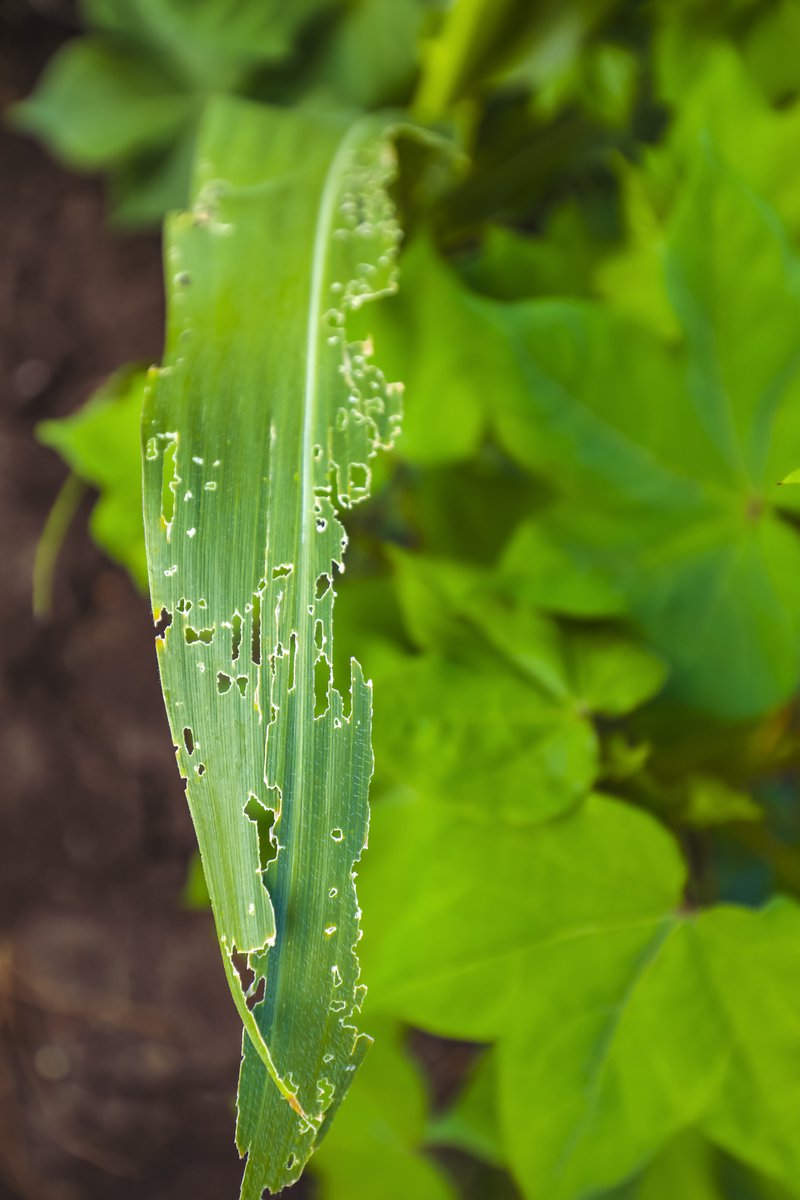
Early injury may appear as pale, transparent, or scraped areas on individual blades. As the caterpillars grow, they chew more aggressively and leave turf looking ragged, thin, brown, or freshly scalped. The transition between green and damaged grass may advance across the yard.
Common warning signs include:
- Brown or gray-green patches that expand quickly
- Ragged, notched, or partly stripped grass blades
- Green pellets of caterpillar waste low in the turf
- Clusters of birds repeatedly feeding in one area
- Caterpillars visible in the early morning, evening, or on cloudy days
- Fuzzy egg masses on nearby fences, posts, walls, or outdoor objects
- A sharp boundary between greener turf and newly damaged grass
Heavy bird activity can be an early clue because birds may notice the caterpillars before people notice widespread injury. Birds alone do not prove an infestation, however. The lawn still needs a close inspection.
How can you identify the caterpillar?
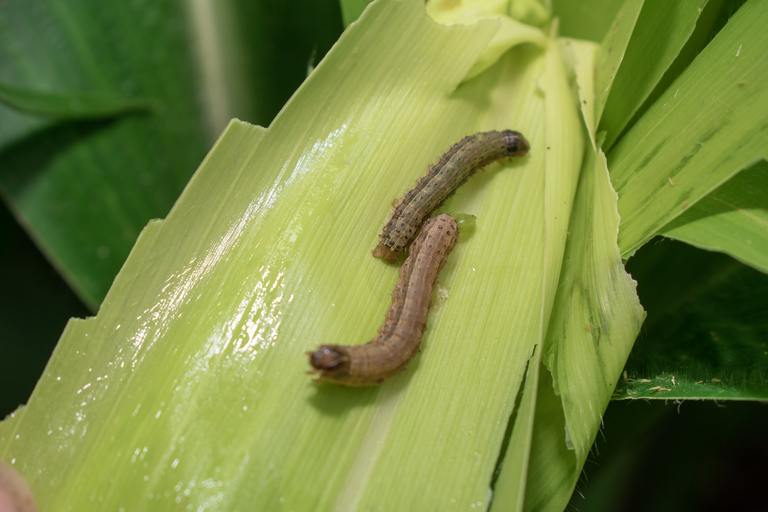
Color is not enough. Larvae can range from greenish or tan to brown or nearly black. More dependable field marks on a developed caterpillar include pale stripes running lengthwise, an inverted white or yellowish Y on the head, and four dark spots arranged in a square near the rear of the body.
Young larvae may be too small for those details to be obvious. A hand lens and clear close-up photo can help, but lookalike caterpillars are common. Turfgrass identification guidance for armyworms emphasizes combining the insect's features with the feeding pattern and condition of the lawn.
Is It Armyworm Damage or Another Lawn Problem?
Brown turf is a symptom, not a diagnosis. Several unrelated problems can produce similar patches, and treating the wrong cause can waste time while the lawn continues to decline.
Drought or irrigation gaps
Drought stress often follows sprinkler coverage, compacted soil, slopes, hot pavement, or other repeatable site conditions. Blades may fold or wilt before turning brown. Caterpillar damage is more likely to include obvious chewing, clipped tissue, caterpillar waste, or insects along the advancing edge.
Lawn disease
Disease may create rings, discolored leaf spots, rotted tissue, or patches associated with prolonged moisture and poor airflow. Caterpillar feeding leaves missing plant tissue. Because disease and insect damage can occur together, visual inspection is more reliable than judging color alone.
Sod webworms
Both pests are moth larvae that chew grass, but their appearance and behavior differ. Sod webworm larvae often hide in thatch and may leave silk near the soil surface. Small tan moths flying low over the grass can be a clue. Our guide to recognizing sod webworms and spreading brown patches explains why finding the actual larva matters.
Root-feeding or soil pests
Grubs and mole crickets damage roots or disturb the soil, so turf may feel loose, spongy, or easy to lift. Fall armyworm feeding occurs mainly above ground. The roots often remain alive even when the leaf blades look severely stripped.
Chinch bugs
Chinch bugs remove plant fluids rather than chewing away blade tissue. Their injury often develops in sunny, hot parts of susceptible turf. Look for the insects and their nymphs at the border of damaged and healthy grass instead of assuming every dry-looking patch has the same cause.
Fire ants
Fire ants build colonies in soil and create mounds and sting risk, but they do not cause the same broad pattern of chewed grass. If raised soil and aggressive ants are the primary evidence, a guide to fire ant control around lawns and high-use areas is the more relevant next step.
How Can You Confirm Fall Armyworm Activity?
Start at the edge of a patch where damaged turf meets greener grass. The center may already be abandoned if the caterpillars have moved into fresh growth. Part the blades, inspect the thatch, and look for larvae, chewed tissue, and small green or brown pellets.
Check at dawn, around dusk, or during overcast weather, when caterpillars may be easier to see. Walk slowly through the area and observe whether caterpillars are feeding near the top of the canopy. Also examine vertical surfaces near the lawn for egg masses.
Extension programs sometimes recommend a limited soapy-water flush to bring hidden turf insects to the surface. This is a monitoring tool, not a lawn treatment. Follow local extension directions, test cautiously, and avoid pouring strong cleaners or improvised chemical mixtures onto grass. A professional can inspect multiple affected areas when the turf is sensitive, newly installed, or already under severe stress.

What Should You Do When Damage Is Spreading?
Speed matters, but accuracy matters first. Use this practical sequence:
- Mark the damaged edge. Take photos and note where green turf meets brown turf so you can tell whether the patch is expanding.
- Find the insect. Inspect several points instead of relying on one caterpillar or one brown spot.
- Check the whole yard. Egg masses and small larvae may be present beyond the most obvious patch.
- Avoid automatic watering or fertilizing. More water will not stop feeding, and pushing tender growth is not always helpful during an active infestation.
- Protect the lawn from extra stress. Follow suitable mowing and irrigation practices for the grass species, and avoid scalping already damaged turf.
- Get help promptly if activity is widespread. Large caterpillars, multiple active zones, or rapidly advancing injury warrant a pest-specific assessment.
Do not mix products or apply more than a label allows. Product choice and performance depend on the caterpillar's size, turf species, site conditions, weather, and legal label directions. Broad treatment without identification can affect beneficial insects while failing to solve the actual problem.
Can the Lawn Recover After Feeding?
Often, yes. These caterpillars mainly remove leaf tissue, so established turf can regrow if the crowns, stolons, and roots remain healthy. Recovery depends on how severely the plants were stripped, whether drought or disease is also present, the grass species, and how much growing season remains.
University extension guidance notes that healthy established turf often recovers after mild to moderate feeding, while newly installed sod and severely damaged grass may need more attention. A brown appearance does not automatically mean the entire lawn is dead.
After activity stops, watch for new green growth and make sure the damaged boundary is no longer expanding. Maintain appropriate irrigation and mowing for the turf type. Avoid piling on fertilizer in an attempt to force instant recovery. If grass pulls up easily, develops rotten areas, or fails to respond as expected, another problem may be involved.

When Does Professional Lawn Pest Control Make Sense?
A homeowner may be able to monitor a small, confirmed population in healthy turf. Professional help becomes more valuable when:
- Damage expands noticeably from day to day
- Caterpillars are present across several parts of the yard
- The grass is new sod or is already stressed
- Identification remains uncertain
- The property has recurring turf-caterpillar problems
- Children or pets regularly use the affected area
- A previous treatment did not stop active feeding
The real value of a professional visit is diagnosis and timing. A technician can inspect the insect, damage pattern, thatch, irrigation, turf condition, and surrounding property before recommending a response. All U Need Pest Control builds a customized pest control program for the home and lawn around the pest and site conditions rather than treating every brown patch alike.
When control is justified, follow-up matters. Stopping the current caterpillars does not repair damaged grass immediately, and another moth flight can produce a later generation. Monitoring tells you whether feeding has ended and whether the lawn is recovering.
How Can Homeowners Reduce Future Risk?
No lawn-care routine can prevent every moth from arriving, but good monitoring can keep a small problem from becoming a surprise.
- Inspect turf weekly during late summer and early fall.
- Look closely after major weather systems or reports of neighborhood activity.
- Check fences, walls, posts, and outdoor objects for fuzzy egg masses.
- Watch newly laid sod closely for several weeks.
- Mow at the proper height with a sharp blade.
- Irrigate for the grass type and current weather, avoiding chronic stress or saturation.
- Keep notes and photos of recurring damage zones.
- Confirm the pest before applying any control product.
Healthy turf is generally better able to tolerate limited feeding, but a well-kept lawn is not immune. Early recognition is the most useful form of prevention because the smallest larvae are easy to miss and the largest larvae do the most visible damage.
Frequently Asked Questions
Do fall armyworms bite people or pets?
They are plant-feeding caterpillars and are not known for biting or stinging people or pets. The main concern around a home is damage to turf and other plants. Avoid handling unfamiliar caterpillars with bare hands, since correct identification is not always easy.
How quickly can they damage a lawn?
A large population can create obvious injury within a few days. The damage may seem overnight because small larvae feed quietly before larger larvae consume much more tissue. This is why the edge of a growing patch should be inspected promptly.
Does mowing get rid of them?
Mowing alone does not eliminate an infestation. It may expose some larvae and make inspection easier, but caterpillars can remain in the turf canopy or thatch. Avoid scalping damaged grass, which adds stress and can slow recovery.
Are the moths damaging the grass?
No. The caterpillars are the feeding stage. Adult moths matter because they mate and lay eggs, but seeing a moth does not prove that damaging numbers of larvae are present. Look for egg masses, caterpillars, and fresh chewing.
Will the problem return next year?
It can. Population pressure changes with weather, moth movement, and local conditions, so one difficult year does not guarantee the same level of damage the next year. Seasonal scouting remains worthwhile in warm regions and in lawns with a history of outbreaks.
Protect the Lawn by Confirming the Cause
A fast-spreading brown patch deserves attention, but it does not deserve a guess. Look for chewed blades, caterpillars, waste pellets, bird activity, and an advancing damage line. Compare those clues with irrigation coverage, disease symptoms, soil disturbance, and other turf pests.
When evidence points to fall armyworm activity, early identification gives the lawn its best chance to recover. Careful monitoring, sound turf care, and properly timed professional help can stop active feeding while protecting the living parts of the grass that rebuild the lawn.