How to Get Rid of Love Bugs Around Your Home and Car

Published: September 14, 2026
Introduction
Lovebugs can turn a normal drive, an open garage, or an afternoon on the porch into a sticky cleanup job. They arrive in seasonal waves, drift around sunny walls and roads, and often travel in attached pairs. Although they look dramatic when hundreds appear at once, these small flies do not bite, sting, eat wood, or reproduce inside homes.
For homeowners searching for how to get rid of love bugs, the most useful answer is not a miracle spray. It is a practical combination of timing, exclusion, airflow, landscape upkeep, and prompt cleanup. Those steps will not stop a regional flight, but they can reduce the number gathering around the places you use and prevent dead insects from becoming a bigger mess.
This guide focuses on what works, what wastes time, and when heavy flying-insect activity may deserve a closer professional look.
What Are Lovebugs?
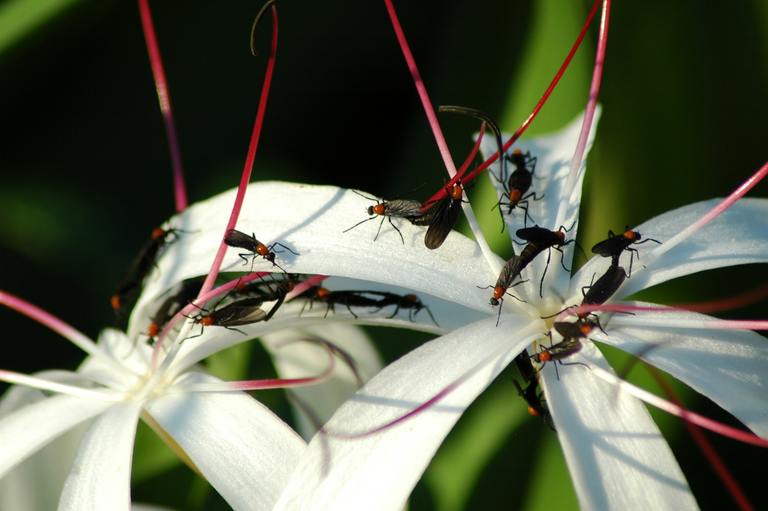
Lovebugs are small flies in the family Bibionidae. Adults have black bodies, a reddish area behind the head, and smoky-looking wings. The familiar “double bug” is simply a male and female remaining attached during mating.
They are common across Florida and other parts of the Southeast. Their immature stages develop in damp, decaying vegetation and other organic material. In fact, the larvae help break down plant debris and return organic matter to the soil. A detailed lovebug biology and behavior overview explains that larvae are associated with moist grassy habitats, pastures, and roadsides.
Adults are short-lived and do not establish colonies in wall voids, attics, or garages. A few that enter through an open door are usually accidental visitors, not evidence of an indoor infestation. Homeowners who want a broader identification reference can use our Florida pest library to compare lovebugs with other seasonal insects.

Why Are So Many Lovebugs Appearing at Once?
Lovebug activity is synchronized. Large numbers become adults around the same time, mate, disperse, and disappear within a relatively short period. Florida commonly experiences noticeable flights in spring and again in late summer into early fall. However, the exact intensity varies by location, weather, roadside habitat, and year.
Warm temperatures and bright daylight encourage adult flight. Roads are especially troublesome because vehicles pass directly through low-flying insects, while heat and exhaust-related cues can contribute to activity near traffic. Light-colored or freshly painted surfaces may also attract resting adults.
This explains why one neighborhood may be covered while another nearby sees only a few. It also explains why treating a single yard cannot eliminate insects emerging across roadsides, fields, medians, and neighboring landscapes.
For a fuller seasonal overview, see our guide to why lovebugs swarm and when they peak. This article takes the next step by concentrating on cleanup and realistic nuisance reduction.
How to Get Rid of Love Bugs Around Your Home
The best strategy is to make doors, porches, garages, and other high-use areas less accessible or comfortable during peak flights. Start with nonchemical controls because new adults can keep arriving from beyond your property.
1. Keep Doors and Garages Closed During Heavy Daytime Activity
Lovebugs do not seek food or nesting sites inside a house. Most get indoors because a door, garage, or damaged screen gives them an easy opening. During a heavy flight, keep garage doors closed when they are not in use and avoid leaving patio or entry doors propped open.
Check window screens, lanai panels, weatherstripping, and door sweeps. Repair tears and gaps before the next wave. These basic exclusion steps also help with other seasonal flying pests that wander indoors.
2. Use Fans Where People Gather
Lovebugs are not powerful fliers. A box fan or outdoor-rated ceiling fan can make a porch, covered patio, or garage work area more comfortable. Aim airflow across the space where people sit or where insects repeatedly collect.
A fan works best as a local deterrent. It will not reduce the outdoor population, but it can provide immediate relief without leaving pesticide residue on furniture, walls, or plants.
3. Remove Indoor Stragglers With a Vacuum
If several lovebugs drift inside, vacuum them from windowsills, walls, and light fixtures. Empty the canister or dispose of the bag afterward. Avoid crushing them against painted walls, curtains, or upholstery because the remains can smear.
Repeated indoor sightings over several days deserve a screen and entry-point inspection. If the insects do not match the black-and-red appearance of lovebugs, compare the situation with our guide to identifying recurring house flies. A different fly may point to trash, drains, pet waste, or another breeding source that needs attention.
4. Reduce Wet Organic Buildup, but Keep Expectations Realistic
Rake thick piles of wet leaves, manage excess grass thatch, clean clogged gutters, and correct areas where irrigation keeps plant debris constantly soggy. Keep compost managed and away from doors when practical.
These habits support overall property sanitation, but they are not a quick way to end an active flight. Lovebug larvae can develop across a broad area, and adults readily move onto a well-maintained property. Think of landscape upkeep as one part of year-round home and lawn pest prevention, not a guarantee that no lovebugs will arrive.
5. Clean Exterior Surfaces Before Remains Bake On
Rinse siding, garage doors, outdoor furniture, and screens when insects collect heavily. Use the mildest cleaning method suitable for the surface, and test cleaners in a hidden area. Prompt removal is easier than scrubbing dried remains later.
Never mix household cleaners, and keep pressure washers at a safe setting and distance for paint, stucco, screens, and seals. Too much pressure can damage the surface you are trying to protect.

How Should You Remove Lovebugs From a Car?
Vehicles take the worst of a heavy flight. The front bumper, grille, hood, mirrors, headlights, and windshield can collect hundreds of impacts during a single drive. The priority is to soften and remove the residue without grinding it into the finish.
Follow this sequence:
- Park the vehicle in shade and let hot panels cool.
- Rinse loose debris with water rather than wiping a dry surface.
- Soak the affected area for several minutes to soften dried remains.
- Wash with an automotive soap and a clean microfiber mitt.
- Use light pressure and rinse the mitt often so insect debris does not act like grit.
- Rinse thoroughly, dry with clean microfiber towels, and inspect the grille and radiator opening.
- Apply a paint protectant or wax approved for the vehicle after the surface is clean.
Research on removing lovebug residue before it hardens recommends soaking with water and cleaning soon afterward. Another homeowner guide explains that sun-baked residue can become more damaging over time, while prompt removal and a protective wax can reduce the risk.
Avoid scraping with fingernails, kitchen scrubbers, abrasive powders, dryer sheets, or rough towels. A household solvent or concentrated degreaser may dull paint, stain trim, or weaken protective coatings. When residue will not release with normal automotive washing, use a product specifically labeled for exterior vehicle finishes or ask a professional detailer.
Can Lovebugs Make a Vehicle Overheat?
It is uncommon during ordinary driving, but a very heavy accumulation can obstruct airflow through a grille or radiator. After driving through a dense swarm, look through the grille rather than reaching into a hot engine compartment. Watch the temperature gauge and follow the vehicle manufacturer’s guidance if it rises above normal. A mechanic should handle debris that cannot be reached safely.
Does Car Wax Repel Lovebugs?
Wax does not keep them from flying into a moving vehicle. It creates a smoother sacrificial layer that can make residue easier to remove. Apply it before peak activity, following the product and vehicle-care instructions, then continue washing the front of the vehicle promptly.
How to Get Rid of Love Bugs Without Overusing Pesticides
Broad spraying is rarely a satisfying answer to a regional lovebug flight. Even if a product kills adults resting on one surface, more can arrive shortly afterward. Spraying flowering plants or large areas without a specific need may also expose pollinators and other beneficial insects.
If you consider any pesticide, confirm that the label lists the intended site and use. Follow application, protective-equipment, weather, storage, and reentry directions exactly. The label is the law. These pesticide safety basics for homeowners are a sound starting point.
Never spray people, pets, vehicles, toys, outdoor dining surfaces, air-conditioning equipment, ponds, or flowering vegetation unless the label specifically permits that use. Do not combine products or increase the rate because a swarm looks severe.
When homeowners ask us how to get rid of love bugs, we set an honest expectation: exclusion and localized nuisance reduction may improve comfort, but no property treatment can stop adults moving through from the surrounding region. Professional guidance is most valuable when the insect identification is uncertain or when the property has a broader, persistent pest issue.

What Does Not Work Well Against Lovebugs?
Heavy swarms tempt people to try almost anything. These common approaches usually disappoint or create unnecessary risk:
- Routine fogging: It may knock down insects present at that moment, but it has little effect on adults that arrive later.
- Bug zappers: They do not solve a widespread outdoor flight and may kill unrelated insects.
- Stronger homemade mixtures: Unlabeled combinations can damage plants and surfaces or create exposure risks.
- Leaving residue for the next car wash: Heat and time make removal harder.
- Aggressive dry scrubbing: Dried bodies and road dust can scratch clear coat and painted surfaces.
- Treating indoor rooms as an infestation: Lovebugs generally wander inside; they do not build indoor breeding populations.
A useful plan addresses the place where the nuisance is happening. That may mean airflow on a porch, a screen repair at a lanai, better garage-door habits, a shaded vehicle wash, or identification of a different fly altogether.
When Is Professional Pest Control Worth Considering?
Lovebugs alone rarely require an intensive treatment program. A short-lived outdoor flight is usually best handled with the physical and preventive steps above. A professional inspection becomes more useful when:
- Flying insects continue well beyond the normal seasonal wave.
- Insects are emerging from drains, wall voids, trash areas, or damp indoor spaces.
- Large numbers repeatedly enter through unknown gaps.
- The insects bite, sting, or do not match lovebug identification.
- Wet organic buildup, drainage trouble, or several pest problems affect the property.
- A business entrance, outdoor seating area, or high-traffic doorway needs a practical management plan.
An experienced technician can separate temporary regional activity from a source on the property. That distinction prevents wasted treatments and helps direct attention to exclusion, sanitation, moisture, or another pest requiring targeted control. Our Florida pest control services are built around local conditions, and homeowners can check the areas currently served when broader pest pressure calls for an inspection.

Frequently Asked Questions About Lovebugs
Do Lovebugs Bite or Sting?
No. Adult lovebugs do not bite or sting people or pets. They are nuisance flies, not blood feeders, and they are not known for transmitting disease to humans. If you are being bitten, another insect is responsible and should be identified before treatment begins.
Are Lovebugs Dangerous to Dogs or Cats?
They are not considered a typical health threat to pets. Still, discourage pets from eating piles of dead insects or contacting cleaners and pesticides used during cleanup. Contact a veterinarian if a pet develops symptoms after ingesting insects or a chemical product.
Why Are Lovebugs Stuck Together?
The attached pair is mating. They may continue flying while coupled, which creates the familiar two-bodied appearance and gives them their common name.
Do Lovebugs Lay Eggs Inside Houses or Cars?
That is unlikely. Females normally lay eggs in moist, decaying plant material outdoors. Adults found in a house, garage, or vehicle usually entered accidentally.
What Time of Day Are Lovebugs Most Active?
They are daytime fliers, with activity increasing under warm, bright conditions. Keeping garage doors and entries closed during the heaviest daytime movement can reduce indoor stragglers. Local conditions still matter, so observe when they are most active around your property.
Will Lovebugs Go Away on Their Own?
Yes. Noticeable adult flights are seasonal and temporary, although they may last for several weeks and vary from place to place. Cleanup and exclusion help you live through the wave while the regional activity declines.
A Realistic Plan for Lovebug Season
Learning how to get rid of love bugs begins with recognizing what they are: harmless but frustrating outdoor flies moving through in large seasonal numbers. There is no practical way to eliminate a regional emergence from one property, and repeatedly spraying the yard is unlikely to provide lasting relief.
Focus on the areas you can control. Close and repair entry points, use fans in gathering spaces, vacuum indoor stragglers, manage wet organic debris, and rinse exterior surfaces before remains dry. For vehicles, cool, soak, wash gently, and protect the finish rather than scraping or experimenting with harsh cleaners.
If the activity persists after the seasonal wave or the insects do not match lovebugs, an inspection can identify what is actually happening. Accurate identification is often the difference between a simple temporary nuisance and a pest problem that needs a targeted response.