
Introduction
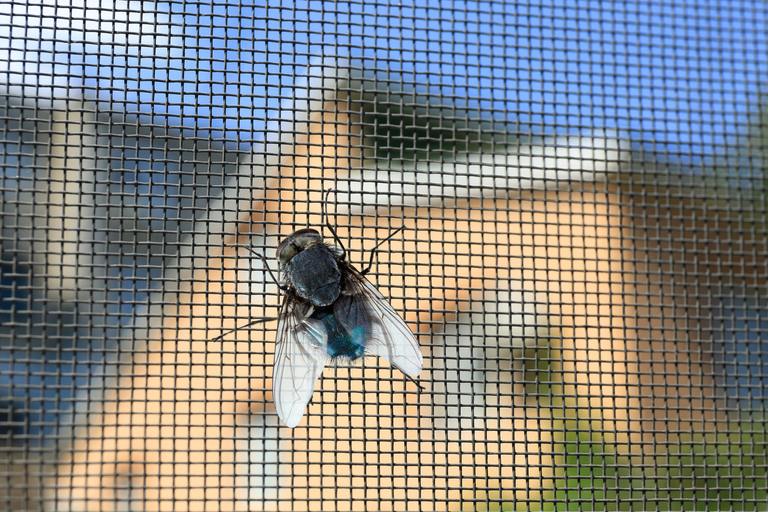
A few flies near an open door may not seem like a major pest problem. But when flies keep circling the kitchen, landing near food, gathering by windows, or showing up again after you swat the last batch, your home may be giving them something they need.
House flies are not just annoying. They are tied to trash, decaying organic material, pet waste, food residue, and other sanitation sources that homeowners often overlook. In warm, humid weather, small problems can grow quickly because flies develop fast when breeding conditions are right.
The good news is that fly problems usually make more sense once you know what to look for. This guide explains why flies keep appearing, where they may be breeding, how to reduce them safely, and when a recurring problem is worth a professional inspection.
Why House Flies Keep Showing Up Indoors
House flies are drawn to homes for three basic reasons: food, breeding material, and access. If any one of those is easy to find, flies can become a steady nuisance. If all three are present, the problem can feel like it came out of nowhere.
Flies are especially common around:
- Kitchen trash cans
- Outdoor garbage bins
- Pet feeding areas
- Pet waste in the yard
- Compost piles
- Drains with organic buildup
- Recycling containers
- Rotten produce
- Grill grease and outdoor food residue
- Doors, windows, and garage openings with poor seals
A fly problem often starts outside and moves inside. Warm trash bins near the garage, a torn window screen, or a patio door left open during meal prep can bring flies into the home. Once inside, they head toward light, food odors, moisture, and resting surfaces.
If you are also seeing larvae or suspicious white worms near trash or food waste, the issue may have moved beyond adult flies. Our guide to where maggots come from explains how fly larvae develop in decaying organic material and why finding the source matters more than just removing the visible pests.

Where Do House Flies Breed Around a Home?
House flies develop in warm, moist organic material. That can include garbage, manure, rotting vegetables, lawn clippings, food waste, and similar materials. University extension information on the house fly life cycle notes that eggs are commonly laid in warm, moist organic materials, which is why sanitation is the foundation of control.
Around a typical home, the most common breeding zones include trash areas, pet areas, garages, and outdoor spaces where food or organic residue sits too long.
Trash cans and garbage bins
Trash is one of the biggest fly attractants. The problem is not always the bag itself. Flies may breed in residue at the bottom of a can, liquid under the liner, food stuck to the rim, or material under the lid.
Watch for these clues:
- Flies hovering when the lid opens
- Odor even after the bag is removed
- Sticky liquid in the bottom of the can
- Maggots near the rim or on the floor nearby
- Flies gathering around outdoor bins in the afternoon heat
Cleaning the can matters. A fresh bag in a dirty container may still leave enough residue to keep flies interested.
Pet waste and animal-related sources
Pet waste in the yard can support fly activity, especially in shaded or damp areas. Pet food bowls can also attract flies if food is left out for long periods. If you have outdoor pets, chickens, nearby livestock, or wildlife activity, fly pressure can build around the property even when the kitchen is clean.
Clean up pet waste frequently, rinse outdoor bowls, and avoid leaving wet food outside. If the fly problem is concentrated near one side of the home, check nearby animal activity before assuming the source is indoors.
Drains and moisture areas
Not every small fly near a drain is a house fly. Drain flies, fruit flies, fungus gnats, and phorid flies can all be mistaken for each other. The source matters because each one points to a different condition.
If flies are fuzzy, moth-like, and resting near sinks or showers, they may be drain flies. If the activity is centered on produce, recycling, or fermented liquids, fruit flies may be involved. If flies are running quickly across counters or appearing near plumbing, phorid flies may point to hidden organic matter or moisture.
For a closer comparison, see our guide explaining why drain flies are different from fruit flies, gnats, and house flies.
Outdoor food and patio residue
Summer cookouts, grills, trash bags, coolers, and outdoor dining areas can all attract flies. A grill drip tray, spilled drink, uncovered trash bag, or food residue on patio furniture may be enough to create repeated activity.
This is why flies often seem worse near patios, lanais, garages, and sliding doors. The source may be outside, but the adults move indoors every time the door opens.

Are House Flies Dangerous?
House flies do not bite, but they can create sanitation concerns. They move between waste, decaying material, and food-contact surfaces. Public health guidance on filth flies explains that they may contaminate food and preparation surfaces after contacting garbage, manure, carrion, or other unsanitary material.
That does not mean every fly landing on a counter creates an emergency. It does mean recurring fly activity should be taken seriously, especially in kitchens, pantries, food prep areas, nurseries, and homes with pets or vulnerable family members.
A few practical steps help reduce risk:
- Wipe food-contact surfaces after flies have been active.
- Keep prepared food covered indoors and outdoors.
- Store fruit in the refrigerator during heavy fly pressure.
- Empty trash before food waste sits overnight.
- Wash trash cans and recycling bins, not just the liners.
- Keep pet waste and pet food areas clean.
If flies are landing around stored dry goods, inspect for a separate pantry pest issue. Beetles, moths, and weevils are different pests, but food storage problems can overlap. Our pantry pest control guidance can help homeowners think through stored-food risks when kitchen pests keep appearing.
How to Prevent House Flies Before They Build Up
The best fly control usually combines sanitation, exclusion, moisture control, and targeted treatment where appropriate. Spraying adult flies may knock down what you see, but it will not solve the problem if breeding material remains nearby.
The EPA describes integrated pest management as a practical approach that uses common-sense prevention and control methods instead of relying on one tactic alone. That approach fits fly control well because flies are usually responding to conditions around the home.
Start with the source
Before using sprays, traps, or plug-in devices, walk the property and look for the source. Focus on where flies are most active.
Check these places first:
- Indoor trash cans
- Outdoor garbage bins
- Recycling bins
- Pet waste zones
- Compost containers
- Garage corners
- Grill drip trays
- Fruit bowls
- Pantry shelves
- Mop buckets
- Floor drains
- Utility sinks
- Damaged screens
- Door sweeps
- Weather stripping
If flies are mostly at windows, they may already be indoors and trying to get back outside. If they are mostly around trash or drains, the source may be close. If they are gathering at one entry point, an outdoor source may be feeding adults into the home.
Clean what holds residue
A common mistake is removing the obvious trash while leaving the residue behind. Fly-attracting material can hide in places that look minor at first glance.
Clean:
- The bottom of trash cans
- The underside of lids
- Recycling bins with soda, beer, or juice residue
- Pet bowl mats
- Garage floors under bins
- Outdoor trash storage pads
- Grill grease trays
- Drip pans
- Drain covers and sink strainers
Use ordinary cleaning methods that match the surface. The goal is not to make the home sterile. The goal is to remove the moist organic material flies need.
Improve exclusion
Once the source is reduced, make it harder for adult flies to enter.
Helpful exclusion steps include:
- Repair torn window and lanai screens.
- Add or replace door sweeps.
- Keep garage doors closed when not in use.
- Use tight-fitting lids on outdoor bins.
- Move trash bins away from doors when possible.
- Keep doors closed during food prep.
- Seal gaps around utility penetrations where pests enter.
- Avoid placing compost or pet waste stations near entry points.
For many homeowners, exclusion is the step that turns a constant problem into an occasional one. It is especially important in homes where children, pets, deliveries, or outdoor living keep doors opening throughout the day.
Use traps as monitoring tools
Fly traps can help, but they should not be the whole plan. Sticky traps, light traps, and baited traps are most useful when they help confirm where adults are moving.
Place traps where flies are already active, but keep them away from food prep surfaces and out of reach of children and pets. If a trap fills quickly for several days, that usually means a source is still active.

Why Do Flies Come Back After You Clean?
If flies return after a thorough cleaning, there are a few likely explanations.
The breeding source is hidden
A dead rodent in a wall void, old food under an appliance, residue under a trash liner, or organic buildup in a drain can keep producing flies. In these cases, the visible adult flies are only the symptom.
The source is outside
Outdoor bins, pet waste, compost, animal activity, or a neighboring source may be producing adults that drift toward your home. This is common during hot, humid weather when fly activity increases quickly.
The pest is not actually a house fly
Small flies are easy to misidentify. Fruit flies, phorid flies, drain flies, fungus gnats, and house flies all point to different conditions. Misidentification can lead to wasted effort because the wrong source gets cleaned.
Entry points are still open
A home can be clean and still have flies if doors, screens, and garage gaps are letting them in. This is common around kitchens, patios, and attached garages.
If you live in a warm-weather area where pests stay active for much of the year, recurring fly pressure may be part of a larger perimeter issue. A local inspection through home pest control in Sarasota or home pest control in Naples can help identify whether flies are tied to trash areas, moisture, entry points, or other nearby pest activity.
What Should Homeowners Avoid Doing?
Fly problems are frustrating, and quick fixes are tempting. Still, some common approaches can make the situation less safe or less effective.
Avoid these mistakes:
- Spraying food prep surfaces with indoor insecticide
- Using outdoor pesticides inside the home
- Ignoring trash can residue after removing the bag
- Leaving pet waste in the yard during heavy fly pressure
- Letting fruit, onions, or potatoes rot in storage
- Assuming all small flies come from drains
- Relying on candles, oils, or gadgets without source control
- Placing traps where they attract flies closer to eating areas
Homeowners should be especially careful with pesticide use in kitchens, nurseries, pet areas, and around people with respiratory sensitivities. When treatment is needed, it should be targeted, label-compliant, and paired with source correction.
When House Flies Point to a Bigger Pest Problem
A recurring fly issue can be a clue that something else is happening around the home. Professionals do not just look at the adult flies. They inspect the conditions that support them.
A professional inspection may be worthwhile if:
- Flies keep returning within a day or two of cleaning.
- You see maggots indoors.
- There is a strong odor near a wall, cabinet, attic, or crawl space.
- Flies are concentrated around one room or one wall.
- You suspect a dead animal source.
- The problem is tied to a restaurant-style outdoor kitchen, trash area, or rental property.
- You cannot tell whether the pests are fruit flies, drain flies, phorid flies, or larger filth flies.
- Screens and doors are sealed, but flies are still appearing inside.
A broader professional pest control plan can help when the issue is not limited to one trash can or one open door. The most effective service approach looks at sanitation sources, entry points, moisture, exterior resting areas, and related pests that may be contributing to the problem.
How Professionals Approach Fly Control
Professional fly control starts with identification. The species and behavior tell the technician where to look. Large flies near windows may suggest a different source than tiny flies near a sink. Activity around a garage may point to trash, while activity around a bathroom may suggest a drain or moisture concern.
A good inspection may include:
- Identifying the fly type
- Checking trash and recycling areas
- Inspecting drains and moisture zones
- Looking for animal-related sources
- Reviewing door and screen gaps
- Checking garages, patios, and outdoor kitchens
- Looking for nearby breeding material
- Recommending sanitation and exclusion changes
- Applying targeted treatments only where appropriate
This is where experience matters. Homeowners often see the flying adults first, but pest professionals are trained to look for the source that keeps producing them.

Can You Get Rid of Flies Without Professional Help?
Sometimes, yes. If the problem is limited to a dirty trash can, overripe fruit, a torn screen, or a pet waste area, homeowners can often make a major difference with cleaning and exclusion.
Start with a 48-hour reset:
- Empty all indoor trash.
- Wash indoor trash cans and lids.
- Remove overripe produce.
- Rinse recycling containers.
- Pick up pet waste.
- Clean outdoor bins.
- Check screens and door sweeps.
- Cover food during meals.
- Keep doors closed as much as possible.
- Monitor where new flies appear.
If activity drops sharply, you likely found the source. If it continues, widen the search. Check drains, garages, crawl spaces, attic access points, and outdoor areas near entry doors.
When the source is hidden, recurring, or tied to sanitation risks, professional help can save time and reduce guesswork.
Final Thoughts
House flies are common, but a steady indoor fly problem is usually telling you something. There may be food residue, trash buildup, pet waste, moisture, an entry gap, or hidden organic material that needs attention.
The most reliable approach is not just swatting adults. It is finding the source, cleaning the material they need, keeping them out, and using targeted pest control when the problem keeps coming back. With the right inspection and prevention steps, homeowners can reduce fly pressure and keep kitchens, patios, garages, and living spaces cleaner and more comfortable.