Fire Ant Control: How to Protect Your Yard Before Mounds Take Over

Published: June 30, 2026
Introduction
Fire ants can turn an ordinary lawn into a problem area fast. One week the yard looks normal, and the next you see raised mounds near the driveway, along the fence, beside the patio, or in a sunny patch of turf where kids and pets play. The biggest mistake homeowners make is treating each mound like an isolated pile of dirt. In many yards, the visible mound is only the part of the colony you can see.
Effective fire ant control starts with understanding how these ants live, why mounds keep coming back, and which yard conditions make activity worse. A smart plan does more than knock down the mound you noticed today. It reduces active colonies, protects high-use areas, and helps keep new colonies from getting established around the home.
Why Fire Ants Are Different From Ordinary Yard Ants
Fire ants are not just another nuisance ant. They are aggressive, fast to defend their colony, and capable of stinging repeatedly when a mound is disturbed. The red imported fire ant is also an invasive species that has spread widely across warm parts of the United States. The USDA notes that red imported fire ants can sting people, pets, and livestock, which is why a mound in the wrong spot can quickly become a safety issue.
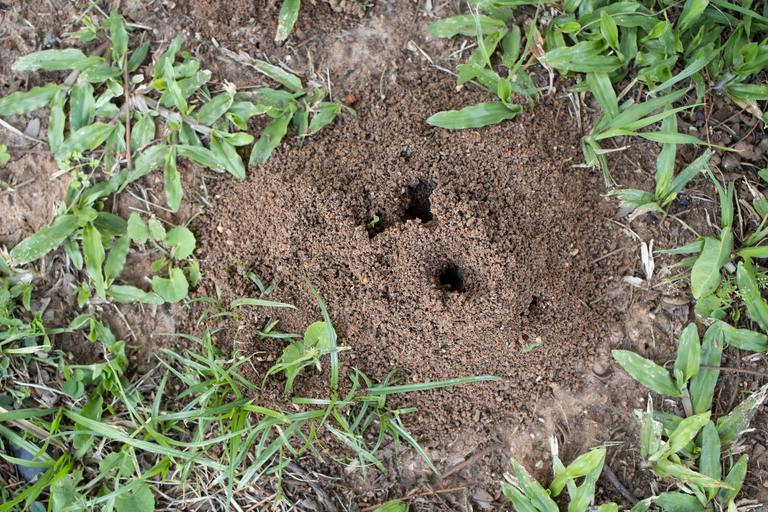
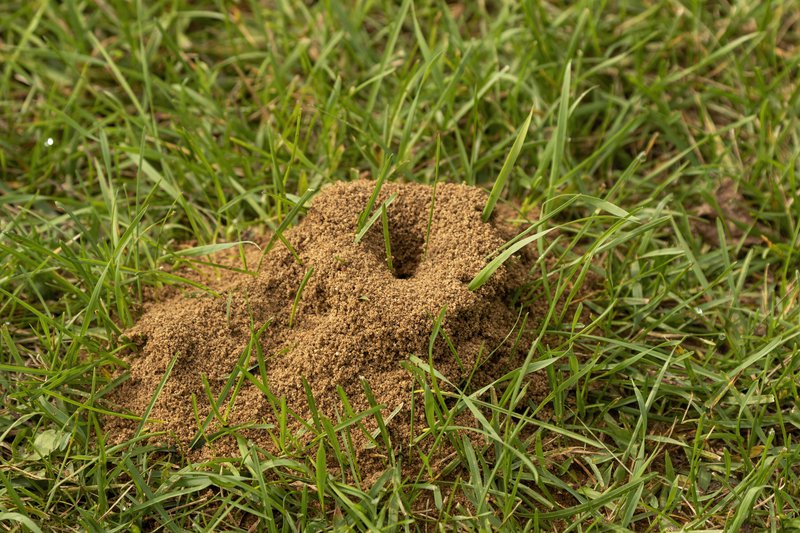
Fire ant colonies usually build mounds in open, sunny areas. You may see them in lawns, landscaped beds, along sidewalks, around irrigation heads, near driveways, or beside outdoor equipment. After rain, irrigation, or soil disturbance, mounds may become more noticeable because workers move soil upward as they rebuild tunnels.
Unlike some ants that mainly become a kitchen problem, fire ants are often a lawn and landscape problem first. They can still move close to homes, forage around patios, or appear near pet bowls and outdoor food, but the colony itself is usually tied to soil. That is why professional fire ant pest control often focuses on outdoor inspection, colony behavior, and lawn conditions instead of only treating indoor entry points.
What Makes Fire Ant Control Hard?
Fire ant control is challenging because the mound is not the whole colony. Fire ants live in underground tunnel systems, and the queen or queens are protected below the surface. If a treatment only kills workers at the top, the colony may survive and rebuild.
Several factors make fire ants persistent:
- Colonies can relocate when disturbed.
- New mounds can appear after heavy rain or irrigation.
- Workers forage away from the mound, so activity may show up before the nest is obvious.
- Some yards have multiple colonies at once.
- DIY products can be misapplied, washed away, or used at the wrong time.
Homeowners often pour products directly onto a mound, see activity drop for a few days, and assume the problem is gone. Then a new mound appears nearby. Sometimes that means the colony survived. Other times, another colony was already present but unnoticed.
Where Do Fire Ant Mounds Usually Show Up?
Fire ants favor warm, open, disturbed soil. In residential yards, that often means sunny turf and landscape edges. Mounds may be especially common in places where the soil is loose, irrigated, or recently changed.
Check these areas carefully:
- Along sidewalks, curbs, and driveways where soil warms quickly.
- Around sprinkler heads, valve boxes, and irrigation lines.
- Near patios, pool decks, playsets, and outdoor seating.
- In thin or stressed turf where soil is exposed.
- Around garden beds, mulch edges, and landscape borders.
- Near AC pads, utility boxes, and other protected exterior features.
A mound near a low-traffic fence line is one thing. A mound beside a playset, mailbox, dog run, or patio is another. The closer fire ants are to daily activity, the more urgent the response becomes.
How Fire Ant Control Works in a Yard
A good plan usually combines inspection, baiting, targeted mound treatment, and prevention. The goal is to reduce colonies without stirring them up unnecessarily or relying on one quick fix.
Extension programs often describe a two-step approach: broadcast bait over a larger area when ants are actively foraging, then treat individual problem mounds as needed. Texas A&M AgriLife Extension explains that the two-step method combines broadcast baiting with individual mound treatment, which helps address both visible and hidden activity.
For homeowners, the important point is not to copy a formula blindly. It is to understand why a layered approach works better than chasing one mound at a time. Baits are designed to be picked up by foraging workers and shared within the colony. Mound treatments are used when a specific mound creates an immediate concern or remains active.
When Is Bait Most Effective?
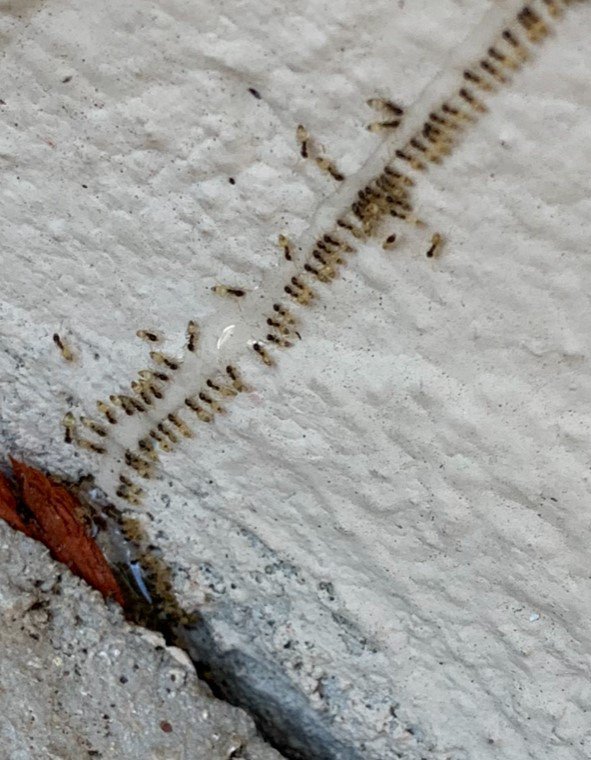
Bait depends on foraging. If workers are not actively searching for food, they may not collect enough bait for it to work well. Extremely hot, cold, rainy, or wet conditions can reduce bait pickup. Irrigation immediately after baiting may also interfere with results, depending on the product.
A simple professional rule of thumb is this: bait works best when the ants are moving, the ground is dry enough, and the product can remain available long enough for workers to find it. Labels matter, and so does timing.
Why Do Some Mound Treatments Fail?
Mound treatments can fail when they do not reach the colony, when the wrong amount is used, or when the mound is disturbed before treatment has time to work. Fire ants can also move deeper into the soil during stress. That means a surface-only approach may kill visible workers while leaving the colony intact.
This is also where safety matters. Kicking, flooding, mowing over, or digging into a mound can trigger a fast defensive response. If the mound is in a high-risk location, especially near children, pets, or walkways, it is better to avoid disturbing it until there is a clear treatment plan.
Can You Get Rid of Fire Ants Permanently?
A single treatment can reduce active colonies, but permanent elimination from an entire neighborhood is not realistic in many warm regions. Fire ants can reinvade from nearby properties, road edges, drainage areas, vacant lots, and untreated lawns. The better goal is ongoing suppression and prevention around the spaces your household uses most.
Think of it the way you would think about mosquito or tick pressure. You can reduce risk significantly with the right plan, but outdoor pest pressure changes with weather, season, and surrounding properties. That is why a one-time mound treatment may not be enough for yards with recurring activity.
For homeowners who see repeated ant issues indoors and outdoors, a broader ant control strategy can help identify the species, locate activity zones, and match treatment to the colony instead of guessing.
What Should Homeowners Avoid Doing Around Fire Ant Mounds?
Some DIY habits can make fire ant problems more dangerous or less predictable. The goal is to reduce the colony, not provoke it.
Avoid these common mistakes:
- Do not kick, rake, or flatten a mound to see if it is active.
- Do not let children or pets investigate mound openings.
- Do not pour random household chemicals into the soil.
- Do not mix products or use more than the label allows.
- Do not assume boiling water is a safe solution near turf, roots, pets, or people.
- Do not mow directly over active mounds without caution.
Boiling water, gasoline, bleach, and other household shortcuts can damage grass, harm desirable plants, create safety hazards, or fail to eliminate the colony. Fire ant work should be precise, especially around lawns, gardens, patios, and pet areas.

How Can You Make Your Yard Less Attractive to Fire Ants?
You cannot make a warm southern yard completely fire-ant-proof, but you can reduce conditions that make activity harder to manage. Prevention works best when it focuses on food, moisture, harborage, and routine inspection.
Start with these steps:
- Keep outdoor eating areas clean after meals.
- Pick up pet food once pets are done eating.
- Repair irrigation leaks and avoid overwatering the lawn.
- Improve drainage where soil stays damp for long periods.
- Keep turf healthy so bare soil is less exposed.
- Move stored items, boards, and debris off the ground when possible.
- Check utility boxes, AC pads, and landscape borders before yard work.
Fire ants are opportunistic. They do not need a messy property to move in, but food scraps, water issues, and neglected edges can make the yard more inviting. A consistent inspection routine helps you catch mounds while they are still small and before they are sitting in the middle of a high-use area.
Why Timing Matters for Fire Ant Control
Fire ants are active through much of the warm season, but their surface activity changes with weather. After heavy rain, mounds may appear more suddenly. During intense heat, ants may forage at cooler times of day. During mild conditions, workers may be easier to observe.
The University of Florida IFAS Extension notes that fire ant baits may be used as broadcast or individual mound treatments, but it also emphasizes thoughtful use because treatment choices can affect other ant populations. That is one reason professional inspection matters. Not every ant in a yard is a fire ant, and not every mound calls for the exact same approach.
Timing also affects safety. Treating a mound right before a birthday party, lawn service visit, or weekend cookout may not give the product enough time to work. If your yard has recurring fire ant activity, it is better to build control into regular lawn and pest maintenance instead of waiting until the mound is already in the way.
Should Fire Ant Control Be Part of Regular Pest Service?
For many homeowners, yes. Fire ants are outdoor pests, but they affect how safely you can use the property. Recurring service can help monitor mounds, treat activity zones, and reduce the cycle of waiting until a problem becomes obvious.
Fire ants also overlap with broader perimeter and lawn pest concerns. Ground-level pests often live where turf, mulch, soil, and foundation edges meet. A plan that includes granular pest control for lawn and soil pests may help address pests where they live and travel, rather than only reacting once they reach a patio or doorway.
Professional service also helps with identification. Homeowners may use the phrase fire ants for any reddish ant in the yard, but treatment decisions should be based on the actual pest. Fire ants, bigheaded ants, ghost ants, carpenter ants, and other species behave differently. All U Need Pest Control's ant pest library is a useful place to compare common ant issues and understand why species-specific control matters.
What If Fire Ants Are Near Pets, Kids, or Outdoor Living Areas?
Mounds near high-use areas deserve faster attention. Fire ants can be especially concerning around playsets, dog runs, patios, pool decks, mailbox paths, garden beds, and sports areas. People often get stung when they unknowingly stand on or beside a mound long enough for ants to climb onto shoes, socks, hands, or legs.
If someone in the household has a history of allergic reactions to insect stings, be even more cautious. Fire ant stings can cause more than ordinary discomfort for sensitive individuals. For a deeper look at sting symptoms and yard-safety decisions, All U Need Pest Control has a related guide on fire ant bites and when yard activity becomes unsafe.
For pets, the risk is often tied to curiosity. Dogs may sniff or step on mounds. Outdoor food bowls can attract foraging ants. Keep pet areas clean, inspect before letting pets into a known problem zone, and avoid letting animals dig near suspicious soil mounds.

How Do Professionals Approach Fire Ant Control Differently?
A professional does not just look for the biggest mound. They look at the property as a system. That includes sunny turf, irrigation patterns, mulch beds, entry points, neighboring pressure, pet areas, and where people spend time outdoors.
A professional fire ant inspection may consider:
- Which mounds are active.
- Whether ants are foraging away from the mound.
- Whether multiple colonies may be present.
- Which areas need immediate protection.
- Whether the lawn has moisture or drainage issues.
- Which treatment method fits the season and property layout.
- How to reduce reinfestation pressure over time.
That broader view is important because fire ants do not respect property lines. A yard may look clear after treatment, then see activity return from an untreated adjacent area. Ongoing monitoring helps catch that movement before mounds spread into the places your family uses every day.
Fire Ant Control for Florida, South Carolina, and Texas Homeowners
Fire ants thrive in warm climates, and All U Need Pest Control serves communities where outdoor pest pressure can stay active for much of the year. In these areas, homeowners often need more than a quick reaction after a mound appears.
The best plan is practical and consistent. It should reduce active colonies, protect the parts of the yard people use most, and adjust as weather changes. It should also avoid unnecessary disruption to the lawn and landscape.
If fire ants keep returning, the problem is usually not a lack of effort. It is often a mismatch between the colony behavior and the treatment approach. The visible mound gets attention, but the surrounding foraging area, nearby colonies, and seasonal pressure are left alone.
When Should You Call a Professional?
Consider professional help when fire ants are close to people, pets, or routine outdoor activity. Also consider it when mounds keep coming back after DIY attempts, when you are unsure whether the ants are fire ants, or when the activity is spread across a large yard.
Professional help is especially worthwhile if:
- You see multiple mounds in different parts of the yard.
- Mounds appear near play areas, patios, walkways, or pet zones.
- Someone in the household is sensitive to stings.
- DIY treatments have not stopped the problem.
- You want prevention as part of year-round service.
- You are worried about applying products safely around landscaping or pets.
A recurring plan can also support broader protection. All U Need Pest Control's guide to year-round pest control for the home and lawn explains why seasonal monitoring is often more effective than waiting until pests are already established.
Final Thoughts: The Best Fire Ant Plan Is Proactive
Fire ants are not a pest to ignore until a mound is accidentally stepped on. Once they settle into a lawn, they can make ordinary outdoor routines feel risky. The good news is that a thoughtful plan can reduce activity and help protect the parts of the yard that matter most.
Strong fire ant control starts with correct identification, safe mound awareness, good timing, and a treatment strategy that reaches beyond the mound you can see. When homeowners combine practical prevention with professional inspection and targeted service, the yard becomes easier to enjoy and easier to maintain.