How to Get Rid of Water Bugs and Keep Them From Coming Back

Published: September 30, 2026
Introduction
A large, dark insect darts across the bathroom floor or appears beside a kitchen drain. You call it a water bug, but that familiar name does not identify one specific pest. In many homes, especially across Florida, Texas, South Carolina, and other warm regions, the insect is actually a large cockroach living near moisture. A true water bug is an aquatic insect that rarely establishes itself inside a house.
That distinction matters because the right response depends on what you found. Learning how to get rid of water bugs starts with identification, then moves to moisture correction, food cleanup, exclusion, monitoring, and treatment suited to the actual species. Killing the insect you can see may bring quick relief, but lasting control comes from finding the conditions and routes that brought it indoors.

What Do Homeowners Mean by “Water Bug”?
“Water bug” is a regional nickname that homeowners often use for American cockroaches, Oriental cockroaches, smokybrown cockroaches, and other large roaches associated with drains, sewers, crawl spaces, mulch, or damp utility areas. These insects live on land, even though they prefer humid environments and are frequently discovered near water.
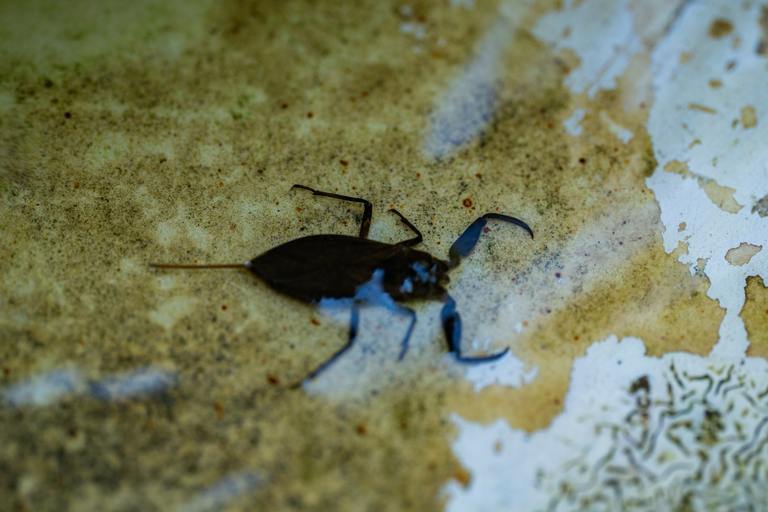
True water bugs belong to an aquatic insect family. They live in ponds, ditches, marshes, and slow-moving freshwater. The University of Florida explains that giant water bugs are aquatic predators that may fly toward outdoor lights. They have broad, oval bodies and grasping front legs. They can deliver a painful defensive bite if handled, but they do not normally infest kitchens, bathrooms, or wall voids.
If the insect ran under an appliance, emerged near plumbing, or keeps appearing indoors, a cockroach is the more likely explanation. Our detailed cockroach and water bug comparison can help you separate an aquatic visitor from a household pest before you choose a control plan.
Quick Identification Checklist
Look at the insect without touching it:
- Long, threadlike antennae and fast running: These features strongly suggest a cockroach.
- Spiny legs and a flattened body: This is another common cockroach combination.
- Large grasping front legs and short, less noticeable antennae: These point toward a true giant water bug.
- Found beside a pond, pool, ditch, or bright exterior light: A true water bug is possible.
- Found repeatedly in a kitchen, bathroom, laundry room, crawl space, or garage: A moisture-loving cockroach is much more likely.
Take a clear photo or capture the insect in a sealed container if you can do so without direct contact. Accurate identification prevents wasted effort and reduces the chance of using a pesticide in the wrong place.

Why Are Water Bugs Coming Into the House?
When “water bugs” are really roaches, their presence usually comes down to four needs: water, food, shelter, and access. A spotless-looking home can still offer all four behind walls, appliances, or cabinets.
Moisture Is Often the First Clue
Large cockroaches commonly develop in humid outdoor or structural areas and then wander inside. Common moisture sources include:
- Leaking supply lines or drainpipes
- Condensation on plumbing or air-conditioning equipment
- Damp crawl spaces
- Floor drains and plumbing chases
- Roof or window leaks
- Wet mulch touching the foundation
- Gutters or downspouts that leave water beside the house
- Pet water bowls left out overnight
Finding a roach next to a tub does not prove it climbed through that drain. It may have entered through a gap around the pipe, beneath a door, or from a nearby wall void. The location is a clue, not a complete diagnosis.
Food Can Be Almost Invisible
Cockroaches are scavengers. Grease film beneath a stove, crumbs in a cabinet joint, residue inside recycling, or pet food under a bowl can support activity. Cardboard, paper, glue, and organic debris also provide food or shelter. Cleaning the open floor is useful, but hidden residue often matters more.
Weather Can Push Outdoor Roaches Inside
Heavy rain can flood mulch beds, storm drains, sewers, and other protected sites. Extreme heat or dry weather can also send insects looking for better conditions. A sudden large roach after a storm may be an outdoor invader, but repeated sightings deserve a closer inspection.
The reddish-brown American cockroach is one of the large species most often associated with sewers, warm crawl spaces, landscaping, and plumbing areas. Understanding that outdoor-to-indoor pathway is central to learning how to get rid of water bugs without treating every sighting as the same problem.
How to Get Rid of Water Bugs Step by Step
The best plan combines immediate removal with source correction. Work through the following steps in order, and keep notes on where and when activity occurs.
1. Remove the Insect Without Handling It
Use a vacuum with a hose attachment or capture the insect in a container. If you vacuum it, empty the canister or remove the bag outdoors into a sealed trash bag. Avoid crushing a suspected cockroach on a porous surface, where body material and odor may be harder to clean.
Never pick up a suspected true water bug with bare hands. Its defensive bite can be painful. If the insect came from a pool or pond area and has grasping front legs, use a container and a stiff piece of cardboard to move it outside safely.
2. Inspect the Room and Connected Spaces
Begin at the sighting and work outward. Use a flashlight to check:
- Under sinks and around pipe penetrations
- Behind refrigerators, dishwashers, stoves, and washing machines
- Cabinet hinges, drawer tracks, and toe-kick voids
- Floor drains, water-heater closets, and utility chases
- Door thresholds and garage-door corners
- Baseboard gaps and openings around cables
- Crawl-space access points and attic plumbing penetrations
You are looking for live or dead insects, egg cases, shed skins, dark droppings, smear marks, and musty odor. The guide to nine signs of a cockroach infestation explains how several clues together are more meaningful than one isolated insect.
3. Correct Leaks and Persistent Humidity
Repair dripping faucets, loose drain connections, damaged seals, and leaking supply lines. Dry sink basins and counters at night. Improve ventilation in bathrooms, laundry rooms, and crawl spaces where humidity stays high.
Outside, redirect downspouts, remove standing water, and keep mulch from piling against siding or foundation openings. Trim dense vegetation that traps moisture along the wall. These changes do not kill an established population by themselves, but they remove the water and shelter that allow it to persist.
4. Remove Food and Hiding Places
Clean grease and crumbs from beneath and beside appliances. Store pantry goods and pet food in sealed containers. Rinse recycling, close trash containers, and avoid leaving dirty dishes overnight. Vacuum cabinet corners and drawer tracks rather than simply wiping the exposed shelf.
Reduce cardboard and paper bags in damp storage areas. Replace damaged shelf liner, and remove clutter that prevents inspection. For households managing asthma, the CDC recommends removing food and water sources, sealing gaps, and avoiding sprays or foggers that can aggravate symptoms. Cockroach material can be an asthma trigger for sensitive people, so cleanup should continue after the insects are controlled.
5. Seal the Routes That Lead Indoors
Check door sweeps, weatherstripping, screens, utility penetrations, and gaps where different building materials meet. Seal appropriate cracks around pipes and cables with materials suited to the surface and location. Repair torn screens over vents, and make sure exterior doors close tightly.
Do not permanently seal an opening that is needed for drainage, combustion safety, or building ventilation. Weep holes, condensate lines, and certain vents perform important functions. When you are unsure, ask a qualified contractor or pest professional which exclusion material will preserve airflow and drainage.
6. Monitor Before and After Treatment
Place insect monitors along wall edges, beneath sinks, beside appliances, or near suspected travel routes where children and pets cannot reach them. Label each monitor with the date and location. Check it regularly rather than moving it after one quiet night.
Monitoring answers useful questions: Is activity concentrated near plumbing? Are small nymphs present? Are numbers falling after cleanup? Are insects appearing in several rooms? A pattern makes identification and treatment far more precise.
7. Use Pesticides Carefully and According to the Label
If you choose a consumer pesticide, confirm that it is labeled for the identified pest and the exact application site. Follow every direction, precaution, and reentry instruction. More product is not better.
Baits and targeted crack-and-crevice placements are often more useful for cockroaches than broad spraying, but product choice and placement depend on the species and setting. Never apply pesticides into drains unless the label specifically permits it. Do not combine products or place repellent sprays where they may interfere with bait acceptance.
The EPA describes integrated pest management as prevention combined with lower-risk, targeted control. That is the practical foundation of how to get rid of water bugs: remove the resources, monitor the activity, and use control tools where the insects actually travel and hide.

What Should You Avoid When Trying to Get Rid of Water Bugs?
Some common reactions create unnecessary risk or make the source harder to find.
- Do not rely on bug bombs. Foggers disperse pesticide through open air but may not reach deep harborages. Aerosol propellants can also create fire and exposure hazards.
- Do not pour bleach, boiling water, or pesticide mixtures down drains. These actions can damage plumbing, create fumes, or violate pesticide labels without resolving a population in a wall void or sewer connection.
- Do not spray every baseboard. Broad treatment can scatter some roaches and contaminate areas that did not need treatment.
- Do not assume one dead insect solved the problem. Continue monitoring for droppings, egg cases, nymphs, and repeat sightings.
- Do not treat every large dark insect as a roach. A true water bug found beside an outdoor light usually needs safe removal, not an indoor infestation program.
Understanding what professional cockroach control addresses can help homeowners see why species, source, and placement matter more than the amount of pesticide used.
How Can You Tell Whether Water Bugs Are Infesting the House?
One large cockroach near an exterior door after heavy rain may be a wanderer. An indoor infestation becomes more likely when you see a continuing pattern.
Watch for:
- Roaches on several nights in the same room
- Small nymphs as well as adults
- Daytime activity
- Egg cases in cabinets, utility areas, or appliance gaps
- Droppings that return after cleaning
- Musty odor or dark smears near hiding places
- Activity spreading to multiple rooms
The size and pattern of debris can vary by species, so use the location and surrounding evidence when evaluating suspected roach droppings. Preserve a photo or specimen instead of guessing from one dark speck.
Small tan roaches with two dark stripes behind the head require particular attention. A German cockroach problem usually develops indoors and can spread through boxes, appliances, shared walls, and plumbing routes. That calls for a different plan than an occasional large outdoor roach.
Can Water Bugs Come Up Through Drains?
Cockroaches can be associated with sewer systems, floor drains, and plumbing voids, but the drain opening is not always the route. An insect beside a sink may have traveled through an unsealed pipe penetration, a dry floor drain, a damaged trap, or a nearby cabinet gap.
Keep seldom-used plumbing traps supplied with water according to appropriate plumbing guidance. Repair damaged drain covers and plumbing seals. If there is sewer odor, recurring insects at a particular fixture, or evidence of a failed trap, contact a licensed plumber. Pest control can address insect activity, but it cannot repair a plumbing defect.
This is another reason how to get rid of water bugs cannot be reduced to pouring something down a drain. The visible fixture may be only the final stop on a route that begins in a crawl space, wall void, sewer line, or damp exterior area.
How Long Does It Take to Get Rid of Water Bugs?
The timeline depends on the insect, the size and location of the population, access to neighboring units, and how quickly food, moisture, and entry points are corrected. One true aquatic visitor can be removed immediately. A few large outdoor roaches may decline once access and moisture are corrected. An established indoor cockroach population usually requires monitoring and follow-up over time.
Do not judge success only by whether you see an insect the day after treatment. Useful signs of progress include fewer captures on monitors, no fresh droppings, no new egg cases, and no nymphs appearing in new areas. Continued activity may mean the species was misidentified, a moisture source remains, or insects are entering from an adjoining space.

When Is Professional Pest Control the Right Next Step?
An inspection is appropriate when sightings repeat, nymphs or egg cases appear, activity occurs during the day, several rooms are involved, or the problem returns after cleaning and exclusion. Professional help is also sensible in apartments and attached homes, where insects can move through shared utilities and wall voids.
A pest professional should identify the species, map food and moisture sources, inspect exterior routes, place monitors, and choose treatments for the specific harborage. Large outdoor cockroaches may call for perimeter and plumbing-area attention. German cockroaches usually require an intensive indoor program. True water bugs generally need identification and removal rather than routine interior treatment.
All U Need Pest Control uses a customized inspection and targeted pest control process that accounts for the structure, landscaping, moisture, and pest behavior. That source-focused approach helps turn a startling sighting into a clear plan.
A Lasting Solution Begins With Correct Identification
If a “water bug” is running through your kitchen or bathroom, it is probably a cockroach, not an aquatic insect. Start by documenting the specimen, then inspect for moisture, food, shelter, entry gaps, and additional evidence. Clean and dry the problem areas, seal appropriate openings, monitor activity, and use pesticides only as their labels direct.
That is how to get rid of water bugs in a way that lasts. The goal is not simply to kill the insect in front of you. It is to identify the real pest, remove the conditions supporting it, and prevent the next one from following the same route indoors.