Do Cockroaches Bite? How to Read the Signs and Respond Safely

Published: October 27, 2026
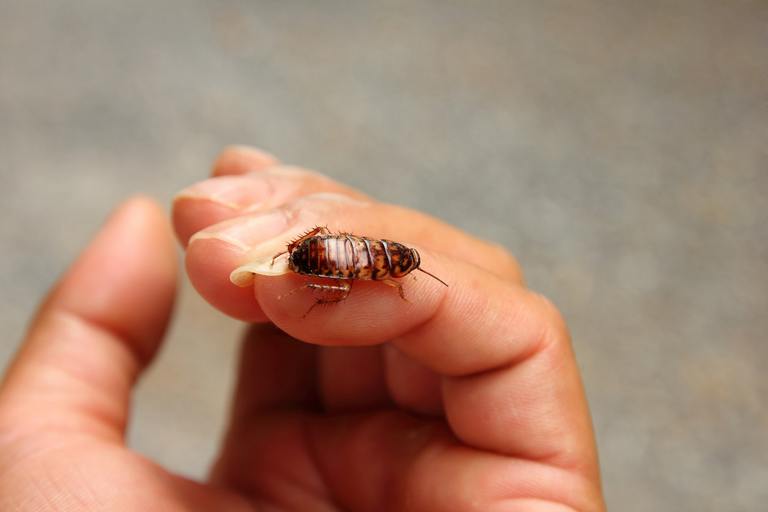
Introduction
Finding a red, itchy mark after seeing a roach can make the connection feel obvious. But do cockroaches bite people, or is another pest or skin condition more likely? The short answer is that cockroaches are physically capable of biting, but documented bites are rare. They do not seek people for blood the way mosquitoes, fleas, bed bugs, and ticks do.
That distinction matters. A mysterious bump is not enough to identify a pest, and focusing on the mark alone can delay the real investigation. The better approach is to care for the skin, look for objective evidence in the room, and determine whether cockroaches or another cause are actually present.
This guide explains what is known about rare cockroach bites, why they happen, what may be mistaken for one, and which signs call for medical care or a professional pest inspection.
Do Cockroaches Bite Humans?
Yes, cockroaches can use their chewing mouthparts on human skin, but this behavior is highly unusual in a typical home. Historical reports and entomology references describe rare cases involving extremely crowded conditions and limited food. The University of California, Riverside notes that reported cockroach bites are rare and generally not serious.
Cockroaches are scavengers, not blood-feeding parasites. Their normal diet may include food scraps, grease, decaying organic material, paper paste, and other available matter. A roach has no biological need to bite a sleeping person for a blood meal. If contact occurs, it is more accurately understood as exploratory feeding or gnawing than an attack.
Reports most often mention areas with keratin or food residue, such as:
- Fingernails and the skin around them
- Callused skin on hands or feet
- Eyelashes
- Residue around the mouth
- Small areas of exposed skin during an unusually severe infestation
The possibility should be kept in proportion. Seeing one large outdoor roach near a door does not mean anyone in the home is likely to be bitten. Even where indoor roaches are established, contamination and allergens are usually more realistic health concerns than biting.

Why Would a Cockroach Bite a Person?
A rare bite would usually require an unusual combination of heavy pest pressure, close nighttime contact, and scarce ordinary food. Cockroaches prefer to avoid people. Light, movement, and disturbance normally send them toward a crack or other protected space.
Severe crowding and limited food
When many cockroaches compete for limited resources, they expand their foraging range. That does not make people their preferred food, but it can increase contact with unusual materials. In a normal residential setting, evidence of an infestation should prompt action well before conditions reach that point.
Food residue close to the skin
Food residue on bedding, clothing, hands, or around the face could attract a scavenging insect. This is one reason food should stay out of bedrooms and why infant feeding areas, pet feeding areas, and upholstered furniture deserve careful cleaning when roaches are active.
A species capable of living close to people
Species and location help explain risk. German cockroaches that live and reproduce indoors remain close to kitchens, bathrooms, appliances, and shared walls. American cockroaches associated with damp areas more often move through drains, utility spaces, garages, and lower levels. Either type deserves attention indoors, but identifying the species tells a professional far more than a skin mark does.
What Does a Cockroach Bite Look Like?
There is no dependable visual pattern that allows a homeowner to identify a cockroach bite from the skin alone. A small red bump, swelling, tenderness, or irritation can resemble many insect reactions. Scratching can further change the appearance and introduce bacteria, making the original cause even harder to judge.
Be cautious with online photo comparisons. The size and color of a skin reaction vary with the person, the body area, scratching, prior exposure, and time since the irritation began. Even a line or cluster of marks is not proof of a particular pest.
Instead, document the reaction and the surrounding evidence:
- Photograph the mark in good light without touching or squeezing it.
- Note when it appeared and where the person had been sleeping, sitting, or working.
- Record symptoms such as pain, itching, warmth, swelling, drainage, or spreading redness.
- Check the immediate area for actual insects, droppings, shed skins, egg cases, or trap catches.
- Preserve a pest specimen or take a clear photo if one is found.
A healthcare professional can assess the skin. A pest professional can identify insects and property evidence. Neither conclusion should rest on the bump alone.

If It Is Not a Cockroach Bite, What Else Could It Be?
When someone asks, “do cockroaches bite?” the more useful follow-up is often, “what evidence points to the cause of this reaction?” Several possibilities are more common than a true roach bite.
Bed bugs
Bed bugs feed on blood and typically stay near sleeping or resting areas. Skin marks still cannot confirm them. Look for live bugs, dark spotting, pale cast skins, eggs, or activity along mattress seams, bed frames, headboards, and upholstered furniture.
Fleas
Flea reactions often occur around ankles and lower legs, but location is not definitive. Check pets, pet bedding, rugs, floor edges, and wildlife-access areas for live fleas or dark flea waste. A home without pets can still develop activity if rodents or other animals are involved.
Mosquitoes and outdoor exposure
Mosquito bites may follow time near a patio, doorway, garden, pool, or shaded yard. A mosquito can also enter the home. The timing of outdoor activity is often more informative than the shape of the mark.
Mites, lice, and other arthropods
Some mites are linked to bird or rodent nests, while lice remain closely associated with a human host. These problems require different inspection and response methods. Treating for cockroaches without confirming the cause can waste time and make useful evidence harder to find.
Contact irritation or an allergic skin reaction
Detergents, cleaning products, plants, fabrics, cosmetics, medications, and many skin conditions can create bite-like redness or itching. Cockroach debris can also contribute to allergy symptoms. The EPA explains that proteins in cockroach feces and saliva can trigger allergic reactions or asthma symptoms in susceptible people. A rash near roach activity therefore does not automatically mean the insect bit the skin.
Can Cockroaches Harm People Without Biting?
Yes. This is the central practical point. The answer to “do cockroaches bite?” should not determine whether recurring indoor activity is taken seriously.
The National Pesticide Information Center reports that cockroaches do not generally bite people, but their shed material and waste can become airborne and may worsen allergy or asthma symptoms. Its cockroach identification and control guidance also emphasizes identifying the species and determining where the insects hide, travel, eat, and drink.
Indoor roach activity can affect a home in several ways:
- Droppings, saliva, shed skins, and body fragments may contain allergens.
- Roaches moving between unsanitary areas and kitchens can contaminate food-contact surfaces.
- Food and packaging may become contaminated and need to be discarded.
- Repeated nighttime activity can disrupt sleep and create significant stress.
- Heavy pesticide use in response to fear can create avoidable exposure without reaching hidden harborages.
These concerns are why a confirmed cockroach infestation should be evaluated as a whole pattern, not reduced to whether a bite occurred.
What Should You Do About a Suspected Cockroach Bite?
Start with conservative skin care and observation. Wash the area gently with soap and water. Avoid scratching, cutting, squeezing, or applying household pesticides, disinfectants, essential oils, or other nonmedical chemicals to the skin. Follow the advice of a healthcare professional for symptom relief, especially for a child, an older adult, or anyone with a history of serious allergies.
Seek prompt medical attention if symptoms include:
- Trouble breathing, wheezing, faintness, or swelling of the face, lips, tongue, or throat
- Rapidly spreading redness or swelling
- Severe or increasing pain
- Pus, red streaks, fever, or other possible signs of infection
- A worsening reaction or symptoms that do not improve
- An injury close to the eye or another sensitive area
Call emergency services for signs of a severe allergic reaction or breathing difficulty. Do not wait for pest identification before getting urgent care.

How Do You Check the Home Without Losing Evidence?
After addressing the skin, inspect calmly. The goal is to find evidence that can be identified, not to spray every possible hiding place.
Start where the reaction occurred
Check the bed, sofa, recliner, floor edge, nightstand, and nearby wall junctions. Use a flashlight and look into seams and cracks. Do not move furniture from room to room. If another biting pest is present, moving belongings can spread it.
Inspect likely roach zones separately
Look beneath sinks, behind and beside appliances, around plumbing penetrations, near trash storage, inside cabinet corners, and along warm appliance motors. Roach droppings and related evidence are more useful than a vague memory of an insect crossing the room.
Watch for:
- Pepper-like specks or dark smears
- Live roaches seen after dark
- Nymphs in more than one size
- Cast skins
- Musty odor concentrated in a cabinet or appliance area
- Cockroach egg cases in protected cracks
Use monitors as evidence tools
Place labeled sticky monitors according to their directions along wall edges and near suspected travel routes. Date them and record the room. Monitors do not solve an infestation, but the species, number, and location of catches can help distinguish an accidental outdoor visitor from ongoing indoor activity.
Avoid broad indoor spraying
Foggers and indiscriminate sprays may miss the tight voids where roaches spend most of their time. Some applications can scatter insects or interfere with bait-based treatment. They can also expose residents and pets unnecessarily. If pesticides are used, follow the product label exactly and keep people and animals away as directed.
When Does Roach Evidence Call for Professional Help?
One outdoor cockroach that wandered through an open door is different from nymphs, egg cases, and recurring catches in a kitchen. Professional inspection becomes the practical next step when:
- Roaches appear repeatedly in the same indoor area
- Small roaches or multiple life stages are present
- Daytime sightings occur
- Droppings return after cleaning
- Activity spans several rooms or connected units
- A resident has asthma, severe allergies, or another vulnerability
- DIY attempts have scattered or failed to reduce the activity
- The suspected harborages are inside walls, appliances, drains, or inaccessible voids
An effective cockroach pest control plan begins with species identification and a map of food, moisture, shelter, and travel routes. Treatment can then focus on the places the insects actually use, while sanitation, leak repair, exclusion, and monitoring remove the conditions that support them.

How Can You Reduce Close Contact With Cockroaches?
Prevention should reduce both the infestation and the chances of nighttime contact. It does not require making a home perfect. It requires removing the dependable resources roaches use.
- Keep meals and snacks out of bedrooms when possible.
- Wash dishes and wipe food residue before night.
- Store pantry goods and pet food in hard-sided, sealed containers.
- Empty indoor trash regularly and clean residue from the container.
- Repair plumbing leaks and dry sinks, counters, and pet-feeding areas overnight.
- Vacuum crumbs from furniture seams, baseboards, and appliance edges.
- Reduce cardboard and paper clutter near kitchens and bathrooms.
- Seal gaps around plumbing, cabinets, doors, and shared-wall penetrations when appropriate.
- Inspect used appliances, boxes, and furniture before bringing them indoors.
- Track activity with monitors instead of judging progress by one quiet night.
Sanitation alone may not eliminate an established population, especially with fast-breeding indoor species. It makes targeted control more effective by reducing competing food and revealing where activity continues.
The Bottom Line: Do Cockroaches Bite Often?
No. Cockroaches can bite, but the behavior is rare and usually associated with exceptional conditions. A skin mark by itself cannot confirm that a cockroach caused it. Bed bugs, fleas, mosquitoes, mites, contact irritation, and other conditions are generally more plausible explanations and should be considered based on evidence.
The safest response is a two-track one: have concerning symptoms assessed medically, and have the property evidence identified accurately. If roaches are present, the more important risks usually involve allergens, contamination, and a hidden population rather than biting. A careful inspection and species-specific plan can resolve the actual problem without guesswork or unnecessary pesticide use.